
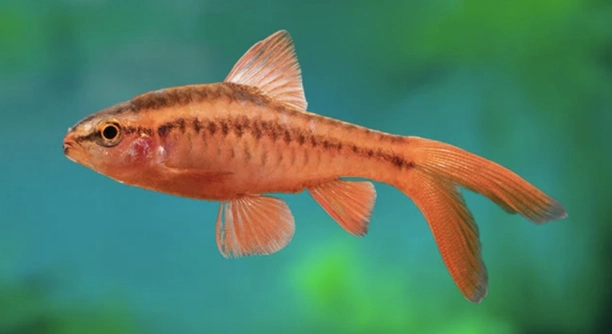
Do you ever find yourself watching your cherry barbs swim around and start to wonder if they notice when you walk by the tank?
Cherry barbs do respond to tank movement, especially when it is sudden or repeated. These fish can perceive changes in light, shadows, and vibrations, which may trigger alert or avoidance behavior depending on the intensity and frequency of the movement.
Understanding how cherry barbs react to external motion can help you manage their stress levels and create a safer, more comfortable environment for them.
How Cherry Barbs React to Movement
Cherry barbs are small, active fish that tend to be sensitive to their surroundings. Movement around the tank can catch their attention, especially if it is quick or close to the glass. These fish rely on their lateral line system to detect vibrations in the water, which helps them notice external motion. In many cases, cherry barbs may dart to a hiding spot or scatter when someone walks past quickly. If the movement becomes regular, they may become used to it, but some individuals remain skittish. Their behavior also depends on how secure they feel in the tank setup. If the environment has plants, caves, or decorations for cover, they are more likely to stay calm. Repeated disturbances, though, can increase stress levels. Keeping the tank in a low-traffic area and moving gently near it helps maintain a peaceful space where your cherry barbs can thrive and show their natural behaviors.
Cherry barbs often show quick swimming, hiding, or freezing behaviors when they detect movement outside the tank.
If your cherry barbs seem overly reactive, it might be due to an under-decorated tank or a loud room. Providing enough hiding spots and keeping a steady routine can help reduce these reactions. Avoid tapping the glass or making loud noises near their habitat.
Creating a Calmer Environment
Frequent motion around the tank may increase anxiety in your cherry barbs, especially if the tank lacks structure.
To create a calm environment, start by placing the tank in a quiet spot with minimal foot traffic. Add plants, driftwood, and rocks to give your cherry barbs plenty of places to hide and explore. This sense of shelter helps them feel more secure and reduces stress. Stick to a consistent lighting schedule, as sudden changes in brightness can also startle them. If possible, avoid setting the tank near doors or hallways where people pass often. Instead, choose a spot where movement is predictable and gentle. You can also limit strong vibrations by placing a soft mat underneath the tank stand. Over time, cherry barbs tend to adapt to regular household routines, especially if those routines include feeding and care at the same time each day. When they feel safe, their color brightens, and they become more active and social in the tank.
Common Triggers in Their Environment
Fast or unpredictable movement near the tank is one of the biggest triggers for cherry barbs. Loud sounds, sudden changes in lighting, or knocking on the glass can also cause quick darting, hiding, or a freeze response.
Cherry barbs are naturally alert and respond to small changes in their surroundings. If someone walks by quickly, slams a door, or taps the tank, they may instantly swim to the bottom or into plants. Over time, repeated triggers can lead to long-term stress, which may affect their eating habits or weaken their immune systems. They rely on their surroundings to feel safe, so when those surroundings are unstable, their behavior shifts. Creating a calm space with stable conditions is important. Cherry barbs do better when they have consistent routines and fewer surprises around them. Even shifting a lamp too close to the tank can change how they react during the day.
Cherry barbs can also be sensitive to reflections and shadows. If light hits the tank at a certain angle, they may react as if something is approaching them. This is why tank placement matters. Avoid placing tanks where passing cars, swinging doors, or mirrors are directly in view. Reducing reflections can help ease these jumpy moments.
How to Observe Without Stressing Them
Spending time near the tank doesn’t have to stress your cherry barbs if you move slowly and calmly. They get used to routine and familiar presence, especially when it is linked to feeding or gentle cleaning.
If you want to observe your cherry barbs up close, approach the tank slowly and avoid wearing bright or reflective clothing that might startle them. Try sitting near the tank for short periods so they get used to you being there. Over time, they may begin to associate your presence with positive things like food and may swim closer rather than hiding. It’s also helpful to keep movements smooth and not sudden. Talking softly, rather than loud noises, can help create a more peaceful environment. The goal is to be predictable so they feel no threat from your presence. Once comfortable, cherry barbs can be curious and enjoy exploring near the front of the tank.
Effects of Stress on Cherry Barbs
Stress from sudden movements or loud noises can lead to more than just hiding. It may affect your cherry barbs’ eating habits or make them more prone to illness.
Cherry barbs under constant stress may stop eating or become more lethargic. Stress weakens their immune system, making them more vulnerable to diseases like ich or fin rot. The fish may also become more aggressive, especially if they feel threatened by the environment. These negative effects can worsen if the stress is prolonged.
The Role of Tankmates
Tankmates play a significant role in how cherry barbs react to their surroundings. Aggressive or overly active fish can increase stress levels.
If you keep your cherry barbs with fish that are too large or territorial, they may feel unsafe and more easily startled by movement around the tank. Choosing peaceful tankmates, like small tetras or snails, creates a more relaxed atmosphere. The presence of non-threatening companions helps cherry barbs feel secure, allowing them to be more active and less skittish. Avoid keeping them with overly aggressive species that can heighten their stress levels.
Adjusting Lighting and Tank Placement
Lighting and placement can make a big difference in your cherry barbs’ comfort level.
Cherry barbs tend to respond poorly to intense, fluctuating light. Use a gentle, consistent light source that mimics their natural environment. Placing the tank away from direct sunlight or bright lights will help reduce the fish’s stress. Also, avoid putting the tank in a high-traffic area. This allows your cherry barbs to feel more at ease with less constant disturbance. A quiet, stable spot helps them adjust and behave naturally.
FAQ
Do cherry barbs like to be alone?
Cherry barbs are social fish and prefer being in groups. Keeping them in small schools of at least 3 to 5 individuals helps them feel secure and reduces stress. When they are alone, they can become skittish and more prone to hiding. A group allows them to exhibit natural schooling behavior, where they feel safer and more confident. It also encourages them to be more active and display their full colors.
Can cherry barbs tolerate tank movement?
Cherry barbs can tolerate mild, slow movements around the tank. However, sudden or repetitive movement can startle them and cause stress. They rely on their vision and lateral line system to detect changes in their environment, so any fast motion can trigger a defensive reaction. To minimize stress, keep the tank in a low-traffic area where the fish won’t feel constantly startled. Avoid tapping on the glass or making sudden, loud noises near the tank.
How can I tell if my cherry barbs are stressed?
Cherry barbs show signs of stress through behavioral changes. If your fish are hiding more than usual, swimming erratically, or displaying pale colors, they may be stressed. Reduced eating or more aggressive behavior toward tankmates can also be signs. Additionally, if your cherry barbs are constantly darting away from sudden movements or staying at the bottom of the tank, these could indicate anxiety. Keeping a calm, stable environment is key to minimizing stress.
What is the ideal water temperature for cherry barbs?
Cherry barbs thrive in water temperatures between 72°F and 80°F (22°C – 27°C). Maintaining this range helps them feel comfortable and active. If the water temperature fluctuates too much or gets too cold, your cherry barbs can become stressed and more susceptible to illness. Be sure to use a reliable aquarium heater and thermometer to monitor water conditions.
Do cherry barbs require a lot of space?
While cherry barbs are relatively small fish, they do need adequate space to swim and explore. A tank size of at least 20 gallons is recommended for a small group. A larger tank provides more room for them to move around, helping them feel less cramped. It also allows for better water quality, which is essential for their health. Too small of a tank can lead to stress and poor water conditions, which can affect the fish’s overall well-being.
Are cherry barbs aggressive?
Cherry barbs are generally peaceful and non-aggressive. They may show some mild territorial behavior, especially if they are crowded or feel threatened, but this is rare. In a tank with peaceful fish and enough space, they are unlikely to cause problems. However, they can be intimidated by larger or more aggressive tankmates. Keeping them with similar calm species ensures they stay relaxed and comfortable.
How often should I feed my cherry barbs?
Cherry barbs should be fed once or twice a day. Offer a varied diet that includes high-quality flakes, pellets, and occasional live or frozen foods like brine shrimp or bloodworms. Be mindful not to overfeed them, as this can lead to poor water quality. Feed only what they can consume in a few minutes to avoid excess waste in the tank. Regular feeding at the same time each day helps establish a routine and can reduce any stress related to feeding.
Can cherry barbs live with other species?
Cherry barbs are generally compatible with many other peaceful species. They do well with small tetras, rasboras, and catfish. However, they should not be kept with aggressive fish like cichlids or large predatory species. The key to a peaceful community tank is choosing species that have similar care requirements and behavior. It’s best to avoid keeping cherry barbs with fish that might outcompete them for food or harass them.
What type of decorations do cherry barbs like?
Cherry barbs enjoy having plants, rocks, and caves in their tank. These decorations give them plenty of hiding spots and places to explore. Live plants are especially beneficial, as they provide oxygen and mimic their natural environment. Floating plants also help diffuse light, creating a more natural setting. Make sure the decorations don’t block the swimming space too much, as cherry barbs are active swimmers. Avoid sharp decorations that could injure their delicate fins.
Are cherry barbs good for beginners?
Yes, cherry barbs are excellent for beginner aquarists. They are relatively easy to care for, provided their tank is properly maintained. As long as the water conditions are stable, and the fish are given a calm and secure environment, they tend to thrive. Cherry barbs are hardy, adaptable, and not very demanding in terms of water quality or feeding, making them a great choice for someone just starting with aquarium fish.
Final Thoughts
Cherry barbs are peaceful, colorful fish that can be a great addition to many home aquariums. They thrive in calm, stable environments with minimal disturbances. As small fish, they are best kept in schools, where they feel more secure. Movement near the tank does get their attention, and while they may not always react aggressively, it’s clear that they are sensitive to sudden changes. Over time, they can adapt to some regular movements, but fast or repetitive actions can cause stress. It’s important to remember that a well-maintained, quiet environment is key to their overall health and happiness.
Understanding how cherry barbs respond to their surroundings will help you create the best space for them. With the right care, they can live in harmony with other peaceful fish and plants. They’re not particularly demanding when it comes to water quality but will do best in a tank with proper filtration and regular water changes. Keeping their environment simple yet enriching will lead to brighter colors, active behavior, and a more enjoyable tank for you to observe. A calm routine, stable water conditions, and peaceful tankmates will make a significant difference in how they behave and thrive.
Cherry barbs are easy to care for, making them a good choice for beginners. However, it’s important to understand that, like any other fish, they need consistency and a stress-free environment to do well. When they feel safe and secure, they’re a joy to watch. Their beautiful red coloring and calm nature make them a great addition to any peaceful aquarium setup. So long as you respect their need for stability, they can live happily for many years, offering their graceful presence in your tank.

Hello,
If you enjoy the content that we create, please consider saying a "Thank You!" by leaving a tip.
Every little bit helps us continue crafting quality advice that supports the health, happiness, and well-being of pets around the world, for pets of all shapes, sizes, and species.
We really appreciate the kindness and support that you show us!