
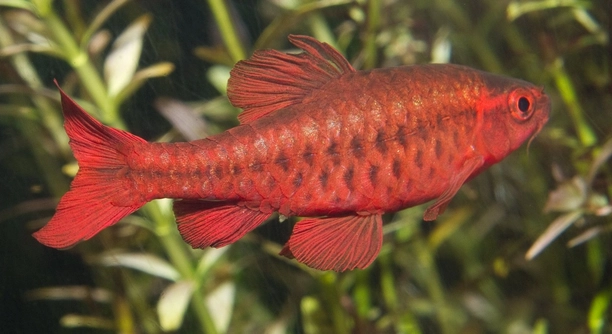
Cherry barbs are peaceful and charming fish, often found in aquariums with other community species. To make their environment feel safe and comfortable, it’s essential to provide hiding spots that mimic their natural habitat.
The best hiding spots for cherry barbs include plants, caves, and driftwood. These offer them shelter and reduce stress, allowing them to feel secure. A mix of dense plants and structures in various sizes creates an ideal, comfortable environment.
Incorporating these hiding spots can help your cherry barbs thrive by mimicking their natural surroundings. Explore the different options to create a peaceful space for your fish.
Dense Plant Coverage
Cherry barbs love swimming through plants. A tank filled with dense greenery makes them feel safe and secure. Live plants like Java fern, Anubias, and Hornwort are great choices. They’re easy to maintain and create soft spaces for hiding. These plants also help with water quality by absorbing excess nutrients. Planting them along the back and sides of the tank gives the fish enough room to swim while still offering shelter. If live plants aren’t your thing, silk plants work well too. Just make sure they don’t have sharp edges. Cherry barbs use plants not just to hide, but also to rest and avoid brighter lights. A well-planted tank lowers stress, supports natural behavior, and helps create a more balanced aquarium. Keep plant density moderate so there’s still space for swimming. Light pruning and regular cleaning keep everything looking neat and safe for your fish.
A thick patch of plants in the aquarium makes cherry barbs feel calm and protected. It also gives them quiet spaces to retreat when needed.
Live plants can make a big difference in how cherry barbs behave. With more places to hide, they show more color, swim more actively, and interact better. It’s worth the effort to include a few reliable plants in the tank. Adding soft, swaying plants helps replicate the calm waters cherry barbs prefer in nature. For beginners, starting with low-maintenance options like Java fern or Amazon sword is smart. These don’t need fancy lighting or special care. Position taller plants in the back, and use smaller ones in front to create layers. This structure allows the fish to weave in and out while still feeling covered. Avoid overcrowding the tank. Leave open spaces in the middle so your barbs can swim freely while having quick access to their hiding spots.
Rock Caves and Formations
Rocks make great hiding spots. You can stack smooth stones to create small caves where cherry barbs can slip in and out with ease.
Creating rock structures in your aquarium gives cherry barbs a sense of territory and helps reduce tension, especially if you have multiple fish. Use aquarium-safe stones like slate, lava rock, or river stones. Avoid anything with sharp edges or unknown coatings. These natural materials look nice and blend into the environment. Place the rocks in corners or along the back wall. You can glue them together with aquarium-safe silicone if you want a stable structure. Be careful not to block the flow of water or overcrowd the tank. Keep everything secure to prevent collapse. Cherry barbs may not hide all the time, but knowing they can if they want to makes them more relaxed. Combine rock caves with plants for a layered, cozy setup. Regular cleaning keeps algae from building up on the surfaces.
Driftwood and Branches
Driftwood adds texture to your tank while creating natural hiding places. Cherry barbs enjoy slipping behind or under pieces of driftwood for cover.
Use aquarium-safe driftwood that’s been properly cleaned. The wood provides a hiding place without crowding the tank. It’s important to arrange the pieces so they create gaps large enough for the fish to swim through. You can find driftwood in various shapes and sizes, making it easy to find a piece that fits your tank’s layout. The wood also helps maintain water parameters by releasing tannins, which slightly acidify the water. These tannins mimic the soft, low-pH environments cherry barbs are accustomed to in the wild. Over time, the wood will sink, adding to the natural look. Be sure to soak the driftwood beforehand to prevent it from floating in the tank. Regular cleaning and removing any decaying wood bits are essential for maintaining water quality.
The natural look of driftwood mimics the real environment of cherry barbs, which come from slow-moving streams. Adding branches or roots allows the fish to explore and feel secure.
When arranging driftwood, ensure it doesn’t block the water flow. You want to maintain good circulation while providing enough hiding spaces. Place a few small branches in the middle of the tank for a more balanced feel. Larger pieces work well at the back, creating caves or overhangs for the fish. Driftwood not only helps with hiding but also encourages natural behavior, as cherry barbs love to nibble on it. A mix of driftwood, plants, and rocks offers a varied and interesting space for them to feel at home. The addition of driftwood can help break up the space and provide a calming, sheltered environment.
Aquarium Shelters
Aquarium shelters are designed specifically for fish to hide in. These can be small caves, plastic plants, or ceramic ornaments that provide immediate shelter for cherry barbs.
Shelters can be purchased at most pet stores, offering various shapes like hollow logs or small tubes. These structures are useful because they can be placed easily without disturbing the rest of the tank setup. The materials used in these shelters are safe for fish and help maintain water quality. Shelters often have smooth, rounded edges to prevent injury to the fish. Adding a couple of these shelters creates more options for hiding, which is especially helpful if you have multiple fish. You don’t need too many; two or three strategic placements are often enough. In addition to giving fish a safe space, shelters can make the tank feel more dynamic. Your fish will appreciate the extra hiding spots, especially during stressful situations like when you add new tank mates or clean the tank.
Shelters are practical and simple to incorporate into the tank setup. You can choose from a variety of styles and materials to match your aquarium’s theme.
Position shelters in areas that provide easy access but also offer a sense of seclusion. They’re especially helpful for creating separate hiding places for multiple cherry barbs in a shared tank. These spaces reduce stress and allow the fish to feel comfortable in their environment. Make sure to clean them regularly to avoid any buildup of algae or waste. A well-maintained shelter provides a safe space where your fish can rest, hide, or retreat when needed. Pairing shelters with plants and rocks creates a more complex environment, ensuring that your cherry barbs always have a comfortable place to go.
Floating Plants
Floating plants give cherry barbs overhead cover, which helps them feel less exposed. The shade they create softens the light in the tank, making it more comfortable. Good options include duckweed, frogbit, or red root floaters.
They don’t just offer cover—they also support better water quality by soaking up excess nutrients. Cherry barbs may swim near the surface more often when floating plants are present. Just make sure they don’t block the entire surface, as fish still need oxygen exchange and feeding access.
Terracotta Pots
Small terracotta pots are an easy and affordable way to create hiding spots for cherry barbs. Lay them on their side or break them carefully to make arches or tunnels. Make sure the edges are smooth so they don’t hurt the fish. Rinse thoroughly before placing them in the tank. These pots are great for adding structure and breaking up sightlines, which helps reduce tension among fish. You can even tuck them behind plants or rocks for extra shelter. Terracotta is a safe material and blends well with natural setups. Just don’t use painted or glazed pots, as those may release harmful chemicals.
Sponge Filters as Shelter
Sponge filters are useful for filtration but also double as hiding spots. Cherry barbs often swim around or behind them, especially when they want to rest or feel secure.
FAQ
What type of plants are best for hiding spots in a cherry barb tank?
The best plants for cherry barbs are those that provide dense coverage and plenty of swimming space. Java fern, Anubias, and Hornwort are all excellent choices. These plants are easy to care for, don’t require intense lighting, and offer ample hiding spaces. Floating plants like duckweed or frogbit can also be beneficial for creating shaded areas at the water’s surface. A mix of both rooted and floating plants ensures that the tank mimics a more natural environment for your cherry barbs, allowing them to retreat and feel secure when needed. Be sure to keep the plants trimmed so they don’t overcrowd the tank.
How many hiding spots should I have for my cherry barbs?
For a small group of cherry barbs, aim for at least two to three hiding spots. This could be a combination of plants, caves, or structures like driftwood. If you have multiple fish, consider adding more spots to reduce territorial behavior. Hiding spots give fish a sense of security, reducing stress and promoting natural behavior. Too few hiding spots can result in the fish feeling exposed, while too many can make the tank look cluttered and limit swimming space. It’s about balance—creating enough coverage without overcrowding the environment.
Can I use artificial plants for hiding spots?
Yes, artificial plants can work as hiding spots, but they don’t offer the same benefits as live plants. They may provide physical shelter, but they don’t contribute to water quality or create a natural feel in the tank. Artificial plants should be smooth, without any sharp edges, to avoid injuring your fish. If you’re going to use them, pair them with live plants and other natural elements like driftwood or rocks to enhance the environment. Artificial plants are particularly useful for adding color or texture, but they’re best used as an accent rather than the primary hiding spot.
Do cherry barbs need caves or other solid hiding structures?
While cherry barbs aren’t as secretive as some other species, they do appreciate a few solid hiding structures. Small caves, terracotta pots, or driftwood pieces with natural crevices can offer the fish safe places to retreat. These structures are especially helpful during stressful events, like when new fish are introduced to the tank or during tank cleanings. Caves don’t need to be large—just enough to give the cherry barbs a place to feel secure. Make sure the structures are smooth, with no sharp edges that could harm the fish.
How do I keep my hiding spots clean and safe for cherry barbs?
Regular cleaning is key to keeping hiding spots safe and free from harmful buildup. For plants, trim dead leaves and clean algae off their surfaces. Driftwood should be cleaned occasionally to prevent the growth of unwanted bacteria. When it comes to caves or rocks, remove any debris that might accumulate inside. A gentle scrub with a soft brush is usually enough. Make sure to rinse any new items (like pots or decorations) thoroughly before adding them to the tank to avoid introducing harmful chemicals. By maintaining cleanliness, you’ll help create a healthier, more comfortable environment for your cherry barbs.
Do cherry barbs need hiding spots all the time?
Cherry barbs enjoy hiding when they feel stressed, threatened, or need rest. They don’t require hiding spots at all times, but it’s important to have options available when they need them. These fish are naturally calm, and providing them with places to retreat helps prevent anxiety. If the tank is too open, they may feel exposed and stressed. However, as long as there are places where they can go when needed, they will swim and interact freely. Having a mix of hiding spots and open swimming areas creates the best balance for their well-being.
How can I arrange my tank to provide enough hiding spots for cherry barbs?
When arranging your tank, aim for a combination of plants, rocks, driftwood, and caves that create natural hiding spots without overcrowding the space. Place plants and driftwood in the back of the tank to provide cover, leaving the front open for swimming. Caves or terracotta pots can be scattered around the tank, ideally near plants or rocks. This arrangement ensures that the cherry barbs have multiple places to retreat to, whether they need a quick break from other fish or simply want to rest. Keep in mind that providing open swimming areas is just as important as offering hiding spaces.
Can cherry barbs live with other fish if there are enough hiding spots?
Yes, cherry barbs are peaceful community fish and do well with other species, as long as there are enough hiding spots. With hiding spots, cherry barbs feel secure and less stressed around tankmates. They tend to do best with other calm fish like tetras, rasboras, and small catfish. It’s important to avoid aggressive species that might intimidate or stress them out. If you’re keeping multiple species in your tank, make sure there are enough areas where each fish can retreat if needed. Creating a balanced environment with plenty of hiding spots will help maintain harmony among all your tank inhabitants.
Are there any types of hiding spots to avoid for cherry barbs?
Avoid any hiding spots with sharp edges or those made from materials that could leach harmful chemicals into the water. For example, certain painted or glazed items may release toxins over time. Also, avoid using too many small objects that could overcrowd the tank or limit swimming space. Cherry barbs need room to move freely and aren’t fans of cramped environments. Make sure that any structures you use for hiding have smooth, fish-safe surfaces. When in doubt, stick with natural materials like driftwood or plants, which are always safe options for hiding spots.
Final Thoughts
Providing cherry barbs with proper hiding spots is essential to creating a healthy and comfortable environment for them. These peaceful fish are naturally shy and feel safer in tanks with plenty of places to retreat. Hiding spots, such as plants, caves, driftwood, and even aquarium shelters, help mimic the natural habitat of cherry barbs, offering them security when needed. It’s not just about making the tank look aesthetically pleasing; these hiding spots play a critical role in reducing stress and promoting natural behaviors, allowing your fish to thrive.
When setting up your tank, it’s important to focus on a balance of hiding spots and open swimming space. Too many hiding spots can overcrowd the tank and limit the fish’s movement, while too few can leave them feeling exposed and stressed. Having a variety of options, like dense plants, small caves, and smooth driftwood, gives your cherry barbs a choice of where to hide and rest. Additionally, the placement of these hiding spots should consider both the fish’s need for cover and their need to swim freely. The right setup will encourage your fish to explore, hide, and interact more confidently.
Overall, creating a comfortable environment for your cherry barbs doesn’t require complex setups. Simple, natural decorations like plants, rocks, and driftwood can go a long way in providing the shelter and security they need. By paying attention to the layout of your tank and ensuring there’s enough cover, you can improve their well-being and help them feel at home. Whether you’re a beginner or an experienced aquarium owner, these small adjustments can make a significant difference in the health and happiness of your cherry barbs.

Hello,
If you enjoy the content that we create, please consider saying a "Thank You!" by leaving a tip.
Every little bit helps us continue crafting quality advice that supports the health, happiness, and well-being of pets around the world, for pets of all shapes, sizes, and species.
We really appreciate the kindness and support that you show us!