
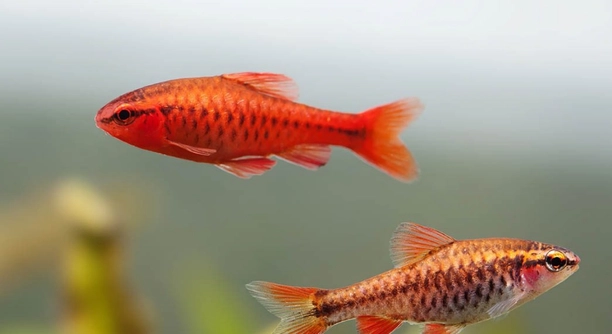
Maintaining a clean tank for your cherry barbs is essential to their health. You might wonder how to keep the environment clean without disrupting their delicate ecosystem. Spot-cleaning is a simple solution to consider.
Spot-cleaning a cherry barb tank involves removing waste and uneaten food regularly. This helps prevent harmful build-up and maintains water quality. Use a siphon to vacuum debris from the substrate and check filtration systems to ensure optimal performance.
By following a few easy steps, you can create a healthier environment for your fish. Continue reading to discover the tips that will make spot-cleaning more efficient and effective for both you and your cherry barbs.
Importance of Regular Spot-Cleaning
Regular spot-cleaning plays a vital role in maintaining a healthy environment for your cherry barbs. It helps to remove waste, leftover food, and any decaying plant matter, all of which contribute to water contamination. Without proper cleaning, harmful toxins can build up, affecting the health of your fish and the overall quality of the tank. It’s important to remember that cherry barbs are sensitive to poor water conditions, and neglecting tank maintenance can lead to stress or illness.
Incorporating spot-cleaning into your routine will significantly reduce the need for large water changes. It also helps keep the filtration system working properly by preventing clogging from excess debris. Over time, you’ll find it easier to manage water quality and keep your tank looking pristine with minimal effort.
The frequency of cleaning depends on factors like the size of the tank, the number of fish, and the types of plants and decorations inside. However, performing spot-cleaning at least once a week will help keep the tank in good shape.
Effective Tools for Spot-Cleaning
You don’t need much to clean your cherry barb tank effectively. A siphon is a great tool for removing waste from the substrate, while an algae scraper is useful for cleaning the glass. You can also use a sponge or brush to remove debris from decorations.
For best results, try to spot-clean every few days or at least once a week, depending on your tank setup. Keeping the tank clean will not only improve water quality but also help maintain the appearance of your cherry barbs’ habitat.
Remove Uneaten Food
Uneaten food is a primary source of water contamination. It’s crucial to remove any leftovers promptly. This prevents the food from decaying and releasing harmful substances into the tank.
You can use a fishnet or siphon to collect uneaten food. If you feed your cherry barbs several times a day, monitor the tank closely to ensure nothing is left behind. Consider offering smaller amounts of food to reduce excess that may not be eaten. Overfeeding can cause rapid waste accumulation, which affects water quality.
If you notice food stuck in plants or decorations, remove it gently to avoid disturbing your setup. This simple task can go a long way in keeping the water clear and clean.
Vacuum the Substrate
The substrate can collect dirt and fish waste that sinks to the bottom. Regularly vacuuming it will prevent harmful substances from accumulating. This helps maintain the biological balance in the tank.
A substrate vacuum or siphon hose is the most efficient way to clean the bottom of the tank. Gently move the siphon along the surface of the substrate to suck up debris without disturbing the gravel too much. Be careful not to remove too much of the beneficial bacteria that helps break down waste.
Vacuuming once a week is typically enough for most tanks. However, if you notice a build-up of waste, consider cleaning the substrate more frequently. Regular maintenance will also ensure that your filtration system works efficiently.
Clean the Filter
The filter plays a critical role in maintaining water quality. Over time, it can become clogged with debris, reducing its effectiveness. Clean the filter regularly to ensure it continues to work properly.
Make sure to rinse the filter media in tank water, not tap water, to preserve beneficial bacteria. If your filter has a mechanical part, check it for any blockages. Cleaning it once a month will help maintain proper water flow and filtration.
Manage Algae Growth
Algae can quickly take over a tank if not managed. Use an algae scraper to remove buildup from the glass. This will help keep the tank clear and provide a better view of your fish.
Consider using a low-maintenance algae-eating species, like snails, to naturally reduce algae growth. However, it’s important to monitor algae levels, as too many snails can contribute to waste. A balanced approach will help you maintain a clean, algae-free tank.
Use Plants to Assist Cleaning
Live plants not only beautify the tank but also help maintain water quality. Plants absorb excess nutrients and waste, improving overall water conditions.
Fast-growing plants, like Java moss or Anubias, are particularly useful in reducing waste. Their roots help break down organic matter and provide oxygen for the fish. Ensure you trim plants regularly to keep them healthy and prevent overcrowding.
FAQ
How often should I spot-clean my cherry barb tank?
Spot-cleaning should be done at least once a week, but the frequency depends on the tank’s size, the number of fish, and the feeding habits. If your cherry barbs are fed multiple times a day, you may need to spot-clean more frequently to remove leftover food. Checking the tank every few days can help catch debris early, preventing it from affecting the water quality. Smaller tanks often require more attention than larger ones because waste accumulates faster.
Can I use tap water to clean my filter?
It’s best not to use tap water to clean your filter. Tap water contains chlorine, which can harm beneficial bacteria in your filter. Always rinse your filter media in tank water instead. This preserves the essential bacteria that help break down waste. If you absolutely need to use tap water, make sure to let it sit for 24 hours to allow the chlorine to dissipate, but it’s always better to stick to tank water.
What are the signs that my cherry barbs need a water change?
If you notice your cherry barbs becoming lethargic, swimming near the surface, or showing signs of stress, it may be time for a water change. Cloudy or discolored water is also a sign that the water quality has degraded. Ammonia or nitrite levels above zero can be harmful to fish, so it’s important to regularly test the water. A 25-30% water change every two weeks is typically recommended, but this can vary based on your tank’s needs.
Is it necessary to remove plants when spot-cleaning?
It’s not necessary to remove plants every time you spot-clean. In fact, many plants help improve water quality by absorbing nutrients and providing oxygen. However, if debris is stuck to the leaves or if the plants are becoming overgrown, it’s a good idea to gently clean them. Use a soft sponge or algae scraper to avoid damaging the plant. Regular trimming will help keep the plants healthy and ensure that they continue to contribute to the tank’s ecosystem.
What should I do if my tank is overrun with algae?
If your tank has too much algae, first assess the root cause. Algae typically thrive in tanks with excess light, high nutrient levels, or poor water quality. Reduce the amount of light your tank receives by cutting down on the hours the light is on each day. You can also introduce algae-eating species, like snails or certain fish, to help control algae growth. Regular water changes and cleaning of the glass with an algae scraper are important to prevent algae from becoming overwhelming.
Can I use a vacuum on my substrate if it’s fine gravel or sand?
Yes, but you need to be careful when vacuuming fine gravel or sand. The suction from a siphon or vacuum can easily stir up the substrate, causing it to cloud the water. To avoid this, use a gentle siphon or vacuum that’s specifically designed for fine substrates. Alternatively, you can hover the vacuum just above the surface, allowing it to pick up debris without disturbing the substrate too much.
What should I do if my cherry barbs seem stressed or unhealthy?
Stress in cherry barbs can be caused by poor water quality, overcrowding, or sudden changes in the tank’s environment. If your fish seem stressed, check the water parameters and make sure they are within the proper ranges. Test for ammonia, nitrite, and nitrate levels, and perform a water change if necessary. Ensure that the tank has plenty of hiding spots and is not overcrowded. Additionally, make sure the temperature and pH are stable, as fluctuations can stress your fish.
How do I clean tank decorations without harming my cherry barbs?
To clean tank decorations, remove them carefully from the tank. Use a soft brush or sponge to scrub off any algae or debris. If they are particularly dirty, you can soak them in a mild vinegar solution for a few minutes to loosen stubborn algae. After cleaning, rinse the decorations thoroughly with tank water before placing them back in the tank. Avoid using harsh chemicals that could harm your fish or disrupt the tank’s ecosystem.
Are cherry barbs sensitive to water changes?
Cherry barbs are relatively hardy, but like all fish, they can become stressed by sudden changes in water parameters. When performing water changes, make sure the new water matches the temperature and pH of the tank as closely as possible. Gradual changes are less likely to stress the fish. Adding new water slowly and ensuring it is treated for chlorine and chloramine can also prevent problems.
How can I maintain a healthy tank ecosystem for cherry barbs?
Maintaining a healthy tank ecosystem involves regular spot-cleaning, water changes, and proper filtration. Make sure to monitor water parameters regularly to keep ammonia, nitrite, and nitrate levels in check. Provide hiding spots and plants to help reduce stress. Avoid overfeeding, and be mindful of the number of fish in the tank to prevent overcrowding. A well-balanced tank will promote the health of your cherry barbs and reduce the risk of water quality issues.
Final Thoughts
Taking care of your cherry barb tank requires consistent effort and attention. By following simple maintenance tasks like spot-cleaning uneaten food and vacuuming the substrate, you can ensure a healthy environment for your fish. Regular cleaning of the filter and managing algae growth are also essential for maintaining water quality. All these small actions help keep the water clear, preventing the buildup of harmful substances that could negatively impact your fish.
Using live plants in the tank is an effective way to improve water quality. Plants not only add beauty to your aquarium but also help absorb excess nutrients, preventing algae growth. With proper care, plants will thrive and play an important role in keeping the tank balanced. Adding algae-eating species, like snails, can also contribute to maintaining a clean tank. Remember, however, that introducing too many snails can lead to additional waste, so it’s important to monitor their population.
Overall, maintaining a cherry barb tank is not difficult, but it does require regular attention. Keeping the water clean and balanced will help ensure your fish remain healthy and active. By following these simple tips and staying on top of tank maintenance, you’ll create a thriving environment where your cherry barbs can flourish. The key is consistency – regular cleaning, water changes, and monitoring will prevent problems before they arise, allowing you to enjoy your aquarium for years to come.

Hello,
If you enjoy the content that we create, please consider saying a "Thank You!" by leaving a tip.
Every little bit helps us continue crafting quality advice that supports the health, happiness, and well-being of pets around the world, for pets of all shapes, sizes, and species.
We really appreciate the kindness and support that you show us!