
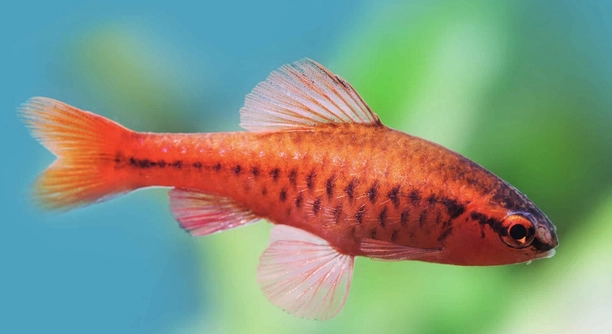
Introducing new Cherry Barbs to your aquarium can be exciting, but it also comes with responsibilities. Understanding their needs is essential to ensure their health and happiness in their new environment. There are several key things to monitor closely.
After introducing new Cherry Barbs, it’s important to observe their behavior, water quality, and tank mates. Watch for signs of stress, such as rapid swimming or hiding, and ensure the water temperature and pH are optimal for their species.
Maintaining proper care for your Cherry Barbs is vital to ensure a healthy aquarium environment.
Behavior Changes to Watch For
When you first introduce Cherry Barbs to your aquarium, they may experience some initial stress. This is a common reaction as they adjust to their new environment. It’s important to pay attention to any changes in their behavior. If you notice them hiding for long periods, or swimming erratically, it may indicate stress. Additionally, Cherry Barbs are social fish and prefer being in groups. If you have only a few, they may become more timid or inactive. If you see signs of bullying from other tank mates, this can also affect their behavior and overall well-being. A peaceful tank environment is essential for their adjustment.
Ensuring your Cherry Barbs are not overly stressed is vital for their health. Keep an eye on their interactions with other fish and adjust the tank setup as needed to reduce stress.
Creating a peaceful aquarium environment involves ensuring your Cherry Barbs feel comfortable and safe. Check for bullying signs from other fish, and if needed, rearrange your tank to provide hiding spots. This will help minimize stress and allow them to adapt more quickly. It’s important to ensure the water quality is optimal to prevent further strain. Keeping a consistent routine for feeding and maintenance will also contribute to their overall comfort. They should begin to thrive once they feel settled, and it’s important to be patient during this adjustment phase.
Water Quality Management
Maintaining optimal water quality is crucial for the health of your Cherry Barbs. Ensure that the temperature is between 74°F and 79°F, as any deviation may lead to stress or illness. Regularly test the water’s pH, ammonia, and nitrate levels to prevent harmful spikes that could negatively impact the fish. It’s essential to maintain a stable environment since Cherry Barbs are sensitive to significant changes in water conditions. Perform regular water changes to keep the environment clean and healthy. Inadequate filtration or high levels of toxins in the water can lead to issues such as fin rot or other diseases. Your Cherry Barbs will thrive in an environment that is consistent and clean.
Your Cherry Barbs will thrive when water quality is closely monitored. Test for ammonia and nitrate levels regularly.
Water changes are necessary to keep the water clean and clear. Filtration should also be adequate to prevent waste buildup, which can affect the fish’s health. Be mindful of how much food is being given to the tank. Uneaten food can decay and cause the water quality to deteriorate, potentially leading to high levels of toxins. Regular testing helps identify issues early before they become problems. Consider investing in a good-quality filtration system to keep the water clean and maintain a stable environment. Over time, your Cherry Barbs will show positive signs of thriving in this optimal environment.
Tank Mates Compatibility
Cherry Barbs can be quite peaceful, but choosing the right tank mates is essential for their well-being. They do well with other calm species, such as small tetras or Corydoras catfish. Avoid pairing them with aggressive or large fish that may intimidate them.
Aggressive tank mates can stress Cherry Barbs, leading to behavioral issues. It’s also important to ensure that the other fish in the tank are not competing for the same resources, such as food or space. Overcrowding should be avoided, as this can also lead to stress and territorial disputes. Consider the temperament of all the species in your tank when adding new fish. A peaceful community tank will allow Cherry Barbs to thrive and feel comfortable.
Adding new fish to the tank should be done with consideration for the Cherry Barbs’ temperament. Make sure to provide enough hiding spaces and territories to avoid conflicts. Establishing a peaceful and well-planned tank environment will help all species coexist harmoniously, with each fish having its space. Monitoring interactions is essential to ensure the new tank mates are compatible with the Cherry Barbs. It’s important to regularly assess the fish’s behavior and overall well-being to avoid any unnecessary stress.
Feeding and Diet
Cherry Barbs are not very picky eaters, but a balanced diet is essential for their health. Feed them high-quality flake food, supplemented with live or frozen foods such as brine shrimp or daphnia. This helps maintain their vibrant colors and energy levels.
A varied diet will also ensure that Cherry Barbs receive the necessary nutrients for healthy growth. Overfeeding should be avoided, as uneaten food can pollute the water and affect water quality. You should only offer as much food as they can consume within a few minutes. Regular feeding, in moderate amounts, will keep them active and happy.
Cherry Barbs will thrive on a well-rounded diet that includes both plant and animal matter. You can offer vegetables such as spinach or zucchini to provide fiber and nutrients. This will also help prevent digestive issues and maintain their overall health. It’s essential to rotate their food types to ensure they get all the necessary vitamins and minerals. When feeding them, always observe if they’re consuming the food and adjust accordingly. Over time, you’ll notice that they become more active and colorful with a proper feeding routine.
Tank Size and Setup
Cherry Barbs do best in a tank of at least 20 gallons. This gives them enough space to swim freely and reduces territorial disputes. A well-planted tank with hiding spots helps them feel secure and at ease.
The layout of the tank is crucial for their comfort. Use plants, rocks, or driftwood to create hiding spots and visual barriers. Cherry Barbs enjoy swimming in the middle and top layers, so provide open space for them to explore. It’s also important to keep the water parameters consistent, including temperature and pH.
Creating a natural environment will help your Cherry Barbs feel more at home. A tank setup with plenty of plants and hiding areas reduces stress and helps mimic their natural habitat. Using live plants not only improves the water quality but also provides a more stimulating environment for the fish.
Health Monitoring
Keeping an eye on your Cherry Barbs’ health is essential for long-term success. Look out for any signs of illness, such as faded colors or abnormal swimming patterns. Early detection allows for more effective treatment.
Ensure that the water quality is consistently monitored, as poor water conditions can lead to health problems. Regularly check for any visible signs of injury or disease, and separate sick fish from the others to prevent spread.
Regular water changes and good tank maintenance can go a long way in preventing health issues. A clean environment reduces stress, keeps the fish happy, and minimizes the risk of diseases. Monitoring your fish daily for signs of illness is one of the best ways to keep them healthy and vibrant.
Breeding Considerations
If you’re thinking about breeding your Cherry Barbs, make sure the tank conditions are right. They prefer slightly acidic to neutral water with stable temperatures. Proper breeding conditions will help encourage successful spawning.
Breeding Cherry Barbs is relatively straightforward, as they are egg layers. Providing fine-leaved plants or a breeding box can help the eggs stick and protect them from being eaten. Make sure the tank is well-maintained and free from aggressive fish, as this will encourage a safer environment for the young.
FAQ
What is the ideal temperature for Cherry Barbs?
Cherry Barbs prefer a temperature range of 74°F to 79°F (23°C to 26°C). Staying within this range is important for their overall health and comfort. Temperatures outside of this range can lead to stress or even illness. Regular monitoring of the water temperature is recommended, especially if your aquarium is in an area with fluctuating temperatures. Using a reliable heater with a thermometer will help maintain a consistent environment.
Can Cherry Barbs live with other species?
Yes, Cherry Barbs are peaceful fish and can live with other non-aggressive species. They do well with small tetras, Corydoras catfish, and other peaceful community fish. However, avoid placing them with large or overly aggressive species that could intimidate or harm them. Compatibility with other fish is key to their well-being.
How often should I feed Cherry Barbs?
Feed your Cherry Barbs once or twice a day. Offer only as much food as they can consume within a few minutes to prevent overfeeding and water pollution. A balanced diet consisting of high-quality flake food, supplemented with live or frozen foods like brine shrimp, is ideal. Be mindful of the amount of food you provide to avoid excess waste in the tank.
Do Cherry Barbs need a lot of space to swim?
Yes, Cherry Barbs enjoy having plenty of space to swim. A tank size of at least 20 gallons is recommended, especially if you plan to keep more than a few fish. A larger tank with plants and open swimming areas will help them feel more comfortable and reduce stress. They are active swimmers, so providing them with enough room will encourage natural behavior and reduce territorial disputes.
How do I know if my Cherry Barbs are stressed?
Signs of stress in Cherry Barbs include rapid swimming, hiding for extended periods, or abnormal behavior such as rubbing against tank objects. Stress can also lead to faded coloration. Monitoring water quality and tank conditions can help reduce stress. If the stress continues, try adjusting the tank setup, reducing aggressive tank mates, or improving water conditions.
Can Cherry Barbs be kept in a tank with plants?
Yes, Cherry Barbs do well in planted tanks. Plants provide shelter and create a more natural environment, which can reduce stress. They enjoy swimming around and through plants, so adding live plants will make the tank more stimulating. Just be sure to avoid overplanting, as this could reduce swimming space.
How do I maintain good water quality for my Cherry Barbs?
Regular water changes are the best way to keep the water quality high. Aim for changing 20-30% of the tank water every week. Regularly test the water for ammonia, nitrites, nitrates, and pH levels to ensure they remain within the optimal range for Cherry Barbs. Proper filtration is essential to keep the tank clean. Be sure to remove any uneaten food and debris to prevent water pollution.
What do Cherry Barbs eat?
Cherry Barbs are omnivores and will eat both plant and animal matter. A variety of foods such as high-quality flake food, frozen or live foods like brine shrimp, daphnia, and small worms will keep them healthy and vibrant. You can also offer vegetables such as spinach, zucchini, or peas. Rotating their diet helps provide the nutrients they need to thrive.
Are Cherry Barbs good for beginners?
Yes, Cherry Barbs are a great choice for beginners. They are hardy fish that adapt well to a range of water conditions and are not overly demanding when it comes to care. As long as you maintain the right water quality, provide a balanced diet, and monitor their behavior, Cherry Barbs can be easy to care for and are a great addition to a community tank.
How can I tell if my Cherry Barbs are male or female?
Male Cherry Barbs are more vibrant in color, with a deeper red hue on their bodies. They also have slightly slimmer bodies compared to females. Female Cherry Barbs tend to be more subdued in color, with a more neutral appearance. The males are typically more active and will often display their bright colors to attract females during mating.
Do Cherry Barbs breed easily?
Cherry Barbs can breed relatively easily under the right conditions. To encourage breeding, provide a breeding tank with slightly acidic to neutral water, stable temperatures, and fine-leaved plants where the eggs can stick. After spawning, it’s best to remove the adult fish to prevent them from eating the eggs. The fry are relatively small, so they will need infusoria or crushed food until they are large enough to eat regular fish food.
Can Cherry Barbs live with other Barbs?
Yes, Cherry Barbs can live with other species of Barbs as long as the tank is large enough to accommodate them. However, be cautious of mixing them with more aggressive or territorial Barb species. Cherry Barbs do best in peaceful tanks where they are not outcompeted for food or space. A diverse tank with a mix of calm species is ideal.
Why are my Cherry Barbs not eating?
If your Cherry Barbs are not eating, there may be several reasons. Stress, poor water quality, or illness could be the cause. First, check the water parameters to ensure they are within the optimal range. If the water quality is fine and the fish are still not eating, it’s worth observing them for signs of illness. Consider isolating any sick fish to prevent spreading any potential disease.
Final Thoughts
Cherry Barbs are an excellent choice for both beginners and experienced aquarium owners. Their vibrant colors, peaceful nature, and easy-to-manage care requirements make them a popular fish for community tanks. With the proper tank setup and attention to water quality, they can thrive for many years, bringing beauty and life to your aquarium. It’s essential to provide them with adequate space, stable water conditions, and a balanced diet.
While Cherry Barbs are generally hardy, they do require a bit of attention to detail in terms of their environment. Regular water changes, proper filtration, and monitoring of their health are key to maintaining a healthy and thriving tank. They are social fish, so keeping them in groups of at least six is ideal to ensure they feel secure and comfortable. A tank with plants and hiding spots will also help create a more natural environment, which can reduce stress and enhance their well-being.
Overall, Cherry Barbs are low-maintenance yet rewarding fish to keep. They can coexist peacefully with many other species and can be a stunning addition to any aquarium. By paying attention to their needs and providing a consistent, healthy environment, you can enjoy the beauty of these fish for a long time. Whether you are just starting out or have years of experience in fishkeeping, Cherry Barbs are sure to be a welcome addition to your aquatic setup.

Hello,
If you enjoy the content that we create, please consider saying a "Thank You!" by leaving a tip.
Every little bit helps us continue crafting quality advice that supports the health, happiness, and well-being of pets around the world, for pets of all shapes, sizes, and species.
We really appreciate the kindness and support that you show us!