
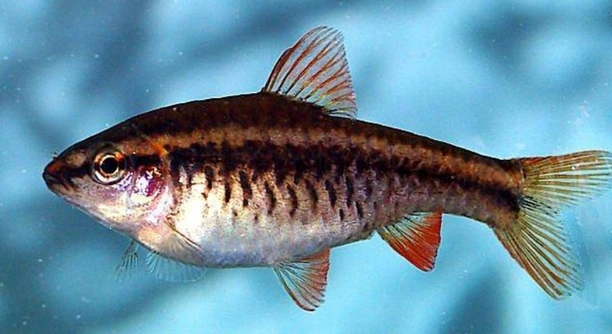
Cherry barbs are small, active fish often kept in aquariums. Their playful behavior and vivid colors make them a favorite for many. One question that arises with these fish is whether they can recognize their feeding schedule.
Research indicates that fish, including cherry barbs, can develop associations with feeding times. Regular routines and consistent timing may help them anticipate feeding events, which suggests that they can indeed recognize their feeding schedule.
Understanding how your cherry barbs respond to feeding schedules will help create a more organized routine for their care.
How Fish Develop Feeding Associations
Fish, like cherry barbs, are creatures of habit. They often learn to recognize patterns, especially when it comes to feeding. Over time, they start to associate specific events, such as the appearance of food or the sound of feeding time, with a meal. This behavior is not unique to cherry barbs but can be observed in various aquarium fish. Consistency in feeding schedules helps reinforce this connection, making them more responsive at feeding times. Cherry barbs, with their active nature, are likely to become more engaged and expectant when they know food is coming.
While some may argue that fish simply react to their environment, studies show that regular feeding routines contribute to a heightened sense of anticipation in these animals. This suggests that the timing of feeding influences their behavior more than random feeding intervals. Therefore, feeding cherry barbs at the same time each day can help establish a routine they can recognize.
By observing your cherry barbs closely, you may notice they become more eager as the usual feeding time approaches. Their heightened activity and swimming patterns often signal their awareness of the routine. This interaction shows how consistent schedules impact fish behavior.
Benefits of a Regular Feeding Schedule
A consistent feeding schedule benefits your cherry barbs beyond simply making them more responsive. It promotes better health and helps in managing tank conditions more effectively. Regular feeding times allow you to monitor the quantity of food given, preventing overfeeding, which can affect water quality and contribute to algae growth. Additionally, this routine enables you to better assess your fish’s overall health and behavior, ensuring they are thriving.
Aquarium management involves multiple factors, and feeding is one of the most critical. By adhering to a set schedule, you improve water conditions, maintain your fish’s well-being, and avoid creating a chaotic tank environment. Whether it’s observing their reaction to food or ensuring the aquarium stays clean, a structured approach to feeding helps in the long run. Maintaining a feeding routine also strengthens the bond between you and your fish, as they begin to recognize you as a consistent source of food.
In conclusion, creating a feeding schedule for your cherry barbs is a simple yet effective way to manage both their behavior and health. When fish know what to expect, they’re more likely to thrive in a stable environment.
How Fish React to Feeding Schedules
Cherry barbs respond to feeding schedules by showing more excitement and activity when it’s time to eat. This behavior comes from their ability to learn and associate certain cues, like specific times or sounds, with feeding. As a result, they become more predictable in their actions as feeding time approaches.
Observing this behavior can help you understand your cherry barbs’ routine. Over time, they may swim to the surface or cluster near feeding areas when they anticipate a meal. The more consistent you are with feeding times, the quicker they will learn these patterns. This not only simplifies feeding but also ensures the fish are getting the right amount of food at the right time.
By keeping their feeding schedule consistent, you may notice fewer instances of uneaten food or overfeeding. Their response to the routine helps create a more manageable tank environment. It also supports healthy eating habits, as they become accustomed to when and how much food they will get.
The Role of Environmental Cues
Environmental cues play a key role in how cherry barbs recognize their feeding schedule. Sounds, smells, and the movement of their environment can trigger feeding behavior. For example, the sound of a tank lid opening or the vibration from dropping food in the water might signal that it’s time to eat.
Using these cues consistently can help your cherry barbs learn to respond quicker. They might begin to swim excitedly when they hear familiar noises associated with feeding, making it easier to predict their behavior. It also gives them a sense of security, knowing what to expect.
In the wild, fish rely on environmental cues to find food, and aquarium fish are no different. By creating a stable routine, your cherry barbs can use these signals to anticipate feeding times. This makes feeding easier for both you and the fish, fostering a calmer, more predictable environment.
Feeding Times and Fish Behavior
Cherry barbs are active and social, so they tend to exhibit more noticeable behavior around feeding times. As they learn their feeding schedule, they start to swim more excitedly, especially when they recognize the environmental cues linked to meals. This can make feeding time more predictable.
Their behavior can also show that they’re aware of the routine, as they may position themselves near the feeding area. You may notice that your cherry barbs swim faster and more eagerly as the time approaches. This anticipation helps them be more active, contributing to a healthier aquarium environment.
Establishing Consistent Routines
Consistency is key when it comes to feeding cherry barbs. Feeding them at the same time every day not only helps them recognize the schedule, but it also stabilizes their environment. It provides them with a sense of security and ensures they receive food regularly without overeating.
By sticking to a feeding time, you also avoid the risk of overfeeding. Overfeeding can lead to water quality problems, which are more common in aquariums with erratic feeding schedules. Keeping a predictable routine for your cherry barbs reduces this risk, while also supporting their overall health.
Impact on Tank Maintenance
Having a feeding schedule also makes tank maintenance easier. With regular feedings, you’ll notice less leftover food in the water, which can help prevent unwanted algae growth and water contamination. This allows you to focus on other aspects of tank care, such as water changes and monitoring water conditions.
FAQ
Do cherry barbs eat at the same time every day?
Yes, cherry barbs can get used to a regular feeding schedule. They will begin to anticipate feeding when it happens at consistent times. This helps them become more active around the time you feed them, as they recognize the routine. However, it’s important not to overfeed, as this can lead to water quality issues.
Can cherry barbs recognize their owners?
While they may not recognize you in the same way as pets like dogs, cherry barbs can associate you with feeding time. They may swim excitedly or gather near the surface when they see you or hear familiar sounds, like the lid of the tank being lifted. It’s more about the cues they associate with food.
How much should I feed my cherry barbs?
Feed your cherry barbs only what they can consume in about 2-3 minutes. Overfeeding can lead to excess food in the tank, which can affect water quality. A small portion given 2-3 times a day is usually sufficient for their needs. It’s better to underfeed slightly than overfeed.
Do cherry barbs need a specific type of food?
Cherry barbs are omnivores, so they require a balanced diet. High-quality flakes, pellets, or frozen foods that include a mix of plant-based and protein-rich ingredients are best. You can supplement their diet with live or frozen foods like brine shrimp, daphnia, or bloodworms for variety.
Do cherry barbs need special care when feeding?
While cherry barbs don’t require any particularly special care, it’s important to maintain a clean tank. Leftover food can quickly pollute the water. Ensure that uneaten food is removed within a few hours, as it will break down and cause ammonia buildup. Regular water changes are also key.
Can I feed cherry barbs while they are in a community tank?
Yes, cherry barbs can be fed in a community tank, but it’s important to ensure that other fish don’t outcompete them for food. Since they are peaceful and not aggressive eaters, providing food that sinks or using feeding rings can ensure they get their share without being crowded out.
How can I train cherry barbs to come to the surface at feeding time?
To encourage your cherry barbs to swim to the surface, you can use consistent feeding times and sounds. They will eventually learn to associate these cues with food. Be patient, as it may take some time for them to learn the pattern. Keeping their environment stable also helps.
What are signs of overfeeding in cherry barbs?
Overfeeding can cause uneaten food to accumulate, leading to poor water quality. You may notice an increase in algae growth, cloudy water, or a spike in ammonia levels. Cherry barbs may also become less active or even bloated. If you observe these signs, adjust the amount of food you provide.
Can cherry barbs go without food for a day?
Yes, cherry barbs can go without food for a day or two without issue. In fact, fasting once a week can help maintain their digestive health. However, it’s important not to extend fasting periods for longer durations, as they need regular nutrients to stay healthy.
Do cherry barbs need live food?
While cherry barbs enjoy live food, it’s not a necessity. They can thrive on high-quality dried or frozen foods. Live foods, like brine shrimp or daphnia, can be offered occasionally to provide variety and enrichment. Just be sure to choose live foods from a trusted source to avoid introducing diseases.
How often should I change the water in a cherry barb tank?
Water changes should be done regularly, typically 25-30% every 1-2 weeks. If you overfeed or notice excess waste, more frequent water changes might be needed to keep the tank clean. A clean environment helps maintain healthy fish and ensures that your feeding routine is effective.
Final Thoughts
Cherry barbs are relatively easy to care for, but feeding them on a regular schedule can help you keep them healthy and active. By establishing a consistent feeding routine, you can reduce stress and encourage more predictable behavior from your fish. They may start to recognize feeding cues and swim more eagerly around the time food is given, making it easier for you to maintain a healthy aquarium. It also helps keep their eating habits in check, avoiding overfeeding, which can lead to water quality issues.
Maintaining a proper feeding schedule is not just about providing food at the right times. It’s also about offering a balanced diet that suits their omnivorous nature. Cherry barbs enjoy a mix of plant-based and protein-rich foods. While they can thrive on flakes and pellets, occasional treats like live or frozen foods can provide variety and enrichment. Consistency is key, but so is diversity in their meals, as it supports their overall health and well-being. Just remember not to overfeed, as this can lead to excess waste, impacting the water quality in your tank.
Ultimately, feeding cherry barbs is about more than just giving them food. It’s about creating a routine that benefits both you and your fish. When cherry barbs are well-fed and their environment is stable, they are likely to be more active and happy, contributing to a better aquarium environment. The right routine ensures that their needs are met without the risk of water contamination or unnecessary stress. With patience and consistency, your cherry barbs can thrive, making your aquarium experience more enjoyable and rewarding.

Hello,
If you enjoy the content that we create, please consider saying a "Thank You!" by leaving a tip.
Every little bit helps us continue crafting quality advice that supports the health, happiness, and well-being of pets around the world, for pets of all shapes, sizes, and species.
We really appreciate the kindness and support that you show us!