
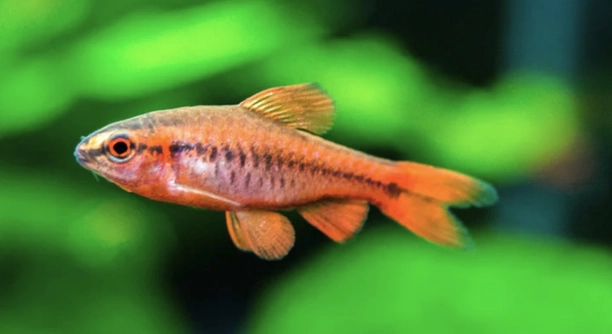
Cherry barbs are small, vibrant fish that are popular in home aquariums. Their unique behaviors and habits make them fascinating to observe. Understanding these habits can help ensure they thrive in their environment.
Healthy cherry barbs display consistent behaviors that are indicators of their well-being. These include swimming in groups, active foraging, and exhibiting calmness when interacting with their tank mates. Consistent, clear coloration and healthy fin movement also signal good health.
By recognizing these habits, you’ll be able to create a thriving environment for your cherry barbs.
Active Swimming Patterns
Cherry barbs are known for their active swimming patterns, especially when they are healthy. They tend to stay in groups, moving fluidly through the water. This active behavior indicates they are comfortable in their environment. If your cherry barbs swim vigorously or chase after food with energy, it’s a good sign that they’re feeling well. Their swimming speed may vary based on the time of day, with bursts of excitement during feeding times.
Maintaining a stable water temperature and clean tank conditions helps support their active nature. If the water quality is poor, their swimming might slow down, or they might appear lethargic.
When cherry barbs are healthy, they swim with purpose, exploring the tank. It’s important to avoid overcrowding in the tank, as this can cause stress, reducing their energy levels and making them less active. Providing a well-planted aquarium allows for safe spaces where they can swim comfortably without feeling threatened.
Consistent Coloration
A healthy cherry barb’s coloration is one of the clearest indicators of its well-being. When they’re thriving, their vibrant red or orange hues are bright and noticeable. If your cherry barbs start to lose their vivid colors, it could signal stress or poor water quality.
The rich coloration also reflects their mood and health. Stress, poor diet, or illness can cause their colors to fade, leading to a dull appearance. Keeping the tank conditions stable and offering a balanced diet will help maintain their vibrant hues.
Foraging and Feeding Habits
Cherry barbs are active foragers, constantly searching for food in the aquarium. They eagerly swim toward food when it’s offered, displaying a healthy appetite. If they are not eating or showing little interest in food, it can be a sign that something is wrong.
Healthy cherry barbs actively hunt for small food particles throughout the tank. A well-balanced diet of high-quality flakes, pellets, and occasional live food will keep them satisfied and energized. They also enjoy nibbling on plants, which is a natural behavior for them. In a tank with live plants, it’s important to have plant species that can withstand nibbling.
If you notice that your cherry barbs are not foraging or eating as much, consider checking the water parameters. Low oxygen levels or imbalanced water conditions can affect their appetite and overall health. Proper feeding, along with optimal water quality, ensures that they thrive and maintain their foraging behavior.
Social Behavior and Group Dynamics
Cherry barbs are social fish that feel more secure in groups. Their natural behavior is to stay close to others, swimming in a school. This social habit helps them feel safe and reduces stress levels. A group of at least five cherry barbs will ensure they display more natural behavior.
When kept alone or in very small groups, cherry barbs may become shy or stressed. This can lead to a decrease in their overall health and energy. A larger group encourages them to interact, creating a more active and vibrant aquarium. Social interactions also help them learn and adapt to their environment.
Providing the right tank environment for these social creatures is essential. With plenty of hiding spots and swimming space, your cherry barbs will exhibit healthy group dynamics. Ensuring a stable and secure environment will keep them calm and promote social behavior, allowing them to thrive together.
Healthy Fin Movement
Cherry barbs show healthy fin movement when swimming. Their fins should be spread out, not clamped to their body. When healthy, they move gracefully through the water with a fluid, balanced motion. If their fins are clamped or look stiff, it can be a sign of illness or stress.
Active, unhindered fin movement shows that the cherry barb is comfortable in its environment. A lack of free movement might indicate issues such as water quality problems or tank overcrowding. Ensuring a proper tank setup and water conditions supports their ability to swim and move their fins freely.
Water Quality Sensitivity
Cherry barbs are sensitive to changes in water quality. Poor water conditions can affect their health quickly. They thrive in stable water parameters, with clean, well-filtered water that is free of toxins. Regular water changes are essential to maintain the right environment for them.
Cherry barbs prefer water with a temperature between 75°F and 79°F (24°C – 26°C). They also need a pH between 6.5 and 7.5. Keeping these levels stable ensures they remain healthy and vibrant. Regular testing of the water quality helps detect issues before they affect the fish.
Tank Environment
The tank environment plays a crucial role in the health of cherry barbs. They prefer aquariums with plenty of hiding spots and plants to swim through. This gives them both safety and comfort, making them feel secure in their space. A well-planted tank will encourage natural behaviors.
The right decorations, like plants and rocks, also provide a peaceful environment. Avoid overcrowding your tank, as this can lead to stress and health issues. A spacious tank with gentle water movement helps cherry barbs thrive. Maintaining the right environment promotes their overall health and happiness.
FAQ
How do I know if my cherry barbs are stressed?
Cherry barbs show signs of stress through changes in their behavior. If they are hiding excessively, not eating, or swimming erratically, they may be stressed. Other signs include dull coloration, clamped fins, or a lack of interaction with tank mates. Stress can be caused by poor water quality, overcrowding, or sudden changes in the tank environment. Addressing these issues promptly can help reduce their stress and improve their well-being.
What should I feed cherry barbs?
Cherry barbs are omnivores, so they need a balanced diet that includes both plant matter and protein. High-quality flakes or pellets are a good base, supplemented with live or frozen foods like brine shrimp, daphnia, or bloodworms. Additionally, they enjoy nibbling on plants, so adding leafy greens like spinach or algae wafers can be a treat. Be sure to feed them small amounts, 2-3 times a day, to prevent overfeeding and maintain water quality.
Can cherry barbs live with other fish?
Yes, cherry barbs are peaceful fish and can live with a variety of other non-aggressive species. They do well with other small fish, such as tetras, rasboras, and corydoras catfish. However, avoid keeping them with large or aggressive fish that may stress or harm them. Cherry barbs prefer being in groups of their own kind, so it’s important to keep at least five to ensure they feel secure and comfortable in the tank.
How often should I change the water for cherry barbs?
To keep cherry barbs healthy, regular water changes are essential. Aim to change 20-30% of the water every week. This helps maintain optimal water conditions, reducing toxins like ammonia and nitrates. If your tank has a high fish load or poor filtration, you may need to change the water more frequently. Always check the water parameters, such as pH, hardness, and temperature, before and after the water change to ensure stability.
What temperature is best for cherry barbs?
Cherry barbs thrive in water temperatures between 75°F and 79°F (24°C – 26°C). Keeping the temperature within this range helps maintain their activity levels and overall health. They are sensitive to sudden temperature changes, so it’s important to use a reliable heater to maintain a stable environment. Be sure to monitor the temperature regularly, especially if your tank is near a window or heat source that could cause fluctuations.
How long do cherry barbs live?
Cherry barbs typically live for 3 to 5 years in an aquarium, though with optimal care, they can live longer. Their lifespan depends on factors like water quality, diet, and tank environment. Ensuring they have a stable, healthy environment will increase their chances of living a long, happy life.
Do cherry barbs need a filter?
Yes, cherry barbs benefit from a well-maintained filter. While they don’t produce as much waste as larger fish, they still need clean, oxygenated water to stay healthy. A good filter will help remove excess nutrients, debris, and waste from the water. It’s important to choose a filter with gentle water flow, as cherry barbs prefer calmer water.
Are cherry barbs easy to care for?
Yes, cherry barbs are relatively easy to care for, making them a great choice for beginners. They are hardy fish that can adapt to a variety of conditions, as long as their basic needs are met. Providing clean water, a balanced diet, and appropriate tank mates will keep them healthy and active. However, they are sensitive to water quality, so regular maintenance is crucial to their care.
Can cherry barbs breed in an aquarium?
Yes, cherry barbs can breed in a well-maintained aquarium. To encourage breeding, provide plenty of hiding places like plants and ensure the water conditions are ideal. Males will display vibrant colors to attract females. After fertilization, the female will lay eggs on plant leaves or tank decorations. Once the eggs hatch, the fry will require special care, such as infusoria or liquid fry food, until they are large enough to eat regular fish food.
What size tank do cherry barbs need?
Cherry barbs do well in tanks that are at least 20 gallons. While they can tolerate smaller tanks, a larger tank provides more swimming space and stability in water quality. It’s important to provide plenty of plants and hiding spots for them to feel secure. A larger tank also allows for a proper group of cherry barbs, which is essential for their well-being.
Why are my cherry barbs losing color?
Loss of color in cherry barbs can indicate stress, illness, or poor water quality. If their vibrant red or orange hues begin to fade, check the water parameters, such as pH, hardness, and ammonia levels. Stressors like overcrowding, aggressive tank mates, or sudden changes in the environment can also cause this issue. In some cases, a poor diet lacking in essential nutrients can also contribute to fading colors.
How do I prevent diseases in cherry barbs?
Preventing disease in cherry barbs involves maintaining excellent water quality, feeding them a balanced diet, and ensuring they are not stressed. Regular water changes, proper filtration, and avoiding overfeeding are essential for keeping the tank clean. Quarantining new fish before introducing them to the main tank can prevent the spread of diseases. Also, avoid overcrowding, as it can lead to a higher risk of illness.
Do cherry barbs like to hide?
Cherry barbs are active and social fish, but they also enjoy having places to hide when they need to feel safe. Providing plenty of plants, caves, and decorations will help them feel secure. When they feel threatened or stressed, they may retreat to these hiding spots. However, they usually return to swimming actively once they feel safe again.
Final Thoughts
Cherry barbs are a wonderful addition to any aquarium, offering both vibrant color and peaceful behavior. With their relatively easy care needs, they are an excellent choice for beginner and experienced fishkeepers alike. By ensuring they have the right water conditions, a proper diet, and a well-maintained tank, you can help them thrive for years to come. It’s important to pay attention to their social nature, as they do best in groups. This not only reduces stress but also brings out their natural beauty and behaviors. A healthy cherry barb is an active, colorful fish that can add energy to your tank.
Taking care of cherry barbs involves a few key factors, such as maintaining stable water quality and providing them with a varied diet. They prefer slightly warmer water temperatures and a neutral pH, and they should be in a tank that is neither too crowded nor too bare. When all of these factors are balanced, cherry barbs will show their best characteristics, swimming gracefully and interacting happily with their tank mates. Regular water changes and a consistent tank environment are vital for keeping them healthy. If these needs are met, your cherry barbs will likely remain vibrant and active for several years.
While cherry barbs are relatively low-maintenance, they still require your attention. Ensuring that they are kept in a peaceful environment, with compatible tank mates and proper care, will prevent many common problems. By observing their behavior and making adjustments when needed, you can enjoy the beauty and charm of cherry barbs in your aquarium. Their small size, ease of care, and sociable nature make them a great choice for anyone looking to add lively, colorful fish to their setup. In short, cherry barbs are hardy fish that can live happy lives when given the proper environment and care.

Hello,
If you enjoy the content that we create, please consider saying a "Thank You!" by leaving a tip.
Every little bit helps us continue crafting quality advice that supports the health, happiness, and well-being of pets around the world, for pets of all shapes, sizes, and species.
We really appreciate the kindness and support that you show us!