
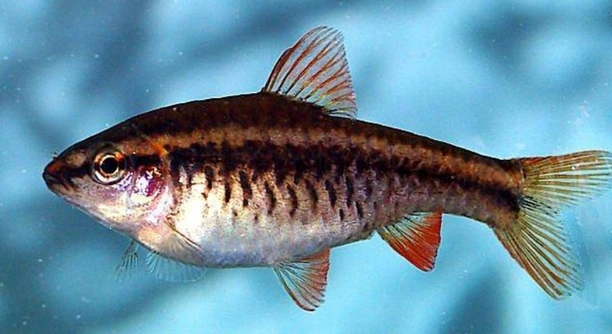
Cherry Barbs are a popular and vibrant fish species loved by many aquarium enthusiasts. However, sometimes they might show odd behavior that can leave owners scratching their heads. It’s helpful to understand these behaviors to keep them healthy and happy.
Cherry Barbs can display unusual behaviors due to various factors such as environmental stress, tank mates, or health issues. It is important to monitor their surroundings closely, as even small changes in their environment can affect their behavior significantly.
By understanding the reasons behind these behaviors, you can ensure that your Cherry Barbs thrive in a balanced and healthy aquarium environment. Let’s take a closer look at some common causes of odd behavior in these fish.
Stress from Water Conditions
Cherry Barbs are quite sensitive to water conditions, and changes in temperature, pH, or hardness can cause them to act strangely. If your fish start hiding more often or swim erratically, the water might not be ideal. Poor water quality leads to stress, and stressed fish are more prone to displaying unusual behavior like swimming in circles or even jumping out of the tank.
If you notice any odd behavior, test the water. A sudden shift in water parameters can quickly overwhelm your Cherry Barbs. Regular water changes and maintaining stable conditions can help avoid this problem. Always check the water before assuming something else is wrong.
Water conditions are one of the most important aspects of keeping fish healthy. Cherry Barbs, like many other fish, thrive in stable environments. If the water’s temperature or pH level fluctuates, they will show signs of distress, such as acting lethargic or swimming toward the surface for air. Inadequate filtration and dirty water can also harm their well-being. Make sure to test the water weekly, ensuring it remains within their preferred range. A sudden change might be a red flag that needs immediate attention to prevent further stress.
Aggression from Tank Mates
Aggressive behavior from other fish can disturb the peaceful nature of Cherry Barbs. They are generally calm but may become anxious if they’re surrounded by more dominant species. You might see them darting around or hiding in corners of the tank as they try to avoid confrontation.
When tank mates are too aggressive, it can disrupt the social harmony of the tank, leading to Cherry Barbs exhibiting defensive behavior. If possible, separate the aggressive fish to prevent further stress. Some species are better suited for peaceful communities than others.
Aggressive fish can cause Cherry Barbs to feel threatened, making them more likely to show odd behaviors. In some cases, Cherry Barbs may become less active, retreating to darker corners of the tank. They might stop eating or start pacing nervously, signaling that they’re trying to avoid being attacked. The stress from aggression can weaken their immune system, making them more vulnerable to illness. If this behavior persists, re-evaluating tank mates and ensuring all species are compatible is essential for maintaining a peaceful environment. Proper tank size and hiding spots can help your Cherry Barbs feel more secure.
Overfeeding
Overfeeding is a common mistake that can lead to strange behaviors in Cherry Barbs. Too much food can cause bloating, and uneaten food can pollute the water, making the tank environment unhealthy. If they start swimming erratically or appear sluggish, it might be due to overfeeding.
If you notice your Cherry Barbs are acting strangely, consider the amount of food you’re giving them. Uneaten food sinks to the bottom, which can deteriorate water quality, stressing the fish. It’s better to offer smaller meals and remove any leftover food after a few minutes to avoid issues.
Overfeeding often leads to gastrointestinal problems for Cherry Barbs, making them feel uncomfortable and sluggish. Fish may swim slower or seem less active after eating too much. Overfed fish are also more prone to illnesses due to poor water quality. It’s crucial to feed them the right amount, ensuring they consume it within a few minutes. Reducing the frequency of feedings can also help improve their behavior. A controlled diet keeps their digestive systems healthy and supports their overall well-being.
Illness or Injury
If Cherry Barbs suddenly change their behavior, an injury or illness might be the cause. They may hide more, swim in strange patterns, or show signs of distress, such as darting to the surface for air. Keep an eye on any unusual marks or swelling.
Injuries can cause them to behave oddly, as they may try to avoid movement or exhibit less activity to prevent pain. If you spot any open wounds or unusual growths, treat them immediately with appropriate medication. A proper diagnosis can help you address the issue before it becomes more serious.
An ill or injured Cherry Barb might isolate itself from the rest of the group. Infected fish may swim erratically, have clamped fins, or appear lethargic. The best course of action is to quarantine the affected fish and treat it with medication. Common illnesses such as fin rot or internal parasites can affect their behavior and may worsen if left untreated. Additionally, maintaining good water conditions will aid in their recovery and prevent the spread of disease to other tank mates. Treating them early increases the chances of a full recovery.
Lack of Hiding Spaces
Cherry Barbs need hiding spots to feel secure. Without them, they may show stress by swimming erratically or hiding in corners. If your tank lacks places for them to retreat to, it could cause your fish to behave oddly.
Adding plants or decorations can help create a more natural environment. Cherry Barbs enjoy having some space where they can retreat when feeling threatened. This will help them feel safe and reduce unusual behavior.
Without hiding places, Cherry Barbs may constantly feel exposed, leading to anxiety and strange behaviors. They may act more aggressively toward tank mates or exhibit lethargy. Providing hiding spaces reduces this stress and helps your fish feel more comfortable, promoting natural behaviors like foraging and socializing. Keep the tank well-decorated to ensure they have enough places to retreat to.
Poor Lighting
Cherry Barbs react to lighting, and improper light levels can cause them to become stressed or restless. If the tank is too bright or too dark, they may swim in circles or hide more than usual. It’s important to balance light levels for their comfort.
Try to use soft, natural lighting that mimics their natural habitat. Bright lights or sudden changes in lighting can disorient them. Ensuring a day/night cycle with consistent lighting will also help regulate their behavior.
Cherry Barbs feel most at ease with moderate lighting, similar to the conditions they experience in the wild. Too much light can make them feel exposed, while too little can leave them feeling insecure. A well-lit aquarium with a regular light cycle will make them feel more comfortable. You can use a timer to ensure they get the right amount of light each day, helping them maintain a healthy routine. This simple adjustment can go a long way in reducing stress and promoting normal behavior.
Tank Overcrowding
Overcrowding a tank can lead to odd behavior in Cherry Barbs. With too many fish in a small space, the Cherry Barbs may feel stressed and compete for resources. This can cause them to act aggressively or become overly shy.
FAQ
Why are my Cherry Barbs swimming in circles?
Swimming in circles can be a sign of stress or discomfort in Cherry Barbs. This behavior can occur due to poor water quality, changes in water parameters, or tank overcrowding. If the water temperature or pH is off, your fish may start swimming aimlessly. To resolve this, check your water parameters regularly and ensure the tank is properly filtered and maintained. Make sure there are enough hiding spaces and that your Cherry Barbs aren’t being bullied by other tank mates. Stress from tankmates, like aggressive fish, can also trigger this odd swimming pattern.
Are Cherry Barbs prone to illness?
Like most fish, Cherry Barbs are susceptible to a range of illnesses, particularly if their environment isn’t ideal. Common health issues for them include fin rot, ich, and internal parasites. Maintaining stable water conditions, providing a balanced diet, and avoiding overcrowding can help keep them healthy. If you notice unusual behaviors like lethargy, loss of appetite, or unusual spots on their bodies, it’s best to isolate the affected fish and treat them with the appropriate medication. Regular water changes and good tank hygiene can also prevent many common fish diseases.
Why is my Cherry Barb hiding all the time?
Hiding is often a sign of stress, fear, or illness in Cherry Barbs. If your fish are constantly hiding, it could be due to aggressive tank mates, poor water conditions, or even overfeeding. Fish that feel threatened might retreat to the darkest corners of the tank. Check for any aggressive fish and consider adjusting your tank’s lighting, as harsh or too bright lighting can cause them to seek refuge. Ensure the water quality is optimal and make sure there are plenty of plants or decorations that offer them security without feeling cornered.
How do I know if my Cherry Barb is stressed?
Cherry Barbs exhibit several signs when they’re stressed. These include erratic swimming, clamped fins, hiding frequently, loss of appetite, and unusual aggression. If your Cherry Barb is constantly darting around or staying at the surface for extended periods, it might be stressed due to poor water conditions, tankmates, or overcrowding. Stress also weakens their immune system, making them more vulnerable to diseases. Try to identify the source of stress, whether it’s tank mates, water quality, or lighting, and make the necessary adjustments to improve their well-being.
What is the ideal tank size for Cherry Barbs?
The ideal tank size for Cherry Barbs is at least 20 gallons. This allows them enough space to swim freely and reduces the chance of overcrowding, which can lead to stress and odd behavior. The more space they have, the more likely they are to display natural behaviors and thrive. Keep in mind that Cherry Barbs are social fish and do best in groups of at least 5-6 individuals. If your tank is smaller than this, the fish may feel cramped, and that can lead to aggressive or stressed behavior. Providing a spacious tank also gives you the opportunity to add plants and decorations, creating a more comfortable environment.
Why are my Cherry Barbs swimming at the top of the tank?
Cherry Barbs swimming at the top of the tank might be searching for oxygen or reacting to poor water quality. If there’s a lack of oxygen in the water due to high temperatures, poor circulation, or overcrowding, fish will swim near the surface where the oxygen is more concentrated. Another reason for this behavior could be water pollution or high levels of ammonia or nitrates. Check the water parameters and consider increasing surface agitation with an air stone or a better filtration system. If the behavior persists, consider testing for ammonia or nitrite spikes, which can be harmful to your fish.
Can Cherry Barbs live with other fish?
Yes, Cherry Barbs are generally peaceful fish that get along well with many other species, especially in a community tank. However, they should be kept with similar-sized, non-aggressive fish. Larger or more aggressive fish can stress or even harm them. Cherry Barbs do well with peaceful species like tetras, guppies, and other small community fish. However, avoid keeping them with fin-nipping fish or overly territorial species, as these can cause stress or force them to act defensively. It’s always a good idea to research your tankmates’ compatibility before introducing them into your Cherry Barb tank.
How often should I feed my Cherry Barbs?
Cherry Barbs should be fed small amounts of food 2-3 times a day. Overfeeding can cause water quality issues and lead to bloating, making your fish feel uncomfortable. Offer only what your fish can consume in a few minutes to avoid uneaten food lingering in the tank. A varied diet of high-quality flakes, pellets, and occasional live or frozen foods will keep them healthy. Be sure to remove any leftover food to maintain water quality and prevent it from decomposing in the tank. Regular feeding at consistent times will also help keep your fish in good health.
What do I do if my Cherry Barbs are fighting?
While Cherry Barbs are generally peaceful, they may display aggressive behavior if they’re stressed or crowded. If you notice fighting, consider whether the tank is overcrowded or if there’s an issue with their tankmates. Adding more hiding spots or rearranging decorations can reduce territorial disputes. In some cases, separating aggressive individuals can help maintain peace. If aggression is caused by overcrowding, you may need to upgrade to a larger tank or reduce the number of fish. Additionally, make sure all fish in the tank are compatible and that they’re not competing for the same food source.
Final Thoughts
Cherry Barbs are beautiful and generally peaceful fish that make great additions to a community tank. However, like any other pet, they require careful attention to their environment and needs. Their behavior can sometimes be puzzling, but understanding the reasons behind it can help you keep them happy and healthy. Whether it’s a change in water conditions, stress from tankmates, or even overfeeding, recognizing the causes of their odd behavior can lead to solutions that will improve their overall well-being.
To ensure your Cherry Barbs thrive, it’s important to provide them with a stable environment. Regular water changes, proper filtration, and testing the water quality are key steps in maintaining a healthy tank. Keep an eye on their behavior, as sudden changes can signal a problem. If you notice unusual swimming patterns or lack of appetite, it’s always worth checking the water conditions and tank setup. Additionally, make sure to provide enough hiding places for them to retreat when feeling stressed. A well-decorated tank with plants, rocks, or caves will help them feel secure and reduce unnecessary anxiety.
Ultimately, the best way to care for your Cherry Barbs is by staying observant and proactive. They are resilient fish but need the right environment to avoid stress and health problems. By keeping their tank clean, offering proper food, and ensuring compatible tankmates, you will create a happy, thriving environment for your Cherry Barbs. With attention to detail and a little effort, you can enjoy watching these vibrant fish display their natural beauty and behavior for years to come.

Hello,
If you enjoy the content that we create, please consider saying a "Thank You!" by leaving a tip.
Every little bit helps us continue crafting quality advice that supports the health, happiness, and well-being of pets around the world, for pets of all shapes, sizes, and species.
We really appreciate the kindness and support that you show us!