
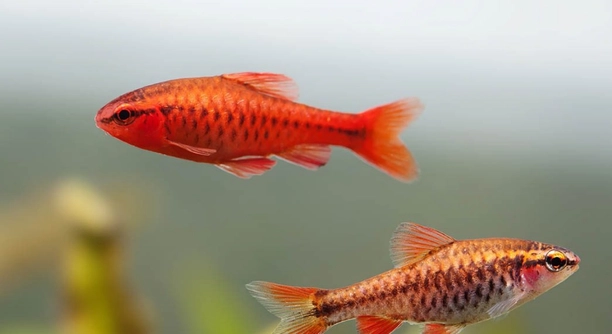
Do you ever find yourself admiring cherry barbs in the store but notice yours at home look a little dull in comparison?
The best way to boost cherry barb color is by providing a high-quality diet, clean water, and low-stress tank conditions. These factors work together to support natural pigmentation and overall fish health.
Proper care and the right environment can bring out their natural beauty and keep them vibrant for years to come.
Feed Them Color-Enhancing Foods
One of the most effective ways to improve cherry barb coloration is by feeding them a diet rich in carotenoids. These are natural pigments found in foods like spirulina, brine shrimp, daphnia, and certain types of algae. Color-enhancing flakes and pellets formulated for tropical fish can also help. A varied diet not only supports vibrant coloring but also boosts overall health. Make sure to feed small amounts once or twice a day and remove any uneaten food to keep the water clean. Avoid feeding only dry food—mix it up with frozen or live options when you can. This variety supports digestion and ensures a balanced intake of nutrients. Always check ingredient labels to avoid fillers or artificial dyes, which may not benefit your fish. With consistent feeding of quality food, you may start to notice richer reds and brighter tones developing over time. Patience is key, but it pays off.
A good mix of natural food sources helps bring out the best colors in your cherry barbs.
Offering spirulina-rich flakes in combination with live daphnia or frozen bloodworms can make a big difference in how your cherry barbs look. Stick to foods with natural ingredients and avoid overfeeding. Feeding properly supports both color and long-term health.
Keep Stress Levels Low
Cherry barbs lose color when stressed, so keeping their tank environment stable is essential. Stressors include sudden temperature changes, poor water quality, aggressive tank mates, and overcrowding.
To reduce stress, start by checking water parameters regularly—ammonia and nitrite should be at zero, with nitrate kept low. Maintain a steady temperature between 74–78°F and do weekly water changes of 20–30%. Use a gentle filter that doesn’t create too much current, as cherry barbs prefer calmer waters. Make sure the tank is large enough for a small group—cherry barbs are schooling fish and need space to swim. Keep them in groups of at least six to help them feel secure. Add live plants or decor to offer hiding spots and reduce tension. If your fish are housed with more aggressive species, consider moving them to a peaceful community tank. Reducing stress not only improves color but also supports a longer, healthier life.
Maintain Clean and Stable Water
Clean water is one of the most important parts of keeping your cherry barbs looking their best. Dirty or unstable water can dull their color and cause health problems that make them less active or vibrant.
Use a reliable test kit to check ammonia, nitrite, and nitrate levels weekly. Ammonia and nitrite should always be at zero, while nitrate should stay under 40 ppm. A regular water change schedule helps keep things in check—aim for 25% once a week. Avoid sudden temperature swings by using a heater and placing the tank away from windows or vents. Consistent water temperature and pH will help your fish feel secure. Use a water conditioner to remove chlorine and other harmful substances from tap water. Staying on top of water quality may not seem exciting, but it really makes a difference in how your fish look and behave.
Stable water conditions support healthy coloring over time. Cherry barbs need time to adjust to changes, so avoid big shifts. When adding new water, make sure it matches the tank’s current temperature and pH as closely as possible. Always clean filters carefully—don’t rinse with tap water, as that can kill helpful bacteria. Good maintenance keeps the whole tank balanced and calm.
Provide a Dark Substrate and Background
Dark gravel or sand helps your cherry barbs display deeper, more vibrant reds. Lighter substrates tend to wash out their color and make them look pale or stressed.
Choose a dark background too—it makes a big difference in how the fish appear. This simple change reduces glare and reflections, which can startle your fish or make them uneasy. Dark surroundings also mimic the natural rivers and streams where cherry barbs are found. You don’t need anything fancy—plain black or deep blue will do. A darker setup doesn’t just look better; it can actually influence how confident your fish feel, and confident fish show off better colors. Over time, a calm and visually comfortable space leads to bolder behavior and richer pigmentation. Combined with good lighting and care, the right tank setup adds a lot to their appearance.
Use Proper Lighting
Soft, full-spectrum lighting helps show off the natural red tones in cherry barbs without overwhelming them. Avoid lights that are too harsh or too dim, as this can stress the fish and affect their color.
Keep the light on for 8–10 hours a day using a timer. Consistent lighting helps regulate their daily rhythm, which supports health and color. Avoid placing the tank in direct sunlight to prevent algae and overheating.
Add Live Plants
Live plants create a peaceful and natural-looking space, which helps cherry barbs feel more secure. When fish feel safe, their color naturally becomes brighter. Plants like java fern, anubias, and hornwort are easy to care for and offer plenty of cover. They also help maintain better water quality by absorbing excess nutrients and producing oxygen. A planted tank reduces stress, gives the fish hiding places, and encourages natural behavior. Healthy fish that live in a calm, stable space are more likely to show off their brightest shades. Keeping live plants in your tank is one of the easiest ways to support both health and beauty.
Keep Them in Groups
Cherry barbs are social fish that need the company of their own kind. Keeping them in small groups helps them feel safe, reduces stress, and brings out better color and livelier behavior.
FAQ
How long does it take for cherry barbs to show brighter color after changes are made?
It usually takes a few weeks to start seeing noticeable changes. After switching to a better diet and improving the tank setup, their color may begin to deepen gradually. It depends on the fish’s age, health, and how consistent you are with care. Younger cherry barbs often show color changes faster, especially if they’re growing. Patience is key, and small improvements often add up over time. If your fish are stressed or recovering from illness, it might take a bit longer. Just stay consistent and give them time to settle and thrive.
Do male cherry barbs have brighter colors than females?
Yes, male cherry barbs are naturally more colorful than females. Males have a rich red tone that becomes more intense during breeding periods. Females are more muted, often showing a yellow-brown or pale red color. This is completely normal and not a sign of poor health. If your males seem dull, it may be due to stress or poor water quality. Ensuring good tank conditions and a healthy diet helps both sexes look their best, even if the color intensity is different.
Can overfeeding cause color loss in cherry barbs?
Yes, overfeeding can affect both health and color. Too much food can pollute the water, causing stress and dullness in color. It can also lead to bloating and digestive issues. Feed only what they can eat in about 2 minutes and remove leftovers right after. Stick to one or two small feedings a day. Good nutrition in the right amounts helps support vibrant color and keeps the water clean, which is just as important.
Will changing the substrate really make a difference?
Yes, it can. Cherry barbs often look more colorful against darker substrates because light colors tend to wash them out. It also helps reduce reflections and creates a more calming space for them. This leads to less stress, more confidence, and better coloration overall. It’s a simple fix that works well when paired with other improvements like better lighting and water quality.
Is it okay to keep cherry barbs with other species?
Yes, but it depends on the species. Cherry barbs are peaceful and do best with calm, non-aggressive fish. Avoid housing them with fin-nippers or large, pushy tank mates. Good companions include harlequin rasboras, corydoras, or small tetras. Always watch for signs of stress or hiding. If cherry barbs are being bullied, they won’t show their best colors and may become sick. Keeping the tank calm and well-stocked with hiding places helps mixed-species tanks work better.
Do cherry barbs lose color when they’re sick?
Yes, sickness can definitely cause color loss. If your cherry barb looks pale and inactive, check for other symptoms like clamped fins, spots, or rapid breathing. Color fading is often one of the first signs something is wrong. Quarantine sick fish and test water conditions right away. Treat with care, and they can often recover and regain their brightness. Good tank hygiene and early detection make a big difference in recovery.
How important is group size for cherry barb color?
It’s very important. Cherry barbs are schooling fish, and they feel more confident in groups of at least six. When kept alone or in pairs, they may hide more and lose color due to stress. In groups, they swim actively, show off, and interact more naturally. Group dynamics actually encourage males to display brighter colors, especially during mild competition for attention. If your cherry barbs seem shy or dull, try increasing the group size—it often helps a lot.
Final Thoughts
Taking care of cherry barbs does not have to be complicated. With the right setup and a bit of attention, their natural color can really shine through. A good diet, clean water, and a calm tank environment are the main things they need. Simple changes, like switching to darker gravel or adding a few live plants, can have a big effect over time. Watching them become more active and colorful is a clear sign that they are doing well. They may be small fish, but with the right care, they can become some of the most eye-catching in your tank.
It’s also important to remember that changes take time. If your cherry barbs look dull, don’t worry right away. Stress, poor water quality, or even being kept alone can all make them lose their color. But these things can be fixed. Most of the steps that help boost color are also good for overall health. Clean water and a steady tank routine go a long way. Feeding them a mix of color-enhancing foods and keeping them in a group helps too. Stick with it, and you’ll likely see improvement week by week.
In the end, boosting your cherry barbs’ color is really about giving them the best care possible. The red tones you see are often a direct reflection of how healthy and comfortable they feel in their space. It’s not about doing everything perfectly—it’s about being consistent. Little habits, like checking water quality or feeding them the right food, can make a big difference. When their needs are met, they show it in their color, behavior, and overall energy. So if you’re seeing faded colors now, don’t get discouraged. With steady care and a few small changes, your cherry barbs can become brighter and healthier than ever.

Hello,
If you enjoy the content that we create, please consider saying a "Thank You!" by leaving a tip.
Every little bit helps us continue crafting quality advice that supports the health, happiness, and well-being of pets around the world, for pets of all shapes, sizes, and species.
We really appreciate the kindness and support that you show us!