
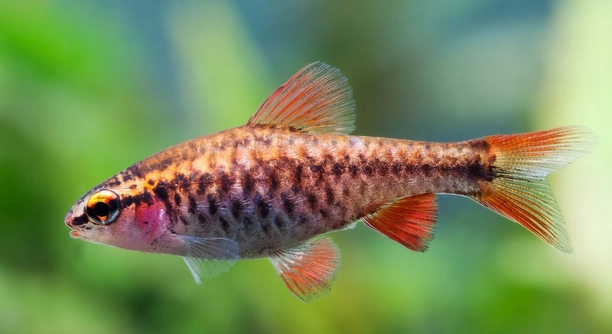
Cherry Barbs are small, colorful fish that many aquarists love to keep. However, if you’ve noticed them floating at the bottom of the tank, you might be concerned about their health and behavior.
If Cherry Barbs float at the bottom of the tank, it could be due to water quality issues, stress, or illness. These factors can lead to lethargy or changes in swimming patterns, causing them to remain near the substrate.
Understanding the underlying causes of this behavior will help you provide a better environment for your Cherry Barbs and avoid further complications.
Why Cherry Barbs Might Float at the Bottom
Cherry Barbs are usually active swimmers, often seen darting around the tank. However, if they start floating at the bottom, it can be concerning. The first thing to consider is water quality. Poor water conditions can lead to stress or discomfort, causing the fish to rest at the bottom rather than swim around. If the water has high levels of ammonia, nitrites, or low oxygen, it can severely affect the health of your Cherry Barbs. Regular water testing is essential to ensure your fish are comfortable.
Tank stress can also impact your Cherry Barbs. These fish tend to thrive in calm, peaceful environments. If there are aggressive tankmates or too much movement, the fish may retreat to the bottom. They may seek refuge in a corner or near decorations to avoid confrontation. Stress affects their behavior, making them less active.
Finally, Cherry Barbs may float at the bottom if they are unwell. They could be dealing with a bacterial infection or internal parasites. If you suspect this, it’s essential to closely monitor your fish for other symptoms, such as changes in color or appetite.
How Water Quality Affects Your Cherry Barbs
Poor water quality often leads to lethargy in fish, and Cherry Barbs are no exception. Ensure your tank’s water is properly filtered and regularly tested.
Water changes and proper filtration are key in maintaining good water quality. If ammonia levels rise or there are high nitrites, your Cherry Barbs could suffer. Fish can’t breathe properly in poor water conditions, which can cause them to float at the bottom. This behavior might be an indication that the water is not safe for them. Regular water testing helps spot problems before they get too severe.
Having a filtration system in place that works for the size of your tank is crucial. Make sure your filter is running well and cleaning the water regularly. Also, avoid overfeeding as it can cause water quality issues, leading to waste buildup. Your Cherry Barbs will feel healthier and more active in a stable, clean environment.
Stress and Cherry Barbs’ Behavior
Stress plays a big role in your Cherry Barbs’ behavior, and it can often lead to them floating at the bottom. These fish are peaceful by nature and prefer calm, low-stress environments. If the tank is overcrowded or the water conditions aren’t optimal, they might feel threatened and retreat to the bottom to avoid interaction.
Aggressive tankmates can cause Cherry Barbs to act out of character. Fish like bettas, cichlids, or other territorial species might chase or nip at them, causing stress. Stress often leads to lethargy and swimming difficulties. If your Cherry Barbs are showing signs of stress, it’s important to assess the tank’s social structure and overall environment.
Another factor to consider is water temperature. If the temperature is too high or low, Cherry Barbs may become sluggish and seek cooler or warmer spots at the bottom. Finding the right balance in your tank’s ecosystem is crucial to their health.
Illnesses That Can Cause Floating at the Bottom
Several illnesses can cause your Cherry Barbs to float at the bottom. Internal parasites or bacterial infections often affect their ability to swim. These illnesses can lead to lethargy, loss of appetite, and unusual swimming patterns. If your Cherry Barbs are constantly at the bottom, they may need medical attention.
Parasites like fish flukes or internal worms may cause Cherry Barbs to behave abnormally. Bacterial infections can also lead to weakened muscles and sluggish movements. If you notice any discoloration, swelling, or abnormal behavior, it’s important to treat the illness immediately. A proper diagnosis is key to choosing the right medication.
If an illness is suspected, isolate the sick fish in a quarantine tank. This helps prevent the spread of the disease to healthy fish. Treating the illness with the correct medication and improving water quality can help your Cherry Barbs recover faster.
Improving Water Quality for Cherry Barbs
Proper filtration and regular water changes are vital to maintaining good water quality. Cherry Barbs are sensitive to changes in their environment, and poor water conditions can make them lethargic and cause them to float at the bottom.
Make sure the filtration system is appropriate for the size of your tank. A filter that’s too weak won’t be able to remove harmful substances like ammonia and nitrites. Additionally, avoid overfeeding your fish, as leftover food can degrade water quality. A good routine of water changes—about 25% per week—helps maintain a stable environment for your fish.
You can also add live plants to your tank to improve water quality. Plants absorb excess nutrients and can help keep the water cleaner. Having a balanced ecosystem with the right water parameters can prevent your Cherry Barbs from becoming stressed or ill, promoting a healthier and more active life.
Feeding Habits and Floating Behavior
Overfeeding is a common issue that can affect the health of Cherry Barbs. Excess food in the tank leads to poor water quality, which can cause them to become sluggish. It can also lead to digestive issues that contribute to floating at the bottom.
Feeding your Cherry Barbs the right amount is crucial. Stick to small portions that they can consume within a few minutes. Remove any uneaten food promptly to prevent it from decomposing in the tank. This simple adjustment can improve water quality and help your fish stay more active.
Tankmates and Floating Behavior
Aggressive or territorial tankmates can cause Cherry Barbs to feel stressed and retreat to the bottom of the tank. Fish like bettas or cichlids may harass the Barbs, leading to lethargy and unusual behavior.
It’s important to choose peaceful tankmates for Cherry Barbs. Avoid placing them with overly aggressive fish that may chase or nip at them. Keeping the tank’s social environment calm will allow your Cherry Barbs to swim freely and thrive. When they feel safe, they’re much more likely to stay active in the middle of the tank.
Temperature and Cherry Barbs’ Health
Incorrect water temperature can lead to lethargy and floating behavior in Cherry Barbs. These fish prefer a stable environment between 72°F and 80°F. If the temperature is too high or low, they may become sluggish and spend time at the bottom.
Maintaining the right temperature range helps keep your Cherry Barbs comfortable. Use a reliable aquarium heater and thermometer to monitor the water temperature. A consistent temperature will support their health and activity levels, preventing them from becoming stressed or inactive.
FAQ
Why do Cherry Barbs float at the bottom of the tank?
Cherry Barbs may float at the bottom due to a number of reasons. Poor water quality is one of the most common causes, as high levels of ammonia, nitrites, or low oxygen can cause the fish to feel weak or stressed. Stress from aggressive tankmates or environmental changes can also result in them seeking shelter at the bottom. Lastly, illness, such as internal parasites or bacterial infections, can make the fish lethargic and cause them to float.
How can I tell if my Cherry Barbs are stressed?
Stressed Cherry Barbs may show signs like staying near the bottom, hiding, or swimming in an erratic pattern. They might also lose their bright colors and become dull. If your fish appear agitated or overly skittish, or if they constantly try to hide, these could all be signs of stress. Providing a calm, peaceful environment with appropriate tankmates can help reduce stress.
Can poor water quality cause Cherry Barbs to stay at the bottom?
Yes, poor water quality is one of the main reasons Cherry Barbs might float at the bottom. High levels of ammonia and nitrites or improper pH levels can cause serious health issues for your fish. A weak filtration system or lack of water changes can lead to these problems, making the fish feel uncomfortable. Regular water testing and maintenance are important to keep the water clean and safe.
What should I do if my Cherry Barbs are floating at the bottom?
If your Cherry Barbs are staying at the bottom, first check the water quality. Test for ammonia, nitrites, and pH levels. If any are out of range, perform a water change immediately and fix the filtration system if needed. Ensure the tank is properly heated and has no aggressive tankmates. If the fish still appear unwell, consider isolating them in a quarantine tank for treatment. Seek advice from an aquarium professional if the behavior persists.
How often should I change the water for Cherry Barbs?
Water changes should be done regularly to maintain a clean environment. For Cherry Barbs, changing 20-25% of the water every week is generally recommended. This helps to prevent the buildup of toxins and ensures the water remains fresh. Always use a water conditioner to remove chlorine and chloramine before adding new water.
Are Cherry Barbs sensitive to temperature changes?
Yes, Cherry Barbs are sensitive to temperature fluctuations. They thrive in stable water temperatures between 72°F and 80°F. Sudden drops or increases in temperature can cause stress, making them more likely to stay at the bottom. Using an aquarium heater with a thermometer can help maintain a consistent and comfortable environment for your fish.
Can Cherry Barbs get sick from other fish?
Yes, Cherry Barbs can catch diseases from other fish, especially if they are kept with sick or infected tankmates. Bacterial infections, parasites, and fungal diseases can spread quickly in an aquarium. If you notice any signs of illness in other fish, it’s important to isolate the infected ones and treat them to prevent further spread.
What are common illnesses that affect Cherry Barbs?
Common illnesses in Cherry Barbs include ich (a parasitic infection), fin rot, and dropsy (a bacterial infection that causes swelling). These conditions can cause lethargy, loss of appetite, and abnormal swimming behavior. If you notice any unusual symptoms like white spots, redness, or swelling, it’s important to seek treatment immediately.
Can Cherry Barbs live with other species?
Cherry Barbs are peaceful fish and can live well with other non-aggressive species. They do best in a community tank with fish that have similar temperaments. Avoid keeping them with aggressive fish, such as bettas or large cichlids, as they may cause stress or bullying. Smaller peaceful fish, like tetras or rasboras, make great tankmates.
What should I do if my Cherry Barbs are not eating?
If your Cherry Barbs are not eating, check the water quality first. Poor water conditions can make fish lose their appetite. Also, ensure the food you’re offering is suitable for their diet. Sometimes, changing their food or offering different types of food can stimulate their appetite. If they continue to refuse food, it may indicate illness, and you should isolate the fish and monitor them closely.
Can Cherry Barbs get too much food?
Yes, overfeeding can lead to several issues for Cherry Barbs. Excess food can degrade water quality, leading to higher levels of ammonia and nitrites, which can stress the fish. Overfeeding can also cause digestive problems and make the fish feel sluggish. Feed small portions that your Cherry Barbs can consume in 2-3 minutes and remove any leftover food to keep the water clean.
Are Cherry Barbs social fish?
Cherry Barbs are social fish and thrive in groups. Keeping them in schools of 5 or more will help reduce stress and promote natural behavior. They are peaceful and enjoy the company of their own kind. However, they should be kept with other peaceful species to avoid aggression.
Can Cherry Barbs float at the bottom after being moved to a new tank?
Yes, Cherry Barbs may float at the bottom after being moved to a new tank. The stress from the new environment, changes in water conditions, or new tankmates can cause them to become lethargic. Ensure that the water parameters in the new tank match their previous conditions and give them time to acclimate. If the problem persists, check the water quality and ensure the fish aren’t suffering from an illness.
How do I know if my Cherry Barbs are happy?
Happy Cherry Barbs are active and swim around the tank without staying at the bottom. They will interact with each other and display their vibrant colors. Healthy Cherry Barbs also enjoy exploring the tank, hiding in plants or decorations when needed, and will actively search for food during feeding time.
Can poor tank filtration cause Cherry Barbs to float at the bottom?
Yes, poor filtration can lead to dirty water, which can affect the health of your Cherry Barbs. A weak filter might not remove enough debris or harmful toxins, causing the water quality to decline. This can result in stress or illness, causing the fish to become lethargic and float at the bottom. Ensure your filter is strong enough for the tank size and clean it regularly to maintain good water quality.
How long can Cherry Barbs live in a tank with poor water conditions?
Cherry Barbs can survive in poor water conditions for a limited time, but they will eventually become stressed, ill, or die if the water quality isn’t improved. Keeping the water clean and stable is essential for their long-term health. If you notice any signs of distress, address water quality issues immediately to prevent further harm to your fish.
Should I quarantine a sick Cherry Barb?
Yes, quarantining a sick Cherry Barb is a good practice. If you notice signs of illness, isolate the affected fish in a separate tank to prevent the spread of disease. This also allows you to treat the sick fish without affecting the rest of the aquarium’s inhabitants.
Final Thoughts
Cherry Barbs are generally hardy fish, but they can be sensitive to changes in their environment. When they start floating at the bottom of the tank, it’s important to first consider the water quality, as this is often the primary cause of such behavior. Poor water conditions, including high levels of ammonia, nitrites, or improper pH, can make your Cherry Barbs feel stressed and weak, causing them to rest at the bottom rather than swim actively. Regular water changes, proper filtration, and testing can go a long way in preventing these issues. If the water quality is poor, performing a water change and adjusting the filter might be necessary to improve the situation.
Another factor that can contribute to Cherry Barbs floating at the bottom is stress from aggressive tankmates. These fish are peaceful and do best in a calm environment. If they are kept with aggressive species or placed in an overcrowded tank, they may feel threatened and retreat to the bottom to avoid conflict. It’s important to choose tankmates that are peaceful and allow your Cherry Barbs to feel safe. In some cases, stress can be the primary cause of lethargy and bottom-dwelling behavior. Monitoring the behavior of your fish and the dynamics within the tank can help you identify and address any potential stressors.
If your Cherry Barbs continue to float at the bottom despite addressing water quality and stress, illness might be the issue. Diseases like internal parasites or bacterial infections can cause lethargy and unusual swimming patterns. If you suspect an illness, it’s essential to isolate the sick fish in a quarantine tank and provide appropriate treatment. By keeping a close eye on their health and addressing any changes promptly, you can help your Cherry Barbs recover and return to their active, colorful selves. Remember, a well-maintained tank, a peaceful environment, and quick action when necessary are key to ensuring the well-being of your Cherry Barbs.

Hello,
If you enjoy the content that we create, please consider saying a "Thank You!" by leaving a tip.
Every little bit helps us continue crafting quality advice that supports the health, happiness, and well-being of pets around the world, for pets of all shapes, sizes, and species.
We really appreciate the kindness and support that you show us!