
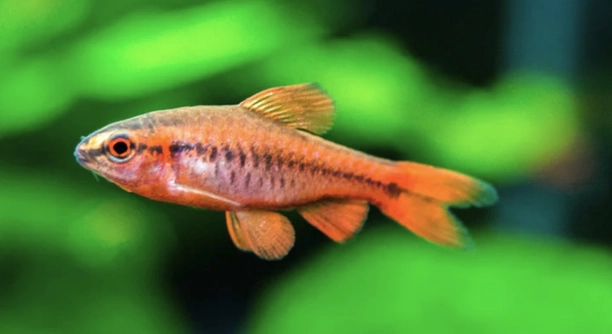
Cherry barbs are colorful, peaceful fish that can be a great addition to a home aquarium. Before deciding if they’re right for you, there are several important aspects to consider. These factors will ensure they thrive in your tank.
Before getting cherry barbs, it is essential to assess the size of your aquarium, water parameters, and whether you have other compatible fish. These factors ensure the well-being of the cherry barbs and the overall harmony of your tank.
Knowing the key factors can help you create a healthy environment for your cherry barbs. This will contribute to their happiness and longevity in your aquarium.
Size of Your Aquarium
When considering cherry barbs, it’s important to think about the size of your aquarium. These fish are small, but they still need plenty of space to swim around comfortably. A minimum tank size of 20 gallons is recommended to keep a small group of cherry barbs. If your tank is too small, it can lead to stress and health issues. Stress is one of the leading causes of illness in fish, and a cramped environment will only add to this. Cherry barbs are peaceful but still need room to move and display their natural behavior.
If you have a tank smaller than 20 gallons, you might want to rethink keeping cherry barbs. They thrive in spacious tanks where they can live comfortably with other species. A bigger tank not only benefits them but also makes it easier to maintain water quality and overall tank health.
The size of the tank you choose will also affect the water conditions and the number of fish you can keep. Cherry barbs, when kept in the right space, will flourish and show their full potential. They’ll be active, healthy, and a delightful addition to your aquarium.
Water Parameters
Cherry barbs are relatively hardy when it comes to water conditions, but they do have preferences. They thrive in water that’s slightly acidic to neutral, with a pH range of 6.0 to 7.5. Temperature is another important factor, and cherry barbs do best in water that’s between 72°F and 79°F (22°C to 26°C). Keeping the water within these parameters will prevent stress and help your fish stay healthy.
If your aquarium’s water parameters are inconsistent, it could affect the cherry barbs’ well-being. Regularly check the pH and temperature to maintain a stable environment. A simple aquarium test kit can help ensure everything stays in balance.
Stability is key to keeping cherry barbs healthy. By providing them with their ideal water conditions, you’ll promote their growth and longevity. A well-maintained tank will also reduce the risk of diseases and keep your cherry barbs active and vibrant.
Compatibility with Other Fish
Cherry barbs are peaceful fish, making them ideal for community tanks. They generally do well with other non-aggressive species like tetras, rasboras, and guppies. However, they should be kept away from fin-nipping species or overly aggressive fish. Cherry barbs can become stressed when housed with more dominant or territorial fish, which may lead to health problems.
While cherry barbs are peaceful, they thrive best in a tank with other peaceful fish that don’t compete for food or territory. They do well in schools, which makes them feel secure and less stressed. Keeping them in groups of at least 5 to 6 will encourage natural behavior and allow them to swim freely.
They also enjoy having plants and hiding spots to explore. When paired with calm, similar-sized fish, cherry barbs can live harmoniously. Avoid overcrowding or placing incompatible species in the tank, as this could lead to aggression and stress for all inhabitants.
Feeding Cherry Barbs
Cherry barbs are not picky eaters. They will accept a variety of foods, including flakes, pellets, and live or frozen foods such as brine shrimp. It’s important to provide a balanced diet that includes both plant-based and protein-based foods. This ensures that they get the nutrients they need to stay healthy.
Overfeeding is a common mistake when it comes to feeding cherry barbs. While they’re not known for being overeaters, excess food in the tank can quickly lead to water quality problems. It’s best to feed them small amounts twice a day and remove any uneaten food after a few minutes.
Variety is key. By alternating between dry food, live food, and frozen treats, you can keep them happy and healthy. Keep an eye on their feeding habits to ensure they’re not becoming too dependent on one type of food.
Tank Maintenance
Maintaining a clean tank is essential for cherry barbs. Regular water changes—about 25% every 1-2 weeks—help keep the water parameters stable. Cleaning the tank and checking equipment ensures the environment remains healthy for all inhabitants. Neglecting tank maintenance can lead to poor water quality, which affects fish health.
Keep an eye on the filtration system. A good filter helps maintain water clarity and removes harmful toxins. However, don’t overdo it with the filter strength; too much current can stress cherry barbs. Regularly check for debris, algae, and leftover food to maintain a balanced ecosystem.
Breeding Cherry Barbs
Breeding cherry barbs is relatively simple, but it requires certain conditions. A separate breeding tank with soft, slightly acidic water is ideal. You should provide plenty of fine-leaf plants or spawning mops for the female to lay eggs. The male will often chase the female, which is part of the breeding behavior.
After breeding, remove the parents, as they may eat the eggs. The eggs hatch in about 24 to 36 hours, and the fry can be fed infusoria or finely crushed flakes. Keeping the water parameters consistent and offering a proper diet is key to successful breeding.
Cherry Barbs Lifespan
Cherry barbs typically live for 3 to 5 years, depending on their environment and care. Providing proper water quality, nutrition, and tank mates can help them live longer, healthier lives. It’s important to monitor their health regularly for signs of stress or disease, which can shorten their lifespan.
FAQ
What size tank do cherry barbs need?
Cherry barbs thrive in tanks that are at least 20 gallons. A tank of this size allows them enough space to swim freely and interact with other peaceful fish. While they are small, they need adequate swimming room to stay healthy. Smaller tanks can lead to overcrowding, stress, and poor water quality, which could affect their health.
Can cherry barbs live with other fish?
Yes, cherry barbs are peaceful and generally do well with other non-aggressive species. They can coexist with tetras, rasboras, and guppies. However, they should be kept away from fin-nipping fish or aggressive species, which may cause stress or injury. Having a variety of peaceful tank mates will create a harmonious environment for the cherry barbs. Always monitor interactions when introducing new fish.
What do cherry barbs eat?
Cherry barbs are omnivores and will accept a wide variety of foods. They can be fed high-quality flake or pellet food, but also enjoy live or frozen options like brine shrimp and daphnia. It’s important to offer a balanced diet that includes both plant-based and protein-based foods. Avoid overfeeding, as excess food can pollute the water and affect their health.
How can I tell if my cherry barb is healthy?
Healthy cherry barbs are active, with vibrant colors and no signs of physical damage. Their fins should be intact, and they should swim smoothly without erratic movements. If your fish becomes lethargic, loses color, or shows signs of bloating or lesions, it could be a sign of illness. In such cases, isolating the sick fish and seeking treatment is crucial.
Do cherry barbs need a filter?
Yes, a good filter is essential for maintaining water quality. Cherry barbs prefer clean water, and a filter helps remove toxins and debris, keeping the tank environment healthy. However, the filter should not create too much current, as strong water flow can stress cherry barbs. A gentle filter that ensures proper water circulation is ideal.
How often should I change the water for cherry barbs?
Water changes should be done every 1-2 weeks, removing about 25% of the water each time. Regular water changes help keep the water parameters stable and remove accumulated waste, which can affect fish health. Always use a water conditioner to remove chlorine and chloramines before adding fresh water to the tank.
Can cherry barbs live with other barbs?
While cherry barbs can live with other types of barbs, it’s essential to choose tank mates wisely. Some barbs, like the tiger barb, are known for being more aggressive and may cause stress or harm to cherry barbs. To ensure compatibility, select peaceful species and monitor their interactions closely.
What temperature is best for cherry barbs?
Cherry barbs do best in temperatures between 72°F and 79°F (22°C to 26°C). Keeping the water within this range promotes their overall health and activity levels. It’s important to avoid sudden temperature changes, as this can cause stress or even lead to illness. Use a reliable heater to maintain a stable temperature.
How can I breed cherry barbs?
To breed cherry barbs, you’ll need a separate breeding tank with soft, slightly acidic water. A temperature of around 75°F (24°C) is ideal. Provide plants or spawning mops where the female can lay eggs. Once the breeding is complete, remove the parents to prevent them from eating the eggs. After about 24-36 hours, the eggs will hatch, and the fry can be fed infusoria or finely crushed flakes.
Why is my cherry barb not eating?
If your cherry barb isn’t eating, it could be stressed, sick, or not comfortable with the water conditions. Ensure the tank is not overcrowded and check the water parameters for any imbalances. If the fish refuses food for several days, it may be a sign of an underlying health issue. Consult with an aquarium professional if necessary.
Do cherry barbs need plants in their tank?
While cherry barbs don’t require plants, having plants in the tank can greatly improve their quality of life. Plants offer hiding spots, help reduce stress, and provide a more natural environment. Additionally, live plants help maintain water quality by absorbing excess nutrients and promoting a healthy ecosystem.
Final Thoughts
Cherry barbs are peaceful and adaptable fish, making them a great choice for a variety of aquarium setups. They are not only beautiful but also easy to care for, which makes them perfect for both beginners and experienced aquarists. With the right environment, they can live healthily and happily for several years. When kept in a well-maintained tank, cherry barbs can thrive, adding vibrant color and lively movement to your aquarium.
To ensure their well-being, it’s important to provide a clean tank with stable water parameters. Regular water changes and proper filtration are key factors in maintaining a healthy environment. As with any fish, it’s crucial to monitor their diet and avoid overfeeding. Cherry barbs are versatile when it comes to food and will eat a variety of flakes, pellets, and live or frozen foods. Keeping their water conditions and diet balanced is essential for their health.
Cherry barbs also do well in community tanks with peaceful species. They are best kept with fish that share similar temperaments and size. Adding plants and hiding spots will help them feel secure and comfortable. By considering their needs and carefully choosing their tank mates, you can create a thriving aquarium that benefits both your cherry barbs and other fish in the tank.

Hello,
If you enjoy the content that we create, please consider saying a "Thank You!" by leaving a tip.
Every little bit helps us continue crafting quality advice that supports the health, happiness, and well-being of pets around the world, for pets of all shapes, sizes, and species.
We really appreciate the kindness and support that you show us!