
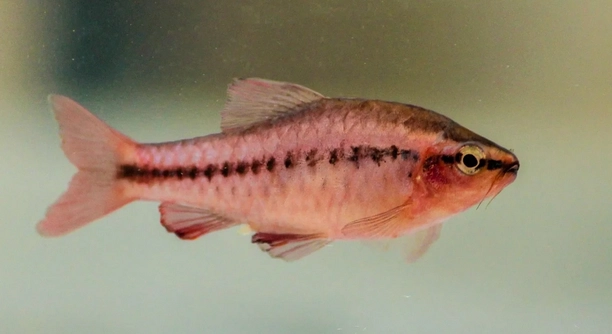
Is your Cherry Barb acting differently or showing signs that something might be wrong? These little fish can be sensitive to changes in their environment, and small symptoms may be the first sign of illness.
Cherry Barbs may become sick due to poor water quality, stress, or nutritional deficiencies. Common signs include clamped fins, loss of color, lethargy, or erratic swimming. Identifying these symptoms early can improve the chances of recovery.
Recognizing these signs can help you take quick action and create a healthier space for your Cherry Barb to thrive.
Clue #1: Loss of Color
Cherry Barbs are known for their vibrant red or orange hues, especially the males. When a Cherry Barb starts to lose its bright color, it’s often an early sign that something is wrong. This can happen due to stress, poor water quality, or a developing illness. Stress can come from sudden changes in the tank like new fish, incorrect water temperature, or even loud noises around the aquarium. Color fading may also happen when the fish is not getting enough proper nutrition. If your Cherry Barb is looking pale or dull, it’s important to check the tank’s environment. Monitor the water parameters and make sure their food includes the right balance of nutrients. Regular water changes and a peaceful tank setup can help them stay healthy. A consistently pale Cherry Barb may need a closer look to rule out any internal issues or infections.
Even if your fish is eating and swimming fine, fading color should not be ignored.
Keeping track of your Cherry Barb’s natural coloring over time helps you spot early changes. A dull or gray appearance may also be linked to parasitic infections or internal problems. If good tank conditions don’t improve their color, it may be time to consult a vet who specializes in fish. Observing how fast the color fades can also give clues. Gradual fading often points to long-term stress or poor diet, while sudden fading might mean illness or toxin exposure. Be sure the tank has hiding spots and low-stress areas, as Cherry Barbs feel safer with places to retreat. Also, make sure they are not being harassed by more aggressive tank mates, which can silently cause constant stress.
Clue #2: Unusual Swimming Behavior
Unusual swimming, like darting or staying in one corner, may be a red flag.
Cherry Barbs usually swim calmly in the middle or lower part of the tank. If they begin to dart around suddenly, swim in circles, float sideways, or stay near the surface, it could mean something is off. One common reason for erratic swimming is poor water quality. Ammonia spikes, low oxygen levels, or sudden changes in pH can cause discomfort or confusion. Another reason might be a parasite or internal issue that is affecting their balance or causing pain. Some fish may also become very still or hide for long periods, especially when stressed or sick. Checking your water regularly is one of the easiest ways to prevent these issues. Also, make sure the tank isn’t overcrowded and that there’s enough space for all fish to swim freely. Watch for other symptoms like clamped fins or loss of appetite alongside strange swimming habits.
Clue #3: Clamped Fins
Clamped fins are when a Cherry Barb keeps its fins tight against its body instead of spreading them naturally. This can be a sign of stress, poor water conditions, or the beginning of an illness.
Clamped fins often appear before other symptoms, so they’re a good early warning sign. If your Cherry Barb is keeping its fins close to its body, check the water temperature, ammonia, nitrite, and nitrate levels right away. Dirty water or inconsistent temperature can make them feel uncomfortable. This physical behavior can also show up when a fish is battling internal parasites or bacterial infections. Sometimes, even a sudden change in lighting or too much noise can cause stress. If only one fish shows this sign, isolate it to prevent possible spread of disease. Keep tank conditions stable and observe closely for other symptoms over the next few days.
Consistently clamped fins might mean there’s something wrong internally that needs more attention. Internal infections can sometimes go unnoticed until more symptoms appear. Along with fin clamping, check if the fish is also losing color, eating less, or hiding more. These additional signs can help identify what might be going on. If multiple fish begin clamping their fins, it usually means something is wrong with the water or environment in general. In such cases, perform a partial water change and test for any imbalances. Make sure your filter is working properly and not clogged. You might also want to check if there’s any leftover food rotting at the bottom of the tank. Poor maintenance can lead to bacterial growth, which can affect fin health.
Clue #4: Loss of Appetite
When a Cherry Barb stops eating, it’s often a sign that something deeper is affecting its health. Even missing one or two meals in a row can be worth paying attention to.
A healthy Cherry Barb is usually quick to eat once food is added to the tank. If yours ignores food or spits it out, you might be dealing with more than just pickiness. Loss of appetite can be linked to stress, infections, poor water quality, or internal parasites. First, test the water to rule out any basic problems. Next, consider offering different foods like frozen or live options, which are more appealing. If there’s still no interest in food, watch closely for other symptoms like clamped fins or odd swimming. A quiet or slow fish that ignores food for more than two days should be separated and monitored. In some cases, treatment may be needed depending on the diagnosis.
Clue #5: Hiding More Than Usual
Cherry Barbs like to explore and swim in groups, so hiding often can be unusual. This behavior may show stress or sickness, especially if they avoid food or stay in one spot for long periods.
If your fish hides all day, check if other tank mates are bullying them. Aggressive behavior from other fish can cause Cherry Barbs to stay out of sight and become withdrawn.
Clue #6: Labored Breathing
Heavy or rapid breathing usually means there’s a problem with the water or the fish’s gills. Poor oxygen levels, ammonia spikes, or parasites can all affect how your Cherry Barb breathes. Watch for gill movement—if it looks like the fish is panting, something may be wrong. Start by checking the water temperature and filter flow. Warmer water holds less oxygen, and a clogged filter can reduce circulation. Adding an air stone may help improve oxygen levels quickly. If water quality seems fine, consider if the fish may have gill parasites or a bacterial infection. Quarantine may be necessary in these cases.
Clue #7: White Spots or Fuzzy Patches
White dots or fuzzy growths often point to common infections like Ich or fungus. These usually spread fast, so quick treatment is important.
FAQ
What should I do first if I think my Cherry Barb is sick?
Start by checking the water parameters. Test for ammonia, nitrite, nitrate, and pH levels. Poor water quality is one of the most common causes of illness. If any numbers are off, do a partial water change and clean the filter if needed. Make sure the water temperature is within a stable range (around 73°F–81°F). If your Cherry Barb is still showing signs of illness, observe its behavior, appetite, and appearance closely. Isolate it in a separate tank if symptoms get worse or if you suspect something contagious.
How can I tell if my Cherry Barb has parasites?
Look for scratching behavior, such as rubbing against objects or the tank walls. Rapid gill movement and white spots on the body can also mean parasites. Some parasites are internal, causing bloating or weight loss despite a normal appetite. If your fish seems restless or is breathing heavily, it may be dealing with gill parasites. In more advanced cases, a microscope or vet diagnosis might be needed. Most external parasites respond well to over-the-counter treatments made for freshwater fish. Always follow dosage instructions carefully.
Is it normal for Cherry Barbs to hide sometimes?
Yes, Cherry Barbs may hide occasionally, especially when they are first introduced to a new tank. However, if the behavior continues for several days or becomes more frequent, it could point to stress or illness. Tank mates, lighting, and lack of hiding spots can also play a role. Make sure they aren’t being bullied or overwhelmed by fast or aggressive fish. Provide plants or decorations they can retreat to, which helps reduce stress. If they hide all day and skip meals, that may be a sign of something more serious.
How can I prevent Cherry Barbs from getting sick in the first place?
Consistent tank maintenance is key. Do regular water changes—about 25% weekly—and avoid overfeeding. Keep water parameters stable and test regularly. Avoid sudden changes in temperature or introducing new fish without quarantine. Feed a balanced diet that includes flakes, frozen, or live foods. Also, limit stress by providing enough space and a peaceful environment. Make sure the filter is running well and oxygen levels are stable. A clean, low-stress tank setup can go a long way in preventing sickness.
What foods help keep Cherry Barbs healthy?
Offer a mix of high-quality flake food, frozen brine shrimp, bloodworms, and even blanched vegetables like zucchini. A varied diet helps support their immune system. Avoid feeding only one type of food every day. Cherry Barbs enjoy small, frequent feedings more than large portions. Remove uneaten food within a few minutes to avoid polluting the water. Rotating their diet every few days can make a big difference in overall health and coloration.
Can Cherry Barb illnesses spread to other fish?
Yes, some illnesses are contagious. If one Cherry Barb is sick, keep a close watch on the others. Many bacterial, fungal, and parasitic infections can pass through water or from direct contact. Quarantine the sick fish if possible to limit exposure. Clean any shared equipment, and avoid cross-contaminating tanks. Even if you’re unsure what the exact illness is, isolation and early treatment can protect the rest of your tank.
How long does it take for a Cherry Barb to recover?
Recovery depends on the illness and how early treatment begins. Mild issues caused by stress or water quality can clear up in a few days once conditions improve. More serious illnesses like Ich or bacterial infections may take a week or more. Always complete the full course of any treatment, even if the fish starts looking better early. Keep the tank calm and clean during recovery to help reduce stress. A stable routine and good nutrition also speed up the healing process.
Do Cherry Barbs need a heater and filter?
Yes, they thrive best in stable temperatures and clean water. A heater helps maintain their preferred range between 73°F and 81°F. Sudden temperature changes can make them sick. A filter keeps the water clean and oxygenated, which is important for their health. Without these, the risk of disease increases.
Final Thoughts
Taking care of Cherry Barbs means paying close attention to small changes. These fish are usually active and colorful, so when something seems different—like hiding, not eating, or looking pale—it’s often a sign that they might be sick. The sooner you notice these signs, the easier it is to help your fish recover. Things like clamped fins, strange swimming, or white spots are not just random changes. They often mean there’s something going on with the water, food, or even the other fish in the tank. That’s why it’s helpful to observe your fish daily, even for just a few minutes.
Clean water and a steady environment go a long way in keeping Cherry Barbs healthy. Test your tank water often to make sure the levels are safe. Perform regular water changes and make sure the filter is working well. Feed a balanced diet and avoid giving the same food all the time. If your fish start acting differently or show signs of illness, act quickly. Even if you’re not sure what the problem is, changing some water and checking conditions can make a big difference. Having a separate small tank for sick fish can also help prevent problems from spreading.
You don’t need to be an expert to care for Cherry Barbs. What matters most is being consistent and watching closely. Many fish illnesses can be treated if they’re caught early. And when in doubt, it’s okay to ask for help from a local fish store or a vet who knows about fish. Cherry Barbs are peaceful and beautiful fish that can live happy, healthy lives with just a bit of care. Keeping their tank clean, their food varied, and their space calm will help them thrive. If you treat these signs seriously and respond early, your Cherry Barbs have a better chance at staying well and active.

Hello,
If you enjoy the content that we create, please consider saying a "Thank You!" by leaving a tip.
Every little bit helps us continue crafting quality advice that supports the health, happiness, and well-being of pets around the world, for pets of all shapes, sizes, and species.
We really appreciate the kindness and support that you show us!