
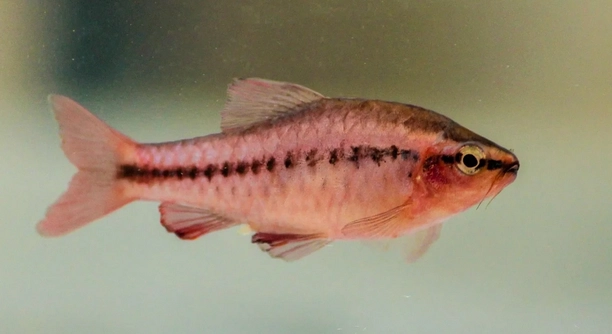
Cherry barbs are peaceful and resilient fish, but there are certain things that can cause them fear and stress. Understanding what might scare them can help ensure they stay healthy and happy in your aquarium.
Cherry barbs can be frightened by sudden changes in water conditions, overcrowding, aggressive tankmates, and high noise levels. They may also be stressed by bright lighting or unfamiliar objects in their environment. These factors can negatively impact their well-being.
Knowing what causes anxiety in cherry barbs can help you create a calm and safe environment for them.
Sudden Changes in Water Conditions
Cherry barbs thrive in stable water conditions. A sudden change in temperature, pH, or water hardness can cause stress and make them fearful. They are sensitive to fluctuations, and even slight shifts can lead to illness or death. Consistency is key to maintaining a healthy aquarium environment for these fish. It is essential to keep the water parameters within the ideal range and monitor them regularly. Water temperature should be maintained around 75–80°F (24–27°C), and the pH should be kept between 6.0 and 7.5. If you need to make adjustments, do so gradually to avoid overwhelming your cherry barbs.
While cherry barbs are adaptable, extreme changes can be too much for them to handle. Always take precautions to avoid sharp transitions that can disrupt their delicate balance.
Stable water conditions are crucial for cherry barbs. They depend on consistency for survival, and any sudden disturbance can lead to physical stress and even cause them to stop eating or become lethargic. Monitoring and controlling their environment will help reduce unnecessary stress.
Overcrowding in the Aquarium
Cherry barbs are small fish, and they do best in groups of 5 or more. However, overcrowding can trigger fear and stress. A tank that is too crowded doesn’t give them enough space to swim or find shelter when needed. This causes them to feel vulnerable and anxious. Maintaining a proper balance between fish and tank size is essential for their comfort.
In a crowded tank, the water quality may degrade faster, which can also contribute to their stress. Fish waste accumulates more quickly in smaller spaces, leading to potential issues with water chemistry. Proper filtration, along with regular tank maintenance, is necessary to support a healthy environment.
By ensuring that cherry barbs have enough space to swim freely, you can help prevent them from feeling trapped. An overcrowded tank may increase the risk of aggressive interactions and can prevent your cherry barbs from thriving.
Aggressive Tankmates
Cherry barbs are peaceful fish, and aggression from other tankmates can make them feel threatened. When placed with more dominant or territorial fish, they may become stressed and scared. It’s important to choose tankmates that share similar temperament and won’t bully them.
Aggressive fish, such as cichlids or certain types of bettas, can be harmful to cherry barbs. These fish may chase or nip at the cherry barbs, causing constant fear. A peaceful community tank with compatible species is ideal for cherry barbs to feel safe. You can also use hiding spots, plants, and decorations to give them a sense of security.
If you observe any signs of aggression towards your cherry barbs, such as chasing or fin-nipping, it’s best to remove the aggressive fish immediately. This will help your cherry barbs relax and prevent further stress. Ensuring that your tankmates are calm is key to keeping your cherry barbs comfortable.
High Noise Levels
Cherry barbs are sensitive to loud noises and vibrations. High noise levels can cause them to panic and become fearful. Even vibrations from nearby equipment or loud conversations can stress them out. Keeping the tank in a quiet, low-traffic area can help reduce their anxiety.
If the tank is near a source of constant noise, such as a loud speaker or a busy kitchen, the cherry barbs may become skittish and hide. Over time, prolonged exposure to noise can cause long-term stress. This will also make them more prone to illness.
Creating a peaceful and quiet environment will help your cherry barbs feel more comfortable. By minimizing loud sounds and vibrations around their tank, you can ensure that they feel secure and are less likely to become stressed. A calm atmosphere is essential for their well-being.
Bright Lighting
Cherry barbs prefer dim lighting, as bright lights can cause them to feel exposed and stressed. Harsh lighting may disrupt their natural behavior, making them hide or become less active. A more subdued lighting setup will help them feel comfortable and safe in their environment.
Bright lights can also cause an increase in algae growth, which can worsen water quality and add to the stress. If your cherry barbs seem to avoid certain areas of the tank, it’s likely due to the lighting. Consider using a dimmer light or placing plants in areas where they can hide.
Unfamiliar Objects
Introducing unfamiliar objects or sudden changes to the tank can make cherry barbs anxious. New decorations, equipment, or even changes in the layout of the tank can upset them. They are creatures of habit and prefer a stable environment where they feel secure.
When setting up their tank, make sure to place objects slowly and allow the cherry barbs time to adjust. Sudden changes can make them feel threatened, especially if the new items block their favorite hiding spots or pathways. Being mindful of their comfort will help reduce their fear and stress.
Water Flow
Cherry barbs prefer gentle water flow. Strong currents or rapid water movement can make them feel overwhelmed and anxious. It’s important to create a calm environment with a gentle filter that doesn’t disturb their swimming patterns. Too strong of a flow can exhaust them.
To maintain a peaceful setting, adjust the flow of the filter to a level that’s comfortable for them. You can also use plants or rocks to break up the current and create calmer areas in the tank. This will allow the cherry barbs to swim freely without feeling stressed.
FAQ
What is the ideal tank size for cherry barbs?
Cherry barbs are small fish and do well in tanks that provide ample swimming space. A 20-gallon tank is sufficient for a small group of cherry barbs, but larger tanks can provide a better environment for them to thrive. It’s essential to ensure the tank isn’t overcrowded, as too many fish can increase stress and decrease water quality. The more space you provide, the less likely they are to feel cramped or anxious. A larger tank also allows for more hiding spots, which helps reduce stress. Be sure to maintain a well-filtered environment to keep the water clean.
How many cherry barbs should be kept together?
Cherry barbs are social creatures and should be kept in groups of at least five to six. Keeping them in smaller groups may cause them to feel isolated and stressed. A group of at least five allows them to exhibit their natural behaviors and minimizes any territorial conflicts. When kept in larger groups, cherry barbs are generally more active and less fearful. Additionally, a group dynamic helps them feel secure and encourages them to swim more freely. Ensuring they are in the company of their own kind will provide a better overall experience for the fish.
Do cherry barbs need a heater in their tank?
Yes, cherry barbs prefer a stable temperature between 75–80°F (24–27°C). This temperature range helps them stay active and healthy. While they can tolerate slight fluctuations, sudden changes in temperature can cause stress. A reliable aquarium heater is essential to maintain a constant temperature, especially if your home experiences temperature fluctuations. It’s also a good idea to regularly monitor the water temperature with a thermometer to ensure it stays within the recommended range. This will help prevent stress and keep your cherry barbs comfortable.
Can cherry barbs live with other fish?
Cherry barbs are peaceful and can live with many types of non-aggressive fish. They tend to do well with small, community-friendly species like tetras, rasboras, or gouramis. Avoid keeping them with larger, aggressive fish like cichlids, bettas, or goldfish, as these could cause stress and harm. When selecting tankmates, focus on fish with similar water requirements and temperament. Additionally, providing plenty of plants, decorations, and hiding spots will give cherry barbs a sense of security. A peaceful community tank allows cherry barbs to interact with other species while minimizing the risk of aggression.
How can I tell if my cherry barbs are stressed?
Stressed cherry barbs may display a variety of signs, including hiding for extended periods, loss of appetite, and erratic swimming behavior. They might also become lethargic or swim in circles. You may notice their colors become dull or less vibrant when they’re stressed. If their fins are clamped to their bodies, it’s another sign of distress. Stress can be caused by factors such as poor water quality, aggression from tankmates, or inappropriate water conditions. If you observe these signs, it’s crucial to address the problem quickly to prevent further health issues.
What do cherry barbs eat?
Cherry barbs are omnivores and will eat a variety of foods, including high-quality flakes, pellets, live foods like brine shrimp, and vegetables like spinach or zucchini. A balanced diet helps keep them healthy and vibrant. It’s essential to feed them a variety of foods to ensure they get all the necessary nutrients. Avoid overfeeding, as this can lead to poor water quality and health problems. You should aim to feed your cherry barbs small portions two to three times a day, ensuring that they consume all the food within a few minutes.
Do cherry barbs lay eggs?
Yes, cherry barbs are egg layers. During the breeding season, female cherry barbs will release their eggs, and males will fertilize them. After spawning, the eggs will hatch in about 24 to 48 hours, depending on water temperature and conditions. Cherry barbs do not provide parental care, so once the eggs are laid, they are left to develop on their own. It’s common for the eggs to be eaten by other fish in the tank, so breeding can be challenging in a community setup. If you want to raise the fry, you may need to separate them from adult fish to protect them.
How can I help my cherry barbs feel more secure in their tank?
To help your cherry barbs feel more secure, provide plenty of hiding spots using plants, rocks, and decorations. Cherry barbs tend to enjoy areas where they can retreat when feeling stressed. Soft, natural-looking plants like Java moss or Anubias are great for providing cover and creating a more natural environment. Make sure the tank isn’t too bright, as dimmer lighting will make them feel safer. Keeping the tank peaceful with compatible tankmates is also essential for reducing stress. Lastly, avoid sudden changes in the tank, whether it’s rearranging the decorations or altering water parameters.
How long do cherry barbs live?
Cherry barbs typically live for 3 to 5 years with proper care. Their lifespan can vary depending on water conditions, diet, and the overall environment in which they live. Keeping the water clean, maintaining a consistent temperature, and avoiding stressful situations can all help extend their life. Like many aquarium fish, cherry barbs may not live as long if they are exposed to poor water quality, aggressive tankmates, or other stressors. With good care and a stable environment, they can live out their full lifespan and remain healthy.
Final Thoughts
Cherry barbs are small, peaceful fish that can make a great addition to a well-maintained aquarium. Their calm nature and vibrant colors provide an appealing look for both beginners and experienced aquarium keepers. However, like all fish, they require specific care to ensure they remain healthy and comfortable. Providing a suitable tank environment, with proper water conditions, temperature, and tank mates, is essential for their well-being. When placed in the right environment, cherry barbs can thrive, offering years of enjoyment for their owners.
Understanding the needs of cherry barbs is key to keeping them happy. They thrive in stable, peaceful environments with dim lighting, gentle water flow, and plenty of places to hide. They are social fish that do best in small groups, so it’s important to keep them in adequate numbers to avoid stress and isolation. Regular water changes, a varied diet, and monitoring of water quality are necessary to keep your cherry barbs in optimal health. With attention to detail and a focus on their needs, cherry barbs will feel more secure in their tank and exhibit their natural behaviors.
Keeping cherry barbs isn’t overly complicated, but it does require consistency. They are relatively low-maintenance fish, but creating an ideal living space for them is vital. Once they feel secure in their environment, they will be more active and vibrant, contributing to a balanced, peaceful tank. Pay attention to any signs of stress, such as dull colors or hiding, and address any water quality or environmental issues as soon as they arise. With the right care, cherry barbs can bring beauty and serenity to your aquarium for years to come.

Hello,
If you enjoy the content that we create, please consider saying a "Thank You!" by leaving a tip.
Every little bit helps us continue crafting quality advice that supports the health, happiness, and well-being of pets around the world, for pets of all shapes, sizes, and species.
We really appreciate the kindness and support that you show us!