
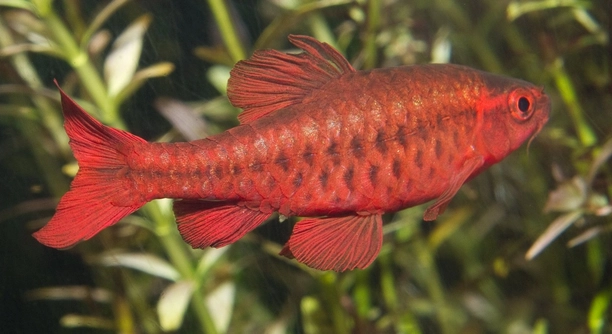
Cherry barbs are small, colorful fish that can bring a lot of joy to your aquarium. If you have a pair or a group of them, it’s exciting to watch their mating behaviors. However, once mating has occurred, it’s important to recognize the signs that they are done.
After cherry barbs finish mating, they tend to become less active, and the males may stop chasing the females. The females may also appear fuller with eggs, and the colors of the males often fade or become less vibrant.
Recognizing these signs early can help you maintain a healthy environment for your cherry barbs. Understanding the process will also allow you to better care for them post-mating.
Sign 1: The Males Stop Chasing the Females
Once the cherry barbs have finished mating, the male’s behavior changes. Before mating, males actively chase females, displaying their vibrant colors to attract attention. After mating, however, the chase stops. Males no longer pursue females as intensely, and their attention shifts. This behavior is a clear indicator that mating has been completed. The males no longer need to court the females or assert their dominance.
The male may still swim nearby but in a more relaxed manner. The intensity of the male’s movements will diminish, and the females will not seem as startled or stressed. This shift in activity helps maintain a calmer environment for the fish.
It’s important to monitor their behavior carefully during this transition. If the males continue to chase the females excessively, it could be a sign of stress or an issue in the tank, such as overcrowding. However, after mating, you should expect to see less chasing and more peaceful cohabitation between the males and females.
Sign 2: The Females Appear Fuller With Eggs
Once the female cherry barbs have been fertilized, they start to appear noticeably fuller. The eggs inside their bodies begin to develop, and the overall appearance of the females changes. This is one of the most obvious signs that mating has been successful. A female that has been actively pursued by the male will look rounder or more swollen around the abdomen.
This change in appearance can be subtle at first, but over time, you’ll notice the female’s body becoming more pronounced. The full look happens when the eggs are about to be released into the tank or eaten by the parents. If you notice this change in the female’s body, it’s a good sign that mating has been completed.
While this is a normal part of the process, it’s important to keep an eye on the female’s health. If the swelling becomes too extreme or the female seems lethargic, it could indicate a problem, such as a bloated abdomen. In healthy fish, this fullness should gradually decrease once the eggs are released or consumed.
Sign 3: The Males Lose Their Vibrancy
After mating, male cherry barbs often lose the vibrant colors they had during the courting phase. Their bright reds and oranges may fade, making them appear more muted or dull. This happens because, once mating is complete, there is no longer a need for the males to impress the females with their bright colors.
The fading of the male’s coloration is a natural process that signals the end of the mating ritual. The intensity of the male’s color usually returns after some time, especially if he is kept in a stress-free environment. It’s also important to note that the male’s behavior may shift as well.
A less vibrant male does not indicate poor health, but it can be a sign of a calm, post-mating period. It’s completely normal for the males to look more subdued as their hormones settle. If the colors don’t return over time, it might be worth checking the water quality and tank conditions.
Sign 4: The Fish Become Less Active
Once the cherry barbs have completed their mating, their activity levels decrease. This is a natural part of the process, as they no longer feel the need to chase each other or perform courtship rituals. During the mating phase, the males were particularly energetic, but afterward, things calm down.
Both the males and females will spend more time resting and swimming leisurely, rather than darting around the tank. This decrease in activity usually signals that mating is done. However, some light movement will still occur as the fish feed or interact with their environment.
Even if the fish are no longer as energetic, they should still appear healthy and alert. If you notice a significant lack of movement for extended periods, or if the fish seem to be avoiding food, it may be worth checking their health or tank conditions.
Sign 5: The Females Begin to Hide
After mating, female cherry barbs may start to hide or seek out secluded spots in the tank. This behavior typically occurs when the female is preparing to lay eggs or is feeling more vulnerable. It’s common for females to seek privacy during this time.
The females may take refuge behind plants, decorations, or any other hiding spots in the aquarium. This behavior is natural, as they are often less active during this post-mating period. It’s essential to provide them with hiding spots to reduce stress. This helps ensure the females feel secure.
Sign 6: The Males Stop Showing Off
Once mating is complete, the males may stop displaying their bright colors and flashy behavior. They will no longer swim in circles or show off as much to the females. Their focus shifts, and they become less active. This change helps conserve energy.
This shift in behavior is an indication that their mating efforts have concluded. Without the need to impress the female, they now focus on recovering from the physical exertion of courting. They will also become less aggressive toward each other, as the mating season has passed.
FAQ
What should I do if my cherry barbs continue to chase each other after mating?
If the males continue to chase the females after mating, it could indicate stress or other tank-related issues. Overcrowding is one common reason for persistent chasing, as fish feel more competitive for space and resources. To address this, check your tank’s population and ensure that there is enough space for each fish. If the tank is too small or too crowded, consider rehoming some fish or upgrading the tank size. Also, make sure there is plenty of hiding spots and decorations, as this can help reduce aggression.
How do I know if my female cherry barb is healthy after mating?
Healthy female cherry barbs will gradually return to a more normal behavior after mating. If the female is still hiding or appears stressed for a prolonged period, it could indicate a health issue. Additionally, if the female’s body appears excessively swollen or if she shows signs of distress such as lethargy or loss of appetite, it’s important to monitor her closely. Make sure water conditions are optimal (pH, temperature, and ammonia levels) and that she has access to nutritious food. If her condition doesn’t improve, consider consulting an aquarium professional or veterinarian.
How long do cherry barbs take to mate?
Cherry barbs usually mate quite quickly once they begin the process. The actual mating display, where the males chase the females and show off their colors, can last anywhere from a few hours to a few days. The courtship behavior may continue as long as the female shows interest, but once the female has been fertilized, the mating process typically ends. After the eggs are released, both male and female barbs may take a break from their active behavior, which indicates that the mating is complete.
How often do cherry barbs mate?
Cherry barbs are not constant breeders. They typically mate when they feel comfortable and their environment is stable. In a well-maintained tank with the right conditions, they may breed several times a year, especially if the water quality is good, the temperature is stable, and they are well-fed. If you’re trying to breed cherry barbs regularly, ensure the tank has a balanced environment with minimal stressors. However, overbreeding can sometimes cause stress, so it’s essential to give your fish time to recover between breeding cycles.
Do I need to separate the male and female cherry barbs after mating?
In most cases, it’s not necessary to separate the males and females after mating. Cherry barbs are not aggressive toward each other once the mating process is complete. However, if you have a tank with other fish that might target the eggs or the more vulnerable female, you may want to consider moving them to a separate breeding tank. This is especially true if you’re looking to hatch the eggs successfully. It’s also a good idea to provide some plants or hiding spots in the main tank for the females to rest if they feel stressed.
Can I expect the female to lay eggs immediately after mating?
The female cherry barb does not lay eggs immediately after mating. After fertilization, the eggs develop inside the female’s body for a period of time. The time it takes for the eggs to be laid varies depending on environmental factors, but it usually takes a few days to a week after mating. During this period, the female may appear fuller, and her behavior may become more reserved. Once the eggs are fully developed, she will find a suitable spot in the tank to lay them, and they will be fertilized externally by the male.
How do I know when to remove the eggs from the tank?
If you’re trying to protect the eggs from being eaten or disturbed by the adult fish, you might want to remove them after the female lays them. However, cherry barbs typically don’t show much interest in their eggs after mating. If you want the eggs to hatch in the same tank, ensure that you have some plant cover or hiding places where the fry can stay safe from adult fish. If you prefer to raise the fry separately, move the eggs to a breeding tank with the same water conditions and temperature.
Can cherry barbs mate with other fish?
No, cherry barbs cannot mate with other species of fish. While they may interact with other fish in the tank, they only breed with their own kind. If you have different species of barbs in your tank, such as tiger barbs, the cherry barbs will not mate with them. Each species has its own mating rituals and biological needs that prevent crossbreeding. To ensure successful breeding, it’s best to keep only cherry barbs together when attempting to breed them.
What do I do with the baby cherry barbs after they hatch?
Once the baby cherry barbs hatch, they will rely on their yolk sacs for nutrition for the first few days. After this period, you can begin offering them finely crushed flakes or specialized fry food. Ensure the water quality remains high, as baby fish are more sensitive to poor water conditions. If you’ve moved them to a separate tank, make sure it’s fully cycled, as immature fish can be more susceptible to water quality changes. Be patient with the fry, as they’ll grow gradually, and some may take longer than others to develop.
After cherry barbs have finished mating, it’s important to understand the signs of when they’re done. These signs can help you determine when the fish are no longer in the mating phase and are returning to their normal behaviors. The males stop chasing the females, and the females begin to look fuller with eggs. These are clear indicators that the mating process has been completed. The males also lose some of their vibrant colors, which is a natural part of the post-mating period. It’s helpful to monitor these changes so you can ensure your fish are healthy and comfortable in their environment.
Maintaining a healthy tank environment is key to supporting cherry barbs through the mating process. Water quality, temperature, and space are all factors that can impact their behavior and overall well-being. If the tank is overcrowded, the fish may feel stressed, which could lead to excessive chasing or other unusual behaviors. Providing plenty of hiding spots for the females to rest is also important. When the fish feel secure and have enough space, they’re more likely to mate successfully and thrive afterward. Keeping the tank clean and maintaining stable conditions will ensure a better experience for both you and your cherry barbs.
Overall, understanding the signs of mating and the post-mating period can help you create a better environment for your cherry barbs. Watching the males and females return to their normal, calm behaviors after mating shows that the process has been completed. Keep an eye on their health and continue to maintain a stable tank environment. By doing this, you can help ensure that your cherry barbs are healthy and happy. Whether you’re looking to breed them or simply care for them, understanding these behaviors is an important part of keeping them as part of your aquarium.

Hello,
If you enjoy the content that we create, please consider saying a "Thank You!" by leaving a tip.
Every little bit helps us continue crafting quality advice that supports the health, happiness, and well-being of pets around the world, for pets of all shapes, sizes, and species.
We really appreciate the kindness and support that you show us!