
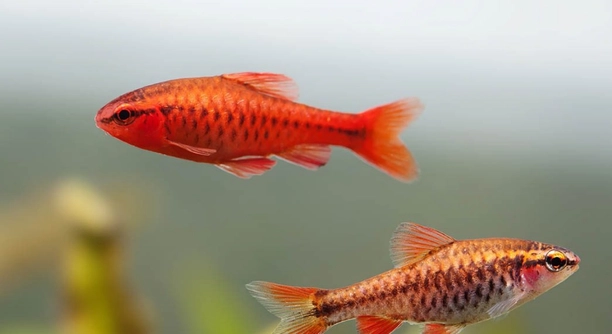
Cherry barbs are a popular species of aquarium fish, loved for their vibrant color and active behavior. They are generally peaceful, but sometimes exhibit surprising behavior, especially when kept alone. Understanding this behavior can help aquarium enthusiasts provide better care.
Cherry barbs flare when alone due to a combination of territorial instincts and stress. As social fish, they thrive in groups, and when isolated, they may flare their fins to display dominance or frustration, attempting to compensate for the lack of social interaction.
This behavior can be managed by adding more cherry barbs to your tank, reducing stress and creating a more comfortable environment.
Why Cherry Barbs Are Social Fish
Cherry barbs are naturally social and thrive in groups. They display more vibrant colors and healthier behavior when they are in the presence of others. Being kept alone can cause them to feel stressed and isolated, leading to unusual behaviors like flaring their fins. This is their way of expressing dominance or trying to attract attention. Keeping them in a school with at least five or more will reduce the likelihood of this behavior.
When placed in groups, they exhibit more relaxed and peaceful behavior. Their social structure, like many fish species, helps maintain a balanced environment where they feel secure and able to interact with others.
If you want your cherry barbs to display their natural beauty and less stress, ensure they’re not kept isolated. Providing them with a peaceful group will prevent unnecessary stress and help them stay healthy. This will create a much more enjoyable aquarium environment.
How To Fix The Flare Behavior
The most effective solution to the flaring problem is keeping cherry barbs with others of their species. Adding just a few more barbs to your tank can reduce the stress they experience.
A tank of cherry barbs benefits from multiple individuals because they feel safer and are less likely to engage in territorial behavior. In addition to adding barbs, ensure the tank has plenty of hiding spots to encourage social interaction while reducing feelings of vulnerability. You should also check for any environmental stressors like poor water quality or harsh lighting, as these can also trigger aggressive behavior. It’s important to create a comfortable habitat to promote positive behavior in your fish.
Adjusting your tank setup to ensure your fish are not isolated is key to having healthy and well-adjusted cherry barbs. Adding more fish and reducing stressors can go a long way toward ensuring their well-being.
Importance of Tank Size
The size of the tank plays a significant role in the behavior of cherry barbs. A smaller tank can increase stress and limit their space to move, making them more likely to flare. A larger tank provides more room for swimming and exploring, which can reduce territorial issues.
While cherry barbs don’t require excessively large tanks, providing at least a 20-gallon tank is ideal. This allows enough space for them to interact with each other, reducing the chances of them feeling crowded or stressed. Adding plants, decorations, and hiding spots also helps to create a more comfortable environment.
If the tank is too small, the fish may feel confined and may start displaying more aggressive behaviors like flaring. A larger tank provides a better opportunity for the fish to form natural social structures and keep their behavior in check. The extra space is especially important if you’re planning to add more barbs to the tank.
Tank Setup and Environment
Maintaining a healthy tank environment is essential to your cherry barbs’ well-being. Poor water quality, fluctuating temperatures, or improper lighting can all contribute to stress and may cause them to flare. Ensuring that the tank is kept clean and the water parameters are stable can make a huge difference.
Regular water changes, proper filtration, and monitoring the pH and temperature will keep the water conditions within an ideal range for cherry barbs. They prefer slightly acidic to neutral water and temperatures between 72-78°F. Consistent water conditions promote healthy fish and reduce unnecessary stress, which can prevent flaring.
Having the right environment isn’t just about the water itself. Adding live plants, rocks, and other structures can mimic their natural habitat and provide them with hiding spots. A well-planted tank helps to replicate the type of environment cherry barbs would experience in the wild, leading to healthier, happier fish.
Feeding and Diet
The right diet can help reduce stress in cherry barbs. Overfeeding or providing low-quality food may lead to health issues, which can increase stress levels and contribute to flaring. Offering a balanced diet is essential for their well-being.
Cherry barbs do best on a varied diet that includes high-quality flake food, pellets, and occasional live or frozen treats like brine shrimp or daphnia. Overfeeding should be avoided, as it can cause water quality problems and make the fish more prone to stress. Healthy, consistent feeding helps prevent both physical and behavioral issues.
Tankmates and Compatibility
Cherry barbs are generally peaceful, but they do best with compatible tankmates. Aggressive or overly active species may cause stress, leading to flaring behavior. Choosing peaceful, non-territorial fish is important for maintaining harmony in the tank.
Good tankmates for cherry barbs include other peaceful species like tetras, rasboras, or small gouramis. Avoid keeping them with overly aggressive fish like cichlids or larger species that may intimidate them. Maintaining peaceful interactions reduces stress and helps your cherry barbs feel secure, preventing behaviors like flaring. Keeping a balanced community tank can greatly improve the overall atmosphere.
FAQ
Why do cherry barbs flare when they are alone?
Cherry barbs are social creatures and feel more comfortable in groups. When kept alone, they may flare their fins as a sign of stress or an attempt to communicate with their environment. This behavior mimics what they would do in the wild to assert dominance or express frustration. In the absence of other barbs, their social needs are unmet, causing them to react defensively. Flaring is a natural instinct and can be avoided by keeping them in a school of at least five barbs.
Can cherry barbs live with other species?
Yes, cherry barbs are peaceful fish that can live with other species, as long as the other fish are not aggressive or overly territorial. They are a great addition to community tanks and typically get along well with other small, peaceful fish like tetras and rasboras. It’s essential to avoid keeping them with fish that are much larger or aggressive, as this can cause stress and lead to unwanted behaviors like flaring.
How many cherry barbs should I keep together?
To prevent flaring and ensure their well-being, it’s recommended to keep cherry barbs in groups of at least five. In groups, they can establish social structures, interact with each other, and feel more secure. A larger group can help distribute any territorial behaviors and reduce stress. Smaller groups may cause individuals to feel isolated or vulnerable, leading to defensive behaviors.
What is the ideal tank size for cherry barbs?
Cherry barbs need enough space to swim and explore. A 20-gallon tank is generally recommended as the minimum size for a small school of cherry barbs. A larger tank will allow for more comfortable movement, especially if you plan to keep other species in the tank. In a 20-gallon tank, they will have ample space to interact with each other and reduce the likelihood of stress-induced behaviors like flaring.
What temperature should I keep my cherry barbs in?
Cherry barbs prefer a water temperature range of 72-78°F (22-26°C). Keeping the water within this range will help them stay healthy and active. Temperatures outside this range can cause stress and compromise their immune system. Consistent water temperature is crucial for preventing stress and other issues that can arise from fluctuating conditions.
What is the best food for cherry barbs?
Cherry barbs thrive on a balanced diet that includes both high-quality flake food and occasional treats like brine shrimp, daphnia, or bloodworms. They are omnivores, so their diet should include both plant and animal matter. It’s important not to overfeed them, as uneaten food can pollute the water and lead to stress. A varied diet helps them stay healthy and promotes natural behaviors, which can reduce flaring.
How can I reduce the stress that causes cherry barbs to flare?
The key to reducing stress in cherry barbs is creating a peaceful and stable environment. Keep them in groups of at least five, maintain good water quality, and avoid keeping them with aggressive or larger fish. Provide plenty of hiding spots, plants, and decorations to create a more natural and secure environment. Additionally, ensure the tank is the appropriate size and temperature, and monitor the water conditions regularly. A healthy, stress-free environment will reduce the likelihood of flaring.
Are cherry barbs hardy fish?
Yes, cherry barbs are relatively hardy fish. They can tolerate a range of water conditions as long as the parameters stay within acceptable limits. However, they are sensitive to extreme changes in water quality or temperature. Regular water changes and stable conditions are essential to keep them healthy. While they can handle some variability, it’s best to keep their environment as consistent as possible to avoid stress and health problems.
Do cherry barbs require a specific type of tank setup?
While cherry barbs do not require anything too specific, they do benefit from a well-planted tank. Plants and hiding spots help mimic their natural environment and provide a sense of security. They prefer soft, slightly acidic to neutral water, with plenty of open swimming space. Providing a stable, natural-looking environment will help keep them relaxed and reduce behaviors like flaring.
Can I breed cherry barbs in my tank?
Yes, cherry barbs are relatively easy to breed in a well-maintained aquarium. To breed them, you’ll need a separate breeding tank with soft, slightly acidic water. The fish will spawn on plants or decorations, and the eggs will hatch in a few days. After hatching, the fry should be fed infusoria or finely crushed food until they are large enough to eat regular fish food. A breeding setup should include good water conditions and minimal disturbances.
Why do my cherry barbs seem stressed even with tankmates?
If your cherry barbs are still stressed despite having tankmates, there could be other factors at play. Poor water quality, inadequate tank size, or aggressive tankmates may be contributing to their stress. Ensure that the water is clean, the temperature is stable, and the tank is spacious enough. Additionally, ensure that the other fish are compatible and not causing any harm to your barbs.
How long do cherry barbs live?
Cherry barbs typically live for about 3-5 years, although with good care, some can live a bit longer. Their lifespan can be influenced by water quality, diet, and overall tank conditions. Providing them with a stable, clean environment, a balanced diet, and appropriate tankmates will help them live a long, healthy life.
What are the signs that my cherry barbs are stressed?
Common signs of stress in cherry barbs include excessive fin clamping, erratic swimming, hiding, and loss of appetite. If you notice your cherry barbs flaring their fins regularly, it could be a sign of stress or discomfort. It’s essential to check the water quality, ensure they are in a proper social environment, and adjust their tank conditions to reduce stress. If the stress continues, it may be worth checking for any potential diseases or health issues.
Final Thoughts
Cherry barbs are a wonderful addition to many community tanks, known for their peaceful nature and vibrant colors. However, like all fish, they have specific needs that must be met to keep them healthy and happy. One of the most important aspects to consider is their social behavior. These fish are not solitary by nature, and when kept alone, they may exhibit stress behaviors such as flaring their fins. This is a sign that they are feeling insecure and unable to communicate in the way they would if they were in a group. Keeping cherry barbs in schools of at least five will help alleviate this stress and allow them to interact naturally with each other. A larger group will make them feel more secure and allow them to display their natural behaviors without the frustration that comes from isolation.
Another key factor in maintaining healthy cherry barbs is providing a stable and comfortable tank environment. They thrive in tanks that are at least 20 gallons, offering enough space to swim and explore. A tank with plants, decorations, and hiding spots mimics their natural environment and helps reduce stress. The water temperature should be kept between 72-78°F, and water quality should be monitored regularly. A well-maintained tank will ensure the fish stay healthy, active, and stress-free. Proper filtration, regular water changes, and monitoring the pH and hardness levels are essential for creating the best environment for your cherry barbs. Their environment plays a huge role in their overall well-being, so it’s important to pay attention to these details.
Lastly, diet plays an important role in the health of your cherry barbs. Offering a varied, balanced diet helps ensure they get the nutrients they need to thrive. High-quality flakes, pellets, and occasional treats like brine shrimp or bloodworms will keep them healthy and active. Overfeeding should be avoided to maintain good water quality and prevent unnecessary stress. By keeping the right balance in their environment, social structure, and diet, you’ll ensure that your cherry barbs live long, happy lives. Providing for their needs will not only help you avoid common behaviors like flaring but will also make your aquarium a more peaceful and visually stunning environment.

Hello,
If you enjoy the content that we create, please consider saying a "Thank You!" by leaving a tip.
Every little bit helps us continue crafting quality advice that supports the health, happiness, and well-being of pets around the world, for pets of all shapes, sizes, and species.
We really appreciate the kindness and support that you show us!