
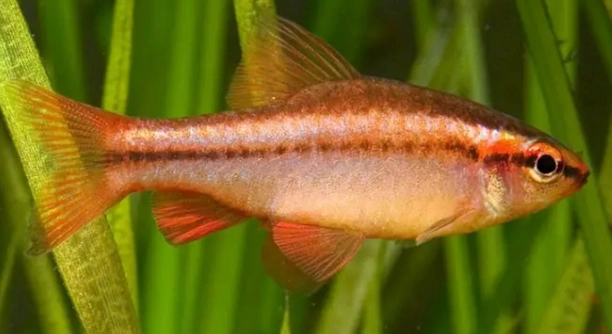
Cherry barbs are popular aquarium fish known for their colorful appearance and peaceful nature. Many fish enthusiasts wonder if these little beauties can form pair bonds like other species. Let’s explore this question together.
Cherry barbs do not typically form lifelong pair bonds like some other fish species. However, they are social fish that enjoy living in small groups, with males often competing for attention from females during breeding periods.
Understanding their social behavior and breeding habits can help you care for them better in your aquarium. Let’s take a closer look at what makes cherry barbs unique in this regard.
Do Cherry Barbs Form Bonds Like Other Fish?
Cherry barbs, while sociable, do not form strong pair bonds like some other species, such as bettas or certain cichlids. These fish are more likely to be seen in groups rather than with a single mate. During the breeding season, males will often compete for the attention of females, but this doesn’t necessarily lead to lasting bonds. Their interactions tend to be temporary, focusing mainly on reproduction rather than long-term companionship.
Cherry barbs will often show interest in multiple mates, especially during breeding. While males may show courting behaviors toward females, this is usually brief and does not signify a lasting connection.
Cherry barbs are known for their schooling behavior, meaning they thrive in groups of their own kind. The presence of other fish, especially in a community tank, can help reduce stress. When kept with similar species, they engage in more natural behaviors, including displaying for mates. However, once breeding is over, they return to a less intense interaction with one another.
Social Structures in Cherry Barbs
These fish generally prefer a peaceful environment where they can interact with other species without feeling threatened. In the wild, cherry barbs live in groups, helping with protection and social structure. This schooling behavior is key to their wellbeing.
In an aquarium, having a small group of cherry barbs allows the males to compete for attention, creating an environment where they feel more secure. Males may often display vibrant colors to attract females, but this behavior tends to be short-lived, ending once breeding is completed. This isn’t a sign of a pair bond, but a natural part of their mating ritual. It’s important to ensure your cherry barbs are housed in a group so they can express these natural behaviors.
While they do not form long-lasting bonds, their social interactions help them feel more comfortable and less stressed. A happy cherry barb is one that is surrounded by others, where it can behave naturally and interact in a less territorial manner.
Breeding Behavior in Cherry Barbs
Cherry barbs’ breeding behavior is driven by the presence of females during the right season. Males display vibrant colors and chase after females, hoping to get their attention. These interactions are brief and focused on reproduction rather than long-term bonding.
Once the female is interested, she lays her eggs, which the male fertilizes. Afterward, the pair usually part ways, and there’s no lasting connection between them. While males may continue to show interest in females during the breeding season, it’s typically short-lived and doesn’t evolve into a lasting relationship.
In a tank setup, the presence of several males and females can lead to some competition. This is natural and can create interesting dynamics in your aquarium. However, it’s important to ensure there’s enough space for all fish to feel comfortable, as aggression can arise when males vie for female attention. A spacious tank with hiding spots helps reduce tension during breeding.
Creating the Right Environment for Cherry Barbs
A peaceful tank setup with plenty of plants and hiding spaces is ideal for cherry barbs. They’re social fish, but they also need room to feel safe. Having enough space reduces aggression and allows for natural behavior, including breeding displays.
Cherry barbs thrive in slightly acidic water with a temperature range of 72-78°F. Stable water conditions are key to their health and happiness. Adding plants or driftwood not only improves the aesthetic of the tank but also gives these fish places to explore and hide when they feel the need to retreat. They appreciate the cover but also enjoy open swimming areas where they can socialize with others.
Providing the right environment ensures that cherry barbs will not only be comfortable but also exhibit their natural behaviors. This leads to healthier fish and a more enjoyable aquarium setup. A well-maintained tank will make sure they live out their social and breeding rituals without unnecessary stress.
Cherry Barbs and Tank Mates
Cherry barbs are peaceful and tend to get along well with other non-aggressive fish. They do best in community tanks, where they can interact with species of similar size and temperament. Avoid aggressive or overly territorial fish, as they may cause stress.
Keeping cherry barbs with similarly calm fish allows them to thrive in a balanced environment. They won’t compete aggressively for resources, and you can observe their natural behaviors without interference. Suitable tank mates include other small barbs, tetras, and peaceful livebearers, all of which allow for harmonious coexistence.
Male vs. Female Cherry Barbs
Male cherry barbs are more colorful than females, especially during the breeding season. Their vibrant red and orange hues are used to attract females, while females tend to have a more muted, brownish appearance. This color difference is key for identifying the sexes.
When males are in peak breeding condition, they may display their colors more vividly to compete for female attention. This behavior can be exciting to observe, especially in a tank with multiple males. While the males’ competitive nature may seem aggressive, it’s more about attracting a mate than about dominance.
FAQ
Can cherry barbs form pair bonds like some other fish species?
Cherry barbs do not form permanent pair bonds like other fish species, such as bettas or certain cichlids. Instead, their relationships are typically short-term, mainly revolving around mating. During breeding, males will display vivid colors and chase females to attract them. However, once spawning is complete, the males and females generally do not stay paired together. Instead, they return to a more social and less intense dynamic, interacting with the rest of the group.
What is the ideal tank setup for cherry barbs?
Cherry barbs do best in a well-planted, peaceful aquarium with enough space to swim. A group of at least six or more fish is recommended, as they are schooling fish and feel most comfortable in groups. Providing a tank with plants, driftwood, and hiding spots helps reduce stress and allows them to express their natural behaviors. The water temperature should be between 72°F and 78°F, and the pH should be slightly acidic to neutral (6.0 to 7.5). Regular water changes and proper filtration are also essential to maintain their health.
How many cherry barbs should I keep together?
It’s best to keep at least six cherry barbs together in your tank. They are schooling fish, and they feel more comfortable and secure when they can swim in a group. A small group of at least six will reduce stress, as the fish will behave more naturally. Keeping a larger group also helps spread out any aggression, as males will compete for the attention of females during breeding season. However, you should make sure that your tank is large enough to accommodate the number of fish you plan to keep.
What are the signs of stress in cherry barbs?
Stress in cherry barbs can manifest in several ways. You may notice that they become more reclusive, hiding more often than usual. Their vibrant colors may also dull, as stress can impact their natural pigmentation. Aggression among fish can also increase, especially if the tank is overcrowded or if aggressive tank mates are present. In some cases, stressed cherry barbs may show unusual swimming patterns or swim erratically. To prevent stress, it’s crucial to maintain a calm environment with stable water conditions and suitable tank mates.
Do cherry barbs require special care during breeding?
Breeding cherry barbs doesn’t require anything too special, but there are a few factors to keep in mind. It’s important to have a separate breeding tank or at least ample hiding places in the main tank. The females lay their eggs on plants, and males fertilize them shortly after. Once the eggs are laid, they usually hatch within a few days. After hatching, the fry will need finely crushed food until they are big enough to eat larger portions. It’s a good idea to separate the fry from the adults to avoid them being eaten.
What temperature do cherry barbs prefer?
Cherry barbs thrive in water temperatures between 72°F and 78°F. Keeping the water within this range is essential for their overall health and well-being. If the water is too cold, they may become sluggish and more susceptible to disease. If the water is too warm, they can become stressed, which could lead to a decrease in their lifespan or a weakened immune system. A reliable aquarium heater is recommended to maintain a stable temperature, especially if the room temperature fluctuates throughout the day.
Can cherry barbs live with other types of fish?
Yes, cherry barbs are peaceful fish that get along well with other non-aggressive species. They are typically best kept with other small, calm fish such as tetras, rasboras, and guppies. Avoid keeping them with large or aggressive fish that might intimidate them. Cherry barbs are especially sensitive to aggressive tank mates, which can stress them out and make them less active. As long as your tank is populated with peaceful fish, cherry barbs will thrive in a community setting.
How often should I feed cherry barbs?
Cherry barbs should be fed once or twice a day, offering only what they can eat in a few minutes. A varied diet is best for them, including high-quality flakes, pellets, and occasional live or frozen foods such as daphnia or brine shrimp. Overfeeding can lead to poor water quality, so be mindful of the amount you feed. It’s also a good idea to occasionally fast them for a day to help prevent any digestive issues. Make sure to remove any uneaten food to keep the tank clean.
What are the common health issues in cherry barbs?
Cherry barbs are generally healthy fish when kept in the right environment. However, like all aquarium fish, they can be susceptible to common fish diseases like ich, fin rot, or swim bladder problems. Symptoms of these diseases include white spots on the body, fins with visible damage, or difficulty swimming. Ensuring good water quality and avoiding overcrowding can help prevent many of these issues. Regular tank maintenance, including water changes and proper filtration, is also key to keeping your cherry barbs healthy.
Can cherry barbs live in a planted tank?
Cherry barbs are excellent candidates for planted tanks. They enjoy swimming through plants and using them for cover when they need to hide. Plants help mimic their natural environment, and they provide essential hiding spots for both adults and fry. Additionally, plants help maintain water quality by absorbing excess nutrients and providing oxygen. When setting up a planted tank, make sure the plants are not too dense, as cherry barbs also appreciate open swimming spaces.
Final Thoughts
Cherry barbs are beautiful, peaceful fish that can make a great addition to any aquarium. While they don’t form lifelong pair bonds like some other species, their social nature makes them enjoyable to watch in a group setting. These fish thrive in small schools, where they interact with each other in a natural and relaxed way. Though they may not show intense bonding behaviors, their display of colors and social interactions during the breeding season is fascinating. This makes them a perfect choice for aquarium owners who enjoy watching their fish display natural behaviors without the need for complicated care.
Setting up the right environment for cherry barbs is important for their well-being. They do best in tanks with enough space to swim, a peaceful community of other fish, and plenty of plants or hiding spots. These elements allow them to feel secure, reducing stress and encouraging them to show off their vibrant colors. Since cherry barbs prefer slightly acidic water, keeping the tank conditions stable is key to keeping them healthy. They are fairly easy to care for, making them a great option for both beginner and experienced fish keepers.
Even though cherry barbs don’t form lasting pair bonds, they can still be a delightful species to keep in a community tank. Their peaceful nature and beautiful appearance make them stand out, especially when kept in groups. If you can provide them with the right environment, cherry barbs will thrive and add a splash of color and activity to your aquarium. Watching them interact with each other and their tank mates can be a rewarding experience, showing you just how adaptable and social these little fish can be.

Hello,
If you enjoy the content that we create, please consider saying a "Thank You!" by leaving a tip.
Every little bit helps us continue crafting quality advice that supports the health, happiness, and well-being of pets around the world, for pets of all shapes, sizes, and species.
We really appreciate the kindness and support that you show us!