
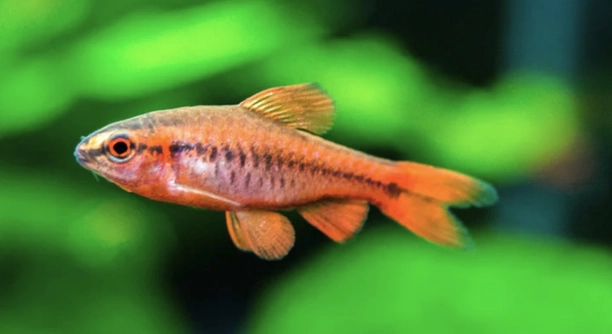
Do your Cherry Barbs suddenly behave differently overnight, leaving you confused about the changes? Understanding the reasons behind this shift in behavior can help ensure a peaceful aquarium environment for your fish.
Several factors can cause sudden changes in Cherry Barb behavior, including environmental shifts, water quality fluctuations, or even stress from tank mates. Changes in light, temperature, or feeding schedules can also contribute to these overnight behavior changes.
Identifying these triggers and adjusting tank conditions can help restore balance and promote a healthy environment for your fish.
Changes in Water Temperature
Sudden changes in water temperature can greatly impact the behavior of Cherry Barbs. They are sensitive to fluctuations, and even small shifts can cause them stress. If your aquarium’s heater is malfunctioning or if the temperature is inconsistent, it may cause your fish to swim erratically or become more withdrawn. Cherry Barbs thrive in temperatures between 75°F and 80°F, so any deviation from this range can lead to noticeable changes in their behavior. Keeping a thermometer in the tank can help you monitor and maintain a stable environment for your fish.
While Cherry Barbs are quite adaptable, they prefer a consistent temperature. Fluctuations can stress them out, leading to changes in how they interact with other fish and their environment. It is crucial to check your tank’s temperature regularly.
Maintaining a stable water temperature is essential for your Cherry Barbs’ well-being. Using a reliable heater with a thermostat can prevent sudden changes. Additionally, placing the tank in a location that doesn’t experience drafts or heat sources will also help keep the temperature consistent, reducing stress on your fish.
Water Quality and pH Levels
Water quality plays a key role in how Cherry Barbs behave. Poor water quality, caused by improper filtration or neglected tank maintenance, can cause them to become lethargic or agitated. Keeping an eye on ammonia, nitrite, and nitrate levels is essential for a healthy tank. If these levels rise, your Cherry Barbs will likely show signs of distress, including unusual swimming patterns or hiding more often.
Regular water changes are essential to maintaining a clean environment for your fish. Test your water regularly to ensure that ammonia and nitrite levels remain at safe levels. A good filtration system can also help to maintain the water’s cleanliness and prevent dangerous buildups.
When water quality is compromised, it can lead to more severe issues for your fish, such as skin irritation or even disease. Keeping the tank clean, testing water parameters often, and ensuring proper filtration can help avoid behavior changes related to poor water conditions.
Stress from Tank Mates
Tank mates can cause stress for Cherry Barbs, especially if they are overly aggressive or territorial. Certain fish, like larger species or those with dominant behavior, may intimidate your Cherry Barbs, leading to sudden changes in their behavior. It’s important to observe how your fish interact with others in the tank.
Aggressive tank mates can disrupt the peaceful nature of Cherry Barbs, causing them to hide more frequently or display erratic swimming patterns. These fish may also stop eating as much due to stress. If this is the case, consider rearranging the tank to reduce aggression or separating the more aggressive fish.
Properly selecting tank mates is essential for maintaining harmony. Cherry Barbs thrive in peaceful, community tanks with similar-sized fish that aren’t overly aggressive. A proper balance of fish can help reduce stress and promote better overall health for your Cherry Barbs, preventing unwanted behavioral changes.
Inconsistent Feeding Schedules
An inconsistent feeding schedule can disrupt the natural rhythm of your Cherry Barbs. They are creatures of habit and thrive when they know when to expect their food. Sudden changes in feeding times or skipping meals may cause them stress and affect their overall behavior.
Cherry Barbs, like most fish, rely on a routine for feeding. If their feeding schedule changes too drastically, it can cause them to act more aggressively or hide from other fish. Inconsistent feeding can also lead to health problems, such as bloating or malnutrition, which could further impact their behavior.
Stick to a regular feeding routine, offering small portions once or twice a day. This will not only help maintain their health but also keep their behavior more predictable. Avoid overfeeding, as it can lead to poor water quality, which could worsen the behavioral issues.
Changes in Lighting
Lighting in your tank can affect the behavior of Cherry Barbs. If the light is too bright or too dim, they may act differently. Cherry Barbs prefer moderate lighting that mimics their natural environment. Fluctuations in light intensity can cause them to hide or swim erratically.
Constant changes in light exposure can cause stress, which might make Cherry Barbs more aggressive or less active. The transition between day and night should be smooth, and it’s important to ensure the tank gets a regular light cycle. Using a timer to control lighting can help maintain consistency.
Fish also need a dark period for rest. Avoid leaving the lights on too long or making abrupt changes in the light schedule. This will help Cherry Barbs feel more comfortable and exhibit healthier behavior, leading to more predictable interactions with their environment and tank mates.
Overcrowding in the Tank
Overcrowding can lead to stress for your Cherry Barbs. Too many fish in a small space can create territorial disputes and limit swimming space, both of which affect behavior. Overcrowding also causes water quality issues, which only add to the stress.
When there are too many fish in the tank, Cherry Barbs may become more aggressive or exhibit unusual swimming patterns. They may also start hiding more often to escape the stress of constant interactions. This can lead to poor health, affecting their feeding and overall well-being.
Maintaining a properly stocked tank is crucial for keeping your fish healthy and calm. Avoid adding too many fish and be sure to regularly monitor the water quality. A balanced tank leads to happier Cherry Barbs and healthier behavior.
Poor Tank Maintenance
Regular tank maintenance is vital for the health of your Cherry Barbs. Poor cleaning habits can cause a build-up of debris, affecting both water quality and the fish’s behavior. Cleaning filters, checking water parameters, and removing excess waste are all part of keeping a stable environment.
If the tank is not cleaned regularly, harmful substances like ammonia and nitrates can build up, causing the fish to act out. Unclean tanks can lead to diseases or parasites, which can also impact your fish’s behavior. Your Cherry Barbs may become more lethargic, hide more often, or swim erratically.
Set a regular schedule for tank maintenance to keep the water clean and the fish healthy. This simple step helps reduce stress and supports consistent behavior. Cleanliness is essential for preventing problems that can cause sudden behavior shifts in Cherry Barbs.
FAQ
Why is my Cherry Barb swimming in circles?
Swimming in circles can be a sign of stress or discomfort. If your Cherry Barb is swimming in tight circles, it may be reacting to poor water quality, changes in temperature, or a lack of space. It could also be a response to a lack of hiding spots or other stressors like aggressive tank mates. Ensure the water parameters are within the recommended range, and that the tank isn’t overcrowded. Adding plants and decorations for hiding places may also help.
Why are my Cherry Barbs hiding all the time?
Cherry Barbs are naturally shy and may hide if they feel stressed, threatened, or uncomfortable. This behavior can be triggered by changes in the tank environment, such as poor water quality, inappropriate tank mates, or fluctuations in temperature and lighting. Providing more plants and shelters can help them feel safe. If the hiding persists, check the water parameters and the behavior of other tank mates.
Do Cherry Barbs need a specific type of water?
Yes, Cherry Barbs thrive in slightly acidic to neutral water, with a pH between 6.5 and 7.5. Water temperature should be kept between 75°F and 80°F for optimal health. They prefer soft to moderately hard water, with a hardness range of 4-12 dGH. Regular water changes are essential for maintaining good water quality.
How often should I feed my Cherry Barbs?
Cherry Barbs should be fed once or twice a day. Offer small amounts of food that they can consume within a few minutes. Overfeeding can lead to poor water quality, which can affect their behavior. Make sure to remove any uneaten food to prevent it from decomposing in the tank.
Can Cherry Barbs live with other fish?
Yes, Cherry Barbs are peaceful community fish and can live with many other species. However, it’s best to avoid overly aggressive or large fish that may intimidate or outcompete them for food. Ideal tank mates include small to medium-sized, non-aggressive fish such as Corydoras, tetras, or peaceful guppies. Always observe interactions closely when introducing new tank mates.
How can I tell if my Cherry Barb is sick?
Signs of illness in Cherry Barbs include swimming irregularities, loss of appetite, clamped fins, faded colors, or visible lesions and sores. If your Cherry Barb is showing these symptoms, check the water quality and ensure that the tank environment is stable. It’s also important to quarantine any new fish before introducing them to your tank to prevent the spread of disease.
Why are my Cherry Barbs aggressive towards each other?
While Cherry Barbs are generally peaceful, males can become territorial, especially during breeding. Aggression often increases if the tank is overcrowded or if there aren’t enough hiding places. Reducing the male-to-female ratio, increasing tank size, and adding more plants or decorations can help reduce aggression. Providing multiple territories helps distribute the fish’s attention and reduces fighting.
What should I do if my Cherry Barb isn’t eating?
If your Cherry Barb refuses to eat, check the water quality, as poor conditions can cause fish to lose their appetite. Stress from tank mates or changes in the environment could also be a factor. Make sure to offer a variety of foods, including pellets, flakes, and live or frozen foods, to see if that stimulates their appetite. If the behavior persists, consider isolating the fish in a quarantine tank to monitor its condition.
Can Cherry Barbs jump out of the tank?
Yes, Cherry Barbs can jump out of the tank if they feel threatened or stressed. It’s essential to have a secure lid or cover on your aquarium to prevent them from escaping, especially if the water level is too high. Adding decorations and plants near the surface can also help minimize the likelihood of jumping.
Why are my Cherry Barbs turning pale?
Paleness in Cherry Barbs can be caused by several factors, including stress, poor water quality, or illness. If they are exposed to fluctuating water parameters or aggressive tank mates, they may lose their color. Check the water for ammonia, nitrites, and nitrates. Ensure the temperature is stable and that they’re getting enough food. If the problem persists, a visit to an aquarium specialist may be necessary.
How can I encourage breeding in Cherry Barbs?
To encourage breeding, provide a separate breeding tank with slightly acidic water and a temperature around 78°F. Cherry Barbs require a healthy environment with plenty of hiding spots and a soft substrate for egg laying. Offer a varied diet to condition the fish, and provide plenty of plants and small spaces for the eggs to remain safe. The female will lay eggs, which the male will fertilize. After breeding, it’s crucial to remove the parents to prevent them from eating the eggs.
Final Thoughts
Understanding the behavior of Cherry Barbs is key to keeping them happy and healthy. These fish are generally peaceful, but certain factors can cause shifts in their behavior. Stress, poor water quality, and changes in the tank environment can make them act differently. It’s important to maintain stable conditions in the aquarium to prevent these sudden shifts. Regular water testing and proper tank maintenance help create an environment where Cherry Barbs can thrive. Ensuring they have enough space and hiding spots is also essential for their well-being.
If you notice your Cherry Barbs behaving unusually, such as hiding more often or being aggressive, consider evaluating the tank’s water quality and temperature. Small changes in these factors can impact their health and behavior. Overcrowding is another common cause of stress. Make sure the fish have plenty of room to swim and feel safe. A balanced environment not only supports their health but also encourages more natural behavior, making it easier for you to enjoy their company. Keeping a close eye on your fish will help you catch any issues early, ensuring they lead a comfortable life.
Lastly, always be aware of any changes in the behavior of your fish. Whether it’s due to stress or illness, addressing these issues early on can help prevent bigger problems down the road. By following the right steps, such as providing a balanced diet, proper tank conditions, and space for swimming, you can enjoy watching your Cherry Barbs thrive in a happy, healthy environment. With proper care, these vibrant fish will continue to be a peaceful and colorful addition to your aquarium.

Hello,
If you enjoy the content that we create, please consider saying a "Thank You!" by leaving a tip.
Every little bit helps us continue crafting quality advice that supports the health, happiness, and well-being of pets around the world, for pets of all shapes, sizes, and species.
We really appreciate the kindness and support that you show us!