
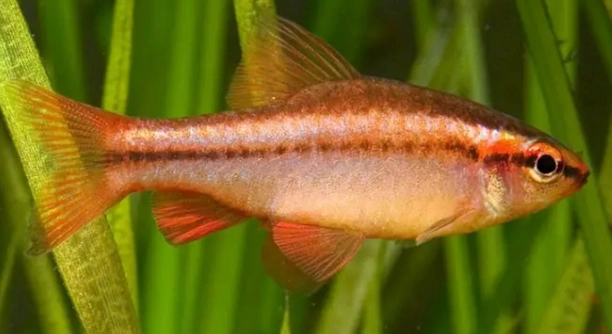
Cherry Barbs are popular aquarium fish known for their vibrant colors and playful behavior. Many fish owners enjoy bonding with their pets and wonder if these small creatures can learn their names, much like other animals.
Cherry Barbs, like many other fish species, are capable of recognizing familiar cues, including sounds. Although they may not “learn” their names in the traditional sense, they can associate specific sounds with feeding or interaction, showing recognition.
Understanding how these fish interact with their environment will help you foster a stronger connection. Exploring their behavior can unlock new ways to communicate with them.
Can Cherry Barbs Recognize Sounds?
Cherry Barbs can distinguish certain sounds, though their hearing capabilities differ from those of mammals. Fish lack external ears, but they possess specialized structures to sense vibrations and sound waves in the water. These vibrations travel through the water and are picked up by their inner ear, which helps them detect changes in their surroundings. With repeated exposure to specific sounds, such as the rustling of food or your voice, they may begin to associate these sounds with events like feeding time. This process of association suggests that Cherry Barbs can, to an extent, recognize sounds in their environment, particularly when there is a consistent pattern.
Although they may not “hear” sounds in the way humans do, Cherry Barbs can still react to these familiar noises. They might swim toward the surface or approach the tank when they hear the sound of food being prepared or a specific interaction. This behavior shows their capacity for sound recognition.
Training Cherry Barbs to Respond to Names
To train your Cherry Barb to associate their name with an event, you can use repetitive sound cues during feeding times. Repeating their name while providing food may help them link the sound to a positive experience, allowing them to recognize it.
Repetition is key for fish, as they rely heavily on patterns and routine. Over time, they may swim toward the sound of their name, associating it with feeding or interaction. Though not a complex form of learning, it can enhance your connection with them and add an interesting dynamic to your aquarium care routine.
Sound Sensitivity in Cherry Barbs
Cherry Barbs are more sensitive to vibrations than sounds in the air. They rely on their lateral line system, which detects movements in the water. This system helps them sense changes in water pressure, such as the vibrations caused by food or other objects moving near them. The lateral line enables them to respond to external stimuli more accurately than humans or mammals.
This sensitivity helps them detect predators or changes in their environment. They are also able to pick up the sounds made by other fish, which may lead to changes in behavior based on their experiences. For example, a loud noise may cause them to swim away in fear, while familiar sounds could bring them closer to the surface in anticipation of food.
The Role of Repetition in Learning
Repetition is vital for Cherry Barbs when it comes to learning. By consistently pairing a sound, such as their name, with a rewarding event like feeding, they can begin to associate the sound with the reward. This form of learning is based on Pavlovian conditioning, where repeated exposure to a stimulus results in a response.
Over time, Cherry Barbs will start to respond to their name. While they may not fully “learn” their name in the same way humans do, they can become accustomed to specific sounds. This is a simple form of conditioning that relies heavily on the consistency of the behavior and reward pairing. It’s not immediate, but with patience, it can be a fun way to interact with your fish.
Positive Reinforcement for Cherry Barbs
Using positive reinforcement can be an effective way to encourage Cherry Barbs to respond to specific cues. By associating their name with something they enjoy, such as food, you create a rewarding experience. This helps strengthen the connection between sound and action.
The key to success is consistency. Every time you say their name, ensure that they receive something positive, like their favorite food. Over time, they may start to swim toward you when they hear the sound of their name, associating it with a good experience. Positive reinforcement creates a strong bond between you and your fish.
Creating a Routine for Learning
Establishing a regular feeding schedule helps your Cherry Barbs learn through repetition. Consistency in their environment and interactions reinforces their ability to recognize patterns. When they hear their name consistently paired with feeding, they start to anticipate the event, making it easier for them to respond.
By maintaining a routine, you make learning easier for your fish. Cherry Barbs thrive in predictable environments, and a structured schedule allows them to associate their name with feeding time more effectively. This regularity helps them process sounds and events, reinforcing their behavior.
Environmental Factors Affecting Recognition
Environmental factors, such as water quality and lighting, can impact how well Cherry Barbs respond to stimuli. Poor water conditions or stress can make them less receptive to learning. Ensure that their tank is well-maintained for optimal behavior.
By keeping the environment stable, you encourage better learning conditions. Healthy water quality, proper lighting, and minimal disturbances allow your Cherry Barbs to focus on sounds and interactions, improving their chances of recognizing their name over time.
FAQ
Can Cherry Barbs recognize their names?
Cherry Barbs are capable of associating specific sounds with events, like feeding. While they don’t “learn” their names in the same way humans do, they can start to recognize patterns. Repeatedly saying their name before feeding or interacting helps them link the sound with a positive experience. This form of recognition is based more on associative learning than true name recognition, but it still allows for some level of response to the sound over time.
How can I train my Cherry Barbs to respond to their name?
To train your Cherry Barbs, consistently say their name when you feed them. Use the same tone and timing each time. Over time, they will start associating the sound of their name with food. It’s important to be patient, as it may take several weeks of consistent reinforcement before you notice a response.
Can Cherry Barbs hear like humans?
No, Cherry Barbs do not hear sounds in the same way humans do. They don’t have external ears but possess a lateral line system that helps them sense vibrations and movements in the water. This system is highly sensitive to water pressure changes, allowing them to detect even small movements or sounds. While they may not respond to sound waves in the air like mammals, they can react to vibrations caused by sounds in the water.
What is the lateral line system, and how does it help Cherry Barbs?
The lateral line is a sensory organ found in fish that detects vibrations and water movements. It runs along the sides of the fish’s body and helps them sense changes in their environment, such as the movement of water caused by other fish, predators, or objects. This allows Cherry Barbs to react quickly to changes in their surroundings, helping them avoid danger and locate food.
How often should I repeat their name for them to learn it?
You should repeat your Cherry Barb’s name consistently, ideally during every feeding session or interaction. Repetition is essential for conditioning. You don’t need to say it excessively, but repeating their name alongside a positive event, such as feeding, helps them form the association. Consistency is key to helping them recognize the sound over time.
Can my Cherry Barbs learn other sounds besides their name?
Yes, Cherry Barbs can learn to associate other sounds with events. For example, they may learn to recognize the sound of a food container or the noise of your hand near the tank. Just like with their name, you would need to consistently pair the sound with a reward, such as food, to create the association.
Do Cherry Barbs have good memory?
Cherry Barbs have a form of short-term memory, allowing them to associate sounds with experiences over time. Their memory, while not as advanced as that of mammals, is enough to help them learn simple associations. They remember patterns and can link certain sounds to specific events, especially when reinforced regularly.
How long does it take for Cherry Barbs to learn their name?
It may take a few weeks for Cherry Barbs to start associating their name with feeding or other positive events. The exact time will vary depending on factors like consistency, the individual fish’s behavior, and the environment. Generally, with consistent training, they can begin responding within 2 to 3 weeks.
What kind of rewards should I use to encourage them?
The best reward for Cherry Barbs is food, as they are naturally motivated by it. Offering their favorite type of fish food, such as pellets, flakes, or live food, will help reinforce the behavior you want. You can also provide small treats, but food is the most effective reinforcement.
Can Cherry Barbs recognize different people?
While Cherry Barbs can recognize familiar sounds, it’s unlikely they can distinguish between different people based solely on voice. However, they might recognize the person who feeds them most often, associating their presence with food. This is more about associating a specific person with a routine than recognizing individual features.
How can I make my Cherry Barbs feel comfortable when training?
Creating a stress-free environment is important for effective training. Ensure your tank is clean, and the water quality is optimal. Avoid sudden movements or loud noises that could startle your fish. A calm, stable environment will help your Cherry Barbs focus on learning and make them more likely to respond to your training efforts.
Can I train my Cherry Barbs without using food?
While food is the most effective reward, Cherry Barbs might also respond to other forms of positive reinforcement, such as increased interaction or attention. However, since they are food-driven, it may be harder to get them to associate sounds with anything other than food. If you don’t want to use food, try spending time with them in other ways, like gently tapping the tank or interacting in a calm manner.
Final Thoughts
Training Cherry Barbs to recognize their name is an achievable goal, but it requires patience and consistency. While they may not learn their name in the same way humans do, they can form associations between sounds and events, such as feeding time. This type of learning, called associative learning, relies on repetition. Over time, with consistent training, your Cherry Barbs can begin to recognize the sound of their name and associate it with a positive experience.
The key to success lies in creating a routine that pairs the sound of their name with food. Each time you say their name, follow it with a reward, like their favorite food. This positive reinforcement helps them link the sound with something enjoyable. Be mindful of the environment as well. Maintaining a stable tank with proper water conditions will reduce stress and allow your fish to focus on the training process. Too many disruptions or poor water quality could affect their ability to learn effectively.
Ultimately, Cherry Barbs are sensitive creatures that can respond to their environment, including sounds. While they may not have the same complex learning abilities as some other animals, they can still form simple associations. By using positive reinforcement and consistency, you can help your Cherry Barbs recognize their name and create a deeper bond with them. It may take time, but the process can be rewarding and an enjoyable way to interact with your fish.

Hello,
If you enjoy the content that we create, please consider saying a "Thank You!" by leaving a tip.
Every little bit helps us continue crafting quality advice that supports the health, happiness, and well-being of pets around the world, for pets of all shapes, sizes, and species.
We really appreciate the kindness and support that you show us!