
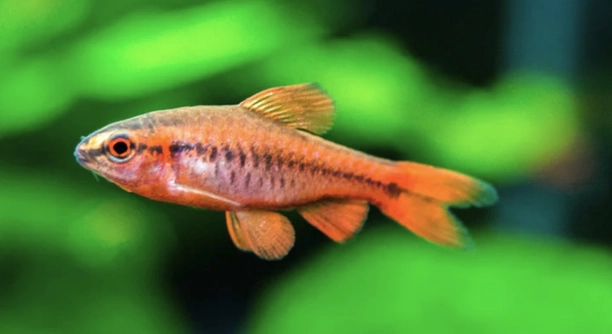
Cherry Barbs are small, colorful fish that are popular in many aquariums. Their behavior and preferences can vary depending on their environment. Understanding what they like and avoid can help ensure their well-being in a home tank.
Cherry Barbs typically prefer to swim in open water rather than near bubble walls. They may be attracted to places with less current, as they are not strong swimmers. Bubble walls can create turbulence that may cause stress.
Knowing what your Cherry Barbs enjoy is essential for their comfort and health. Understanding their preferences will help create a more suitable and stress-free environment for them.
Cherry Barbs and Their Habitat Preferences
Cherry Barbs thrive in calm, peaceful environments with minimal water disturbance. They are naturally found in slow-moving waters, such as streams and rivers, where the current is not too strong. Creating an environment similar to their natural habitat can help reduce stress and encourage healthy behavior. While they are adaptable, it is crucial to provide them with adequate space and hiding spots to feel secure. Tank setups with live plants, smooth rocks, and gentle filtration systems mimic their native environment and create a comfortable living space. It is also essential to maintain stable water conditions, including temperature, pH, and hardness, as these factors directly impact their overall health.
A well-maintained tank will allow your Cherry Barbs to exhibit more natural behavior. They are peaceful fish that prefer swimming in groups, so it is recommended to keep them with at least five or six other Cherry Barbs. This social dynamic will help them feel safer and more relaxed.
Understanding their preferred environment is a key step in ensuring they live a long, healthy life. Regular water changes and avoiding overly busy tanks will also make a difference. Proper tank care can help prevent stress-related health issues in your Cherry Barbs.
Bubble Walls and Their Impact on Cherry Barbs
Bubble walls are commonly used in aquariums for aesthetic purposes and to help with aeration. However, Cherry Barbs may not always appreciate the added water movement they create. The bubbles can disturb the calm, serene environment that these fish prefer. While some fish may enjoy the additional oxygenation, Cherry Barbs typically avoid areas where water flow is strong or turbulent.
If you decide to include a bubble wall in the tank, it is essential to place it in a section where the flow is minimal, ensuring the fish have the option to swim away from the bubbles. Keeping the bubble wall in a corner or a less active area can help prevent the fish from feeling stressed. Additionally, ensuring the bubble wall is not too close to plants or decorations will allow your Cherry Barbs to maintain their usual swimming patterns without disruption.
The Importance of Tank Size for Cherry Barbs
Cherry Barbs need enough space to swim comfortably. A small tank can cause stress and reduce their activity levels. A 20-gallon tank is recommended as a minimum for a small group of these fish. It ensures they have room to explore without feeling confined.
A larger tank also promotes better water quality and stability. It’s easier to maintain consistent temperature and pH levels in a bigger tank. Cherry Barbs will appreciate having more space to establish territories within the group. This can lead to less aggression and more natural behaviors.
The tank size impacts the overall well-being of the fish. When they feel cramped, it may result in stress-related health problems. They may become more aggressive or shy, limiting their ability to interact with other fish. A spacious tank also allows for the addition of other compatible species without overcrowding.
Choosing the Right Tank Mates for Cherry Barbs
Cherry Barbs are peaceful and do well with other calm, non-aggressive fish. Species like Corydoras, Tetras, and Rasboras are suitable companions. Avoid larger, aggressive fish that may intimidate or harm them.
Cherry Barbs do not typically engage in aggressive behavior, so keeping them with other peaceful fish is essential. They enjoy being in groups of at least five or six, which helps them feel more secure. Including species that swim at different levels of the tank can create a more natural and harmonious environment. This also encourages social behavior, reducing stress.
Adding too many fish to the tank can lead to overcrowding, which can cause problems like poor water quality and territorial disputes. Be mindful of tank size and ensure your fish can coexist peacefully. This balance is vital for a healthy aquarium ecosystem.
Water Conditions for Cherry Barbs
Cherry Barbs require stable water conditions to thrive. The ideal water temperature is between 74°F and 79°F, with a pH range of 6.0 to 8.0. Regular water changes are necessary to maintain good water quality and prevent stress.
Maintaining the correct water conditions is crucial for Cherry Barbs’ health. Fluctuations in temperature or pH can make them more susceptible to diseases. Additionally, high levels of ammonia, nitrites, or nitrates can lead to stress and poor growth. A reliable filtration system, along with regular testing, can help keep the water in the best condition for your fish.
Good water conditions support your Cherry Barbs’ immune system and overall well-being. Consistent water quality can prevent problems such as fin rot or skin issues. Regular monitoring helps avoid the stress that comes with poor water parameters, keeping your fish healthy.
Feeding Cherry Barbs
Cherry Barbs are not picky eaters and will accept a variety of foods. Offer high-quality flakes, pellets, and occasional live or frozen foods. Avoid overfeeding, as this can lead to water quality issues.
A balanced diet ensures that Cherry Barbs stay healthy. They will also appreciate occasional treats like brine shrimp, daphnia, or bloodworms. Offering variety helps keep them interested in feeding and provides essential nutrients. Regular feeding helps maintain their energy levels and vibrant colors. Be sure to remove any uneaten food after a few minutes to keep the tank clean.
Cherry Barbs and Their Social Behavior
Cherry Barbs are peaceful, schooling fish. They prefer to swim in groups, which makes them feel safer. It is important to keep at least five to six together in one tank.
Keeping them in a group allows Cherry Barbs to exhibit more natural behavior. They are social creatures that enjoy interacting with each other. When isolated or kept in small numbers, they may become shy or stressed, which can negatively impact their health. A group setting promotes better swimming and feeding behavior.
FAQ
Do Cherry Barbs prefer light or dark tanks?
Cherry Barbs do well in tanks with moderate lighting. Too much light can cause stress, but they do not prefer completely dark environments either. It’s important to provide a natural light cycle, with periods of light and darkness. A dimmer light setup mimics their natural habitat, helping them feel more at ease. Be mindful of tank placement—avoid direct sunlight, which can raise water temperature and promote algae growth.
How many Cherry Barbs should be kept together?
Cherry Barbs are social fish that feel safest in groups. It’s recommended to keep at least five or six together. This ensures they can interact with one another, reducing stress and encouraging natural behavior. A larger group can help prevent aggression and create a more peaceful environment. Keeping a school of Cherry Barbs also promotes their active swimming habits, contributing to their overall well-being.
Can Cherry Barbs live with bettas?
Cherry Barbs can live with bettas as long as the betta is not overly aggressive. Bettas tend to be territorial and may see Cherry Barbs as competition, especially if the betta feels stressed. It’s best to introduce them slowly and observe how they interact. In a larger tank with plenty of hiding spaces and a peaceful environment, they may coexist peacefully. However, keeping them with more passive tank mates may be safer for both species.
What size tank do Cherry Barbs need?
A 20-gallon tank is the minimum recommended size for a small group of Cherry Barbs. A larger tank is preferable as it provides ample space for them to swim and establish territories. A larger tank also helps maintain better water quality, which is essential for their health. If you plan to add more fish to the tank, consider going even bigger to prevent overcrowding and ensure there’s enough space for everyone.
Are Cherry Barbs difficult to care for?
Cherry Barbs are relatively easy to care for, making them a great choice for beginners. They are hardy fish that adapt well to a variety of water conditions. However, it’s important to maintain stable water parameters, provide a proper diet, and avoid overcrowding. Regular water changes and monitoring their behavior will keep them healthy and happy. As long as you create a peaceful environment and meet their basic needs, they are low-maintenance fish.
Do Cherry Barbs need a filter?
Yes, Cherry Barbs need a filter to maintain water quality. While they are not particularly sensitive to water movement, a gentle filter will help keep the water clean by removing debris and maintaining stable parameters. A sponge filter is a good option for a Cherry Barb tank as it provides gentle filtration and doesn’t create too much current. Make sure the filter doesn’t cause strong currents, as this can stress your fish.
What do Cherry Barbs eat?
Cherry Barbs are omnivores and will eat a variety of foods. Their diet should include high-quality flakes or pellets, supplemented with occasional live or frozen foods like brine shrimp, bloodworms, or daphnia. Offering a variety of foods ensures they get the right nutrients. It’s also important to avoid overfeeding, as excess food can lead to poor water quality. They will also graze on algae in the tank, but it shouldn’t be their main source of nutrition.
Can Cherry Barbs live with shrimp?
Cherry Barbs can live with shrimp in most cases, but care should be taken with smaller shrimp species. Larger shrimp, like Amano shrimp, can coexist well with Cherry Barbs, as the barbs are peaceful. However, smaller shrimp might be seen as food, especially if the Cherry Barbs are hungry. It’s best to introduce shrimp once the Cherry Barbs are well-established in the tank and ensure there are plenty of hiding spots for the shrimp to feel safe.
How do I know if my Cherry Barbs are happy?
Happy Cherry Barbs are active swimmers that move around the tank in a group. They will display vibrant colors and exhibit natural behavior, such as foraging for food and exploring their environment. If they are hiding more than usual, displaying faded colors, or staying near the surface, it could be a sign of stress. Keeping their tank clean, maintaining stable water parameters, and avoiding overcrowding are key factors in promoting their happiness.
Can Cherry Barbs breed in a home aquarium?
Yes, Cherry Barbs can breed in a home aquarium under the right conditions. To encourage breeding, provide a well-planted tank with plenty of hiding spots. The water temperature should be slightly warmer, around 78°F. Cherry Barbs will lay their eggs on plants or other surfaces. The parents should be removed after breeding to prevent them from eating the eggs. Once hatched, the fry can be fed infusoria or crushed flakes until they are large enough for standard fish food.
What is the lifespan of a Cherry Barb?
Cherry Barbs typically live for around 3 to 5 years, though some may live longer with proper care. Ensuring stable water conditions, a balanced diet, and a peaceful tank environment can help your Cherry Barbs reach their full lifespan. Regular water changes and tank maintenance are essential to keeping them healthy over the years.
Do Cherry Barbs get along with other fish?
Yes, Cherry Barbs are peaceful and generally get along with other non-aggressive fish. They do well in community tanks with species like Tetras, Corydoras, and small Rasboras. They avoid conflict and prefer to school with their own kind. However, it’s important to avoid aggressive or large fish that may harass or harm them. Creating a calm environment for all tank mates ensures that everyone remains stress-free.
How do I prevent disease in Cherry Barbs?
To prevent disease, maintain good water quality and avoid sudden changes in temperature or pH. Regular water changes, proper filtration, and monitoring the tank’s conditions help reduce the risk of illness. Quarantining new fish before adding them to the main tank is also recommended to prevent the spread of disease. Watch for signs of distress, such as lethargy, loss of color, or unusual swimming behavior. Early detection and treatment are key to preventing serious health issues.
Are Cherry Barbs easy to breed?
Breeding Cherry Barbs is not particularly difficult, but it does require attention to detail. To breed them successfully, you need a separate breeding tank with appropriate water conditions, including slightly warmer temperatures. Cherry Barbs are egg layers and require plants or surfaces for the female to lay eggs. After breeding, remove the parents to prevent them from eating the eggs. The fry can be fed infusoria or finely crushed fish food until they are large enough to eat regular fish food.
What is the best substrate for Cherry Barbs?
Cherry Barbs prefer a soft, fine-gravel substrate. They are not bottom dwellers, so they do not need a deep substrate, but it should allow them to sift through the sand or gravel. Live plants in the substrate provide hiding spots and help improve water quality. Avoid sharp-edged gravel, as it could injure your Cherry Barbs. Adding some smooth rocks or driftwood can further enhance the environment and mimic their natural habitat.
Final Thoughts
Cherry Barbs are hardy and peaceful fish, making them a great addition to many community aquariums. Their small size, vibrant colors, and calm nature allow them to coexist with a variety of tank mates. With proper care, they can thrive in a well-maintained aquarium. It’s essential to ensure stable water conditions, including regular water changes, proper filtration, and an appropriate temperature. In terms of diet, offering a mix of high-quality flakes, pellets, and occasional live or frozen foods will help them stay healthy.
While Cherry Barbs are not overly demanding, they do prefer to be in groups. Keeping them in schools of at least five or six will help reduce stress and encourage natural behavior. They are social fish that enjoy the company of their own kind, so providing them with a group will lead to happier, healthier fish. It’s also important to keep an eye on their interactions with other tank mates. Though peaceful, they may be intimidated by more aggressive species, so selecting compatible tank mates is crucial for their well-being.
In conclusion, Cherry Barbs are excellent fish for both beginner and experienced aquarium owners. Their peaceful temperament and ease of care make them a popular choice for a variety of aquarium setups. By providing them with a suitable environment, proper nutrition, and a compatible community, you can enjoy the beauty and tranquility they bring to your tank. With attention to their needs, Cherry Barbs can live for several years, offering vibrant color and activity to any aquarium they call home.

Hello,
If you enjoy the content that we create, please consider saying a "Thank You!" by leaving a tip.
Every little bit helps us continue crafting quality advice that supports the health, happiness, and well-being of pets around the world, for pets of all shapes, sizes, and species.
We really appreciate the kindness and support that you show us!