
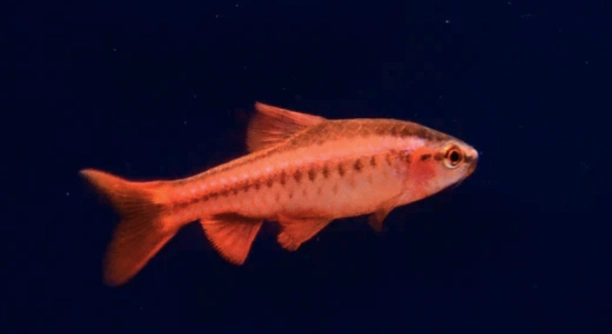
If you’ve noticed your cherry barb turning pale, it can be concerning. Healthy fish typically have vibrant colors, so any sudden changes in appearance can indicate underlying issues that need attention.
Cherry barbs can turn pale due to various factors, such as stress, poor water conditions, illness, or improper diet. Stress can weaken their immune system, making them more susceptible to infections, while poor water quality often leads to discoloration.
Understanding the cause of your fish’s color change can help restore its health. Keep reading to find out how to address the problem and prevent further issues.
Causes of Pale Cherry Barb Coloration
Cherry barbs are sensitive to changes in their environment. When water conditions are poor, such as high ammonia, nitrites, or fluctuating pH, they often show signs of stress. Additionally, overcrowded tanks, incompatible tank mates, or sudden changes in water temperature can all affect their health. A sudden shift in diet, like lack of variety or missing essential nutrients, can also cause a noticeable loss in color. Even the stress from excessive handling or a change in their habitat can result in pale fish. These conditions weaken their immune system, making them more prone to infections, which may further affect their appearance.
Water quality is vital for the health of any aquarium fish. It’s important to test the water regularly and maintain optimal parameters. If you notice your fish becoming pale, start by checking the water and ensuring it is clean and stable.
In some cases, poor diet and inadequate nutrition can contribute to fading colors. Cherry barbs require a varied diet to maintain their vibrant colors. Ensure that they are being fed high-quality food, including flakes, pellets, and occasional live or frozen treats.
Stress and Its Impact
Fish, like any other living creatures, are sensitive to stress. Cherry barbs in particular are not equipped to handle high levels of stress, which can manifest as color changes, unusual behavior, or even illness. Stress can come from many sources, including changes in water parameters, aggression from other tank mates, or even the presence of a predator.
If your cherry barb is showing signs of stress, it’s important to address the issue quickly. A stress-free environment will help the fish regain its normal coloration. It’s essential to monitor their tank mates and ensure there are no aggressive or territorial fish that may be stressing out your cherry barb. If stress is the cause, consider rearranging the tank to provide more hiding spots or reduce the number of tank mates.
Stress can also lead to diseases that can affect a fish’s appearance. Therefore, managing stress is key to maintaining healthy, colorful fish.
Poor Water Quality
Water quality is crucial to the health of your cherry barb. High ammonia levels, nitrites, and a fluctuating pH can lead to stress, weakening the fish and causing color loss. Make sure your aquarium is properly filtered, and perform regular water changes.
Test your water parameters often to ensure they stay within the ideal range. Ammonia and nitrites should always be at zero, while the pH should be stable and suitable for your fish. If any levels are off, correct them immediately. Frequent water changes help maintain a healthy environment and prevent harmful substances from building up.
If you’re unsure of the water quality, consider adding a reliable water test kit to monitor levels closely. Poor water quality can quickly lead to other health issues in your fish, so maintaining cleanliness and stability is vital for their well-being. This can restore their vibrant color and overall health.
Diet and Nutrition
Feeding your cherry barb a balanced diet is essential for maintaining its bright color. A poor diet can lead to color fading, as fish need a variety of nutrients to thrive. Include both plant-based and protein-rich foods in their meals.
A diet of high-quality flake food, supplemented with occasional frozen or live foods like brine shrimp or daphnia, will provide the necessary vitamins and minerals. Cherry barbs, like other fish, benefit from variety, so avoid feeding them the same food every day. This will not only improve their coloration but also support their immune system and overall health.
If your fish are not eating well, try adjusting the food types or feeding schedule. A healthy diet plays a significant role in restoring and maintaining their appearance.
Illness and Infections
Cherry barbs are susceptible to various diseases, and certain illnesses can cause them to lose their vibrant colors. Common infections like Ich or Velvet can lead to pale skin, and stress from these diseases further weakens the fish.
Look for additional signs like white spots, abnormal swimming, or visible lesions. If your cherry barb shows these symptoms, it’s crucial to treat the tank as soon as possible. Quarantining affected fish can help prevent the spread of the disease to others in the aquarium. Timely intervention is important to restore both health and color.
Temperature Fluctuations
Fluctuating water temperatures can stress your fish and cause their color to fade. Cherry barbs prefer stable temperatures, ideally between 72°F and 80°F.
Ensure that your aquarium heater is functioning correctly to maintain the right temperature. Frequent shifts in temperature can cause rapid changes in fish behavior, including pale coloration. If you notice sudden temperature changes, take immediate action to stabilize the environment. Proper temperature control will prevent additional stress on your cherry barbs and help them maintain their natural colors.
Tank Maintenance
Regular tank maintenance is essential to keep your cherry barb healthy. Neglecting tasks like cleaning the tank, replacing filter media, or testing water can lead to poor water quality and stress.
Establish a routine to check and maintain the aquarium. Clean the substrate, change 10-20% of the water weekly, and ensure the filter is working efficiently. Regular maintenance prevents buildup of harmful substances and keeps your fish comfortable. A clean tank is a vital part of ensuring your fish remain colorful and healthy.
FAQ
Why did my cherry barb suddenly turn pale?
A sudden color change in cherry barbs can be caused by stress, poor water quality, disease, or an inadequate diet. These fish are sensitive to changes in their environment. Factors like fluctuating water parameters, overcrowding, and aggression from tank mates can lead to discoloration. It’s important to evaluate the water conditions and check for signs of illness or stress.
How can I fix pale coloration in my cherry barb?
To fix pale coloration, first, ensure that your water quality is optimal. Test for ammonia, nitrites, and pH levels, adjusting them as needed. Second, check for signs of illness and treat accordingly. Lastly, feed a varied, balanced diet to improve their health and color.
What should I do if my cherry barb is stressed?
If your cherry barb is stressed, the first step is to identify the source of stress. Ensure that the tank is not overcrowded, check the compatibility of tank mates, and eliminate any sources of aggression. Providing hiding spots and maintaining stable water parameters can help reduce stress levels.
Can cherry barbs recover from illness or infection?
Yes, cherry barbs can recover from illness or infection with the right care. If you notice symptoms such as spots, lesions, or abnormal swimming, isolate the affected fish and treat the water with appropriate medications. Early intervention can help prevent the spread of disease and improve recovery chances.
How often should I clean my tank to prevent pale coloration in my cherry barbs?
Regular tank maintenance is crucial for preventing pale coloration in your cherry barbs. Perform partial water changes (about 10-20%) weekly and clean the substrate and decorations as needed. Regular maintenance ensures the water quality remains high, reducing the likelihood of stress and disease.
How do I know if my cherry barb is not eating properly?
If your cherry barb is not eating, you may notice a decrease in activity or weight loss. Additionally, they may ignore food during feeding times or swim away from it. If this occurs, try offering a variety of food types to encourage eating, and make sure water quality is optimal.
What is the best temperature for cherry barbs?
Cherry barbs thrive in temperatures between 72°F and 80°F. Maintaining a consistent temperature within this range helps reduce stress and supports their overall health. Avoid fluctuations in temperature, as this can lead to pale coloration and other health issues.
Can overfeeding cause pale coloration in cherry barbs?
Overfeeding can lead to poor water quality, which in turn can stress your cherry barbs and cause them to lose their color. Uneaten food decays, raising ammonia and nitrite levels in the tank. Stick to a feeding schedule and avoid overfeeding to keep the water clean and your fish healthy.
Do cherry barbs need a lot of space?
While cherry barbs are relatively small fish, they still require enough space to swim comfortably. A tank of at least 20 gallons is recommended for a small group. Overcrowding can lead to stress, aggression, and pale coloration. Make sure they have adequate room to thrive.
Is it necessary to quarantine new fish before adding them to the tank?
Yes, quarantining new fish is important to prevent the spread of diseases to your existing fish. Keep new arrivals in a separate tank for at least two weeks to monitor them for signs of illness before introducing them to the main tank. This reduces the risk of infections.
Can tank mates affect the coloration of cherry barbs?
Yes, certain tank mates can affect the coloration of cherry barbs. Aggressive or overly active fish can stress out your barbs, leading to a loss of color. It’s important to choose peaceful, compatible tank mates to keep your cherry barbs comfortable and healthy.
How do I improve the color of my cherry barb after it’s turned pale?
To improve your cherry barb’s color, ensure they are in a stress-free environment with stable water conditions. Feed a balanced, nutritious diet and remove any aggressive tank mates. Also, keep the tank clean and perform regular water changes to maintain a healthy environment.
Can water hardness affect the color of cherry barbs?
Water hardness can affect the health of cherry barbs, though it typically has less impact on coloration compared to other factors like stress or water quality. Cherry barbs prefer soft to moderately hard water. If the water is too hard, it can affect their overall well-being and possibly lead to fading colors.
Do cherry barbs need a specific lighting setup?
While cherry barbs don’t require special lighting, providing natural lighting or a moderate aquarium light cycle can help them maintain their color. Avoid overly bright or harsh lights, as this can stress your fish. A natural day-night cycle is best for their health and well-being.
Can I use a fish medication to restore color?
Fish medications can help treat specific illnesses that cause pale coloration, such as bacterial infections or parasites. However, medications alone won’t restore color if the issue is related to poor water quality, stress, or diet. Address these factors first, and use medications only when necessary.
Why do my cherry barbs lose their color when stressed?
When stressed, cherry barbs release stress hormones that can cause their body to lose color. Stress affects their immune system, making them more vulnerable to diseases, which can also result in pale coloration. Identifying and removing the source of stress is key to restoring their health and color.
Can cherry barbs survive in freshwater tanks with other fish species?
Yes, cherry barbs can thrive in freshwater tanks with other peaceful fish species. They are compatible with many types of fish, including tetras, rasboras, and other barbs. Avoid keeping them with aggressive or territorial fish, as this can cause stress and pale coloration.
How do I know if my cherry barb is healthy?
A healthy cherry barb will be active, have bright coloration, and swim freely around the tank. It will also have a strong appetite and show no signs of disease, such as abnormal swimming or lesions. Regularly monitor your fish’s behavior and appearance to ensure they stay healthy.
Do cherry barbs need a lot of filtration?
While cherry barbs don’t require heavy filtration, good filtration is important to maintain clean, stable water conditions. A reliable filter will help keep ammonia and nitrite levels low, preventing stress and diseases that could cause pale coloration. Make sure to clean and maintain the filter regularly.
Final Thoughts
When cherry barbs turn pale, it’s a sign that something is off in their environment. The most common causes are stress, poor water quality, or illness. Ensuring your fish are in a stable, clean tank is essential for maintaining their vibrant color. Regular water changes, proper filtration, and a balanced diet go a long way in keeping your cherry barbs healthy. Small adjustments to your tank can make a big difference in restoring their health and appearance.
It’s also important to monitor the behavior of your cherry barbs closely. If they show signs of illness or stress, take action quickly. This could involve checking for any sudden changes in water parameters or isolating a sick fish to prevent the spread of disease. Pay attention to their feeding habits as well, as a lack of appetite or change in swimming behavior can be early signs of stress or illness. Treating any issues promptly is key to a quick recovery.
Lastly, remember that every fish is unique. While these general tips can help maintain the health and color of your cherry barbs, individual cases may require different approaches. If you notice persistent color fading despite following care guidelines, it might be helpful to consult with an aquarium specialist. They can offer more tailored advice based on your specific tank setup and the needs of your fish. With the right care and attention, your cherry barbs will not only recover but thrive in their environment.

Hello,
If you enjoy the content that we create, please consider saying a "Thank You!" by leaving a tip.
Every little bit helps us continue crafting quality advice that supports the health, happiness, and well-being of pets around the world, for pets of all shapes, sizes, and species.
We really appreciate the kindness and support that you show us!