
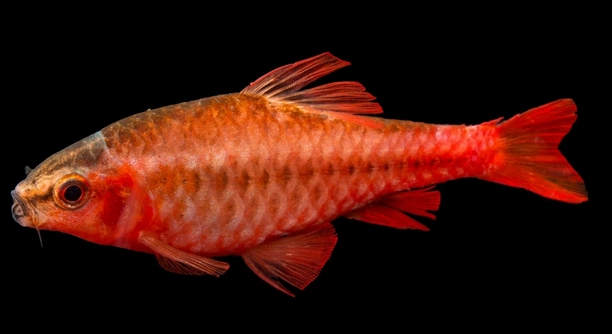
Cherry barbs are vibrant and lively fish that bring energy to any aquarium. However, like any pet, they may experience emergencies. It’s essential to be prepared for unexpected situations to ensure their health and well-being.
In the case of a cherry barb emergency, having certain items on hand can make all the difference. Key supplies include water conditioners, a quarantine tank, a water test kit, a net, a heater, medications, and a water siphon.
Being ready for any issue that arises can help you respond quickly and effectively. Knowing what supplies to keep on hand is crucial for keeping your fish happy and healthy.
Essential Items for Cherry Barb Emergencies
Cherry barbs are relatively easy to care for, but having a few key items ready can help you avoid stress during emergencies. Water conditioners are crucial for ensuring the water in your tank remains safe and stable, especially when a problem arises. A quarantine tank is helpful for isolating sick fish, preventing the spread of illness to healthy ones. A water test kit allows you to quickly check water parameters like pH, ammonia, nitrite, and nitrate levels, which are vital for maintaining a healthy environment. Having a net on hand will help you catch your fish without causing undue harm. A heater ensures the water remains at the right temperature if the main aquarium heater fails. Finally, medications are essential for treating common fish diseases, and a water siphon helps you clean the tank quickly during emergencies.
Water conditioners work to eliminate harmful substances such as chlorine and chloramine in your tap water, making it safe for your fish. If the water’s quality suddenly drops, they can be a quick fix to stabilize the environment.
These items can be lifesaving in an emergency, providing you with the tools needed to respond swiftly. You can address issues such as water quality problems, diseases, or even injury, reducing the chances of a major setback for your fish. By keeping these supplies readily available, you avoid the stress of scrambling for solutions during an urgent situation.
Water Test Kit: A Critical Tool
A water test kit is one of the most essential tools in your emergency kit. With it, you can monitor water quality at a moment’s notice. Ensuring your fish are in the safest environment possible requires checking parameters like ammonia, nitrate, nitrite, and pH. These factors can fluctuate quickly, especially after any changes to the tank or during an emergency.
Being able to test the water regularly helps you catch issues before they become major problems. If you notice any dangerous spikes in ammonia or nitrites, you can take immediate action by performing a water change or adding the appropriate treatments. In emergencies, quick and accurate testing is key to stabilizing the environment and ensuring your cherry barbs survive.
Having a water test kit on hand can prevent some of the most common health problems. By checking the water often, you can address any imbalances right away, whether from a broken filter, water changes, or other disruptions. In times of stress, maintaining a stable tank is one of the most important things you can do to support your fish.
Quarantine Tank for Safe Isolation
A quarantine tank serves as an essential safeguard in any emergency. If a cherry barb becomes sick or shows signs of disease, isolating it from the rest of the tank is critical. This prevents the spread of infection and gives the fish the best chance at recovery.
Setting up a quarantine tank doesn’t require a lot of space or equipment. A simple small tank, a filter, a heater, and water conditioner are enough to get started. By isolating sick fish, you minimize the risk to your healthy fish, ensuring that only the affected one receives treatment. This also reduces stress for the rest of the tank.
In emergencies, a quarantine tank is invaluable. It allows you to treat illnesses like parasites or bacterial infections without risking further spread to the entire tank. The time spent isolating and treating a fish in a separate tank can make the difference between recovery and serious illness.
Medications: Be Prepared for Illness
Keeping a variety of fish medications on hand ensures you can act quickly during an emergency. These can include treatments for common issues like fungal infections, parasites, or bacterial outbreaks. Always choose medications suited for your cherry barbs and their specific needs.
The right medications can make a significant difference when a fish is showing signs of illness. Having a selection on standby allows you to start treatment immediately, which can greatly improve the chances of recovery. Be sure to store medications properly to maintain their effectiveness when you need them most.
Water Siphon for Quick Cleanups
A water siphon helps you maintain a clean tank, especially in emergencies. It allows you to quickly remove debris and waste, ensuring that your fish are swimming in a clean environment. In a stressful situation, having this tool handy makes cleaning much easier.
The ability to perform a quick water change and remove waste can prevent potential problems. Whether the emergency involves an equipment malfunction or water quality issues, a water siphon helps stabilize the tank. This ensures your fish have the best possible chance for recovery in stressful situations.
FAQ
What should I do if my cherry barb shows signs of stress?
Stress in cherry barbs is often caused by poor water conditions, overcrowding, or sudden changes in their environment. Start by checking the water parameters using a test kit to ensure the levels are safe. If the tank conditions are fine, check for any tank mates that may be causing aggression. Reducing stressors by providing hiding spots or adjusting the water flow can also help.
How often should I perform water changes for my cherry barb tank?
Water changes should be done at least once a week to maintain good water quality. However, if your tank is heavily stocked or you notice poor water parameters, more frequent changes might be necessary. Typically, a 25-30% water change is sufficient. Always use water conditioners to remove chlorine and chloramines from tap water before adding it to the tank.
Can cherry barbs survive in a tank with high nitrate levels?
Cherry barbs are sensitive to high nitrate levels, and prolonged exposure can lead to health issues. Ideally, nitrate levels should be kept below 20 ppm for optimal health. If nitrate levels are high, perform a water change immediately. Regularly monitor your water quality to prevent this issue from happening.
What is the ideal water temperature for cherry barbs?
Cherry barbs thrive in water temperatures between 72-78°F (22-26°C). Keeping the water in this range ensures they stay active and healthy. Using a reliable heater will help maintain the temperature consistently, especially during colder months when room temperature can fluctuate.
How can I tell if my cherry barb has a parasite?
Signs of parasites in cherry barbs can include unusual swimming behavior, visible spots or lesions on the body, clamped fins, or rubbing against tank surfaces. If you suspect a parasitic infection, isolate the affected fish in a quarantine tank and treat with an appropriate medication. Consult an aquarium professional if the problem persists.
Should I add salt to my cherry barb tank?
Generally, cherry barbs do not require aquarium salt, as they are freshwater fish. However, in cases of illness, salt can be beneficial for treating certain conditions like external parasites or wounds. Use salt sparingly and carefully follow dosage instructions, as excessive salt can harm the fish.
Can cherry barbs live with other fish?
Yes, cherry barbs are peaceful and can live with other non-aggressive species. They do best with other small to medium-sized fish, such as rasboras, tetras, or peaceful catfish. Avoid keeping them with larger or more aggressive fish, as this can cause stress or injury.
How can I prevent cherry barb diseases?
To prevent diseases, maintain a clean and stable tank environment. Regular water changes, proper filtration, and monitoring water parameters are key. Quarantine new fish before adding them to your main tank to prevent the introduction of illness. Ensuring your fish are not stressed and have a balanced diet also promotes overall health.
Why is my cherry barb swimming upside down?
If your cherry barb is swimming upside down, it may have a swim bladder issue, which can occur due to overfeeding or a bacterial infection. Reduce feeding and check the water parameters to ensure they are within safe ranges. If the behavior persists, you may need to isolate the fish and treat it with appropriate medications.
Can cherry barbs live with bettas?
While cherry barbs are generally peaceful, they can live with bettas in some cases. However, bettas are territorial and may become aggressive towards other fish, especially males. If you plan to house cherry barbs with a betta, make sure the tank is large enough and that there are plenty of hiding spots for the barbs.
How can I tell if my cherry barb is male or female?
Male cherry barbs are typically more vibrant in color, with a brighter red hue on their bodies. Females are usually less colorful and appear more subdued in comparison. Additionally, males often display a more slender body shape, while females are slightly rounder, especially when carrying eggs.
What should I do if my cherry barb is injured?
Injuries can occur due to tank mates or environmental stress. If your cherry barb is injured, isolate it in a quarantine tank to prevent further harm. Keep the water clean, and use medications if necessary. You can also provide hiding spots to help reduce stress and allow for recovery.
How can I improve the breeding conditions for cherry barbs?
To encourage breeding, maintain a separate breeding tank with clean, soft water and a temperature of around 75-78°F (24-26°C). Adding plants or spawning mops can help the fish feel secure. Ensure that you have both males and females in the tank and provide high-quality food to encourage egg production.
Is it normal for cherry barbs to jump out of the tank?
Cherry barbs are known to occasionally jump, especially if they feel stressed or if the tank water conditions are poor. To prevent this, ensure your aquarium is properly covered with a lid. Maintaining good water quality and providing hiding places can help keep your fish comfortable and reduce the chances of jumping.
How can I improve the color of my cherry barbs?
The color of your cherry barbs is influenced by water quality, diet, and light. Providing a balanced diet with high-quality flakes or pellets, along with occasional live or frozen foods, can help enhance their color. Additionally, ensure the water is clean and stable, with the right temperature and pH, to bring out the best in your fish.
Can cherry barbs survive in a tank without a filter?
While cherry barbs can survive in tanks without a filter, it’s not recommended for their long-term health. A filter helps maintain clean water by removing waste, excess food, and toxins. Without proper filtration, water quality will deteriorate quickly, leading to stress or illness for the fish.
Final Thoughts
Cherry barbs are hardy and peaceful fish that can thrive in a variety of tank setups. Their colorful appearance and calm nature make them a great choice for both beginners and experienced aquarium keepers. However, like all fish, they require proper care to ensure they stay healthy and happy. It’s essential to maintain stable water conditions, a balanced diet, and a tank free from stressors. By staying on top of these factors, you can enjoy watching your cherry barbs flourish in their environment.
One of the key factors in keeping cherry barbs healthy is maintaining water quality. This means regularly testing the water for important parameters like pH, ammonia, nitrites, and nitrates. It’s also important to perform regular water changes, usually once a week, to prevent the buildup of harmful toxins. Providing good filtration and ensuring that the tank isn’t overcrowded can also help keep the water clean and stable. Additionally, having the right temperature range for cherry barbs—around 72-78°F (22-26°C)—helps them stay active and stress-free. If you take these simple steps to keep the water quality in check, your cherry barbs will thrive.
Finally, consider the social nature of cherry barbs when setting up your tank. They do well in groups and should be kept in schools of at least five or six fish. This helps reduce stress and allows them to display their natural behavior. Tankmates should be peaceful and non-aggressive to avoid any unnecessary conflict. Cherry barbs are small and don’t need a large tank, but it’s still important to give them enough space to swim freely. With the right environment, good water quality, and proper care, your cherry barbs will be a beautiful and peaceful addition to your aquarium.

Hello,
If you enjoy the content that we create, please consider saying a "Thank You!" by leaving a tip.
Every little bit helps us continue crafting quality advice that supports the health, happiness, and well-being of pets around the world, for pets of all shapes, sizes, and species.
We really appreciate the kindness and support that you show us!