
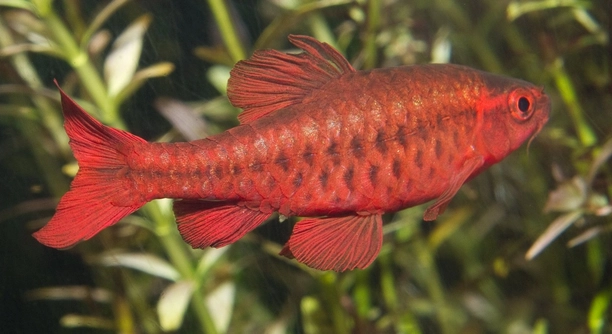
Cherry barbs are a popular aquarium fish loved for their vibrant colors. However, just like any pet, they are susceptible to certain health issues that may be hard to notice early on.
Early signs of Cherry Barb disease often include behavioral changes, reduced appetite, or physical symptoms such as faded colors or abnormal swimming patterns. Identifying these signs can prevent more serious health problems, ensuring your fish stays healthy.
Recognizing these early warnings will help you provide timely care, giving your Cherry Barb the best chance for recovery and continued vitality. Understanding the key signs is essential for any aquarium owner.
Changes in Behavior
When Cherry Barbs begin to feel unwell, one of the first signs is a change in their behavior. Healthy Cherry Barbs are active and social, often swimming in schools. However, when they are sick, they may become lethargic, spend more time hiding, or swim erratically. A drop in activity can be an early indicator that something is wrong.
Even small behavior changes like staying near the bottom of the tank or swimming slowly should be noticed. These changes can indicate discomfort or distress. Fish that are usually active but now seem to lack interest in their environment should be observed closely.
If the symptoms persist for a few days, it’s important to test the water quality and check for any other health issues. Monitoring changes in their activity can prevent more severe problems from developing, ensuring your fish stay in top condition. Early intervention can make a huge difference.
Faded or Dull Colors
If your Cherry Barb starts to lose its vibrant colors, it might be a sign of stress or illness. Healthy Cherry Barbs have bright red or orange hues, which can fade if they are unwell.
This fading can happen for a number of reasons, including poor water conditions, inadequate diet, or stress from tank mates. If your fish has a dull or washed-out appearance, it’s worth looking into possible causes such as water quality issues. Changes in color are often one of the first visual signs of a problem.
A healthy aquarium environment is crucial for maintaining their colors. Poor water conditions can lead to stress, which affects the fish’s natural coloring. Ensuring your Cherry Barb has proper care, including appropriate diet and tank setup, can prevent this issue. Regular water changes and monitoring water parameters can also help maintain their health.
Loss of Appetite
Cherry Barbs are generally good eaters, and a loss of appetite can be an early sign that something is wrong. If your fish suddenly stops eating, it could be due to a number of reasons, such as stress, poor water quality, or illness.
If you notice your Cherry Barb refusing food, it’s important to check the water parameters and ensure they are within the correct range. Sometimes, fish can lose their appetite due to environmental factors like temperature fluctuations or high levels of ammonia in the water.
You can try offering a variety of foods, as sometimes a change in diet can help. However, if the lack of appetite continues for more than a couple of days, it’s a strong signal that you need to investigate the water quality and possibly quarantine the fish to prevent the spread of disease. Keeping an eye on their eating habits is essential for early detection of any health issues.
Abnormal Swimming Patterns
Abnormal swimming patterns are another clear indicator that your Cherry Barb may be suffering from a health problem. Normally, these fish swim in smooth, graceful movements, often in schools. When sick, their swimming behavior can change dramatically.
You may notice that your fish is swimming erratically, staying in one area, or struggling to stay afloat. This could indicate a number of potential issues, including parasites, internal infections, or problems with water quality. Fish that are sick may also swim in circles or flip upside down.
If you observe any unusual swimming behavior, it’s crucial to check the water quality, as poor conditions often lead to distress in fish. Additionally, you should inspect your fish for external parasites or wounds. In some cases, an illness can affect a fish’s buoyancy, causing it to swim oddly or have difficulty staying upright.
Ensuring the health of your tank and providing prompt attention to these symptoms can prevent further harm to your Cherry Barb.
White Spots on the Skin
White spots appearing on your Cherry Barb’s skin could be a sign of a parasite infection, such as “Ich,” a common disease in aquarium fish. These spots look like tiny grains of salt or sugar. If your fish is covered in these spots, it’s important to act quickly.
Ich can spread quickly if not addressed, leading to more serious health problems. You may also notice your fish scratching against objects in the tank, which is another sign of irritation. The disease typically causes a fish to become more stressed, leading to a decrease in activity.
Treatment usually involves raising the water temperature slightly, along with adding medications specifically designed to treat parasitic infections. It’s essential to quarantine affected fish to prevent it from spreading to others in the tank. Regular water changes and maintaining good water quality can help prevent future outbreaks.
Bloated Abdomen
A bloated or swollen abdomen can indicate that your Cherry Barb is suffering from overfeeding, constipation, or internal infections. A noticeable swelling in the belly is a warning sign that should not be ignored.
The cause of bloating can vary, but the most common issue is overfeeding. If your Cherry Barb has access to too much food, it can result in digestive problems. Additionally, an internal infection or poor water conditions can lead to bloating as well.
If you notice bloating, it’s best to reduce the amount of food you are offering and ensure the water quality is optimal. If the bloating persists, a more thorough investigation into the fish’s diet or health is required. Some aquarium owners use specific treatments for constipation, but if the swelling continues, it may be a sign of a more serious internal issue.
Gasping for Air
If your Cherry Barb is gasping at the water surface, it could indicate a problem with oxygen levels or water quality. This behavior is a sign of distress and should be addressed immediately.
A low oxygen level can result from poor water circulation, overstocking, or high temperatures. You should increase aeration in the tank by adding a filter or air pump to help restore oxygen levels. Regular water changes also improve water quality, ensuring that your fish have a healthier environment to thrive in.
Skin Lesions or Redness
Lesions or redness on the skin of your Cherry Barb can be a sign of a bacterial infection or injury. These symptoms should be treated quickly to prevent further damage.
Infections or physical trauma to the skin can cause irritation, leading to open sores. Make sure to keep your fish’s environment clean and monitor water parameters. If the lesions worsen, it’s important to consider quarantine and possible medication to prevent the infection from spreading.
Lethargy and Hiding
If your Cherry Barb is hiding more than usual and appears lethargic, it could be a sign of stress or illness. Healthy fish are generally curious and social, so significant changes in behavior indicate something is wrong.
Lack of activity could be linked to environmental factors, such as poor water quality, bullying by other tank mates, or illness. It’s crucial to assess the water parameters and ensure all fish in the tank are compatible with each other. Additionally, keep a close eye on any other symptoms, like fading color or loss of appetite, as they can help determine the cause.
FAQ
What are the common diseases Cherry Barbs suffer from?
Cherry Barbs are prone to a variety of diseases, including Ich (white spot disease), velvet disease, and bacterial infections. These conditions can often be identified through visual symptoms such as changes in color, abnormal swimming behavior, or the appearance of lesions on the skin. Maintaining good water quality and a balanced diet can help prevent these diseases.
How do I prevent Cherry Barb diseases?
The best way to prevent diseases in Cherry Barbs is by ensuring optimal water conditions, as poor water quality is a leading cause of stress and illness. Regular water changes, monitoring pH levels, and using a reliable filtration system are essential for keeping their environment clean. Proper feeding habits and preventing overcrowding also contribute to a healthier tank.
What is the ideal water temperature for Cherry Barbs?
Cherry Barbs thrive in water temperatures between 74°F and 79°F (23°C to 26°C). Staying within this range helps reduce stress and keeps the fish comfortable. Fluctuating temperatures or extreme cold can weaken the fish’s immune system, making them more vulnerable to diseases.
Why is my Cherry Barb swimming erratically?
Erratic swimming can be a sign of several issues, including stress, poor water quality, or a parasitic infection. Fish might swim erratically if they’re in pain or discomfort. It’s important to check water parameters and inspect the fish for visible signs of illness. If symptoms persist, isolating the fish in a quarantine tank might be necessary for treatment.
What should I do if my Cherry Barb has faded colors?
Fading colors in Cherry Barbs can indicate stress, poor water quality, or an underlying illness. If you notice this symptom, check the water conditions to ensure the tank is properly maintained. A change in diet or adding a stress-reducing supplement might also help restore vibrancy. If fading continues, it’s important to consult with an aquarium professional to diagnose potential health issues.
How often should I feed my Cherry Barbs?
Cherry Barbs should be fed once or twice a day with small amounts of food they can consume in a few minutes. Overfeeding can lead to water contamination and health problems. Offering a varied diet with high-quality flakes, pellets, or occasional live food will help keep them healthy. Always remove any uneaten food to maintain water quality.
Can Cherry Barbs live with other fish?
Cherry Barbs are peaceful and can live with a variety of other fish, especially those that are similar in size and temperament. They do well in community tanks with non-aggressive species. Avoid keeping them with large or overly aggressive fish, as they may become stressed or bullied. Always ensure that the tank mates have similar environmental and dietary needs.
How can I tell if my Cherry Barb is stressed?
Signs of stress in Cherry Barbs include faded colors, loss of appetite, abnormal swimming behavior, and hiding. Stress can be caused by poor water quality, aggressive tank mates, or sudden changes in the tank environment. It’s important to keep the tank stable and provide a peaceful, consistent environment for your fish.
What are the signs of a parasitic infection in Cherry Barbs?
Parasitic infections can cause visible symptoms like white spots on the body (Ich), velvet-like skin appearance, or excessive scratching. Infected fish may also exhibit abnormal swimming patterns, lethargy, or loss of appetite. If you suspect a parasitic infection, it’s important to quarantine the affected fish and treat the tank accordingly.
How do I treat a bacterial infection in my Cherry Barb?
Bacterial infections in Cherry Barbs can be treated with medicated fish treatments available at pet stores or online. You may notice skin lesions, redness, or swelling as signs of infection. Quarantine the infected fish to prevent it from spreading to others. Ensure your tank is clean and your water parameters are stable for a faster recovery.
What should I do if my Cherry Barb stops eating?
A loss of appetite in Cherry Barbs can be caused by stress, illness, or poor water conditions. First, check the water quality and make sure it’s within the optimal range. If everything looks fine and the fish still refuses to eat, consider treating for parasites or bacterial infections. Offering a variety of food types can also help stimulate their appetite. If the problem persists, consult with a vet or an aquarium expert.
Can I treat my Cherry Barb in the main tank?
It’s generally recommended to treat sick Cherry Barbs in a quarantine tank to avoid affecting the entire aquarium. Adding medication to the main tank could harm healthy fish or disrupt the tank’s ecosystem. If a quarantine tank isn’t available, make sure to monitor water parameters closely and treat the tank carefully with appropriate dosages of medication.
What are the most common signs that my Cherry Barb is unwell?
The most common signs include faded or dull colors, loss of appetite, abnormal swimming behavior, and visible lesions on the body. Gasping at the surface or hiding more than usual are also signs of illness. Address these symptoms early to prevent further health issues. Always keep an eye on your fish’s behavior and appearance.
How do I know if my Cherry Barb has parasites?
Parasites can cause a variety of symptoms, including white spots on the body, slimy skin, or scratching against objects in the tank. If your fish is showing signs of discomfort and exhibits these symptoms, it’s possible that it has a parasitic infection. Immediate treatment is necessary to prevent it from spreading to other fish.
Final Thoughts
Cherry Barbs are generally hardy fish, but like any aquarium pet, they can face health challenges. Early detection of illness is key to ensuring your fish stay happy and healthy for as long as possible. The signs we’ve discussed, like behavioral changes, fading colors, and abnormal swimming patterns, are all indicators that something might be wrong. Paying attention to these small changes can help you address issues before they become more serious problems.
Proper care and maintenance are essential in keeping your Cherry Barbs healthy. This includes maintaining clean water, providing a balanced diet, and avoiding overcrowding in your tank. Stress is a common trigger for many health issues, so creating a calm and stable environment will go a long way in keeping your fish comfortable. Regular water tests and making adjustments as needed can help prevent many of the illnesses that affect Cherry Barbs, ensuring they stay vibrant and active.
If you do notice any of the early warning signs of disease in your Cherry Barb, it’s important to take swift action. Isolating sick fish in a separate quarantine tank can help prevent the spread of illness to others. Using appropriate treatments and maintaining optimal water conditions can give your fish the best chance for recovery. By staying vigilant and proactive, you can provide your Cherry Barbs with the best care and help them live long, healthy lives in your aquarium.

Hello,
If you enjoy the content that we create, please consider saying a "Thank You!" by leaving a tip.
Every little bit helps us continue crafting quality advice that supports the health, happiness, and well-being of pets around the world, for pets of all shapes, sizes, and species.
We really appreciate the kindness and support that you show us!