
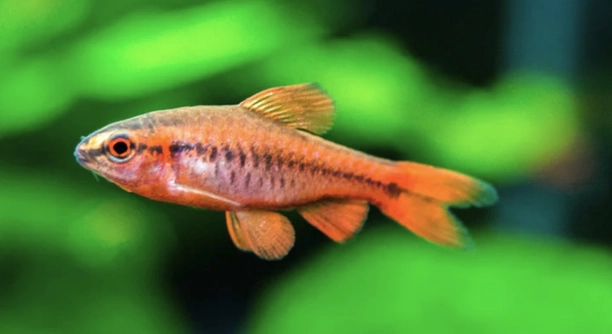
Cherry Barbs are small, colorful fish that many people enjoy keeping in their aquariums. These fish are not only beautiful but also known for their friendly and social nature. Observing their behaviors can be quite fascinating.
Cherry Barbs do have a sense of smell, which helps them detect food in the tank. However, their ability to smell food across a large distance is limited, and they rely more on sight and movement to locate food.
Learning about how Cherry Barbs interact with their environment can help you create a more enjoyable aquarium experience. Understanding their behaviors, like how they find food, is just one part of keeping them healthy and happy.
How Do Cherry Barbs Find Food?
Cherry Barbs rely on their sense of smell to locate food, but it’s not as strong as other fish species. Their noses can detect chemical signals released into the water, which helps them sense the presence of food. This ability isn’t as advanced as it is in certain predators, but it plays a role in guiding them to meals. In their natural habitat, Cherry Barbs might swim through plants or rocky areas where food particles are scattered, and they use their sense of smell to guide them in the right direction.
Although smell plays a part, Cherry Barbs are also very visual creatures. They often rely more on what they see to find food, especially when food is actively moving or floating. In an aquarium setting, they might follow food that’s sinking or being stirred around.
Understanding this balance of senses can be useful when feeding Cherry Barbs. When you drop food into the tank, they may approach it based on visual cues first. However, the smell will help them find bits of food scattered across the water.
Can Cherry Barbs Smell Across the Tank?
Cherry Barbs’ ability to detect food across the tank is limited. They do not have the sharpest sense of smell when compared to other species like sharks or catfish.
Their sense of smell works best when food is nearby or when it’s broken into smaller pieces that disperse in the water. The smell doesn’t travel very far in the tank. This is why you might notice them swimming toward food only when it’s close enough to detect, especially if it’s floating near the water’s surface. To make sure they are getting enough to eat, it’s important to feed them small amounts at different locations within the tank. This encourages them to search and find food.
Feeding Cherry Barbs Effectively
Cherry Barbs are small, active fish, so their feeding needs can be easily overlooked. It’s important to provide them with a varied diet that meets their nutritional needs. A balanced diet helps keep them healthy and promotes their bright coloration.
Flake foods, small pellets, and occasional live foods like brine shrimp are ideal for Cherry Barbs. They should be fed small amounts throughout the day, rather than in a single large feeding. This keeps them engaged and prevents overfeeding, which can lead to water quality issues. You can also offer occasional vegetable matter like spinach or zucchini.
It’s important to remove any uneaten food from the tank after a few hours. Leftover food can break down and affect the water quality, potentially leading to algae growth or poor water conditions. Keeping the feeding routine consistent is key to maintaining a healthy environment for your Cherry Barbs.
Water Quality and Its Impact on Smell
Cherry Barbs rely on good water quality to detect food and navigate their environment. Poor water conditions can dull their sense of smell, making it harder for them to find food.
Maintaining clean, well-filtered water helps preserve their natural abilities. Regular water changes and proper filtration ensure that there is no buildup of excess nutrients that could affect the fish’s health. In poor water quality, food particles might not disperse properly, making it difficult for the fish to detect them, which can lead to reduced feeding behavior. You should test the water regularly for ammonia, nitrate, and nitrite levels to ensure they are within safe ranges.
Good water quality also contributes to overall health, which in turn supports their natural instincts, including smelling and locating food. Keeping the tank clean will help your Cherry Barbs stay active and engaged during feeding time.
Tank Size and Cherry Barbs’ Behavior
Cherry Barbs are small fish, but they still need ample space to swim and search for food. A tank that is too small can stress them out, affecting their feeding habits. A larger tank gives them room to move around and explore.
A tank that’s at least 20 gallons is ideal for a small group of Cherry Barbs. When the tank is too crowded, they may not swim freely, which limits their ability to find food. They need space to engage with their environment and be active, which also keeps them healthy.
A well-sized tank allows the Cherry Barbs to behave naturally, including foraging for food. It helps reduce stress and lets them spread out to detect food, improving their overall well-being.
Tankmates and Feeding Dynamics
When Cherry Barbs share a tank with other fish, their feeding behavior can change. Aggressive or fast-moving fish might steal food before the Cherry Barbs can reach it.
To prevent this, consider keeping them with peaceful, similarly-sized species. Avoid housing them with large, territorial fish that may bully them during feeding times. Cherry Barbs prefer to feed in groups, so keeping a small school of them will encourage natural behaviors and ensure they get enough food.
With the right tankmates, Cherry Barbs can feed happily without stress, allowing them to enjoy their meals and remain healthy.
Cherry Barbs’ Feeding Schedule
Establishing a feeding schedule for Cherry Barbs is important for their well-being. They benefit from being fed multiple times a day.
Feed them small amounts in the morning and again in the evening. This helps mimic their natural feeding patterns, ensuring they receive the right amount of food without overfeeding. They may also search for additional food between meals, helping to keep them active and engaged.
A consistent feeding schedule ensures they stay healthy and helps avoid water quality issues from leftover food.
FAQ
Can Cherry Barbs smell food from far away?
While Cherry Barbs do have a sense of smell, it’s not as strong as some other species of fish. They can detect food particles nearby, but their sense of smell does not extend over long distances in the tank. Most of the time, they rely more on sight and movement to locate food. When food is dropped in the tank, they usually notice it once it starts to sink or move. If food is scattered throughout the water, they may use their sense of smell to help them find it, but only within a small range.
What should I feed my Cherry Barbs?
Cherry Barbs do well with a variety of foods, including high-quality flake food, small pellets, and occasional live foods like brine shrimp. They can also enjoy vegetables like spinach, zucchini, and peas. It’s important to offer a balanced diet that includes protein and vegetable matter to keep them healthy. Overfeeding can cause water quality issues, so it’s best to feed small amounts two to three times a day. Avoid feeding them large quantities in one go, as they may not be able to eat it all and the uneaten food can pollute the tank.
How often should I feed my Cherry Barbs?
Cherry Barbs should be fed multiple times a day, but in small amounts. Feeding them two to three times a day is ideal. You can give them a small amount of food in the morning and another small serving in the evening. This helps to mimic their natural feeding patterns and prevents overfeeding. It’s also a good idea to remove any uneaten food from the tank after about 10 to 15 minutes, as it can quickly break down and affect water quality.
Can Cherry Barbs live with other fish?
Yes, Cherry Barbs are peaceful and social fish that generally do well with other species. They are best kept with other non-aggressive, similarly sized fish. Avoid housing them with larger or more aggressive species that might outcompete them for food or stress them out. Good tankmates include other small peaceful fish like tetras, rasboras, and dwarf gouramis. When housed with other Cherry Barbs, they thrive in a small group and feel more comfortable.
How can I tell if my Cherry Barbs are getting enough food?
Cherry Barbs will actively swim toward food when it’s offered. If they are consistently eating when you feed them and are not losing weight, they’re likely getting enough. However, if they seem lethargic or constantly stay at the bottom of the tank, it might indicate that they’re not getting enough food or that the water quality is poor. Make sure to observe their behavior during feeding times and remove any uneaten food from the tank to prevent it from affecting water quality.
Do Cherry Barbs need a lot of space?
While Cherry Barbs are small, they still need enough space to swim freely. A tank of at least 20 gallons is recommended for a small group of these fish. Crowding can cause stress and interfere with their ability to find food. With more space, they can swim actively and explore their environment. A well-sized tank with hiding spots and plants can also help them feel secure, which in turn supports their natural feeding behavior.
Are Cherry Barbs easy to care for?
Yes, Cherry Barbs are generally easy to care for, especially for beginner aquarium keepers. They adapt well to a variety of water conditions, though regular water changes and proper filtration are important. They are hardy and can tolerate a range of temperatures, but they do best in a well-maintained tank with consistent water quality. Providing a varied diet, maintaining good water quality, and offering appropriate tankmates will help keep them happy and healthy.
How do I know if my Cherry Barbs are stressed?
Stressed Cherry Barbs may show signs such as hiding more than usual, staying near the bottom of the tank, or having a faded color. If they’re constantly chasing each other or showing signs of aggression, it could also indicate stress. Poor water quality, overcrowding, or aggressive tankmates are common causes of stress in Cherry Barbs. If you notice any of these signs, check the water quality and consider adjusting the tank setup to reduce stress factors.
Do Cherry Barbs need a filter?
Yes, Cherry Barbs benefit from having a filter in their tank. A good filtration system helps maintain water quality by removing debris and toxins like ammonia, nitrites, and nitrates. It also promotes healthy water movement, which mimics their natural environment. A filter is essential to keeping the tank clean and providing a stable environment for your Cherry Barbs. Be sure to clean the filter regularly and monitor the water quality to ensure that it remains optimal for the fish.
Can Cherry Barbs breed in a community tank?
Yes, Cherry Barbs can breed in a community tank, though it’s not always guaranteed. They will need specific conditions to breed, including slightly acidic water, stable temperature, and enough space to swim. If breeding is your goal, you may need to set up a breeding tank or separate the adults from the eggs, as other fish might eat them. Male Cherry Barbs typically show brighter coloration during the breeding season, and the females will appear rounder when carrying eggs. It’s important to provide plenty of plants and hiding spots for the fry once they hatch.
Final Thoughts
Cherry Barbs are peaceful, active fish that can make a great addition to most freshwater aquariums. Their ability to find food relies on a combination of their sense of smell, sight, and movement. While they are capable of detecting food in their environment, they are not particularly strong at smelling food from far away. Instead, they tend to rely more on visual cues and the movement of food to find their meals. Understanding this behavior can help you better manage feeding and ensure they are getting the nutrients they need.
Maintaining good water quality is essential for Cherry Barbs’ health. They thrive in stable, clean water, so regular water changes and proper filtration are crucial to keeping them happy. When the water quality is good, they can more easily find and consume food, as their senses are functioning at their best. Poor water conditions, on the other hand, can dull their senses and lead to stress or even illness. By keeping their environment clean, you’ll not only support their feeding habits but also promote overall well-being.
Feeding Cherry Barbs is relatively straightforward, but it requires some attention to detail. They benefit from a varied diet that includes both protein and plant matter. Small amounts of food, fed multiple times a day, work best for these fish. It’s also important to avoid overfeeding, as leftover food can pollute the tank. By providing a balanced diet and removing uneaten food, you’ll ensure that your Cherry Barbs stay healthy, active, and vibrant. With the right care and attention, Cherry Barbs can thrive in your aquarium for years to come.

Hello,
If you enjoy the content that we create, please consider saying a "Thank You!" by leaving a tip.
Every little bit helps us continue crafting quality advice that supports the health, happiness, and well-being of pets around the world, for pets of all shapes, sizes, and species.
We really appreciate the kindness and support that you show us!