
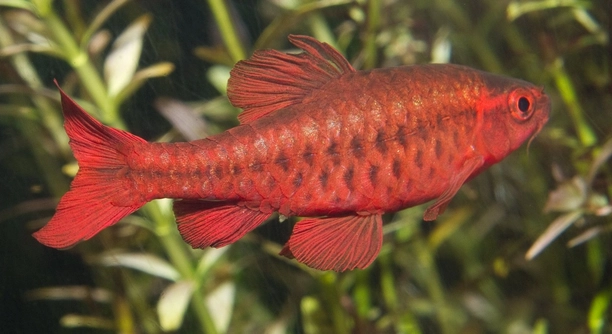
Cherry Barbs are a popular fish species among aquarium enthusiasts, known for their bright colors and active nature. However, many myths surround their care, leading to confusion for beginners. It’s time to set the record straight.
Cherry Barbs are hardy fish that require a balanced environment to thrive. Contrary to popular belief, they do not need extremely specific water conditions, but do best in slightly acidic to neutral water. Their diet is simple and they are peaceful community fish.
Understanding the truth about Cherry Barb care will ensure they thrive in your aquarium. By busting these common myths, you’ll feel more confident in providing the best care for your fish. Let’s explore how to keep them healthy and happy.
Myth 1: Cherry Barbs Need Fancy Water Conditions
Many people believe Cherry Barbs need a complex and highly specific water environment. In reality, they are quite adaptable and can live in a range of water conditions. Cherry Barbs thrive in slightly acidic to neutral water, with a pH of 6.0 to 7.5. They are comfortable in water temperatures between 72-80°F. While clean water is important, they do not require constant adjustments to their tank’s parameters, making them an easy fish to care for. So long as the water is filtered and free of harmful toxins, they’ll adjust quite well to most setups.
Cherry Barbs are not sensitive to small fluctuations in water hardness, which adds to their low-maintenance nature.
The key to keeping Cherry Barbs healthy is maintaining consistency in their environment. They are not as picky about water conditions as some other species, so worrying about precision water parameters is unnecessary. Regular water changes and proper filtration will keep them happy. These simple practices are all you need to ensure their long-term health.
Myth 2: Cherry Barbs Only Eat Live Food
There is a misconception that Cherry Barbs require live food to stay healthy and colorful. While they do enjoy the occasional treat of live or frozen food, they can thrive on a diet of high-quality flake or pellet food. They are omnivores and will happily eat a variety of plant and animal-based foods. The key is offering them a well-rounded diet to support their health and vibrant colors.
Providing a mix of flakes, pellets, and occasional frozen or live foods can keep them healthy and active.
Cherry Barbs need a varied diet to get all the nutrients they require. They will eat almost anything, including small worms, brine shrimp, and plant matter. A mixture of these food types will not only improve their well-being but also enhance their color. High-quality flake food designed for tropical fish can supply most of their nutritional needs. It’s important not to overfeed them, as this can lead to water quality issues. Avoid offering live food too often, as this can create unnecessary complications in your aquarium setup. Balancing their diet will help your Cherry Barbs stay in top shape.
Myth 3: Cherry Barbs Are Aggressive
It’s a common belief that Cherry Barbs are aggressive, especially towards other fish. In truth, they are peaceful and get along well with most community fish. They may exhibit a bit of territorial behavior, but this is usually only during breeding or when they’re stressed.
Cherry Barbs are small, non-aggressive fish. They’re known for their active swimming and interaction with tank mates but don’t pose a threat to other peaceful species. They do better in groups of at least six, as they are social and feel more secure in a school. This helps to minimize any stress-induced behavior.
If you keep them in a well-stocked community tank with other peaceful fish, you’re unlikely to see any aggressive tendencies. However, like all fish, they should not be kept with overly aggressive species that could stress them out. Cherry Barbs will often retreat to their hiding spots if they feel threatened, and this behavior is usually an indicator of discomfort, not aggression.
Myth 4: Cherry Barbs Are Difficult to Breed
Some assume breeding Cherry Barbs requires specialized knowledge or tricky conditions, but that’s not the case. Breeding Cherry Barbs is relatively simple, provided you offer them the right environment.
A small, well-planted tank with slightly warmer water encourages Cherry Barbs to spawn. If you’re looking to breed them, consider separating the males from the females for a few days. This allows them to get into the right condition for mating. Once reintroduced, the males will often display their bright colors to attract females.
Once breeding happens, female Cherry Barbs will scatter their eggs over plants or substrate. After the eggs are laid, remove the adults to prevent them from eating the eggs. The fry will hatch within a few days, and you can start feeding them finely crushed flakes. Keep the water clean, and the fry will grow quickly, as Cherry Barb babies are hardy and easy to care for.
Myth 5: Cherry Barbs Need a Large Tank
Some people believe Cherry Barbs need large aquariums to thrive, but that’s not true. They can comfortably live in smaller tanks, as long as the water is properly filtered and the space isn’t overcrowded. A 20-gallon tank is often sufficient for a small group of Cherry Barbs.
Keeping a small group of Cherry Barbs in a larger tank can provide more swimming space, but it isn’t a necessity. Just be sure to maintain good water quality and avoid overstocking. They appreciate plants and hiding spots, but they don’t require a massive tank to be happy.
Myth 6: Cherry Barbs Are Delicate
Contrary to popular belief, Cherry Barbs are not fragile fish. They are quite hardy and can tolerate minor water changes or fluctuations in temperature. However, they still require a stable environment to stay healthy.
With proper care, Cherry Barbs adapt well to a variety of setups. They can handle short periods of change, but consistent water conditions will keep them at their best. Regular water changes and a good filtration system are key to their long-term health.
Myth 7: Cherry Barbs Are Only for Beginners
Some people think Cherry Barbs are just for beginners because of their ease of care. While they are low-maintenance, they are also very rewarding for more experienced hobbyists. Their active nature and beautiful colors add interest to any aquarium, no matter your experience level.
FAQ
Do Cherry Barbs need a lot of space to thrive?
Cherry Barbs do not require large tanks, but they do enjoy having some space to swim. A 20-gallon tank is suitable for a small group. If you have more fish or want to keep them in a community tank, a larger tank will give them more room. The most important factor is maintaining good water quality and not overcrowding the tank. Cherry Barbs will appreciate plants and hiding spots but don’t need an enormous aquarium to be happy.
Can Cherry Barbs live with other fish?
Yes, Cherry Barbs are peaceful and do well with other non-aggressive species. They are perfect for a community tank, especially with other small, peaceful fish. Avoid keeping them with overly aggressive species, as this can stress them out. If you have a mixed tank, try to include plenty of hiding places and plants to make all the fish feel comfortable.
What do Cherry Barbs eat?
Cherry Barbs are omnivores and eat a variety of foods. A balanced diet consisting of high-quality flake or pellet food can cover most of their nutritional needs. They also enjoy occasional treats like live or frozen brine shrimp, bloodworms, and small worms. You can supplement their diet with some plant matter, such as spinach or algae wafers, to keep them healthy and colorful.
Are Cherry Barbs easy to breed?
Breeding Cherry Barbs is relatively easy. Set up a separate breeding tank with soft, slightly acidic water and plants for the fish to lay eggs on. Once the male shows off his bright colors and attracts the female, they will spawn. After spawning, remove the adults from the tank to avoid them eating the eggs. The fry will hatch in a few days and can be fed finely crushed flakes. They are hardy and grow quickly, making breeding Cherry Barbs a straightforward task.
How often should I clean the tank for Cherry Barbs?
Regular maintenance is important for Cherry Barbs to thrive. Perform a 25-30% water change every one to two weeks to keep the water clean and fresh. Clean the substrate and remove any uneaten food or debris. Check your filter regularly and clean it as needed to ensure it’s working properly. Over time, maintaining a routine cleaning schedule will help your Cherry Barbs stay healthy and active.
What is the ideal water temperature for Cherry Barbs?
Cherry Barbs prefer a temperature range of 72-80°F (22-27°C). They are adaptable, but sudden fluctuations in temperature can stress them. Keeping the water temperature stable within this range will promote good health and color. Using an aquarium heater with a reliable thermostat can help maintain the ideal temperature for your fish.
How do I know if my Cherry Barbs are stressed?
Stressed Cherry Barbs may display certain signs, such as fading colors, hiding more often, or swimming erratically. They may also stop eating or become more aggressive towards tank mates. Stress can be caused by poor water quality, aggressive tank mates, or sudden changes in their environment. To reduce stress, ensure they have enough space, clean water, and compatible tank mates.
Can Cherry Barbs live in cold water tanks?
While Cherry Barbs can tolerate slightly cooler water for short periods, they do best in tropical conditions. Cold water tanks (below 70°F or 21°C) are not ideal for Cherry Barbs, as they may become sluggish and more susceptible to illness. It’s important to maintain a stable, warm temperature for their well-being.
How many Cherry Barbs should I keep together?
Cherry Barbs are social fish and thrive in groups. It’s recommended to keep at least six together to help them feel secure and minimize stress. Keeping them in a small group will also encourage their natural schooling behavior and increase their chances of breeding.
Do Cherry Barbs need a filter?
Yes, a filter is essential for maintaining water quality in your aquarium. While Cherry Barbs are hardy, they still need clean water to stay healthy. A filter helps remove waste, debris, and toxins from the water, ensuring that the environment remains safe for them. Be sure to clean the filter regularly to keep it functioning properly.
Final Thoughts
Cherry Barbs are an excellent choice for both beginners and experienced aquarium keepers. Their peaceful nature, adaptability, and relatively simple care requirements make them easy to manage in most setups. While there are some common myths about their care, it’s important to understand that they are quite hardy and don’t require overly specific conditions. With a bit of attention to water quality and a varied diet, Cherry Barbs will thrive in a well-maintained aquarium. They’re a great addition to community tanks and bring vibrant color and activity to your aquarium.
One of the best things about Cherry Barbs is how easily they adapt to different environments. Whether you have a smaller tank or a larger community setup, they can fit in well. While they enjoy the company of other peaceful fish, keeping them in groups of six or more is ideal. This ensures they feel secure and comfortable, allowing them to exhibit their natural schooling behavior. As long as the tank is not overcrowded and there are plenty of plants or hiding spots, they will be happy.
Breeding Cherry Barbs can also be a fun and rewarding experience. While it may seem daunting at first, with the right setup and conditions, it is a straightforward process. Their hardiness means you don’t need to worry too much about delicate water parameters, which makes raising them easier. With proper care, Cherry Barbs can live for several years, bringing both beauty and interest to your aquarium. Whether you’re a novice or a seasoned aquarium keeper, Cherry Barbs are a great choice for a colorful, peaceful fish that requires minimal fuss.

Hello,
If you enjoy the content that we create, please consider saying a "Thank You!" by leaving a tip.
Every little bit helps us continue crafting quality advice that supports the health, happiness, and well-being of pets around the world, for pets of all shapes, sizes, and species.
We really appreciate the kindness and support that you show us!