
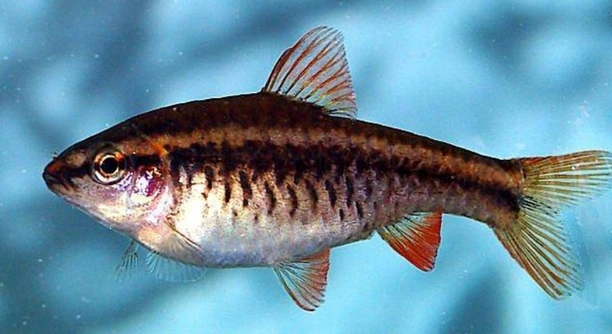
Cherry barbs are known for their active nature, but it is not uncommon for them to take breaks during the day. These fish, often lively, may occasionally rest, particularly when they feel secure and comfortable in their environment.
Cherry barbs do nap during the day, but these periods are typically brief and not as prolonged as nighttime rest. They may rest by hiding or remaining still in a peaceful location, conserving energy for their active periods.
Understanding their resting habits can help ensure your cherry barbs’ well-being, making it easier to create a supportive and enriching environment for them.
Why Do Cherry Barbs Rest During the Day?
Cherry barbs tend to rest during the day as a natural behavior. In their native habitat, these fish experience fluctuating activity levels, where periods of rest help them conserve energy. Resting isn’t a sign of illness; it’s simply a survival strategy. During their resting phase, they may find a quiet spot or hover near plants. It’s essential to maintain a stable, comfortable environment for them to feel safe enough to rest. Without a secure area to relax, cherry barbs might stay stressed, leading to behavioral issues. Keeping the tank well-planted and calm can encourage these breaks.
A quiet, stress-free environment is key to helping your cherry barbs feel comfortable enough to rest. Stress factors like bright lights or tank mates can disrupt their resting habits.
Providing ample hiding spots and areas of low light can also support their natural need for rest. This allows them to thrive both during active and restful periods.
How To Tell When Your Cherry Barb is Resting
While cherry barbs rest during the day, it’s not always obvious. They may remain still or hover near objects in the tank.
When cherry barbs are resting, they often look like they are simply taking a break. Their bodies may be slightly tilted, or they might stay still for a longer period than usual. It can be easy to mistake this for inactivity. However, this is simply part of their behavior. During these times, they still breathe, and you may notice their fins gently moving. Over time, you’ll get to know their patterns and recognize when they are resting.
Watching your fish for a while can help you determine if they’re truly resting or if something is wrong. If they become lethargic for an extended period, this could signal other concerns. However, short resting breaks are completely normal.
The Impact of Tank Conditions on Cherry Barb Resting Habits
Tank conditions play a crucial role in whether cherry barbs feel comfortable enough to rest. Poor water quality or high levels of ammonia can prevent them from relaxing.
Cherry barbs thrive in tanks with stable water conditions, a temperature range of 72-79°F, and soft to moderately hard water. A well-maintained environment reduces stress, allowing them to rest when needed. Inconsistent water quality, particularly high levels of ammonia or nitrites, can cause discomfort. This leads to erratic behavior, making rest difficult for them. Regular water changes and filtration help maintain a balanced environment.
Lighting also affects their rest. Excessive or erratic lighting can disrupt their natural sleep cycle. Providing a consistent day/night cycle with gentle lighting mimics natural conditions, encouraging periods of rest. A tank with plants and hiding spots gives cherry barbs the option to retreat to a calm space, further enhancing their ability to relax.
Cherry Barbs and Tank Mates: How They Affect Rest
The presence of tank mates can either support or hinder cherry barbs’ resting habits. Peaceful community setups encourage rest, while aggressive fish create stress.
In a peaceful environment, cherry barbs feel safe and secure enough to rest. Aggressive tank mates can prevent this by constantly chasing or disturbing them. Fish that are too large or territorial often cause stress, making it harder for cherry barbs to settle. It’s important to select compatible species that don’t disrupt their tranquility. Small, peaceful fish like tetras or rasboras can be ideal tank mates for cherry barbs.
Monitoring behavior is essential, as even subtle signs of stress, such as hiding or erratic swimming, indicate that the tank setup may need adjustments. Ensuring there are enough hiding spots can reduce aggression and give cherry barbs the space they need to rest. Proper tank conditions and well-chosen tank mates work together to provide a peaceful environment.
Stress and Its Effect on Cherry Barb Resting
Stress is a common reason why cherry barbs may struggle to rest. If their environment is too chaotic or unfriendly, they may avoid resting altogether.
The primary causes of stress for cherry barbs include overcrowding, aggressive tank mates, and poor water quality. These factors can cause them to swim erratically or hide more often, leading to less time spent resting. It’s important to assess the environment regularly and address any sources of stress to encourage better rest.
Signs Your Cherry Barb is Too Stressed to Rest
If your cherry barb is stressed, you might notice signs such as erratic swimming, constant hiding, or loss of appetite.
Stress can cause cherry barbs to become overly active, swim in circles, or frequently dart around the tank. These behaviors often occur when they feel threatened or unsafe. Loss of appetite is another key indicator of stress. Regular monitoring of both behavior and water quality can help pinpoint issues before they escalate.
Best Practices for Ensuring Adequate Rest
To ensure your cherry barbs are getting enough rest, maintain a calm and stable tank environment.
Establish a consistent routine for water changes, feeding times, and lighting cycles. Avoid sudden changes in water temperature, as this can cause stress. Ensure the tank is well-planted with hiding spots, which helps provide a secure space for resting.
FAQ
Do cherry barbs sleep at night?
Yes, cherry barbs sleep at night. Like most fish, they follow a natural day-night cycle. During the night, they rest in a calm area, typically near plants or other shelter. While they are not fully inactive, their energy levels drop significantly, and they enter a lighter rest state, which allows them to recover for the next active day.
How can I tell if my cherry barb is sick instead of resting?
If your cherry barb appears to be unusually still or hiding more than usual, it might be sick. Look for signs such as faded color, swollen areas, or clamped fins. Sick cherry barbs may also show a lack of appetite or erratic swimming patterns. If these symptoms persist, it’s important to monitor the water quality and consult a fish expert or veterinarian for proper diagnosis and treatment.
Is it normal for cherry barbs to rest in hiding places?
Yes, it’s normal for cherry barbs to seek hiding spots when resting. They feel more secure in an environment that offers some cover, such as plants, caves, or other decorations. These spots provide protection from potential threats and stress, allowing them to relax and conserve energy.
How much time do cherry barbs spend resting during the day?
Cherry barbs typically rest for a few hours during the day, often in short bursts. These resting periods can vary depending on factors like water quality, tank mates, and their overall health. During these times, they may remain still or hover near plants, but they generally stay alert to any changes in their environment.
Can stress prevent my cherry barb from resting?
Yes, stress can significantly impact a cherry barb’s ability to rest. Stressors such as overcrowding, aggressive tank mates, poor water quality, or constant disturbances can make it difficult for them to relax. If stress continues for an extended period, it may lead to long-term health problems, including reduced activity and poor feeding.
What should I do if my cherry barb is not resting enough?
If your cherry barb isn’t resting, first check the tank conditions. Ensure that the water quality is stable, with the correct temperature and pH levels. Provide hiding spots and plants for shelter. If the issue persists, consider adjusting the tank mates, as aggression from other fish could be disrupting their ability to rest.
Can I feed my cherry barb while it’s resting?
It’s not advisable to disturb a resting cherry barb with feeding. While it’s okay to offer food during their active times, forcing food upon them while they’re resting could cause stress. Allow them to wake naturally, and offer food when they seem active and alert.
How do I create the best environment for my cherry barbs to rest?
To create a suitable resting environment for your cherry barbs, focus on water quality, temperature, and tank setup. Regular water changes, gentle filtration, and consistent lighting will reduce stress. Add plenty of plants, decorations, and hiding places for them to feel secure. Avoid sudden changes in the tank, as this can disrupt their routine and cause unnecessary stress.
How often should I change the water for my cherry barbs?
Water changes should be done regularly, with a 25-30% water change every 1-2 weeks. This helps maintain stable water conditions, preventing the buildup of harmful chemicals like ammonia or nitrites. If your tank is heavily stocked or has poor filtration, more frequent changes may be necessary to keep the water clean and clear.
Can cherry barbs rest with other fish in the tank?
Yes, cherry barbs can rest in a tank with other fish, provided the tank mates are peaceful and non-aggressive. Aggressive or overly active fish can disrupt their rest. It’s essential to choose compatible species that don’t stress the cherry barbs or compete for space and resources.
Are there any signs that my cherry barb is not getting enough rest?
If your cherry barb is not getting enough rest, you may notice signs like swimming erratically, staying near the surface, or hiding for long periods. They might also be less active during feeding times or show signs of lethargy. Monitoring their behavior and adjusting tank conditions can help address this.
What is the ideal tank setup for cherry barbs to rest?
The ideal tank setup for cherry barbs includes plenty of plants, hiding spots, and soft lighting. Create areas where they can retreat when they need to rest. Maintain stable water quality with proper filtration and regular maintenance to avoid disruptions in their rest periods. A well-balanced environment will ensure they feel secure enough to rest.
Do cherry barbs sleep more in the winter?
Cherry barbs may appear to rest more during the winter, but this is typically due to changes in light and temperature. They follow a natural circadian rhythm, which can be influenced by shorter days in the winter. However, they do not undergo a true hibernation-like state and will still wake periodically to eat or swim.
Can cherry barbs nap during the day even if there’s a lot of movement in the tank?
Cherry barbs may still rest during the day even with some tank movement, but they may avoid doing so if there’s too much disruption. Active or aggressive tank mates, loud noises, or frequent changes in the environment can prevent them from resting properly. Ensuring a calm atmosphere helps them feel more comfortable resting.
How long can a cherry barb go without rest?
Cherry barbs can go without extended rest for a short period, but it’s not ideal for their health. Over time, lack of proper rest can lead to stress, decreased immunity, and other health issues. Regular resting periods are essential for maintaining their well-being and energy levels.
Final Thoughts
Cherry barbs are active, peaceful fish that enjoy periods of rest during the day, much like other fish species. Their resting habits are influenced by factors like water quality, tank conditions, and their overall health. While they don’t sleep for long stretches like some animals, they do take short breaks to conserve energy. Providing an environment where they feel safe and secure is key to allowing them to rest properly.
Stress is one of the main reasons cherry barbs might not get enough rest. Factors such as aggressive tank mates, poor water quality, or overcrowding can all prevent them from relaxing. When cherry barbs are stressed, they may hide more or swim erratically instead of resting peacefully. Therefore, keeping a close eye on their tank conditions and behavior can help ensure they are comfortable and able to rest when needed. Regular water changes, the right temperature, and peaceful tank mates will help promote a calm atmosphere for these fish.
In conclusion, taking care of cherry barbs involves understanding their need for both activity and rest. By offering a balanced, stress-free environment, you can ensure they lead a healthy life. Pay attention to their behavior, water quality, and tank setup to create the best conditions for rest. Whether it’s providing ample hiding spaces or maintaining proper water parameters, small adjustments can make a big difference in the well-being of your cherry barbs.

Hello,
If you enjoy the content that we create, please consider saying a "Thank You!" by leaving a tip.
Every little bit helps us continue crafting quality advice that supports the health, happiness, and well-being of pets around the world, for pets of all shapes, sizes, and species.
We really appreciate the kindness and support that you show us!