
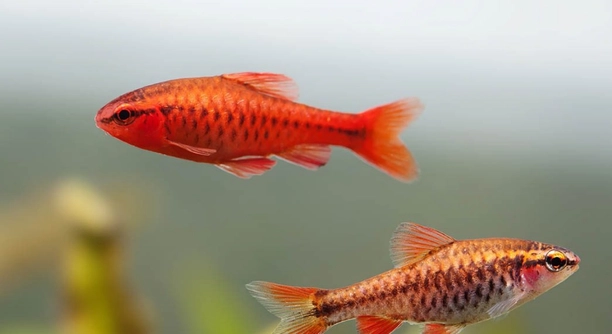
Taking care of your barb’s health goes beyond basic feeding. Small details often make a significant impact on their overall well-being. Understanding these factors can lead to healthier, happier fish.
The key to keeping your barbs healthy lies in attention to their environment, water quality, and diet. Regular monitoring of tank conditions and proper nutrition are essential for preventing common health issues. Consistency is crucial for their well-being.
These tiny details can help prevent potential problems and ensure your barbs thrive in their aquatic home.
Proper Tank Size for Barbs
A tank that’s too small can lead to poor water quality and stress for your barbs. Providing adequate space is essential for their physical and mental well-being. Barbs are active swimmers, and they require room to move around freely. A cramped environment can cause aggression among fish, leading to injuries or health issues. For optimal health, a tank that holds at least 30 gallons is ideal for a small group of barbs. It’s important to consider not only the tank size but also the number of fish you plan to keep. Overcrowding can lead to oxygen depletion and increased waste buildup, both of which are harmful to your fish.
Providing an appropriately sized tank ensures your barbs can swim comfortably, reducing stress and aggression.
A larger tank also helps in maintaining water quality. This gives you more room to filter the water properly, ensuring it remains clean and healthy for your fish. Clean water is key to preventing disease and fostering a thriving environment for your barbs.
Water Quality and Temperature
Water quality is a top priority when maintaining the health of your barbs. Consistent monitoring of pH levels, ammonia, nitrite, and nitrate is necessary to ensure a stable environment. Barbs are sensitive to poor water conditions, and even slight changes can cause stress, making them more prone to illness. Make sure to perform regular water changes to keep toxin levels in check. Ideally, 20-30% of the water should be changed every two weeks. Along with water quality, temperature control is vital. Barbs prefer slightly warmer water, typically between 74°F and 79°F (23°C and 26°C). Keeping the temperature within this range supports their metabolism and overall health.
Maintaining good water quality and temperature will help your barbs thrive in a healthy environment.
In addition to temperature and water changes, make sure the filtration system is working properly. A good filtration system removes waste and maintains stable water conditions, which directly impacts the health of your barbs.
Proper Diet for Barbs
Barbs need a well-balanced diet to stay healthy. Overfeeding or offering the wrong foods can lead to obesity or malnutrition. A mix of high-quality flakes, pellets, and occasional live or frozen food like bloodworms is ideal. It’s important to avoid feeding them too much at once to prevent water pollution. Feed them only what they can consume in 2-3 minutes, twice a day.
A varied diet ensures they receive all the necessary nutrients for growth and immune support. Barbs also enjoy plant matter, so adding vegetables like spinach or zucchini can offer extra benefits.
Consistently feeding barbs a balanced diet supports their immune system, making them less vulnerable to diseases. Over time, this helps them thrive, showing off their vibrant colors and active nature. Always remove any uneaten food from the tank to maintain water quality.
Tankmates and Social Behavior
Barbs are social creatures, but they can be territorial with certain species. It’s essential to choose tankmates that won’t provoke aggression. Compatible fish, like peaceful tetras or rasboras, work well. Barbs do best in groups of at least 5-6 individuals, as this reduces stress and creates a more harmonious environment.
Introducing new tankmates should be done gradually, monitoring interactions closely. If aggression becomes a problem, consider rearranging decorations or adding more hiding spots. Providing plenty of plants and structures helps barbs feel secure and reduces territorial disputes.
Healthy barbs interact actively with their group and enjoy the company of peaceful species. Keeping the tank environment balanced with compatible species promotes their well-being, keeping them happy and less stressed.
Regular Water Changes
Regular water changes are crucial for barbs. It helps remove excess nutrients and toxins, which can otherwise lead to stress or illness. Perform a 20-30% water change every 1-2 weeks, depending on the tank size and number of fish. This helps maintain water quality and promotes long-term health.
Water changes also support the stability of water parameters like pH and hardness. Fresh water keeps barbs energized and active, allowing them to thrive. Don’t forget to check the temperature of the new water to ensure it matches the tank’s conditions to avoid stressing the fish.
Filtration and Aeration
A good filtration system keeps the water clean by removing waste and chemicals that could harm your barbs. Barbs appreciate strong water flow, so ensure your filter is sized correctly for your tank. Aeration is also important to ensure proper oxygen exchange.
Without proper filtration and aeration, barbs can become stressed, leading to a weakened immune system and potential health problems. A well-maintained filtration system helps ensure that the environment stays stable for your fish, preventing issues like algae growth and oxygen depletion.
Lighting Conditions
Lighting plays a significant role in the health of your barbs. Keep the lighting cycle consistent, aiming for about 10-12 hours of light daily. This supports their natural circadian rhythm and overall well-being.
Too much light can stress fish and encourage algae growth, while too little can cause discomfort. Proper lighting also highlights the vibrant colors of barbs, helping you enjoy their beauty.
FAQ
What size tank do barbs need?
Barbs require a tank that holds at least 30 gallons, especially if you plan to keep a group. A larger tank provides space for swimming and helps maintain stable water conditions. Overcrowding can lead to poor water quality and increased stress for the fish. It’s important to offer enough room for the fish to move freely and interact with one another without feeling confined.
How often should I feed my barbs?
Feed your barbs twice a day, offering only what they can consume within 2-3 minutes. Overfeeding leads to excess waste, which can pollute the tank and cause health issues. A well-balanced diet of high-quality flakes or pellets, along with occasional live or frozen foods like bloodworms, will keep your barbs healthy.
Can barbs live with other fish?
Barbs are generally social but can be territorial, especially when housed with other similar species. They do best in groups of 5 or more, as this reduces stress and aggression. Choose peaceful tankmates, like tetras or rasboras, to avoid conflicts. Avoid housing them with overly aggressive or fin-nipping species.
How do I know if my barb is stressed?
Stressed barbs may display abnormal behaviors, such as darting around the tank, hiding excessively, or becoming lethargic. They might also lose their color or stop eating. Stress is often caused by poor water quality, inappropriate tankmates, or inadequate tank conditions. If your barb shows signs of stress, check water parameters and ensure the environment is suitable.
What is the ideal temperature for barbs?
Barbs prefer water temperatures between 74°F and 79°F (23°C to 26°C). Keeping the water within this range supports their metabolism and helps maintain their health. Extreme temperature fluctuations can lead to stress or illness, so it’s crucial to monitor and maintain a stable temperature in the tank.
Can barbs live in cold water?
Barbs are tropical fish and cannot tolerate cold water for long periods. If the water temperature drops below their preferred range, they become stressed and are more susceptible to illness. Use a reliable heater to keep the tank temperature consistent. If you live in a colder area, ensure the heater is always functioning properly.
How do I prevent diseases in barbs?
Regular maintenance of the tank is the best way to prevent diseases. Perform regular water changes, check water quality, and ensure the tank is clean. Quarantining new fish before introducing them to the tank can prevent introducing diseases. A balanced diet also supports a strong immune system in your barbs.
How do I treat sick barbs?
If your barb shows signs of illness, such as white spots, faded colors, or abnormal swimming, isolate the fish in a quarantine tank. Look for symptoms of common fish diseases, like ich or fin rot, and treat them with appropriate medications. Ensure the water quality is excellent in both the main tank and the quarantine tank to help speed up recovery.
Why is my barb losing color?
Loss of color in barbs is often a sign of stress or poor water conditions. It can also be linked to improper diet or illness. Ensure the tank’s water quality is stable, with no sudden fluctuations in temperature or pH. A well-balanced diet rich in nutrients can help restore their vibrant colors.
How long do barbs live?
The average lifespan of barbs is around 5 to 7 years, but this can vary depending on factors like water quality, diet, and tank conditions. Proper care, including maintaining stable water parameters and providing a balanced diet, can help extend their life and keep them active and healthy.
Do barbs need a filter?
Yes, barbs need a filter to maintain clean water and remove excess waste from the tank. A filter also helps oxygenate the water, which is essential for their health. Choose a filter that is appropriate for the size of your tank and ensure it is regularly cleaned to prevent clogs.
Can barbs breed in captivity?
Yes, barbs can breed in captivity if the tank conditions are suitable. To encourage breeding, maintain a stable temperature, and provide hiding spots for the fry. Male barbs will display colorful markings to attract females. After spawning, remove the adults to prevent them from eating the eggs.
Are barbs good for beginners?
Barbs can be a good choice for beginners because they are hardy and relatively easy to care for. However, they do require attention to water quality, diet, and tankmates. It’s important for beginners to educate themselves about their specific needs to keep them healthy and happy.
What do I do if my barb is not eating?
If your barb refuses to eat, check the water quality first. Poor water conditions are often the cause of a loss of appetite. Also, ensure the food being offered is fresh and appropriate for their diet. If the issue persists, look for other signs of illness and consider isolating the fish to monitor its condition more closely.
Final Thoughts
Caring for barbs requires attention to their basic needs, including a suitable tank size, proper diet, and a clean environment. These fish are relatively easy to care for but do best when their conditions are met. Regular water changes, proper filtration, and a balanced diet are essential for their health and longevity. By focusing on these key factors, barbs will thrive in your aquarium and showcase their vibrant colors and lively personalities.
It’s also important to ensure that barbs have compatible tankmates. They are social fish that prefer being in groups, so it’s best to house them with peaceful species. Keeping them in a community tank with appropriate companions helps reduce stress and encourages natural behaviors. Aggressive or overly shy tankmates may cause problems, so always consider the temperament of other fish when setting up your tank. A harmonious community tank benefits all inhabitants, promoting overall well-being and stability.
Finally, remember that barbs are resilient fish, but they still need regular attention to keep them healthy. Check water parameters regularly and adjust as needed. Feed them properly and avoid overfeeding to prevent waste buildup. By being mindful of their environment, you can enjoy their active and colorful presence for years to come. Barbs are a wonderful addition to any tank when cared for properly, and with the right conditions, they can bring beauty and joy to your aquarium.

Hello,
If you enjoy the content that we create, please consider saying a "Thank You!" by leaving a tip.
Every little bit helps us continue crafting quality advice that supports the health, happiness, and well-being of pets around the world, for pets of all shapes, sizes, and species.
We really appreciate the kindness and support that you show us!