
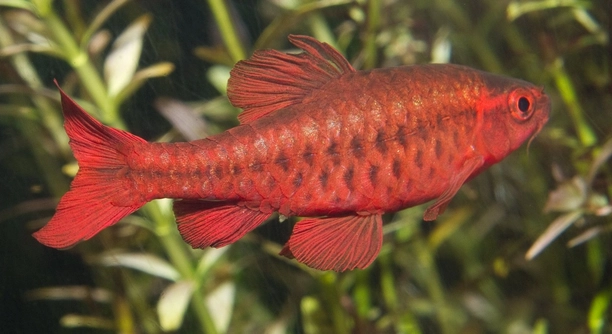
Cherry barbs are active fish, but they can become stressed in their environment. Stress often leads to health issues, so calming them is crucial for their well-being. Adjustments to their tank can help reduce anxiety.
One effective way to calm cherry barbs is by adjusting water temperature, ensuring proper filtration, and providing hiding spaces. Reducing tank light intensity and adding live plants can also help create a calming environment for these fish.
Making simple changes to your tank setup can lead to noticeable improvements in their comfort and behavior.
Temperature Control: A Key Factor in Calming Cherry Barbs
Maintaining the right water temperature is one of the easiest ways to calm stressed cherry barbs. These fish thrive in temperatures ranging from 75 to 80°F (24 to 27°C). When the water is too cold or too warm, it can cause stress, leading to erratic behavior or health problems. A stable, comfortable temperature will help them feel more secure and less anxious.
To ensure the right temperature, use a reliable aquarium heater. Make sure the heater is properly calibrated to maintain the temperature within the ideal range. It’s also important to monitor the water temperature regularly with a thermometer, as fluctuations can have negative effects on their well-being. If the temperature is too far off, it can lead to a sudden increase in stress, affecting their feeding and overall health.
It’s also worth considering that when water temperatures are too high, the fish may become lethargic. On the other hand, water that’s too cold will slow their metabolism and make them more susceptible to illness. Finding the right balance is essential.
Filter Setup and Water Quality
Water quality plays an essential role in the health of cherry barbs. Dirty or polluted water can increase stress levels. A good filtration system is necessary to maintain the water’s cleanliness and clarity.
Proper filtration removes waste, excess food, and other debris that could harm your cherry barbs. It also helps to keep the water oxygenated, which is vital for their overall well-being. Without adequate filtration, the water can become toxic, causing stress and even health issues. Make sure to clean the filter regularly to avoid clogging and poor filtration efficiency.
A stable filtration system will ensure that the water quality stays consistent, which will help the cherry barbs feel more comfortable in their environment. You should also perform regular water changes to keep the water fresh. With a clean tank, your fish will be less stressed, allowing them to swim peacefully.
Providing Hiding Spots for Cherry Barbs
Hiding spots help cherry barbs feel secure and reduce stress. Adding caves, plants, or decorations can give them the space to retreat when needed.
Cherry barbs are peaceful fish, but they can become nervous when exposed to constant movement or disturbances. Providing places where they can hide will make them feel safe and less anxious. The more natural the hiding spots, the better. Live plants work well because they offer both hiding spots and a more natural feel to the tank. Ensure the decorations are not sharp, as they could injure your fish.
Without adequate hiding spots, cherry barbs may swim frantically or hide in the corners of the tank. This behavior can be a sign of stress, and it can interfere with their normal activities, like eating or interacting with tankmates. Creating a more secure environment will ease their nerves and help them adjust to their surroundings.
Tank Light Intensity
Too much light can cause stress for cherry barbs. Keep lighting at a moderate level to avoid overwhelming them.
Bright lighting can make cherry barbs feel exposed and anxious. Try using a dimmer light or placing live plants to provide some shaded areas. This can create a more balanced environment for them. Overexposure to light can disrupt their natural behavior, causing them to hide more often or act unnaturally. Reducing the light intensity in the tank will help them feel more relaxed and at ease.
It’s also important to turn off the tank lights during the night to give the fish a clear day and night cycle. Consistent lighting patterns support their well-being, allowing them to rest properly and reduce any undue stress. If possible, consider using an aquarium light timer to maintain a steady routine for your cherry barbs.
Adding Live Plants
Live plants offer more than just aesthetics for your cherry barbs. They provide hiding spots and help maintain water quality.
Adding plants like Java moss or Anubias can make your tank feel more natural. They not only improve the water’s oxygen levels but also give your fish places to rest and explore. This reduces stress and promotes overall health.
Plants also absorb excess nutrients, which helps prevent algae growth. As a result, they keep the water cleaner and healthier, contributing to a calmer environment. The added greenery creates a more serene atmosphere, which can help your cherry barbs feel more comfortable.
Keeping Tankmates in Check
Aggressive tankmates can stress cherry barbs. Keep peaceful species that won’t disrupt their calm nature.
Cherry barbs thrive in a community tank but are sensitive to overly aggressive fish. Choosing tankmates that are calm, like small tetras or rasboras, will ensure that your cherry barbs feel at ease. Avoid pairing them with fin-nipping or territorial species.
FAQ
What is the ideal tank size for cherry barbs?
Cherry barbs can comfortably live in a 20-gallon tank. This size provides enough space for them to swim and establishes a more stable environment. A larger tank also makes it easier to maintain water quality, which is crucial for their well-being. If you’re keeping a group of them, it’s best to have additional space to avoid overcrowding.
How many cherry barbs should I keep together?
Cherry barbs are social fish and should be kept in groups of at least five. This helps them feel more secure and reduces stress. Keeping them in a group also allows them to engage in their natural schooling behavior, which can be soothing for them.
What should I feed my cherry barbs?
Cherry barbs are omnivores and will thrive on a varied diet. They can be fed high-quality flake food, along with frozen or live foods like daphnia, brine shrimp, or bloodworms. It’s important to provide a balanced diet to keep them healthy and stress-free. Overfeeding should be avoided, as it can lead to poor water quality.
How can I tell if my cherry barbs are stressed?
Signs of stress in cherry barbs include erratic swimming, hiding more often, and a lack of appetite. They may also become more skittish or have faded colors. If you notice these behaviors, it could be a sign that something in the tank needs adjustment, such as water quality or tankmates.
Can cherry barbs live with other fish?
Yes, cherry barbs are peaceful and do well in community tanks with other non-aggressive fish. They get along with species like tetras, rasboras, and guppies. Avoid aggressive or fin-nipping fish, as these can cause stress to the cherry barbs.
Do cherry barbs need a lot of water movement?
Cherry barbs prefer a moderate water flow. Too strong a current can stress them out, while too little movement can lead to stagnation, affecting water quality. A gentle filter or air stone that creates mild movement is ideal for keeping them calm and healthy.
How often should I change the water for cherry barbs?
Water changes should be done regularly, ideally once a week, to maintain water quality. Changing about 25% of the water ensures that toxins like ammonia and nitrates don’t build up. This helps keep the water fresh and prevents stress on your fish.
What temperature is best for cherry barbs?
Cherry barbs prefer water temperatures between 75°F and 80°F (24°C to 27°C). Keeping the water within this range helps them remain active and healthy. Be sure to monitor the temperature regularly, as fluctuations can lead to stress or illness.
Can cherry barbs live in cold water?
Cherry barbs are not suited for cold water. They thrive in tropical conditions and can become stressed or sick if the water temperature drops below 70°F (21°C). Keeping them in warmer water is essential for their well-being and comfort.
Why are my cherry barbs not eating?
If your cherry barbs aren’t eating, it could be due to stress, illness, or poor water quality. Check the water parameters, ensure that their tankmates aren’t causing aggression, and make sure you’re providing a variety of food. If the issue persists, consider consulting a veterinarian.
How can I encourage breeding in cherry barbs?
To encourage breeding, ensure that your cherry barbs are in a stable environment with clean water, proper temperature, and appropriate tankmates. Providing a separate breeding tank with soft, slightly acidic water can help. A varied diet will also encourage breeding behavior. Once eggs are laid, remove the parents to prevent them from eating the eggs.
Are cherry barbs good beginner fish?
Yes, cherry barbs are great for beginners. They are hardy, easy to care for, and adapt well to a range of tank conditions. With proper care, they can live for several years, making them a great choice for those new to aquarium keeping.
What are the signs of illness in cherry barbs?
Signs of illness in cherry barbs include lethargy, faded colors, fin clamping, or visible lesions on their bodies. If you notice these symptoms, it’s important to check the water quality, isolate sick fish, and treat them promptly. A sudden change in behavior is often the first sign of a health issue.
Can cherry barbs be kept with shrimp?
Yes, cherry barbs can live with shrimp, but there is a risk of them preying on small shrimp, especially baby shrimp. Larger shrimp species like Amano or Ghost shrimp can typically coexist with cherry barbs without issue, as long as there are plenty of hiding spots for the shrimp.
How do I keep my cherry barbs active?
To keep your cherry barbs active, provide them with plenty of space to swim and explore. Add live plants, decorations, and hiding spots to stimulate their natural behavior. Regularly changing the tank’s water and maintaining proper water parameters will also help them remain healthy and active.
Do cherry barbs change color when stressed?
Yes, cherry barbs can lose some of their vibrant color when stressed. A stressed fish may appear dull or have faded markings. Addressing the source of stress, such as water quality or tankmate issues, can help restore their natural color.
Can cherry barbs tolerate low light?
Cherry barbs can tolerate low light, but they do best in tanks with moderate lighting. Low light can make them feel safer but may affect plant growth. If you’re using low light, consider adding easy-to-care-for plants that thrive in such conditions to maintain a balanced environment.
Final Thoughts
Creating a comfortable and healthy environment for your cherry barbs is key to their well-being. By making simple adjustments, such as adding hiding spots, maintaining proper lighting, and keeping water quality stable, you can help reduce stress and keep them happy. These small changes will go a long way in ensuring your fish are healthy and active.
One important factor in keeping cherry barbs calm is providing a peaceful community tank. They thrive when surrounded by non-aggressive fish that won’t cause them stress. Choosing tankmates wisely, along with setting up appropriate hiding places, is essential for their overall health. A tank with good water flow and proper filtration will also help create a stress-free environment, allowing them to thrive in your aquarium.
Overall, cherry barbs are relatively easy to care for, but they do need attention to their environment. With the right tank setup, consistent care, and mindful adjustments, these small fish can live long, happy lives in your aquarium. Maintaining a peaceful and healthy tank is the best way to ensure they feel comfortable, which in turn promotes their health and longevity. By following these steps, your cherry barbs will not only survive, but flourish in their tank.

Hello,
If you enjoy the content that we create, please consider saying a "Thank You!" by leaving a tip.
Every little bit helps us continue crafting quality advice that supports the health, happiness, and well-being of pets around the world, for pets of all shapes, sizes, and species.
We really appreciate the kindness and support that you show us!