
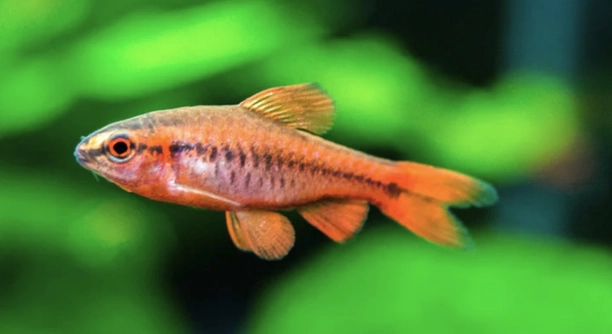
Certain scents can play a surprising role in influencing the behavior of fish, including Cherry Barbs. Understanding how these scents affect them can help you create a better environment for your aquatic pets. Let’s explore how smell interacts with their behavior.
The presence of certain scents in water can alter the behavior of Cherry Barbs. Chemicals such as pheromones, food odors, and stress signals can either attract or repel them, affecting their feeding habits, social interactions, and overall well-being.
The right scents in the water can help you better understand and care for your Cherry Barbs. By learning which scents have a positive or negative effect, you can create a more comfortable and stimulating environment for them.
How Smell Impacts Cherry Barbs’ Social Interactions
Smell is a vital part of how Cherry Barbs communicate and interact with each other. These fish use their sense of smell to find mates, establish territories, and even avoid danger. Chemicals released by other fish in the form of pheromones influence their behavior in subtle but significant ways. For example, when a Cherry Barb detects a mate’s scent, it may trigger courtship behavior, such as displaying vivid colors or swimming in particular patterns. Additionally, the scent of other fish may help them establish hierarchy and territorial boundaries. If a Cherry Barb smells an unfamiliar fish, it may feel threatened and act defensively. Thus, the role of smell extends far beyond simple identification; it helps Cherry Barbs maintain order and reduce conflict in their environment.
The presence of food odors in the water also influences Cherry Barbs’ social behavior. If there is food nearby, they tend to gather in groups, showcasing their natural social instincts. They rely on these smells to navigate their environment.
Understanding how smell influences these behaviors can help you keep your Cherry Barbs thriving in a balanced and peaceful aquarium. Recognizing the effects of different scents is key to managing your fish’s needs and interactions. By introducing certain scents intentionally, such as specific food smells, you can guide them into more cooperative and less aggressive behavior, which is especially important in a community tank setting.
The Influence of Food Scents
Food odors can heavily impact the way Cherry Barbs behave. The smell of food encourages them to feed together, leading to a more cooperative atmosphere in the tank. When food is introduced, these fish may form small groups to explore and feed.
In an aquarium, the smell of different foods can stimulate Cherry Barbs and influence their feeding patterns. They can detect these scents from a distance and are naturally drawn to them. When food is scattered throughout the tank, they often work together in groups to consume it. This cooperative feeding not only benefits their well-being but also promotes social interactions among them. Different food smells can have varying effects, too. For instance, high-protein foods might excite Cherry Barbs and encourage more energetic behavior, while other scents could trigger more calm or cautious approaches to feeding. This can be an important aspect to monitor if you want to maintain a peaceful and harmonious tank environment.
The Effect of Stress Scents on Cherry Barbs
When Cherry Barbs are stressed, they release specific chemicals into the water that other fish can detect. These stress-related scents can cause nearby Cherry Barbs to become more cautious or anxious, affecting their behavior and interactions.
These stress signals are important for the overall health of the tank’s community. If one fish is stressed, the others may respond by becoming more withdrawn, hiding, or showing signs of aggression. This can disrupt the social structure within the tank. Identifying the cause of stress, such as poor water quality or aggressive tank mates, and addressing it can help reduce these negative behaviors. Understanding these chemical signals allows you to keep the environment more balanced and peaceful for all the fish.
It’s essential to keep an eye on your Cherry Barbs’ environment and monitor for any changes in behavior that could be linked to stress. By reducing the sources of stress, you help maintain their overall health and well-being, creating a stable environment for them to thrive.
How Natural Scents Influence Cherry Barbs’ Movement
Natural scents like those from plants and algae can guide Cherry Barbs’ movements within their tank. These smells help them navigate their environment, guiding them toward food, safe hiding spots, or areas of the tank with favorable conditions.
Cherry Barbs are particularly sensitive to natural smells, such as those from aquatic plants or algae. These smells can signal to them when it’s time to rest or move. For example, a scent from algae may indicate the presence of food, encouraging them to move towards that area. Similarly, the scent of plants can create a calming environment, helping them find shelter when feeling threatened or tired. Providing plants in their environment can mimic their natural habitat, allowing them to exhibit more natural behaviors, which can reduce stress and promote a healthier atmosphere.
The Role of Pheromones in Cherry Barb Mating
Pheromones are chemical signals that Cherry Barbs use to communicate during mating. These scents help indicate readiness for reproduction and trigger courtship behavior, such as males displaying brighter colors and more active swimming patterns to attract females.
The release of these pheromones encourages males and females to come together. The scent of pheromones can prompt males to approach females, leading to spawning behavior. Female Cherry Barbs can also detect these scents from a distance, helping them decide when to mate. This process is natural and crucial for maintaining their population in the wild.
How Tank Size Affects Scent Perception
In smaller tanks, scents travel more quickly and intensely. Cherry Barbs may react differently to these concentrated scents than they would in larger tanks, where odors disperse and are less potent. Smaller spaces can lead to higher stress levels.
In smaller aquariums, Cherry Barbs may feel trapped by strong, concentrated smells, especially from other fish or food. The close quarters amplify the effects of pheromones, stress signals, and food odors, causing them to behave more aggressively or nervously. In larger tanks, scents tend to dissipate more evenly, allowing the fish to interact in a more relaxed environment. Ensuring your tank is the right size can help keep your Cherry Barbs comfortable and happy.
Impact of Water Quality on Scent Detection
Water quality can directly impact how well Cherry Barbs can detect scents. If the water is not clean, it can affect their ability to sense important smells, which in turn impacts their behavior. Poor water quality makes it harder for them to communicate effectively.
Dirty or poorly filtered water prevents the fish from properly sensing pheromones or food smells. This lack of sensory input can lead to disorientation, stress, and altered feeding behavior. Regularly checking the tank’s water quality, ensuring proper filtration, and performing water changes are vital for maintaining a healthy environment. Healthy water means better scent detection, which helps Cherry Barbs thrive and behave naturally.
FAQ
How do Cherry Barbs use scent to find food?
Cherry Barbs rely on their sense of smell to detect food in their environment. When food is introduced into the tank, it releases chemical signals that attract the fish. These signals travel through the water, leading the Cherry Barbs to the food source. Since they are omnivorous, they are attracted to a variety of smells, from plant-based matter to protein-rich foods like worms or flakes. By releasing scents into the water, the fish can communicate the location of food to others in the tank, promoting group feeding behavior. This scent-driven behavior is essential for their survival in the wild and helps ensure they find enough nourishment in an aquarium setting.
Can Cherry Barbs smell other fish in the tank?
Yes, Cherry Barbs can detect the presence of other fish through the scents they release. When a fish enters the tank, it releases chemical signals into the water, which other fish, including Cherry Barbs, can sense. These scents can indicate the fish’s species, size, and even whether it’s a threat. Cherry Barbs use these signals to assess their environment and determine how to react. They might avoid larger, more aggressive fish or become more social and interactive with others of their kind. These scent cues are essential for maintaining social harmony in a community tank.
Do stress scents affect Cherry Barbs in a tank with other fish?
Yes, stress scents released by Cherry Barbs can affect other fish in the tank. When a Cherry Barb feels threatened, it releases stress hormones into the water. These scents are detected by nearby fish, causing them to act more cautiously or aggressively. The presence of stress signals can create a tense atmosphere in the tank, leading to behaviors like hiding, reduced activity, or conflict between fish. It’s important to identify the source of stress—whether it’s poor water quality, incompatible tank mates, or environmental factors—and address it to maintain peace and reduce the negative effects of these scents.
What scents do Cherry Barbs prefer in their environment?
Cherry Barbs generally prefer scents that mimic their natural habitat, such as those released by plants and algae. These natural scents help create a more comfortable and calming environment. Aquatic plants can release a variety of smells that signal to Cherry Barbs the presence of food or a safe place to hide. In addition to plant-based scents, they may also be attracted to specific food smells. Ensuring that the tank has a variety of plant life, as well as appropriate food smells, can help Cherry Barbs feel more at home and thrive. However, they may become stressed or agitated if exposed to unpleasant smells or scents that signal danger.
Can the smell of cleaning products affect Cherry Barbs?
Yes, the smell of cleaning products can have a negative impact on Cherry Barbs. Many cleaning agents contain chemicals that are harmful to fish and can disrupt the delicate balance of their environment. These chemicals may alter the water quality, which affects the ability of the Cherry Barbs to detect essential smells, such as food or pheromones. Additionally, strong cleaning smells can cause stress in the fish, leading to erratic behavior. It’s important to use fish-safe cleaners and thoroughly rinse any cleaning materials before placing them back in the aquarium to ensure that no harmful residue remains.
Do Cherry Barbs use scent to communicate with each other?
Yes, Cherry Barbs use scent to communicate with each other, especially when it comes to mating and social interactions. They release pheromones, which are chemical signals that communicate a variety of messages. For example, males release pheromones to attract females during the breeding season. These scents help fish recognize each other, signal their presence, or establish territorial boundaries. By detecting these scents, Cherry Barbs can navigate social dynamics and make decisions about where to swim, when to hide, or whether to engage with other fish in the tank.
How do Cherry Barbs react to the smell of other fish in a community tank?
Cherry Barbs can react differently to the smell of other fish depending on the species and the specific scent they detect. If the scent indicates aggression or dominance, Cherry Barbs may become more defensive or avoid the area. On the other hand, they are often attracted to the scent of other Cherry Barbs and may form schools or groups. In a community tank, the presence of certain scents can influence how Cherry Barbs interact with their tank mates, helping them assess whether they are in a safe or potentially harmful environment. Properly managing the tank’s social balance and ensuring compatible species will reduce the chances of stress caused by these scent-based interactions.
What can I do to reduce stress-related smells in my Cherry Barb tank?
To reduce stress-related smells in your Cherry Barb tank, start by addressing the source of stress. Poor water quality is a common culprit, so regular water changes and filtration maintenance are crucial. Ensure the tank has proper hiding spots, plants, and enough space for the fish to feel secure. If aggression between tank mates is an issue, consider rearranging the tank to reduce territorial behavior or adding more hiding places. Avoid overcrowding, as too many fish in a small space can lead to higher stress levels and more intense scent signals. By maintaining a calm environment and removing stressors, you’ll create a healthier atmosphere for your Cherry Barbs.
Can Cherry Barbs sense food from other tanks?
Cherry Barbs can detect food scents from nearby tanks, especially if the tanks are connected or close enough for the smells to travel through the air. However, their ability to detect food from a distant tank is limited compared to smells within their own tank. The closer the food is, the more intense the scent, making it easier for Cherry Barbs to smell. If you have multiple tanks in close proximity, be mindful that the smell of food from other tanks may attract or distract your fish, leading them to become more active or focused on that scent.
Final Thoughts
Understanding how scents affect Cherry Barb behavior is essential for maintaining a healthy and peaceful aquarium environment. These small fish rely heavily on their sense of smell for communication, navigation, and social interactions. The right scents, such as those from food or plants, can make your Cherry Barbs feel more at home, encouraging natural behaviors like feeding and grouping together. On the other hand, unpleasant smells, like those from stress or poor water quality, can cause them to become anxious, aggressive, or withdrawn. By observing how Cherry Barbs respond to different smells, you can better manage their environment to meet their needs.
When caring for Cherry Barbs, it’s crucial to consider the impact of water quality, tank size, and tank mates. Poor water quality or overcrowding can increase stress, which, in turn, affects the scents they release and how they react to their surroundings. Regular water changes and proper filtration are vital for maintaining a healthy environment. Additionally, ensuring that the tank is appropriately sized for the number of fish can help reduce stress. A larger tank with plenty of hiding spots and plants will allow Cherry Barbs to feel secure and reduce the chance of aggression or territorial behavior triggered by scent signals.
Incorporating natural elements like plants and algae in your aquarium can also benefit Cherry Barbs by providing them with familiar smells that promote calmness and comfort. These scents help mimic their natural habitat, encouraging more natural behavior. While it may seem subtle, scent plays a significant role in the well-being of Cherry Barbs and other aquarium fish. By paying attention to the smells in their environment and making adjustments where needed, you can create a more balanced and harmonious tank, allowing your Cherry Barbs to thrive.

Hello,
If you enjoy the content that we create, please consider saying a "Thank You!" by leaving a tip.
Every little bit helps us continue crafting quality advice that supports the health, happiness, and well-being of pets around the world, for pets of all shapes, sizes, and species.
We really appreciate the kindness and support that you show us!