
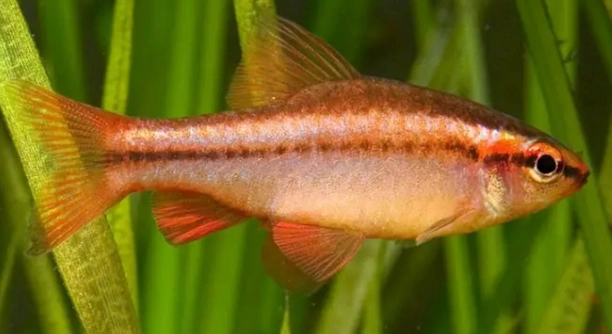
Cherry barbs are popular aquarium fish known for their active nature and vibrant colors. As with any pet, their care requires attention to diet and preferences. Could their food choices reflect specific preferences toward certain brands?
Research shows that fish like cherry barbs can indeed develop preferences for particular food types or brands, influenced by factors such as taste, texture, and scent. This behavior suggests that they can be conditioned by exposure to certain foods.
Understanding how cherry barbs form these preferences could help enhance their diet and overall well-being. It also reveals interesting insights into their feeding habits and potential to recognize specific food brands.
How Do Cherry Barbs Form Food Preferences?
Cherry barbs, like many fish, are known to have preferences when it comes to food. These preferences can be shaped by the type of food they are introduced to over time. Just like how some pets may prefer certain treats, cherry barbs can show a clear liking for specific food brands or types. These preferences are often influenced by the smell, texture, or taste of the food. Some cherry barbs may prefer high-protein foods, while others might go for plant-based options. The food’s appearance, such as color and shape, can also impact their choices.
Over time, as cherry barbs are exposed to different types of food, they may develop an attachment to specific brands. Fish can become more accustomed to a particular texture or scent, which can affect their overall food preferences. For instance, if they are regularly fed a certain brand, they may start to recognize it and show a preference. This behavior can also extend to feeding schedules, with cherry barbs becoming accustomed to being fed at specific times.
When feeding cherry barbs, it’s important to offer a variety of food to see what they prefer. Providing different food options, such as flakes, pellets, or live foods, can allow them to explore different tastes. Observing their reactions can give you a good sense of what they favor. In some cases, they may show a clear preference for one over the other. Understanding their food choices can lead to a healthier, more enjoyable feeding routine for both you and your fish.
Can Cherry Barbs Recognize Different Brands?
Cherry barbs are capable of recognizing food brands, especially when they are repeatedly exposed to the same type. This recognition likely comes from their ability to associate specific smells and tastes with particular brands.
Cherry barbs rely on sensory cues like smell and taste to help them identify their food. Their sharp senses allow them to distinguish between different food types. As they experience more exposure to certain food brands, they develop a preference for those brands, much like how pets can recognize their favorite treats. With time, they may even refuse other options if they associate them with an unpleasant experience.
How to Identify Food Preferences in Cherry Barbs
It’s not always obvious, but with careful observation, you can notice when your cherry barbs are picking favorites. If you see them repeatedly going for one type of food over others, it’s a clear sign of preference.
Watch for patterns in their eating habits. If they consistently eat one type of food first or show excitement when it’s introduced, it’s likely their favorite. On the other hand, if they ignore certain foods, they may not enjoy them as much. Keeping track of their preferences can help ensure you’re providing food they find enjoyable and nutritious.
Some cherry barbs might even act more eagerly or swim toward the food faster when their preferred brand is introduced. The act of picking at specific types of food can indicate a stronger interest in that particular item. By offering different food options regularly, you can help confirm which ones they consistently choose over time.
Impact of Food Texture on Cherry Barb Preferences
Texture plays a significant role in the food choices of cherry barbs. They may prefer food with a certain consistency or feel that is easier to consume.
Soft flakes might be favored over harder pellets because they’re easier to eat and break apart quickly. This is particularly important for younger or smaller cherry barbs that have less jaw strength. Offering various textures can help you find the best option for your fish’s comfort and preference. Experimenting with both softer and firmer options can reveal what your cherry barbs prefer.
Over time, as they grow, their food texture preferences may change. For example, juvenile cherry barbs might prefer softer foods while adults might enjoy firmer, more substantial food options. Keeping track of these preferences allows you to cater to their changing needs, making their feeding experience better and more satisfying.
How to Encourage Healthy Food Preferences in Cherry Barbs
Introducing a variety of foods helps cherry barbs develop balanced preferences. It ensures they get the nutrients they need while allowing them to explore different tastes. Try offering new food types once in a while to see how they respond.
Offering a mix of foods also prevents your cherry barbs from becoming too picky. They’ll learn to enjoy a broader range of options, which is beneficial for their health. It’s important to not only focus on their preferences but also ensure they are getting a proper, well-rounded diet to meet their nutritional needs.
The Role of Scent in Cherry Barb Food Choices
Scent plays a key part in how cherry barbs decide what to eat. They rely heavily on their sense of smell to identify food that is appealing to them. Stronger smells often attract them more than milder ones.
Over time, the scent of a specific food can build an association in their minds, leading them to prefer it. A food with a stronger or more familiar scent can trigger a feeding response, encouraging them to choose it over others. The more you observe, the clearer their preferences will become.
Can Cherry Barbs Recognize Food Color?
Cherry barbs are drawn to brightly colored food, which could signal that it’s packed with nutrients. This is likely linked to how their natural diet includes colorful, nutritious plants and small invertebrates.
The vibrant color of food can grab their attention and trigger a feeding response, making it easier for them to identify. It’s important to introduce foods with varying colors to see what catches their interest most, especially if you’re trying to entice them into a healthier diet.
FAQ
Can cherry barbs eat different types of food brands?
Yes, cherry barbs can eat and show preferences for different food brands. Like other fish, they can become accustomed to a particular brand over time due to the food’s texture, scent, and taste. However, it’s important to provide variety in their diet, so they don’t become overly reliant on one brand. This ensures they get a balanced range of nutrients, which is essential for their health and growth.
How can I tell if my cherry barbs like a specific food brand?
You can tell if your cherry barbs like a specific food brand by observing their behavior when feeding. If they eat it first or seem more eager to consume it, they likely prefer it. On the other hand, if they ignore a particular food, it might indicate that they’re not fond of it. Keep track of their feeding patterns to get a clear idea of their preferences.
Do cherry barbs prefer live food over pellets or flakes?
Cherry barbs generally show a preference for live food due to its natural scent and movement, which stimulates their hunting instincts. However, not all cherry barbs will have the same preference, and some may adjust well to pellets or flakes, especially if these foods are of high quality. Offering a mix of live, frozen, and dry food can help keep them interested and ensure they get a variety of nutrients.
How often should I change my cherry barbs’ food?
It’s a good idea to introduce new foods to your cherry barbs every few weeks. This helps keep their diet balanced and prevents them from becoming too accustomed to one type of food. Rotating food types, such as different brands of flakes, pellets, or live foods, will encourage them to enjoy a range of options and prevent pickiness. Always monitor their health to make sure the food changes are beneficial.
Can the size of the food affect their preference?
Yes, the size of the food can play a role in their preferences. Smaller foods may be easier for young cherry barbs or those with smaller mouths to consume, while larger foods may be preferred by adults who can handle bigger bites. Offering food in various sizes can cater to their needs and prevent them from ignoring certain options based on size alone.
Is it important to feed cherry barbs the same brand of food regularly?
Feeding cherry barbs the same brand of food regularly can help them develop consistency, but it’s not necessary. While they may develop a preference for a specific brand over time, it’s still beneficial to rotate between different foods to ensure they receive a well-rounded diet. Consistently feeding them the same brand might limit their exposure to other essential nutrients.
Do cherry barbs develop food preferences as they grow?
Yes, as cherry barbs grow, their food preferences may change. Younger cherry barbs may prefer smaller, softer foods, while adult fish may gravitate toward larger or more substantial options. It’s important to observe their behavior and adjust their diet accordingly to meet their changing needs. Over time, they may also become more accustomed to certain flavors or textures.
Can cherry barbs refuse food if they don’t like it?
Yes, cherry barbs can refuse food if they don’t like it. If they consistently ignore a certain type of food, it’s a sign that it’s not their preference. This could be due to the texture, taste, or scent of the food. If this happens, try offering a different brand or type of food, or try mixing the less favored food with something they like to encourage them to eat it.
Are there specific foods cherry barbs should avoid?
Cherry barbs should avoid foods that are overly processed or lack essential nutrients. Foods high in fillers, artificial colors, or preservatives may not provide the necessary nutrition and could harm their health in the long run. Always choose high-quality foods with ingredients that match their natural diet, such as protein-rich options or plant-based foods that replicate their natural habitat.
How can I make my cherry barbs’ food more exciting?
To make your cherry barbs’ food more exciting, try introducing live or frozen foods like brine shrimp, daphnia, or bloodworms. These foods are often more appealing due to their movement and scent. You can also try adding variety to their meals by offering different types of pellets, flakes, or vegetables to keep their diet interesting and engaging.
What are the signs that my cherry barbs are not eating enough?
Signs that your cherry barbs are not eating enough include weight loss, lethargy, or becoming less active. You might also notice them spending more time near the surface of the water or hiding more than usual. If you notice these signs, it’s important to review their diet and ensure they’re getting the right amount of food. Adding variety to their meals may help them eat more regularly.
Can cherry barbs become picky eaters?
Yes, cherry barbs can become picky eaters if they are fed the same food for too long or if they don’t like a certain type of food. To avoid pickiness, make sure to rotate their food and offer different types regularly. If they seem disinterested in a particular food, try switching it up to keep them engaged and eating a well-balanced diet.
Final Thoughts
Understanding the food preferences of cherry barbs can enhance their overall well-being. By recognizing the types of food they enjoy and the textures they prefer, you can ensure they are getting the right nutrients. Offering variety helps maintain their interest and provides a balanced diet. It’s also important to remember that these preferences may change over time, especially as they grow and mature. Paying attention to their behavior can guide you in offering the most suitable food options for them.
Feeding cherry barbs with different food types, such as flakes, pellets, and live food, keeps them from becoming too picky. While they may develop favorites, it’s essential not to restrict their diet to just one option. Providing a mix of foods not only helps keep their meals exciting but also ensures they receive a well-rounded nutritional intake. Their diet should be rich in protein, vitamins, and minerals to support their growth and health. Additionally, keeping track of how they respond to different brands or types of food can help you determine the most suitable choices for your fish.
In conclusion, taking the time to observe your cherry barbs’ eating habits can lead to better feeding practices. Their preferences may not always be obvious, but with careful attention, you’ll learn which foods they enjoy the most. By offering a variety of food types and rotating their meals regularly, you can keep your cherry barbs healthy and satisfied. A proper diet contributes to their longevity and vibrant colors, helping them thrive in your aquarium for years to come.

Hello,
If you enjoy the content that we create, please consider saying a "Thank You!" by leaving a tip.
Every little bit helps us continue crafting quality advice that supports the health, happiness, and well-being of pets around the world, for pets of all shapes, sizes, and species.
We really appreciate the kindness and support that you show us!