
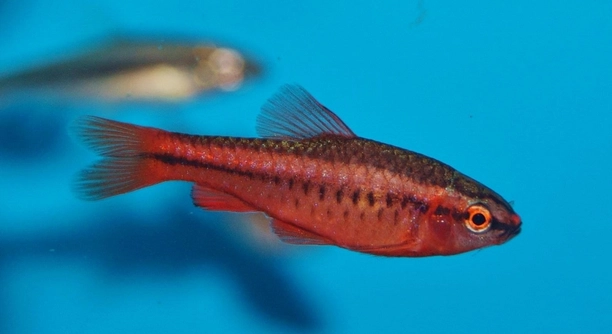
Cherry barbs are popular aquarium fish, known for their active behavior and colorful appearance. They have unique reproductive habits that are fascinating to observe, especially when it comes to egg-laying. These fish are known for their unusual egg-laying spots.
Cherry barbs typically lay their eggs in hidden areas, such as on plants or aquarium decorations. They prefer places with plenty of cover, where the eggs can remain safe from predators. The eggs are small and sticky, allowing them to adhere to surfaces.
Exploring where cherry barbs choose to lay their eggs can help you create an ideal environment for breeding. Understanding their behavior ensures better care and successful reproduction in your aquarium setup.
Where Cherry Barbs Lay Their Eggs
Cherry barbs are known for laying their eggs in places that provide protection from potential threats. In nature, they seek areas with dense plants, rocky surfaces, or submerged debris. These locations give their eggs the best chance of surviving until they hatch. The sticky nature of the eggs allows them to stay attached to these surfaces, reducing the chances of them being eaten by other fish or removed by water flow. This behavior is common among many species of freshwater fish, as hiding the eggs is an effective survival strategy.
Some aquarium owners might notice cherry barbs laying eggs on plants or decorations inside the tank. These eggs usually stay hidden until they hatch, so they don’t disrupt the tank’s overall look or cleanliness. Placing additional plants or even using spawning mops can encourage egg-laying in captivity.
Understanding these hiding spots helps aquarium owners prepare better environments for breeding. By providing suitable areas for egg attachment, you can increase the likelihood of successful hatching and breeding. Creating a safe environment is essential to protect both the eggs and the adult fish.
Why Are These Locations Ideal?
Cherry barbs often choose areas with high plant density, as these places mimic the shelter they would find in their natural habitat. Plants and other submerged objects create perfect hiding spots for their delicate eggs. These spots shield the eggs from potential predators, both from within the tank and external forces like currents.
Plants with dense foliage or any decorative items that can block direct light are ideal for cherry barbs. The fish instinctively lay their eggs in spots where their young will be shielded from the outside world. Additionally, water quality plays a role in egg development. Maintaining stable water conditions in the aquarium will give the eggs the best environment to hatch successfully.
How to Encourage Cherry Barbs to Lay Eggs
To encourage cherry barbs to lay eggs, provide plenty of plants and hiding spots. Aquarium decorations like rocks or driftwood can also help. Keeping the tank temperature between 75°F and 80°F promotes breeding. The more natural the environment, the better the chances of them spawning.
Water quality is another key factor. Cherry barbs thrive in slightly acidic water with a pH range of 6.5 to 7.5. Regular water changes to keep the environment clean are essential. Be sure to avoid high levels of nitrate or ammonia, as poor water conditions can deter egg-laying.
Adding a spawning mop or similar soft, absorbent material will provide extra space for the eggs to attach. Placing the mops or plants near areas where the barbs typically swim will increase the likelihood of them using these spots. The more secure the location, the more likely the fish will feel safe enough to spawn.
Identifying Cherry Barb Eggs
Cherry barb eggs are small and translucent. They’re typically no more than 1-2 millimeters in diameter. You can spot them by their sticky nature as they cling to surfaces like plants or tank decorations. The eggs often appear as tiny, shiny dots.
Inspect the tank closely, especially in areas where the fish typically swim. Look for clusters of eggs attached to the surfaces of plants or rocks. These eggs might not always be visible right away, as their size and placement often make them blend in with the surroundings. Keep an eye out for the delicate, pearl-like shine that will distinguish them from other particles in the tank.
Once the eggs are laid, they will remain in place for several days, developing into tiny fry. These baby fish will eventually become visible, often as small, transparent bodies moving within the safety of the plants or rocks they were laid on.
Protecting Cherry Barb Eggs
To protect the eggs, reduce the risk of other fish interfering. Separate the breeding cherry barbs from the rest of the tank if possible. If not, increase the plant coverage and add extra hiding spots. This way, the eggs will have a better chance of developing safely.
When separating breeding fish, keep the water conditions similar to the original tank to prevent stress. Ensure there’s enough space and food for the cherry barbs. You may also want to add some plants with dense foliage to offer a safe haven for the eggs and fry.
Once separated, the eggs will remain undisturbed, giving them the best chance to develop. Be patient during this process, as it can take a few days for the eggs to hatch. Maintaining stable water conditions is crucial during this time.
Caring for the Fry
After the eggs hatch, the fry are tiny and require special care. They won’t be able to eat the same food as adult fish right away. Start by providing infusoria or liquid fry food, which is more suitable for their size and nutritional needs.
As they grow, you can gradually introduce crushed flakes or micro-pellets. It’s important to monitor the fry’s growth closely and ensure they are receiving enough food. If the fry are in a separate tank, consider adjusting the water flow to avoid stressing them out while they become stronger swimmers.
Moving the Fry
Once the fry are large enough, it’s time to move them to a bigger tank if needed. Make sure the new tank has suitable hiding spots and gentle filtration. Moving them too early can cause stress or even harm.
Ensure the water parameters in the new tank match the fry’s current conditions. Keep a close eye on the water quality to avoid sudden changes that could negatively impact the young fish. Adjust the lighting and filtration as needed to promote healthy growth.
FAQ
How can I tell if my cherry barbs are ready to lay eggs?
Cherry barbs usually lay eggs when they are mature, typically between six months to a year. Signs that they are ready to breed include increased activity and the males showing off their vibrant colors. The males will often chase the females, nudging them towards the plants or decorations where they may lay eggs. You may also notice the female’s abdomen becoming noticeably rounder as she carries the eggs.
What should I do if my cherry barbs are not breeding?
If your cherry barbs are not breeding, there are several factors to consider. First, ensure the water temperature is between 75°F and 80°F, as this range promotes breeding. Also, check the water’s pH level; slightly acidic to neutral water (pH 6.5-7.5) is ideal. Stress can prevent breeding, so make sure the tank is not overcrowded, and there are plenty of hiding spots for the fish. Finally, providing a varied diet with high-quality foods can help trigger breeding behavior.
Can I leave the eggs with other fish in the tank?
It’s best not to leave the eggs with other fish in the tank, as they can eat or disturb them. If you want the eggs to develop safely, you may need to move the breeding pair to a separate breeding tank. If separating the fish isn’t possible, adding lots of plants and decorations will give the eggs a better chance of being protected from potential predators.
How long does it take for cherry barb eggs to hatch?
Cherry barb eggs typically hatch within 3 to 4 days, depending on water temperature and quality. Warmer water can speed up the process, while cooler water may cause the eggs to take a bit longer to hatch. Once hatched, the fry will be tiny and translucent, staying close to plants for safety.
What should I feed the fry once they hatch?
After hatching, the fry are very small and need food suitable for their size. Infusoria, liquid fry food, or powdered baby fish food is best. As they grow, you can start introducing crushed flakes or micro-pellets. It’s important to feed them several times a day to ensure they grow healthy and strong.
Should I remove the fry from the adult tank?
Yes, it’s advisable to remove the fry from the adult tank once they’re born. Adult cherry barbs may eat the fry if given the chance, so separating them can help ensure their survival. Place the fry in a separate, well-maintained tank with gentle filtration and plenty of hiding spots.
Can cherry barbs lay eggs in a community tank?
Yes, cherry barbs can lay eggs in a community tank, but there is a higher chance that the eggs will be eaten by other fish. To increase the chances of successful breeding, you may want to add plenty of plants and decorations for the eggs to attach to. However, separating the breeding pair or using a breeding trap can improve the chances of the eggs being cared for.
How do I prevent other fish from eating the eggs?
To prevent other fish from eating the eggs, create a tank environment that offers plenty of cover. Dense plants, floating plants, and decorations can help keep the eggs hidden from sight. You can also move the cherry barbs to a separate tank where they can breed undisturbed. If separation isn’t possible, consider using a breeding box or trap to give the eggs a better chance of survival.
How can I improve my chances of successfully breeding cherry barbs?
To improve your chances of breeding cherry barbs, ensure that their tank conditions are ideal. Keep the water temperature between 75°F and 80°F, with a slightly acidic to neutral pH. Make sure the tank is not overcrowded, as stress can prevent breeding. Providing a varied diet with live or frozen foods can help trigger breeding behavior. Additionally, introducing breeding mops or extra plants for egg attachment can also increase the chances of success.
Can cherry barbs breed in a planted tank?
Yes, cherry barbs can breed in a planted tank. In fact, a planted tank provides the perfect environment for egg-laying. The plants act as hiding spots for both the eggs and the fry, protecting them from potential predators. Cherry barbs will naturally lay their eggs on plant leaves or in the crevices of rocks, so ensuring you have plenty of plants in the tank is essential for breeding success.
How many eggs do cherry barbs lay at once?
Cherry barbs typically lay between 50 to 100 eggs in one spawning event, though the exact number may vary depending on the fish’s age and health. After the eggs are laid, the male will fertilize them, and the female will continue to protect them. The eggs are sticky, so they will adhere to plants or decorations, making it easier to spot them as they develop.
What do I do if the fry are not growing properly?
If the fry are not growing well, check the water quality first. Poor water conditions can stunt their growth or cause illness. Make sure the water temperature is between 75°F and 80°F, and keep the pH levels stable. Feed them high-quality, finely ground foods and ensure they’re eating enough. If necessary, you can reduce the water flow or add more hiding spots to give the fry a safe and stress-free environment.
Final Thoughts
Breeding cherry barbs can be a rewarding experience, but it requires attention to detail and a bit of patience. By understanding their natural behavior, the right tank conditions, and how to protect the eggs, you can increase the chances of successful breeding. Cherry barbs are small, vibrant fish that make for an interesting addition to any aquarium, especially when you get to witness their breeding process firsthand.
One key factor in breeding cherry barbs is maintaining a suitable environment. Proper water temperature, pH, and cleanliness are essential for both the adult fish and the fry. It’s also important to create a safe space for the eggs, as they can easily be eaten by other fish in a community tank. Using plants or breeding mops can help ensure the eggs have a better chance of developing. After the eggs hatch, providing appropriate food and a separate environment for the fry will help them grow successfully.
Although breeding cherry barbs may seem challenging at first, it becomes easier once you understand their needs. Keep a close eye on the water quality and provide the right conditions for the fish. Whether you’re looking to expand your aquarium or simply want to enjoy the beauty of baby cherry barbs, with a little care and attention, you can enjoy the experience of seeing these colorful fish thrive.

Hello,
If you enjoy the content that we create, please consider saying a "Thank You!" by leaving a tip.
Every little bit helps us continue crafting quality advice that supports the health, happiness, and well-being of pets around the world, for pets of all shapes, sizes, and species.
We really appreciate the kindness and support that you show us!