
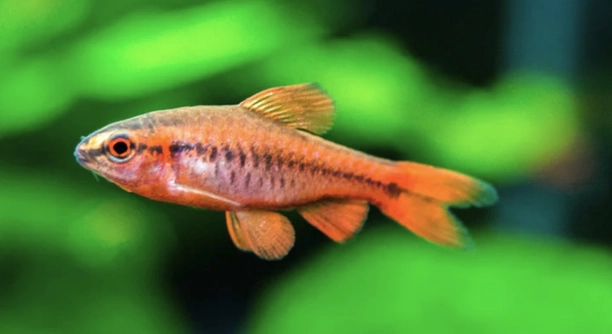
Cherry barb males are known for their vibrant colors and active behavior, but their interactions with each other can sometimes lead to conflict. These small fish are social, but managing their relationships can improve their overall well-being.
To reduce conflict between cherry barb males, provide plenty of hiding spots and a well-planted aquarium. Keeping a balanced male-to-female ratio and ensuring the tank size is adequate will help reduce territorial disputes. Consistent water quality is also essential.
These simple steps can make a significant difference in reducing aggression. Ensuring a peaceful environment for your fish enhances their health and allows them to thrive in their aquatic home.
Tank Size and Space for Cherry Barbs
Cherry barbs need space to swim and establish territories. If your tank is too small, the males may feel crowded, which can lead to fighting. Aim for a tank that’s at least 20 gallons if you have multiple males. A larger tank gives the males more room to roam, helping reduce stress. When setting up, consider adding plants and decorations to create hiding spots. This not only mimics their natural habitat but also gives them areas to retreat when they feel threatened.
A spacious environment promotes peaceful behavior. Overcrowding can quickly escalate tension, so always provide enough room for each fish to feel secure.
Fish behavior can be unpredictable, but creating a calm environment can lead to less aggression. A tank with plenty of space and shelter will allow the males to interact in a more relaxed manner, reducing territorial disputes. This simple setup can greatly improve their overall quality of life.
The Importance of Hiding Spots
Hiding spots play a crucial role in reducing aggression. Cherry barbs are naturally shy and will appreciate places to retreat when they feel threatened. Adding caves, plants, or rocks will encourage more peaceful interactions among the males. These spots provide safe zones where fish can escape when they feel overwhelmed.
Hiding spots allow fish to have personal space. Male cherry barbs are territorial and may fight over space. Having these areas can reduce tension significantly. By providing multiple hiding spots, you give the fish options to avoid direct confrontation, which helps maintain a balanced social structure.
The more hiding spots you provide, the less likely the males will engage in aggressive behavior. The males will feel less stressed knowing they can retreat to a safe space. This setup also benefits the overall health of the tank, ensuring your fish are happy and less prone to fighting.
Male-to-Female Ratio
Maintaining the right balance between male and female cherry barbs is key to reducing aggression. Too many males in one tank can lead to competition, which often results in fighting. A good rule is to have at least two females for every male. This helps keep the males distracted, as they are less likely to fight over one female.
When there are more females than males, the males are less likely to compete for mates, allowing them to interact more peacefully with one another. In a tank with an uneven ratio, the males may become more aggressive as they compete for attention. Keeping a healthy balance reduces stress for everyone.
Having a proper male-to-female ratio creates a calmer tank environment. This approach will lead to less territorial behavior and fewer fights, contributing to a better quality of life for your fish. A careful balance allows each male to have a mate and prevents the dominance struggles that typically lead to aggression.
Water Quality and Temperature
The quality of the water in your tank plays a major role in your fish’s behavior. Poor water conditions can cause stress, which in turn can lead to fighting. Regular water changes and maintaining the right pH, hardness, and temperature are essential. Cherry barbs thrive in water temperatures between 72-79°F.
Consistent water temperature is crucial to their well-being. Fluctuations can cause stress, leading to more aggressive behavior. If the water becomes too warm or cold, the fish may become restless and more prone to conflict. Additionally, make sure the water is properly filtered to remove toxins and maintain clarity.
Keeping water conditions stable ensures a healthier environment for your fish. A stable and clean tank reduces stress levels, helping to minimize conflict. Regular monitoring of water parameters, such as ammonia, nitrite, and nitrate levels, is essential to keep the cherry barbs peaceful and healthy.
Proper Feeding Techniques
Feeding your cherry barbs properly is another way to reduce conflict. Overfeeding can lead to aggression as fish compete for food. Ensure you feed the right amount to prevent food-related disputes. Offering a varied diet will keep them healthy and satisfied, reducing the chances of aggressive behavior.
Feeding in smaller portions multiple times a day will help prevent food competition. This method ensures all the fish have a chance to eat without feeling rushed. Also, provide food that sinks slowly to give everyone time to find it, preventing fights over the surface.
A healthy and well-fed fish tank tends to have less stress. When fish are well-fed and their nutritional needs are met, they are less likely to engage in aggressive behavior. By keeping their stomachs satisfied, you help maintain peace and harmony within the tank.
Tankmates for Cherry Barbs
Choosing the right tankmates for your cherry barbs can also affect their behavior. Some species are more likely to trigger aggression. Avoid adding overly territorial or aggressive fish that may provoke your cherry barbs. Instead, opt for peaceful species that can coexist peacefully.
Incompatible tankmates may increase the stress levels of your cherry barbs, causing them to become defensive or aggressive. Stick to species that are non-competitive and thrive in similar conditions. Peaceful, non-aggressive fish reduce the chances of conflicts and help maintain a calm tank environment.
Observation and Adjustment
Taking time to observe your cherry barbs regularly allows you to spot any signs of stress or aggression early. If you notice fighting or fin damage, it’s time to adjust the tank environment. Small changes like adding more hiding spots or adjusting the water parameters can quickly ease tension.
FAQ
Why do cherry barb males fight?
Cherry barb males fight primarily because of territorial behavior. They are naturally competitive and will often defend their space, especially when they feel there is not enough room. Male-to-male aggression can also be heightened if there are not enough females to distract the males or if the tank is too small. When cherry barbs are stressed or overcrowded, fighting may increase, making it crucial to provide adequate space and hiding spots for each fish.
How can I prevent cherry barb males from fighting?
To prevent fighting, ensure that your tank is large enough to allow the fish to establish individual territories. A ratio of two females per male can also help reduce aggression, as it keeps the males occupied. Adding plenty of plants and rocks will give them places to hide and reduce confrontations. Keeping the water quality optimal is another key factor, as poor conditions can stress the fish and make them more prone to aggression.
Can I keep multiple male cherry barbs together?
Yes, you can keep multiple male cherry barbs together as long as there is enough space in the tank. A larger tank provides the males with room to establish their territories without constantly battling each other. However, if the tank is too small or overcrowded, the males will likely fight for dominance. To minimize aggression, consider adding more females to keep the males distracted.
How many cherry barbs should I keep together?
The ideal group size for cherry barbs is six or more. Keeping a larger group helps spread out aggression, as individual males are less likely to focus on one another when they are in a group. A group of cherry barbs is more social, and the fish are less likely to become stressed or territorial. As mentioned earlier, having a good male-to-female ratio will also help reduce tension.
What should I do if my cherry barbs are fighting?
If your cherry barbs are fighting, start by observing the tank setup. Make sure there are enough hiding spots and that the tank is large enough. If necessary, increase the number of females to keep the males busy and reduce competition. Check the water parameters to ensure the fish are living in a healthy environment. If fighting persists, consider separating the aggressors or adjusting the tank layout to diffuse tension.
Do cherry barbs need a heavily planted tank?
A heavily planted tank is beneficial for cherry barbs, as plants provide hiding spots and help create a more natural environment. The more plants and decorations available, the more likely the males will find areas to retreat, reducing territorial behavior. Plants also improve water quality by absorbing excess nutrients, which is an added benefit for the overall health of the tank.
How can I tell if my cherry barbs are stressed?
Stressed cherry barbs may display changes in behavior or appearance. You might notice increased aggression, erratic swimming, or hiding more than usual. Additionally, a stressed cherry barb may lose its vibrant color, appear lethargic, or have damaged fins. If you notice these signs, it’s important to assess the tank environment and make necessary adjustments, such as improving water quality or providing more space.
Can cherry barbs live with other species?
Cherry barbs are peaceful fish and can live with many other species, as long as they are not overly aggressive. Compatible tankmates include small, peaceful fish such as tetras, rasboras, and other non-territorial species. Avoid keeping them with large or aggressive fish, as they may intimidate or harm the cherry barbs. Always consider the temperaments of potential tankmates before adding them.
What is the best water temperature for cherry barbs?
Cherry barbs thrive in water temperatures between 72-79°F (22-26°C). Maintaining a stable temperature within this range ensures the fish stay healthy and active. Sudden fluctuations in temperature can cause stress and increase the likelihood of aggression. Make sure the tank heater is set correctly, and monitor the temperature regularly.
How often should I change the water in a cherry barb tank?
Water changes should be done regularly to maintain good water quality. For a tank with cherry barbs, aim for a 25-30% water change every 1-2 weeks. Regular water changes help prevent the buildup of toxins and ensure the fish live in a clean, healthy environment. Use a water conditioner to neutralize chlorine and other harmful chemicals during the change.
Final Thoughts
Maintaining a peaceful environment for cherry barbs requires attention to a few key factors. Ensuring the proper male-to-female ratio, providing plenty of space, and creating hiding spots are essential in reducing conflicts. Overcrowding and territorial disputes can quickly escalate into aggression, so it is important to consider these elements when setting up your tank. A balanced tank setup will contribute to the overall well-being of your fish and prevent unnecessary stress.
Water quality plays a significant role in your cherry barbs’ behavior. Stress caused by poor water conditions can lead to fighting and other health issues. Regular water changes, maintaining the right temperature, and keeping the pH levels stable are all crucial for a healthy tank. By ensuring that the water is clean and stable, you can help prevent stress and promote peace among your fish.
Lastly, observing your cherry barbs regularly allows you to catch signs of stress or aggression early on. Small adjustments, like adding more females or rearranging the tank, can make a big difference in reducing fighting. If issues persist, separating the aggressive fish may be necessary. With the right approach, you can enjoy a harmonious tank and keep your cherry barbs happy and healthy for years to come.

Hello,
If you enjoy the content that we create, please consider saying a "Thank You!" by leaving a tip.
Every little bit helps us continue crafting quality advice that supports the health, happiness, and well-being of pets around the world, for pets of all shapes, sizes, and species.
We really appreciate the kindness and support that you show us!