
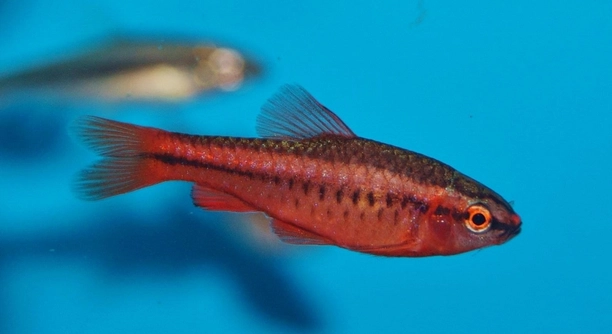
Cherry Barbs are often seen schooling together, but sometimes they may break away from the group. This behavior can be puzzling for aquarium owners. Understanding why this happens can help you ensure the well-being of your fish.
Cherry Barbs may stop following the group due to stress, environmental changes, illness, or insufficient space. They may also become more independent as they age or during spawning periods. These factors affect their social behavior and movement patterns.
Identifying the reasons behind this shift can help you provide the right care to your Cherry Barbs. Keep reading to learn more about their behavior and how to address these issues effectively.
Stress and Environmental Factors
Cherry Barbs, like many fish, can easily become stressed by changes in their environment. Stress can be caused by a variety of factors, such as poor water quality, sudden temperature changes, or aggressive tank mates. When stressed, Cherry Barbs may separate from the group to find a more peaceful area. They might swim alone or hide in plants or decorations within the tank. Maintaining stable water conditions and avoiding any sudden disruptions can help reduce stress and keep your Cherry Barbs more sociable.
Water quality plays a crucial role in the overall health of Cherry Barbs. High levels of ammonia, nitrites, or nitrates in the tank can create a toxic environment, leading to stress and behavioral changes. Regular water changes and proper filtration help keep water conditions ideal. Monitoring temperature and avoiding rapid fluctuations will also ensure that your Cherry Barbs remain comfortable. Consistent care is essential for their well-being.
Fish that are stressed can exhibit behaviors that seem out of the ordinary. If you notice your Cherry Barbs swimming alone or hiding, it may be due to environmental stress. Check water quality and temperature to ensure they are within the ideal range for your fish. Keeping the tank peaceful can help promote social behaviors.
Illness and Health Issues
A common reason for Cherry Barbs separating from the group is illness. Infected or injured fish often isolate themselves from others, seeking solitude in an effort to recover. When a Cherry Barb starts acting differently, like swimming erratically or showing signs of infection, it’s important to monitor their behavior closely. Identifying the issue early can help prevent it from affecting other fish in the tank.
A weakened immune system can make Cherry Barbs more vulnerable to diseases like parasites, fungal infections, or fin rot. A sick fish may stop eating, swim slowly, or become less active. If you notice any unusual signs, isolate the sick fish immediately to prevent the spread of illness. Treating the problem quickly can improve their chances of recovery and restore their social behavior.
Fish that are sick or hurt might need extra care and attention. While Cherry Barbs usually thrive in groups, an isolated individual may need a peaceful, low-stress environment to heal. Watch closely for symptoms, and treat any health concerns promptly to maintain the health of the entire tank.
Age and Maturity
As Cherry Barbs mature, their behavior can shift. Younger fish are more likely to school together, while older Barbs may choose to spend time alone. This change is a natural part of their development, and it doesn’t always indicate a problem.
Older Cherry Barbs may be more independent, especially during breeding periods. As they mature, their social dynamics within the tank can shift. You may notice that they no longer follow the group as closely or spend more time on their own. This behavior is typical for many species of fish and doesn’t necessarily mean anything is wrong.
While younger Cherry Barbs tend to stick with their group, older individuals may prefer solitude. This can happen during their breeding season, when they may isolate themselves to avoid aggression from others. It’s important to understand that maturity can affect their social behavior.
Space and Tank Size
Space is crucial for the well-being of Cherry Barbs. In smaller tanks, fish may feel overcrowded and stressed, leading them to break away from the group. Having a larger tank helps provide a more comfortable environment where they can swim freely.
Overcrowded tanks can cause stress, which may lead to Cherry Barbs isolating themselves. They need enough room to swim, explore, and find food. A cramped environment with poor water circulation can negatively impact their health and behavior. Providing a well-sized tank with enough space for the entire school will help your fish remain social.
Proper tank size and space are essential for Cherry Barbs. When they don’t have enough room, they may retreat from the group to avoid aggression or stress. It’s important to give them the freedom to move around comfortably. A tank with sufficient space encourages natural behavior and promotes social interaction.
Tank Mates and Social Dynamics
Cherry Barbs may stop following the group if they feel threatened by more aggressive tank mates. This can lead to them becoming more solitary as they try to avoid conflict. Choosing peaceful companions is key.
Aggressive fish or those that invade their space can cause stress, prompting Cherry Barbs to break away from the school. It’s important to keep the right mix of tank mates to ensure that all fish coexist peacefully. The presence of peaceful companions promotes a more harmonious environment and encourages social behaviors in your Cherry Barbs.
Water Temperature and Conditions
Cherry Barbs prefer stable water temperatures, typically between 72-80°F. If the temperature fluctuates too much, they may isolate themselves to avoid the discomfort caused by sudden changes.
Inconsistent temperatures or rapid shifts can make Cherry Barbs feel unsafe, leading them to seek out more sheltered areas of the tank. Keeping the water temperature stable and within their ideal range will help them stay active and social. Maintaining balanced conditions is important for their overall health and behavior.
FAQ
Why is my Cherry Barb swimming alone?
Cherry Barbs may swim alone due to stress, illness, or simply because they are reaching maturity. If you notice your Cherry Barb separating from the group, it’s important to check the tank environment and look for signs of illness. Stressful conditions, like poor water quality or aggressive tank mates, can cause them to withdraw. Additionally, older Cherry Barbs might become more independent as they mature, especially during breeding periods. However, if the behavior persists, it’s worth observing for any other symptoms or changes that could indicate a health issue.
How can I tell if my Cherry Barb is stressed?
Signs of stress in Cherry Barbs include erratic swimming, hiding, loss of appetite, and fading color. If they are spending more time away from the group or swimming aimlessly, it could be a sign that they are stressed. Check the water parameters, including temperature, pH, and ammonia levels, as poor water quality is a major stressor. Ensure they are not being harassed by other tank mates and that the tank size is suitable for the number of fish present. Stress often leads to more solitary behavior, so addressing these factors will help your Cherry Barb feel more comfortable.
Can Cherry Barbs be kept with other species?
Yes, Cherry Barbs can be kept with many other peaceful fish species. They generally do well with other small, non-aggressive fish like tetras, rasboras, or peaceful livebearers. However, they should not be kept with larger, more aggressive fish that might intimidate them. If you find that your Cherry Barb is constantly separating from the group, consider checking the temperament of its tank mates. Aggressive or territorial fish may cause your Cherry Barb to become more reclusive.
Do Cherry Barbs need a group to be happy?
While Cherry Barbs are social fish and thrive in groups, they can still live alone or in pairs, though they may display less active behavior. Keeping them in groups of at least five or more will encourage natural schooling behavior and help them feel secure. A single Cherry Barb might not display the same level of social interaction as a group of them would. So, if you want to see them at their best, a group setting is ideal.
What should I do if my Cherry Barb is sick?
If your Cherry Barb shows signs of illness, such as fading color, abnormal swimming, or loss of appetite, it’s important to act quickly. Isolate the affected fish in a quarantine tank to prevent the spread of disease. Then, examine the water quality and check for any issues that may be contributing to the sickness, like high ammonia or poor oxygen levels. Treat the fish with appropriate medication or consult a vet who specializes in fish care for further guidance. Proper treatment and a calm environment will help the fish recover.
Can Cherry Barbs tolerate fluctuating water temperatures?
Cherry Barbs do not tolerate fluctuating water temperatures well. They prefer stable temperatures between 72-80°F (22-27°C). Sudden changes can lead to stress and cause them to retreat from the group or exhibit unusual behavior. Ensure that the aquarium heater maintains a steady temperature and check that the room temperature doesn’t cause large shifts in the water temperature. Consistency is key for maintaining their health and social behavior.
How do I create a comfortable environment for Cherry Barbs?
Creating a comfortable environment for your Cherry Barbs involves maintaining clean water, a stable temperature, and peaceful tank mates. Regular water changes, proper filtration, and testing water parameters regularly will help ensure the tank conditions are ideal. Adding plants and hiding spots can also give them a sense of security, making them feel more at ease. Keep the tank in a quiet area where they won’t be disturbed by excessive noise or movement, as this can add to their stress levels.
Why is my Cherry Barb hiding all the time?
Hiding is a common behavior in Cherry Barbs when they are stressed or feeling unsafe. If your Cherry Barb is constantly hiding, it could be a sign of aggression from other tank mates, poor water quality, or health issues. Make sure the tank is large enough and that the water quality is optimal. Check for signs of illness and make sure there are plenty of hiding spots in the tank. If everything seems fine with the tank environment and they continue to hide, consider adding more Cherry Barbs to create a more supportive group dynamic.
How often should I feed my Cherry Barbs?
Feed your Cherry Barbs once or twice a day with a varied diet that includes high-quality flake food, frozen or live food, and occasional vegetable matter. Overfeeding can lead to poor water quality, which may stress the fish, so it’s important to only offer as much food as they can eat in a few minutes. Regular feeding and providing the right balance of nutrients will help keep them healthy and active. Remove any uneaten food to avoid contaminating the water.
Can I breed Cherry Barbs in my aquarium?
Yes, Cherry Barbs can be bred in an aquarium. To encourage breeding, provide plenty of plants or spawning mops where the female can lay eggs. When the conditions are right, the male will chase the female, and she will lay eggs in the plants. After spawning, it’s a good idea to remove the adult fish, as they may eat the eggs or fry. The eggs usually hatch in 2-3 days, and the fry will need fine food like infusoria until they grow large enough to eat larger foods. Keep the water clean and stable during the breeding process for the best chance of success.
Final Thoughts
Cherry Barbs are generally peaceful and social fish, but there are times when they may choose to swim alone. This behavior can be due to several factors, including stress, illness, or changes in their environment. It’s important to keep an eye on their behavior and surroundings to make sure they are healthy and comfortable. While they are usually part of a group, some may naturally become more independent as they mature. Understanding these natural behaviors will help you provide the best care for your fish.
In most cases, a Cherry Barb’s decision to separate from the group isn’t a cause for concern, but it’s essential to address any underlying issues. If they’re swimming alone due to stress, poor water conditions, or aggressive tank mates, it’s crucial to rectify the situation. Maintaining a stable environment with proper water parameters, tank size, and peaceful companions can help prevent unwanted behaviors. Regularly monitoring your tank conditions and ensuring the fish feel safe will go a long way in promoting a healthy, social environment.
Ultimately, every Cherry Barb is unique, and their behavior can vary depending on their individual needs. Some may thrive in a group, while others may prefer solitude at times. By creating a comfortable and stress-free environment, you can help your Cherry Barbs feel more secure and content. Paying attention to their needs, including water quality, temperature, and tank mates, will support their well-being and allow them to express their natural behavior. With proper care, your Cherry Barbs can enjoy a happy, healthy life in your aquarium.

Hello,
If you enjoy the content that we create, please consider saying a "Thank You!" by leaving a tip.
Every little bit helps us continue crafting quality advice that supports the health, happiness, and well-being of pets around the world, for pets of all shapes, sizes, and species.
We really appreciate the kindness and support that you show us!