
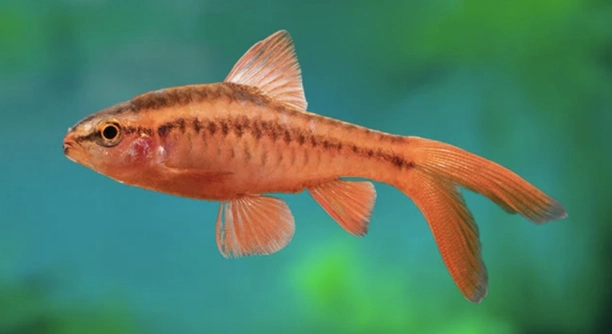
Cherry Barbs are peaceful and vibrant fish, but sometimes they may act reclusive. It’s important to understand the reasons behind this behavior to help ensure their well-being. Knowing what’s affecting them can make a big difference.
The most common reasons why Cherry Barbs become reclusive are stress, poor water quality, incompatible tank mates, or inadequate tank conditions. Additionally, a lack of stimulation or changes in their environment can contribute to their withdrawal from normal behavior.
Understanding the factors at play can help you address the issue. By keeping their environment stress-free, your Cherry Barbs may become more active and social again.
Stress from Tank Mates
Cherry Barbs are social fish, but they can become stressed if housed with aggressive or overly dominant tank mates. If there are fish that nip at their fins or are too large, the Cherry Barbs may hide or withdraw from sight. This can lead to reclusive behavior as they feel unsafe.
While Cherry Barbs do well in peaceful communities, not all fish are suitable companions. Aggressive fish like cichlids, large tetras, or fin-nippers can make the environment uncomfortable for them. Over time, this stress can cause your Cherry Barbs to hide, especially when they feel threatened. It’s important to monitor the behavior of all the fish in the tank.
One way to prevent stress is by selecting tank mates that are calm and non-aggressive. Species like peaceful tetras, danios, or other small barbs can coexist well with Cherry Barbs. Additionally, keeping the tank layout with plenty of hiding spots can help your Cherry Barbs feel more secure. A well-balanced community tank is key to keeping them happy and active.
Poor Water Quality
Cherry Barbs are sensitive to poor water quality, and it can quickly lead to health issues. High levels of ammonia, nitrites, or low oxygen can cause stress, making them retreat into corners of the tank.
Regular water changes, proper filtration, and monitoring water parameters can help maintain a healthy environment. If the water becomes polluted, your Cherry Barbs may stop swimming around and hide more often, signaling that something isn’t right.
Maintaining clean water is essential for your Cherry Barbs’ health and happiness. By testing the water regularly and making adjustments as needed, you can prevent reclusive behavior. Keeping a good water balance also reduces the chance of diseases, ensuring your fish stay active and vibrant.
Lack of Space
Cherry Barbs need plenty of room to swim and explore. If they’re confined to a small tank, they may become stressed and reclusive. An overcrowded tank can lead to competition for food and territory, which causes discomfort for your fish.
A cramped space can also hinder natural behaviors, like schooling or exploring their environment. When Cherry Barbs don’t have enough space to move freely, they may find hiding spots and stay there, avoiding interaction with other fish. This behavior is a clear sign that your tank is too small for their needs.
To keep Cherry Barbs happy and active, ensure they have enough swimming space. A tank of at least 20 gallons is ideal for a small group of Cherry Barbs. Adding plants, rocks, and other decorations will also provide hiding spaces without making the tank feel overcrowded.
Inconsistent Lighting and Temperature
Cherry Barbs are sensitive to changes in lighting and temperature. If the light is too bright or the temperature fluctuates, they may feel stressed and seek refuge. Stable conditions are key to their comfort.
Inconsistent lighting can disrupt their natural day-night cycle, causing anxiety. Cherry Barbs prefer gentle lighting and a consistent light schedule, as this mimics their natural environment. Similarly, fluctuating water temperature can lead to stress, making them withdraw from view.
Maintaining a steady temperature around 75-80°F (24-27°C) and moderate lighting will help your Cherry Barbs feel safe. A reliable heater and a timer for the lights can make a significant difference. When the environment is stable, your fish will feel more comfortable and may become more active.
Poor Diet
A lack of proper nutrition can lead to Cherry Barbs becoming reclusive. If they’re not getting enough variety in their food, it can affect their energy levels, making them less active and more likely to hide.
Cherry Barbs thrive on a balanced diet of both plant-based and protein-rich foods. When their nutritional needs aren’t met, they may feel weak or unwell, leading to withdrawal. Offering high-quality flake food, pellets, and occasional live or frozen foods like brine shrimp can ensure they get the nutrients they need.
Lack of Stimulation
Cherry Barbs are curious and active fish that need mental stimulation. Without enough enrichment in the tank, they can become bored and reclusive. A lack of plants, hiding spots, or decorations can make the environment feel empty.
Adding plants, rocks, and driftwood can encourage exploration and keep your Cherry Barbs engaged. They enjoy swimming through plants and investigating new structures. Keeping the tank well-decorated and interesting helps prevent them from becoming withdrawn.
FAQ
Why are my Cherry Barbs staying hidden all the time?
Cherry Barbs are typically active and social, so if they’re hiding a lot, it could indicate stress or discomfort. Common causes include poor water quality, aggressive tank mates, or even a lack of space. If their environment is not ideal, they may retreat to feel safer. Check the water parameters, ensure they have enough space, and consider the behavior of other fish in the tank. Sometimes, reclusive behavior is temporary, but it’s worth addressing these factors to ensure they’re comfortable.
Can Cherry Barbs live with other fish?
Yes, Cherry Barbs are generally peaceful and can live with other non-aggressive species. They do well in community tanks, especially with small to medium-sized fish like tetras, danios, or other barbs. However, avoid aggressive or larger fish that might intimidate them. Keeping a mix of calm tank mates helps maintain a peaceful environment where Cherry Barbs feel safe to be active and social.
What temperature do Cherry Barbs prefer?
Cherry Barbs thrive in temperatures between 75-80°F (24-27°C). Consistent temperature is key, as fluctuations can cause stress. Using a reliable heater and checking the temperature regularly will help maintain a stable environment. If the water is too cold or too warm, your Cherry Barbs may become lethargic or hide more often.
How often should I feed Cherry Barbs?
Cherry Barbs should be fed once or twice a day. Offer them small amounts of food that they can consume in a few minutes. Overfeeding can lead to water quality issues, so it’s important to avoid excess food. A varied diet, including flake food, pellets, and occasional live or frozen food, ensures they get all the nutrients they need to stay healthy and active.
What is the ideal tank size for Cherry Barbs?
Cherry Barbs need a minimum tank size of 20 gallons for a small group. If you have a larger school of Cherry Barbs, a larger tank will help ensure they have enough space to swim comfortably. A bigger tank also makes it easier to maintain stable water conditions, which helps prevent stress-related issues.
How do I know if my Cherry Barbs are stressed?
Signs of stress in Cherry Barbs include hiding more than usual, reduced appetite, faded colors, or erratic swimming patterns. They may also spend a lot of time near the surface or at the bottom of the tank. If you notice these behaviors, it’s important to check water quality, temperature, and the behavior of other fish in the tank. Stress can often be addressed by improving tank conditions or removing potential stressors.
Can Cherry Barbs live in a planted tank?
Yes, Cherry Barbs thrive in planted tanks. They enjoy swimming through plants and using them for cover. Having plants in the tank mimics their natural environment and helps them feel secure. Plants also provide hiding spots and contribute to water quality by absorbing excess nutrients. Just make sure the plants aren’t too dense, which could limit swimming space.
How long do Cherry Barbs live?
Cherry Barbs typically live for 3 to 5 years, although with proper care, they can live even longer. Factors like water quality, diet, and tank conditions can influence their lifespan. Providing a stable environment, regular water changes, and proper nutrition can help ensure they live a long, healthy life.
Can Cherry Barbs breed in a community tank?
Yes, Cherry Barbs can breed in a community tank, though it’s best to have a separate breeding setup if you want to raise the fry. The adults may eat the eggs or fry, so having plants or breeding mats can help provide some protection. If you’re trying to breed them, ensure the water conditions are optimal and add some small hiding spots for the eggs to keep them safe.
Do Cherry Barbs need a filter?
Yes, Cherry Barbs require a filter to keep the water clean and well-oxygenated. Proper filtration is crucial for maintaining good water quality, especially in a tank with multiple fish. Be sure to use a filter that is appropriate for the size of your tank, as stagnant or poor-quality water can lead to health issues for your Cherry Barbs.
How can I tell if my Cherry Barbs are healthy?
Healthy Cherry Barbs are active, have bright colors, and swim freely throughout the tank. They should eat regularly, and their fins should appear intact without any signs of damage. If your Cherry Barbs are hiding more than usual, losing color, or exhibiting abnormal behavior, it could indicate an underlying health issue. Regular water testing and keeping the tank clean are key to preventing health problems.
Do Cherry Barbs like strong currents?
No, Cherry Barbs do not like strong currents. They prefer calm water, which allows them to swim and explore comfortably. If the current is too strong, they may become stressed and seek shelter. Adjusting the water flow or using plants to block strong currents can help create a more suitable environment for them.
Are Cherry Barbs sensitive to water changes?
Cherry Barbs can be sensitive to sudden water changes, especially if the temperature, pH, or hardness fluctuates too quickly. It’s important to make gradual water changes and avoid large shifts in water parameters. Performing smaller, more frequent water changes is better for maintaining stability and keeping your Cherry Barbs comfortable. Always check the water before making changes to ensure it’s within the right range for your fish.
Final Thoughts
Cherry Barbs are generally peaceful and social fish, making them a great choice for community tanks. However, they can become reclusive if certain factors in their environment aren’t ideal. Stress from aggressive tank mates, poor water quality, or inadequate space can cause them to withdraw and hide more often. By understanding the reasons behind their reclusive behavior, you can address these issues and help your Cherry Barbs feel comfortable and secure again.
Maintaining a stable and healthy environment is key to keeping Cherry Barbs happy. Regular water changes, appropriate tank size, and careful selection of tank mates can go a long way in preventing stress. Cherry Barbs also benefit from a varied diet and enough space to swim freely. Providing plants and decorations in the tank gives them hiding spots, which helps reduce stress and keeps them feeling safe. When all these factors are considered, Cherry Barbs are more likely to be active and social.
Ultimately, keeping Cherry Barbs happy comes down to creating an environment that suits their natural needs. It’s important to observe their behavior closely and make adjustments if you notice signs of stress or withdrawal. If you address the root causes, such as poor water quality, unsuitable tank mates, or lack of space, your Cherry Barbs will likely become more active and less reclusive. Taking good care of them will ensure they stay healthy and vibrant for years to come.

Hello,
If you enjoy the content that we create, please consider saying a "Thank You!" by leaving a tip.
Every little bit helps us continue crafting quality advice that supports the health, happiness, and well-being of pets around the world, for pets of all shapes, sizes, and species.
We really appreciate the kindness and support that you show us!