
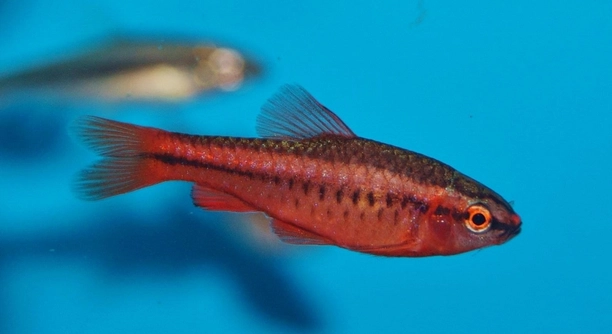
Cherry barbs are usually active and lively fish, but sometimes, you might notice them hiding more than usual. It’s important to understand the reasons behind their behavior to ensure their well-being.
The sudden hiding of cherry barbs is often due to stress, illness, or changes in their environment. These factors can lead to discomfort, causing them to seek refuge in plants or corners of the tank to feel safe.
Identifying the cause of your fish’s behavior can help you address the issue and create a more comfortable environment for them.
Stress Factors That Can Affect Your Cherry Barbs
Cherry barbs, like many other fish, are sensitive to changes in their environment. Stress is one of the leading causes for their sudden hiding behavior. Stress can result from a variety of factors, including water quality, tank mates, or sudden changes in their environment. When the water quality is poor, such as high ammonia or nitrite levels, cherry barbs may feel unsafe, prompting them to hide to protect themselves. Likewise, if there are aggressive fish in the tank, they might hide to avoid conflict. Additionally, changes in lighting or tank decor can also stress them out, causing them to retreat.
Even small changes that you might not think are significant could make your cherry barbs feel uncomfortable. Keep in mind that any disruptions to their peaceful surroundings can easily lead to stress.
Creating a stable and calm tank environment is key to preventing stress in your fish. Make sure your water parameters are in check and avoid any sudden changes to their setup.
Illness and Disease
A sudden drop in activity and hiding can also be a sign that your cherry barbs are sick. Illnesses such as parasites, bacterial infections, or internal issues may make them seek out darker areas in the tank where they feel more secure. When they’re unwell, their instinct is to isolate themselves, reducing their chances of being seen by potential threats.
If you notice that your fish are hiding more than usual and also displaying other signs such as loss of appetite or abnormal swimming patterns, this might be an indication of illness. Ensure you observe them closely for any changes in appearance, such as faded colors, bloating, or abnormal fins.
Once you notice signs of illness, it’s important to isolate the affected fish and treat them promptly. Using quarantine tanks and monitoring their health can help prevent the spread of diseases to the other fish. Keep your aquarium clean and provide proper medications if needed.
Tank Environment and Water Conditions
The tank’s environment plays a significant role in your cherry barbs’ behavior. Poor water conditions, like high ammonia levels or low oxygen, can stress them out, making them hide more often. Regular water changes are essential to maintain a healthy tank.
If you’ve recently changed the water or your filtration system, it can disrupt the balance, causing fish to feel uneasy. Cherry barbs need clean, stable water with appropriate temperature and pH levels. Test the water regularly and adjust it as needed. A sudden spike in chemicals or pollutants can lead to hidden behaviors.
Adding live plants and hiding spots can give your cherry barbs a sense of security. However, too much clutter may limit their swimming space and increase stress. Make sure they have both places to hide and enough open space to feel comfortable in their surroundings.
Aggressive Tankmates
Cherry barbs can be skittish around aggressive or overly active tankmates. When there is constant bullying or competition for food, they might choose to hide rather than interact. This behavior helps them avoid conflict and stress.
Choosing peaceful companions for your cherry barbs is important. Avoid placing them with large or aggressive fish that might chase or nip at them. Species that are calmer and share similar activity levels are ideal. Overcrowding can also increase aggression, so always keep an eye on how well everyone is getting along.
Creating a peaceful community tank helps your cherry barbs feel more secure and reduces their need to retreat into hiding. Look for tankmates that are not overly territorial and avoid those that are too fast or aggressive for their comfort level.
Lighting and Tank Setup
Cherry barbs can be sensitive to lighting changes, which can cause them to hide. Bright lights can make them feel exposed and stressed. Adjust the lighting intensity or provide shaded areas in the tank to help them feel secure.
Ensure that the tank’s lighting mimics natural day and night cycles. Too much light for extended periods can lead to stress, while too little can make it harder for them to feel comfortable. Dim lighting or the addition of floating plants can give your cherry barbs a sense of privacy, reducing their hiding behavior.
Create an environment with plenty of plants, rocks, and hiding spots where they can retreat without feeling trapped. This gives them the choice to explore and seek shelter when needed, promoting both health and comfort.
Temperature Fluctuations
Temperature fluctuations are another factor that can cause cherry barbs to hide. These fish prefer stable water temperatures. If the water is too warm or too cold, they will likely seek shelter to avoid stress.
Keep your tank at a consistent temperature. Cherry barbs thrive in temperatures between 72°F and 80°F (22°C to 27°C). Sudden changes can cause them to feel unsettled, making hiding more frequent. Investing in a reliable heater and thermometer ensures that the water remains comfortable for them.
Overfeeding
Overfeeding is a common mistake that leads to poor water quality and stressed fish. Cherry barbs may hide more often if the food left in the tank starts to decay, affecting the water conditions.
Feed your fish in small portions that they can consume within a few minutes. Overfeeding leads to uneaten food sinking to the bottom, which can decay and affect water quality. Regularly remove any uneaten food from the tank to keep the environment clean and reduce stress for your cherry barbs.
FAQ
Why are my cherry barbs staying near the bottom of the tank?
Cherry barbs staying near the bottom can indicate several things. It could be that they are feeling stressed, uncomfortable with water conditions, or sick. If the water temperature or quality isn’t ideal, they might retreat to the bottom to feel safer. Check your tank’s water parameters and make sure there are no signs of disease. If everything looks good but they’re still staying low, consider providing more hiding spots or adjusting the lighting to help them feel more secure.
Do cherry barbs hide when they are stressed?
Yes, cherry barbs will often hide when they are stressed. Stress can come from a variety of factors such as poor water quality, aggressive tankmates, or changes in their environment. When they are feeling anxious, they’ll seek refuge in plants, rocks, or any other hiding places available in the tank. Ensuring a peaceful tank setup, with stable water conditions and compatible tankmates, will help minimize stress and reduce hiding behaviors.
Can cherry barbs get sick from poor water quality?
Yes, poor water quality is a common cause of illness in cherry barbs. If ammonia, nitrite, or nitrate levels become too high, it can lead to respiratory problems, skin issues, or even death. Cherry barbs are sensitive to these changes and may display hiding behavior as a response to their discomfort. It’s important to perform regular water changes, use a good filtration system, and test the water to maintain safe levels. Keeping a stable and clean tank environment helps prevent illness and supports your fish’s overall health.
What are the signs that my cherry barbs are sick?
If your cherry barbs are sick, you may notice changes in their appearance and behavior. Common signs of illness include faded color, bloating, abnormal swimming (like swimming in circles or erratically), or clamped fins. If they’re staying hidden for long periods and not eating, it could be a sign they are unwell. Watch for any changes in their body, such as sores, lesions, or white spots. If any of these symptoms appear, it’s important to treat them immediately to prevent the illness from spreading.
How can I reduce aggression in my cherry barbs’ tank?
Aggression can be reduced by ensuring there are plenty of hiding spots and reducing overcrowding in the tank. Cherry barbs are peaceful, but some aggressive behaviors can occur if they feel threatened or if they’re housed with more dominant fish. Ensure that your tankmates are peaceful and similar in size. If aggression persists, adding more plants and structures to the tank can provide each fish with enough space to claim as its own, minimizing the need for territorial fights. Also, consider keeping more than one cherry barb to disperse any aggressive tendencies.
Do cherry barbs need a lot of space to swim?
Yes, cherry barbs do need enough space to swim freely. Although they are small fish, they are active swimmers. If they are in a cramped space, they may become stressed and hide more often. A 20-gallon tank is a good starting point for a small group of cherry barbs, but larger tanks will always provide them with more room to move and feel secure. Ensure that there are enough plants, rocks, and other decorations to create a natural environment without overcrowding the space.
How often should I feed my cherry barbs?
Cherry barbs should be fed once or twice a day, depending on their age and size. It’s important not to overfeed them, as uneaten food can decay and affect the water quality. Feed small amounts that they can finish within a few minutes, and be sure to remove any leftover food to keep the tank clean. Overfeeding can lead to poor water conditions, which will stress the fish and potentially cause them to hide. It’s better to feed them smaller portions regularly than to give large meals that may go uneaten.
Can cherry barbs live with other fish?
Yes, cherry barbs can live with many other fish, as they are peaceful and social creatures. They do well in community tanks with similar-sized, non-aggressive species. Suitable tankmates include small tetras, peaceful livebearers, or other barb species. However, avoid placing them with larger, more aggressive fish that could harass them. A good rule is to house them with fish that have a similar temperament and won’t intimidate or outcompete them for food. Having a variety of peaceful fish can make the tank environment more enjoyable for everyone.
Why is my cherry barb losing its color?
Color fading can be a sign of stress, illness, or poor water quality. Cherry barbs are sensitive to their environment, and if they are stressed, their vibrant color can dull. Illness can also lead to color loss, especially if it’s a skin-related disease. Ensure the water quality is stable and free from harmful chemicals. If the water is good but the color fading persists, check for signs of disease and treat the fish accordingly. Stress can also result from aggressive tankmates, so consider adjusting the fish population in the tank.
How can I help my cherry barbs feel more secure in the tank?
To help your cherry barbs feel secure, create a tank environment with plenty of hiding spots. Use plants, rocks, and driftwood to provide shelter and areas where they can retreat if they feel threatened. Additionally, avoid sudden changes to their environment, like changing the tank’s layout or adding new, aggressive fish. Maintaining stable water conditions and providing soft, diffused lighting will also help them feel at ease. The more natural and peaceful the environment, the less likely they will feel the need to hide.
Final Thoughts
Cherry barbs are generally peaceful and social fish, but there are times when they may hide more than usual. Understanding the reasons behind their behavior is key to ensuring they stay happy and healthy. The most common causes of hiding include stress, poor water quality, illness, and the presence of aggressive tankmates. Identifying these factors early on can help you address the issue before it becomes more serious. By making small adjustments to their environment, you can create a more comfortable space for them, allowing your cherry barbs to thrive.
One important aspect of caring for cherry barbs is maintaining stable water conditions. Regular water changes and proper filtration are essential for keeping them healthy. Cherry barbs are sensitive to fluctuations in water temperature, pH, and ammonia levels, so it’s important to monitor these regularly. Keeping the water clean and balanced will reduce stress and prevent hiding behaviors related to poor water quality. Ensuring that your tank is free from harmful chemicals or pollutants is vital to their well-being. Testing the water regularly with a reliable kit will help you catch any issues early and make adjustments as needed.
Lastly, remember that cherry barbs are social creatures, and they will thrive in a well-planned community tank. Be mindful of the other fish in the tank, as aggressive or overly active tankmates can cause stress and lead to hiding. Creating a peaceful environment with plenty of hiding spots and enough swimming space is crucial. Adding live plants and decorations not only provides shelter for your cherry barbs but also makes the tank look more natural and visually appealing. By paying attention to their needs and ensuring a stable, calm environment, you can keep your cherry barbs happy and healthy for years to come.

Hello,
If you enjoy the content that we create, please consider saying a "Thank You!" by leaving a tip.
Every little bit helps us continue crafting quality advice that supports the health, happiness, and well-being of pets around the world, for pets of all shapes, sizes, and species.
We really appreciate the kindness and support that you show us!