
Have you ever noticed your cherry barbs acting a little odd and found yourself wondering what it could mean before they spawn?
Cherry barbs display a range of unusual behaviors before spawning, such as color changes, territorial chasing, erratic swimming, and increased aggression. These actions are instinctual and play a role in mate selection and reproductive success.
Some of these behaviors may seem strange at first, but they all serve a purpose and reflect the fascinating world of fish courtship and reproduction.
Their Colors Turn Brighter
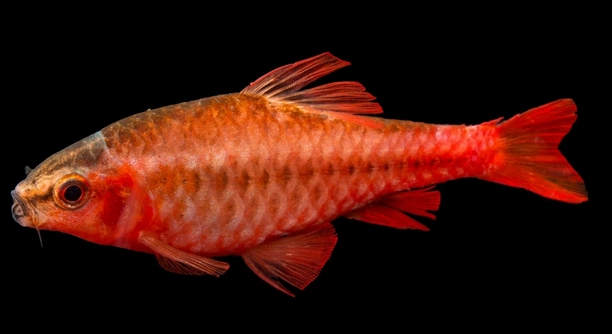
Before spawning, cherry barbs often show a noticeable change in their body color. Males in particular will become much redder and more vibrant. This isn’t just for show — the bright color is a signal to females that the male is healthy and ready to mate. It also plays a role in setting up dominance over other males in the tank. Females may become slightly rounder due to egg development, but their color shift is usually less intense. These changes can happen quickly and may come and go depending on the day or tank conditions. If you see your cherry barbs getting redder, especially in the early morning hours, it’s a good sign they’re preparing to spawn. This color change is one of the earliest and easiest signs to notice, even for newer fish keepers, and often means more interesting behavior is coming soon.
The color change usually begins at the head and spreads across the body, especially in males.
As the tank lights come on and the barbs begin moving around, their colors intensify. This is when you may notice increased chasing or slight nudges between fish. These quick, darting movements often follow the early color shift. They aren’t random. The male is testing the female’s readiness by swimming close, flaring his fins, and showing off. This dance-like display is a way to convince her to lay eggs. If she responds by pausing or swimming slowly near him, she may be ready. If she darts away, the male will usually try again later. Sometimes multiple males compete for the same female, and their colors grow even brighter in the process.
Chasing Behavior Increases
Once the spawning period nears, chasing behavior increases significantly. Males will begin following females more closely and more often. This is not aggressive, but it is persistent.
This chasing behavior is part of their natural instinct. The male cherry barb’s goal is to guide the female toward a suitable spawning spot, usually among plants or in shaded corners of the tank. While it may look like harassment, it serves a clear purpose in the breeding cycle. The male swims slightly below or behind the female, trying to direct her movements. Sometimes he will gently nudge her side to encourage her. If she accepts his advances, she may begin to hover or swim slower, indicating she is ready to lay eggs. Other times, the female may ignore or avoid the male, in which case the chasing continues. This can go on for hours before actual spawning happens. During this time, it’s important to monitor the tank for signs of stress or injury.
They Hover Near Plants
Cherry barbs often begin hovering near plants when they’re getting ready to spawn. This behavior is more common in the early morning, and both males and females tend to favor areas with fine-leaved plants or shaded spots in the tank.
This hovering isn’t random. The male is scouting for a spot to lead the female to once she’s ready. Plants offer the best surfaces for the female to scatter her eggs, especially those with soft leaves or bushy textures. Males may spend time circling the same plant area repeatedly, nudging the space and occasionally checking back in on the female. It’s also not unusual to see several fish gathering around the same spot, especially in community tanks. This pause near plant life is part of their preparation. It helps create a space where the female will feel secure enough to release her eggs when the time comes.
As the hovering continues, the male may swim in tight circles or short, jerky lines just above the plant surface. This signals readiness and helps guide the female toward the spawning location. If the female is receptive, she’ll eventually follow, moving more slowly and calmly. They might rest side by side briefly, and then, in a quick motion, release and fertilize eggs. The eggs usually drop into the plant’s cover or fall to the substrate below. Once this starts, you may see the pair repeating the same pattern in short intervals across different areas. It’s a quiet but active stage, and if the tank is calm, you’ll be able to watch the entire process unfold.
They Become More Secretive
As spawning nears, cherry barbs may begin to act shy or hide more often than usual. This doesn’t mean they are sick — it’s actually part of the process. Hiding gives them calm, low-stress areas to prepare for mating.
This secretive behavior typically shows up after the early chasing and color shifts. You might see barbs staying near the back corners of the tank, under leaves, or behind rocks. It’s most noticeable in females who are almost ready to lay eggs. They may avoid open areas, and if the tank is busy or there are other fish around, they might stay hidden for a while. Males, while more active, may also hang near these same hiding spots, checking in often. This behavior gives them privacy and helps lower their stress before spawning. It’s also their way of avoiding disturbances that could interrupt the process. Keeping the tank calm during this time helps.
They Start Nipping Gently
Cherry barbs may begin gently nipping at each other, especially near the fins or sides. This isn’t meant to hurt. It’s part of their courtship, where the male tries to get the female’s attention and encourage her to spawn.
This nipping behavior can look like a short dart toward the female followed by a quick touch. It’s often brief and doesn’t lead to injury. If it seems too frequent or aggressive, it may mean the tank is too small or crowded. A calm, planted space helps reduce stress and supports better breeding behavior.
They Swim in Circles
Once the pair is in sync, they may begin swimming in slow, controlled circles near each other. This is one of the clearest signs that spawning is close. The movement builds a rhythm between them. The male often leads, while the female mirrors him at a slight distance. Their swimming becomes more focused and less erratic than earlier chasing. This circling may go on for several minutes before actual spawning begins. It helps the pair maintain close contact and prepares them for the egg release. If you’re watching carefully, you might spot subtle shifts in how they turn and glide together.
They Pause Briefly Then Dart
Right before spawning, both barbs may pause in the water, staying nearly still, then suddenly dart forward. This quick burst is usually when the eggs and milt are released. It’s fast but important.
FAQ
How long does it take for cherry barbs to spawn?
The spawning process for cherry barbs typically takes a few hours from start to finish. After the initial color changes and courtship displays, the actual egg release usually happens in a short burst. The pair may spend several hours preparing, with lots of chasing, circling, and nipping behavior. Once the eggs are released, they are quickly fertilized. Afterward, the fish may move away from the area, leaving the eggs behind to hatch in a few days.
What do cherry barbs need for spawning?
To spawn successfully, cherry barbs require calm, stable water conditions and a tank environment with plenty of plants and hiding spots. Soft, slightly acidic water helps. A temperature range of about 75–80°F (24–27°C) is ideal. The plants in the tank offer a safe place for the eggs to settle and keep them from being eaten. Having a separate spawning tank or ensuring there are plenty of hiding spaces is a good idea. Ensuring the right conditions can significantly increase the chances of successful spawning.
How can I tell if my cherry barbs are ready to spawn?
The signs that cherry barbs are ready to spawn include males turning a brighter red color, chasing females more actively, and showing off their fins. Females may appear rounder due to egg development. Both will begin to hover near plants or shaded areas, where they feel secure. As the behavior intensifies, you’ll notice more circling and nipping. The males may also begin swimming in slower, more deliberate movements. When these behaviors start, it’s a sign that spawning is near.
Do cherry barbs lay eggs or give birth?
Cherry barbs are egg layers, not livebearers. The female releases eggs, which are then fertilized externally by the male. These eggs will settle on plants, the substrate, or in crevices. After fertilization, the eggs usually hatch in about 2 to 3 days, depending on the water temperature and conditions. The newly hatched fry are small and will require careful monitoring to ensure they have enough food and a safe environment to grow in.
What should I do after my cherry barbs spawn?
After spawning, you should remove the adult cherry barbs from the tank to prevent them from eating the eggs or fry. It’s also essential to keep the water conditions stable. Eggs typically hatch in a few days, and the fry should be fed infusoria or specially prepared fry food. Once the fry are large enough to swim freely, you can start feeding them more substantial food like baby brine shrimp. Keep the water quality high and ensure the fry have plenty of hiding spaces from any other tank inhabitants.
Can cherry barbs spawn in a community tank?
Cherry barbs can spawn in a community tank, but it’s not always ideal. If there are other fish present, especially those that may view eggs or fry as food, the spawning process can be disrupted. Many fish, including adult cherry barbs, might eat the eggs or newly hatched fry. To increase the chances of survival, you might want to use a breeding tank or add plenty of hiding spaces in the community tank. Alternatively, you can wait for the eggs to hatch and then move the fry to a safer, separate tank.
How many eggs do cherry barbs lay at once?
A female cherry barb can lay anywhere from 30 to 100 eggs during a single spawning event. The number varies depending on her age, size, and overall health. After laying the eggs, she and the male will move away, and the eggs will remain behind. It’s important to monitor the tank after spawning to ensure the eggs aren’t eaten by other tankmates and to keep the water clean for the developing fry.
What do I do if my cherry barbs are not spawning?
If your cherry barbs aren’t spawning, first check the water conditions. Make sure the water temperature is between 75°F and 80°F, and that the pH is slightly acidic or neutral. Low stress levels are crucial, so ensure your fish aren’t feeling overcrowded or harassed by other tankmates. Adding plants and hiding spaces can help set up a better environment for spawning. You may also try conditioning your fish by feeding them high-quality foods like live or frozen brine shrimp to encourage spawning behavior. If the fish are healthy and comfortable, spawning should eventually occur.
How can I care for cherry barb fry?
Once the cherry barb fry hatch, they are tiny and will need special care. In the early days, they rely on their yolk sacs for nutrition. After a few days, you can start offering finely powdered food or infusoria. As the fry grow, you can slowly transition them to more substantial foods like baby brine shrimp or crushed flakes. Keep the water clean, maintain stable temperatures, and provide plenty of hiding spots. Avoid overcrowding, and separate the fry as they grow to ensure they have enough space to thrive.
Is it common for cherry barbs to eat their eggs?
Yes, it is quite common for cherry barbs, particularly the adults, to eat their eggs. This behavior is natural in many species of fish and often occurs because of hunger or stress. It’s also possible that the fish might not recognize the eggs as viable or may consume them as a form of reabsorption. If you want to protect the eggs, consider separating the adults from the spawning tank once the eggs have been laid. Adding fine-leaved plants can also help the eggs stay hidden.
Final Thoughts
Cherry barbs are fascinating fish to observe, especially during their spawning behavior. Their bright color changes, unique courtship rituals, and increased activity offer a glimpse into the natural instincts of these small yet engaging fish. The behaviors they exhibit before and during spawning are not only signs of readiness but also essential for ensuring the survival of their eggs and fry. Understanding these behaviors can help aquarium keepers provide the right environment and care to encourage successful spawning, and it also adds an extra layer of appreciation for these lively creatures.
Although cherry barbs are relatively easy to care for, spawning requires attention to detail. Providing a proper environment, including the right water temperature, pH level, and plenty of hiding spots, is crucial for success. Many fish keepers may need to take additional steps to protect the eggs or fry from other tankmates. While it’s possible for cherry barbs to spawn in a community tank, it’s often more reliable to set up a separate breeding tank. This ensures that the eggs and fry have a higher chance of survival without being eaten by other fish. Keeping an eye on their behavior, such as color changes, chasing, and circling, can also help you identify when they are getting ready to spawn.
In the end, cherry barb spawning is a rewarding experience for those who keep them. It requires patience, careful observation, and a bit of preparation, but the sight of healthy eggs turning into tiny fry makes all the effort worthwhile. With the right conditions and a little attention to their behavior, you can enjoy watching the cherry barbs go through their natural reproductive process. Whether you’re new to fishkeeping or experienced, cherry barbs offer a simple yet fascinating way to witness nature in action right in your own home.

Hello,
If you enjoy the content that we create, please consider saying a "Thank You!" by leaving a tip.
Every little bit helps us continue crafting quality advice that supports the health, happiness, and well-being of pets around the world, for pets of all shapes, sizes, and species.
We really appreciate the kindness and support that you show us!