
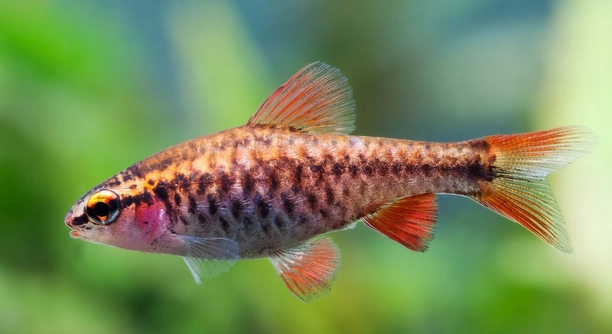
Have you ever looked at your vibrant cherry barbs and noticed their color suddenly fading? It can be surprising when they don’t look quite like themselves.
Cherry barbs often go pale due to stress, illness, poor water conditions, or changes in their environment. Identifying the underlying cause is essential for correcting the issue and helping your fish regain their natural color and vitality.
Understanding the reasons behind sudden color loss can help you make simple changes to restore their health and improve their overall well-being.
Why Cherry Barbs May Suddenly Go Pale
Cherry barbs can suddenly lose their bright red color due to stress, illness, or sudden changes in their environment. Common triggers include overcrowding, poor water quality, temperature fluctuations, or aggressive tank mates. When fish feel unsafe or uncomfortable, their bodies respond by reducing pigment to conserve energy. Another possible reason is illness—parasites, bacterial infections, or internal issues can all affect their appearance. A pale cherry barb is often signaling that something isn’t quite right in the tank. If several fish are affected, it’s likely related to water conditions or stress. If it’s just one, it may be health-related.
Behavior changes, such as hiding or a lack of appetite, often go hand-in-hand with color loss.
If you notice paleness, check ammonia, nitrite, and nitrate levels immediately. Poor water conditions can weaken your fish quickly.
Also, make sure your tank has proper hiding spaces and a stable temperature. Sudden changes can stress fish out fast.
How to Help Cherry Barbs Regain Their Color
Start by testing your tank’s water parameters and adjusting anything outside the ideal range. Clean water is essential for their health.
Cherry barbs prefer a temperature range of 74–80°F and a pH between 6.0 and 7.5. Ammonia and nitrite levels should be zero, and nitrates should be kept low. Adding live plants can help regulate the tank environment and reduce stress. If aggressive tank mates are an issue, consider moving them to a separate tank or rehoming them. Feed high-quality food with varied nutrients, including color-enhancing flakes or pellets. Keep lighting consistent but not too intense, as overstimulation can also contribute to stress. Watch your cherry barbs closely during this time and give them space to settle. With a little patience and careful observation, their color should begin to return. If nothing improves, consult a vet with aquatic experience. There may be an underlying health issue requiring treatment.
Other Possible Reasons for Color Loss
Cherry barbs may also pale due to aging or breeding behaviors. Males can temporarily lose color after spawning, while older fish may naturally fade over time. These changes are not typically linked to poor health.
Poor diet can lead to dull coloration over time. Cherry barbs need balanced nutrition to maintain their bright appearance. Flake food alone isn’t enough. Offer a mix of color-enhancing flakes, frozen daphnia, and brine shrimp for best results. Without a varied diet, their bodies may lack the nutrients needed to support their pigmentation. Another factor is lighting. Inadequate or overly harsh lighting can affect how their color appears. Natural, consistent light with regular day-night cycles helps them stay vibrant. Keeping the tank in a stable environment with minimal external stress plays a big part in their overall look and health.
Environmental boredom can also be a factor. A tank without hiding spots or stimulation can affect their mood.
Adding live plants, driftwood, and natural decor can create a comfortable environment. These fish feel more secure when they can explore or retreat when needed. A peaceful environment reduces stress and keeps them active. When they feel secure, their color and behavior both improve noticeably. It’s a small change that can make a big difference.
When to Be Concerned
If your cherry barb remains pale despite improved conditions, it may be time to consider a health issue. Internal parasites, bacterial infections, or organ problems can all affect appearance. Look for other signs like clamped fins, gasping, or erratic swimming.
Quarantine the fish if symptoms worsen or spread. This step prevents issues from affecting others in the tank. Seek advice from a veterinarian who specializes in aquatic animals. They can run tests or recommend treatments based on the symptoms. Sometimes medications are necessary, especially for internal issues that don’t improve with better water quality or nutrition. Always follow instructions carefully to avoid stressing the fish further. Keep the quarantine tank clean, quiet, and at the same temperature as the main tank. Regular observation and minor adjustments during recovery will help. It’s best to act early before small problems grow into serious health concerns.
Preventing Future Color Loss
Keep the water clean by doing regular partial water changes every week. This helps maintain healthy levels of ammonia, nitrites, and nitrates, which can stress your cherry barbs if left unchecked.
Stick to a consistent feeding schedule with a variety of high-quality foods. Avoid overfeeding, as leftover food can pollute the water.
Creating a Safe Tank Environment
Cherry barbs feel more secure in groups of at least six, which reduces stress and keeps their behavior more natural. Provide plenty of hiding spots with live plants, rocks, or driftwood to help them feel safe. Avoid placing them with aggressive or overly active fish, as this can make them anxious. Maintain a stable temperature and pH, and use a reliable heater and filter to support their habitat. A calm, enriched tank setup encourages natural behavior and healthy color. Keeping up with these habits will support their well-being long term.
Final Thoughts on Tank Lighting
Use soft, natural lighting and avoid sudden changes. A timer can help mimic daylight cycles.
FAQ
What is the ideal water temperature for cherry barbs?
Cherry barbs thrive in temperatures between 74–80°F. Keeping the water in this range promotes their overall health and ensures they remain active and colorful. Sudden temperature changes can cause stress, so it’s essential to maintain a consistent environment. Using a quality aquarium heater can help regulate the temperature, especially during colder months.
How can I tell if my cherry barb is sick?
Sick cherry barbs often show signs like pale coloring, clamped fins, lethargy, or erratic swimming. If your fish is hiding more than usual or refuses to eat, these could be signs of illness. It’s important to act quickly and isolate the affected fish if needed. A thorough water test will also help to rule out poor water conditions as the cause. Look for additional symptoms such as body lesions, cloudy eyes, or rapid gill movement, which may point to specific infections.
Can cherry barbs live with other fish?
Yes, cherry barbs are peaceful fish that generally do well with other calm species. They can live with small to medium-sized fish that are not overly aggressive. Good tank mates include rasboras, guppies, and other tetras. Avoid aggressive species like cichlids or large, territorial fish, as these can stress cherry barbs and affect their health.
Why are my cherry barbs hiding?
Cherry barbs may hide due to stress, illness, or feeling threatened by other tank mates. If the tank is overcrowded or lacks hiding spaces, they may seek shelter. Adding more plants, rocks, or decorations can help them feel secure. If hiding continues, check water conditions and ensure there are no aggressive fish in the tank.
Do cherry barbs require special lighting?
Cherry barbs do best with moderate, consistent lighting. Intense lighting can cause stress, while too little light may prevent them from displaying their vibrant colors. A standard aquarium light with a timer that mimics natural daylight hours is ideal. Avoid placing the tank in direct sunlight, as this can cause temperature fluctuations and encourage algae growth.
How often should I feed cherry barbs?
Feed your cherry barbs once or twice a day, offering them only what they can eat in a few minutes. Overfeeding can lead to water quality issues, so it’s better to feed smaller amounts. Include a variety of foods such as color-enhancing flakes, live or frozen brine shrimp, and daphnia to keep them healthy and colorful.
What should I do if my cherry barb’s fins are clamped?
Clamped fins are a common sign of stress, poor water quality, or illness. First, test the water to ensure it’s within the correct parameters. If the water is fine, consider checking for signs of disease, such as white spots or lesions. If no clear cause is found, provide a peaceful environment with adequate hiding spots to reduce stress.
Why did my cherry barb’s color fade?
Color fading in cherry barbs can be caused by stress, illness, or environmental changes. Poor water quality, aggressive tank mates, or inadequate nutrition are common causes. Improving water conditions, providing a balanced diet, and ensuring a stress-free environment will help them regain their vibrant color. If the fading persists despite these changes, it may indicate an underlying health issue that needs further attention.
How do I improve the water quality for my cherry barbs?
Regular water changes, at least once a week, are crucial for maintaining healthy water quality. Ensure the water temperature, pH, and hardness are within the ideal range for cherry barbs. Invest in a reliable filter that removes excess waste and helps oxygenate the water. Use water conditioners to remove harmful chlorine or chloramine, and monitor the ammonia, nitrite, and nitrate levels regularly.
Can I keep cherry barbs with shrimp or snails?
Yes, cherry barbs can generally coexist with shrimp and snails. They are not known to prey on these creatures, but it’s important to ensure that shrimp and snails have adequate hiding spaces. Small or baby shrimp may be at risk in some cases, so it’s important to observe their interactions. Snails like Nerite or Mystery Snails are excellent tank mates for cherry barbs.
Final Thoughts
Cherry barbs are relatively easy to care for, making them a great choice for both beginners and experienced fishkeepers. They are peaceful, hardy, and adaptable to various tank environments, provided their needs are met. Maintaining a stable tank with good water quality, proper nutrition, and a peaceful community is key to keeping cherry barbs healthy and vibrant. Their bright colors and active behavior can be a beautiful addition to any aquarium.
Understanding the factors that affect the health and appearance of cherry barbs can help you prevent common problems. Water quality is often the most important element to monitor, as poor conditions can lead to stress and disease. Regular water changes, proper filtration, and checking parameters like temperature and pH are all essential for maintaining a healthy environment. Offering a varied diet will also support their overall health and color.
If you notice your cherry barbs becoming pale or exhibiting signs of illness, it’s important to address the issue quickly. Simple changes like improving water conditions, adjusting lighting, or adding more plants for comfort can often resolve the problem. In more serious cases, such as disease or internal parasites, seeking expert advice is crucial for treatment. By staying attentive to their needs and keeping a stable environment, you can ensure your cherry barbs live a long and healthy life.

Hello,
If you enjoy the content that we create, please consider saying a "Thank You!" by leaving a tip.
Every little bit helps us continue crafting quality advice that supports the health, happiness, and well-being of pets around the world, for pets of all shapes, sizes, and species.
We really appreciate the kindness and support that you show us!