
Here are the rephrased and formatted article titles based on your style guidelines (ensuring none fall between 40–55 characters and using “7” in about half):
- Will My Killi Fish Get Lonely? → Can a Killi Fish Feel Lonely Without a Companion?
- How to Tell if Your Killi Fish Likes You? → 7 Ways to Know if Your Killi Fish Likes You
- Will My Killi Fish Remember Me? → Can Killi Fish Recognize Their Owners Over Time?
- Will My Killi Fish Grow Bigger? → 7 Reasons Your Killi Fish Isn’t Growing Larger
- At What Age Is a Killi Fish Full Grown? → When Do Killi Fish Reach Their Adult Size?
- Do Killi Fish Prefer Long or Tall Tanks? → 7 Tips for Choosing the Right Tank for Killi Fish
- How to Tell if a Killi Fish Is Happy? → 7 Signs Your Killi Fish Is Comfortable and Happy
- How to Tell if Your Killi Fish Is Stressed? → 7 Signs Your Killi Fish May Be Under Stress
- How Do Killi Fish Show Affection? → Ways Killi Fish Might Show Connection or Trust
- Do Killi Fish Like to Play? → 7 Simple Enrichment Ideas for Killi Fish
- Will My Killi Fish Breed? → 7 Signs Your Killi Fish Are Ready to Breed
- Do Killi Fish Like Fast Flowing Water? → Is Fast Water Flow Ideal for Killi Fish Tanks?
- Why Did My Killi Fish Disappear? → 7 Reasons Your Killi Fish Is Suddenly Missing
- Do Killi Fish Get Lonely? → Why Killi Fish May Thrive Better with Tank Mates
- Can a Killi Fish Survive Alone? → 7 Things to Know Before Keeping a Solo Killi Fish
Here is the intro for the article titled “Can Cherry Barbs Get Territorial Over Food?”, written in your preferred format and tone:
Do your Cherry Barbs act differently during feeding time, leaving you wondering if food aggression is an issue in your tank?
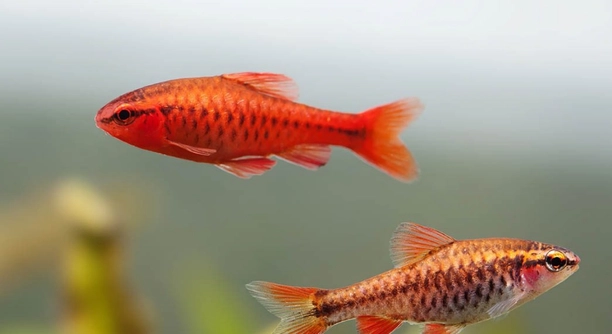
Cherry Barbs can display territorial behavior over food, especially in crowded tanks or under stress. This often results in chasing, nipping, or guarding feeding spots. Maintaining proper tank conditions and consistent feeding routines can help minimize these behaviors.
Understanding these patterns will help you manage tank dynamics and support healthier interactions between your Cherry Barbs.
Why Cherry Barbs May Get Territorial During Feeding
Cherry Barbs are typically peaceful fish, but their behavior can change at mealtime. When food hits the water, some individuals may become pushy or even nip at tank mates. This behavior often stems from limited access to food or a lack of space to feed comfortably. In tanks that are too small or heavily stocked, the competition can create a stressful environment that encourages aggression. It’s not usually about dominance, but more about ensuring they don’t miss out. Younger or less assertive fish may retreat or become stressed if they are constantly chased away. Over time, this can lead to uneven nutrition and health issues. While Cherry Barbs don’t form tight social hierarchies, they do recognize territory, especially if they associate a specific spot with food. This can cause them to hover near feeding zones and guard them aggressively during meals.
A scattered feeding method can help lower tension during mealtime.
Cherry Barbs do best in groups of six or more. A larger school helps spread attention and prevents a single fish from becoming too dominant. Feeding in multiple spots at the same time can also give less aggressive fish a chance to eat in peace. Use sinking pellets or slow-sinking flakes to reduce surface crowding and make the feeding process calmer overall. If you notice one or two fish repeatedly chasing others away from food, check your tank size and hiding spots. Adding extra plants or decorations can help break up sightlines and reduce confrontations. Keep an eye out for signs of stress like faded color, hiding, or skipping meals—these can all be linked to territorial feeding behavior. You can also try feeding smaller amounts more frequently, rather than one large feeding. This keeps fish from feeling like they have to compete all at once and can ease tension in a mixed group.
Tips for Preventing Territorial Behavior
Avoid feeding your Cherry Barbs in only one location. Spread food across the tank to keep aggressive behavior low and give each fish equal access.
Make sure the tank is at least 20 gallons if you’re keeping a small group of Cherry Barbs. These fish are active swimmers and benefit from space to dart and hide. Avoid overcrowding by maintaining a healthy fish-to-water ratio. A planted tank layout with open swimming areas and dense cover helps balance the environment. Offer a variety of food types like flakes, pellets, and frozen items to prevent boredom or feeding frustration. Monitor feeding behavior closely for changes. If aggression increases, assess whether the tank setup is still meeting the group’s needs. Sometimes a small adjustment in decor or feeding style can make a big difference. Territorial behavior over food isn’t always a problem unless it becomes persistent or causes stress for others. A calm, consistent feeding setup supports harmony in your aquarium.
How Tank Setup Affects Feeding Behavior
A poorly arranged tank can make feeding time stressful for Cherry Barbs. Without hiding spots or enough open space, fish may feel exposed or cornered, increasing tension. This lack of balance often leads to more competitive or territorial actions when food is added.
A well-planned tank reduces stress and limits aggression during meals. Include live or silk plants, driftwood, and small caves to break up direct sightlines. This helps fish feel secure and gives them escape options if another becomes too pushy. Open swimming areas are just as important, allowing active movement and natural behaviors. Cherry Barbs enjoy schooling, so space to move freely is essential. If the tank is too bare, they may hover in one area and guard it. Proper lighting, regular maintenance, and stable water parameters all support healthy interactions. When the setup feels safe, the likelihood of feeding-related aggression drops significantly.
Use darker substrates and soft lighting to reduce visual stress. Cherry Barbs often feel more comfortable in shaded or low-light environments. These features can lower their defensive behavior and make them less likely to guard food zones. Strong filtration that doesn’t create harsh currents is also important. While some water flow is fine, too much can force fish to compete in small calm areas. Spreading food around the tank helps, especially when paired with natural barriers that prevent fish from seeing and chasing each other constantly. Aim to create a feeding environment that mimics a calm, sheltered stream. The more relaxed the surroundings, the more evenly the food is shared and the fewer conflicts you’ll see among your fish.
Recognizing Stress in Cherry Barbs
Cherry Barbs under stress may show subtle changes. These can include hiding more than usual, fading in color, or acting aggressively during feeding. Some may even lose interest in food altogether, which affects their health long-term.
Stress from aggressive feeding or a poor tank layout doesn’t always show up right away. Over time, the more submissive fish may start staying at the bottom or off to the side during meals. Others might become skittish, darting away quickly if another fish approaches. Changes in swimming patterns, like pacing or jerky movements, can be linked to feeling unsafe. Constant chasing or hovering near one part of the tank also signals territorial behavior. These aren’t always easy to spot at first, but regular observation during feeding helps you catch them early. Keeping a calm and steady routine is key—sudden changes in food type or timing can make things worse if the group dynamic is already fragile.
How Group Size Affects Feeding Dynamics
Cherry Barbs do best in small groups of at least six. When kept alone or in pairs, they may become nervous or aggressive during meals. A well-sized group spreads attention and lowers tension when food is added.
Too few fish often leads to one or two dominating feeding times. This can leave the rest underfed or stressed. A balanced group encourages natural schooling behavior and reduces the chances of one fish taking over the feeding area.
Adjusting Feeding Spots in the Tank
Feeding in just one spot can cause crowding and fights. Instead, spread the food across multiple locations in the tank. Use floating flakes at one end and sinking pellets at another to divide the group. This reduces competition and allows shy fish to eat without being chased off.
When to Change Your Feeding Routine
If you start seeing aggressive behavior during feeding or notice some fish not eating, it may be time to change your routine. Signs like chasing, hiding, or loss of color should not be ignored.
FAQ
Can Cherry Barbs become aggressive when hungry?
Yes, Cherry Barbs can show signs of aggression if they’re not fed properly or are competing for limited food. You might see them chasing tankmates or nipping fins when food is introduced. This is often a sign of stress, not true aggression. Feeding them in smaller portions, multiple times a day, or spreading food around the tank can help reduce tension. Keeping them in the right group size also helps prevent one or two fish from becoming dominant at mealtime. Balanced feeding habits go a long way in keeping behavior calm.
Do Cherry Barbs fight over territory or just food?
Cherry Barbs are generally peaceful, but they can become slightly territorial during feeding or breeding times. Males may chase each other or claim space when food is added, especially in smaller tanks. This isn’t usually serious fighting—just brief chasing or nudging. Ensuring enough room and breaking up the feeding area can prevent these short bursts of competition. Also, adding plants and decorations helps create hiding spots and boundaries so fish feel less threatened.
Why do some Cherry Barbs hide during feeding?
If a Cherry Barb hides during feeding, it may be stressed, bullied, or unwell. Sometimes new or more timid fish take time to adjust to group feeding. Try feeding smaller amounts more often and scatter the food to different parts of the tank. This gives shy fish a better chance to eat without confrontation. Also, monitor the group to make sure no single fish is hoarding food or chasing others away. If hiding continues, consider tank rearrangement or health checks.
Can Cherry Barbs overeat and become aggressive after?
Yes, overfeeding can make Cherry Barbs sluggish and more irritable. They may show short tempers or become less social with tankmates. Uneaten food also leads to poor water quality, which affects their mood and can cause more skittish or pushy behavior. Stick to feeding what they can eat in about two minutes. Avoid giving large meals once a day—split it into two or three smaller feedings if possible.
How can I tell which fish are causing problems during feeding?
Watch the group closely during meal times. Aggressive fish often charge forward first, push others aside, or return to chase the group after finishing. The more submissive fish tend to stay back or wait for leftovers. If one or two fish seem to be dominating every feeding session, they might be stressing out the rest of the tank. You don’t need to remove them, but try spreading food more widely and adding visual barriers like plants or rocks.
Do Cherry Barbs need different types of food to stay calm?
A varied diet helps with overall health, which in turn supports better behavior. Rotate their meals with flakes, pellets, live or frozen food like daphnia or bloodworms. A mix of sinking and floating food gives all fish a fair chance to eat. Variety also keeps them engaged and reduces boredom, which can help lessen unwanted behaviors. Healthy, satisfied fish are less likely to compete or fight during meals.
Is aggression a sign of a sick Cherry Barb?
Sometimes. If a normally calm Cherry Barb suddenly becomes aggressive or isolates itself, it might be unwell. Illness can make fish more sensitive or defensive. Check for other signs like pale color, ragged fins, or odd swimming patterns. If the water quality is fine and diet is balanced, but one fish is still acting out, consider isolating it briefly to monitor its condition more closely.
Can adding more plants reduce feeding aggression?
Yes. Dense planting offers hiding spots and breaks up sightlines in the tank. This helps shy fish feel safer and lessens the tension during group feeding. Plants also make it easier to spread out food, so fish aren’t all crowding the same area. Floating plants can shade parts of the tank, which can comfort nervous fish and encourage them to come out and eat when they feel secure. A well-planted tank creates a natural barrier and supports peaceful feeding behavior.
Final Thoughts
Cherry Barbs are peaceful fish, but their behavior can change if something in the tank isn’t right. Feeding time can bring out small signs of aggression, especially if there isn’t enough space or food. It’s important to watch how they interact, especially when food is added. If some fish are being chased away or always hiding during meals, something may need adjusting. This doesn’t mean they’re aggressive by nature—most of the time, it just means they’re stressed or trying to protect their food source. Simple changes can often help, like spreading out food or feeding smaller amounts more often.
Tank size, group numbers, and feeding habits all play a role in how Cherry Barbs behave. When they have enough space to swim and places to hide, they tend to be calmer and more social. Keeping them in groups of at least six can reduce stress and help them show their natural behavior. A good mix of plants, hiding spots, and decorations helps break up the space and makes it easier for fish to stay out of each other’s way. These small setup choices can help keep feeding times smooth and prevent unwanted chasing or nipping.
Feeding the right type and amount of food also supports better behavior. A mix of flakes, pellets, and the occasional live or frozen food keeps them healthy and active. Healthy fish are usually calmer and more balanced in their behavior. Watching how they respond to feeding over time can tell you a lot about their needs. If they’re calm and all get a chance to eat, you’ve likely found a good balance. But if feeding always leads to tension or hiding, it may be time to make a few small changes. With a little attention and care, Cherry Barbs can be a peaceful and enjoyable part of your tank.

Hello,
If you enjoy the content that we create, please consider saying a "Thank You!" by leaving a tip.
Every little bit helps us continue crafting quality advice that supports the health, happiness, and well-being of pets around the world, for pets of all shapes, sizes, and species.
We really appreciate the kindness and support that you show us!