
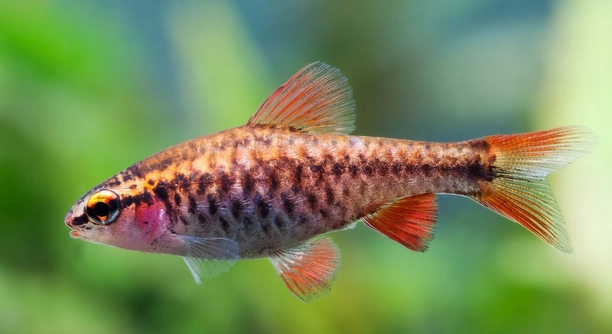
Cherry barbs are popular aquarium fish known for their colorful appearance and calm nature. However, when they gather in corners of the tank, it might be a sign of something concerning. Understanding this behavior is key to maintaining their health.
Cherry barbs huddling in corners could be caused by stress, water quality issues, or environmental factors. They might feel threatened, or the water temperature may be too high or low. Ensuring a proper tank environment is crucial.
With the right care, you can help your cherry barbs feel safe and healthy. Learning how to adjust their tank conditions can prevent this behavior from becoming a long-term issue.
Why Do Cherry Barbs Gather in Corners?
When cherry barbs huddle in corners, it’s often a sign that something is wrong. These fish are usually peaceful, so this behavior can be concerning. There are several possible reasons for this, such as stress or an unsuitable tank environment. Cherry barbs are sensitive to changes in water quality, and if something’s off, they might seek refuge in the corners. They may also feel threatened by other fish, which could cause them to hide. Overcrowding or insufficient space can also lead to stress, making them retreat to corners. It’s important to observe your fish and make sure their environment is balanced for their well-being.
While their behavior might seem like a natural reaction, the underlying cause can usually be fixed with small adjustments. Cherry barbs thrive in calm and clean water, so checking the temperature, filtration, and water parameters should be a priority. Even slight changes in these conditions can trigger stress, causing them to act out.
Addressing stress factors can make a significant difference in your cherry barbs’ behavior. Providing a peaceful and clean environment where they can swim freely will help them feel comfortable and stop hiding in corners. Keep in mind that monitoring them regularly is key to spotting issues early.
How to Adjust Tank Conditions for Cherry Barbs
It’s essential to keep your tank’s water quality in check. Cherry barbs are sensitive to changes in their environment, so maintaining good water parameters is crucial.
Regular water changes, proper filtration, and ensuring the tank is not overcrowded will help create a stress-free space. This will encourage your cherry barbs to swim freely and reduce corner-huddling behavior.
Water Quality and Its Impact on Cherry Barbs
Cherry barbs are highly sensitive to water quality. If the water in their tank is dirty or out of balance, they may retreat to the corners. Ensuring that the water is clean and well-filtered is key to keeping them healthy.
The ideal water temperature for cherry barbs ranges from 74°F to 79°F (23°C to 26°C). They also prefer soft to moderately hard water, with a slightly acidic to neutral pH level (6.5–7.5). Regular water changes and using a good filtration system will help maintain these parameters. If the water becomes polluted or the pH shifts too much, your cherry barbs might show signs of stress, like hiding or becoming lethargic.
Test the water regularly to ensure the parameters stay in check. Avoid drastic changes to the water, as this can also stress your fish. If you notice any unusual behavior, it could be a sign that the water quality is not optimal, and adjustments may be needed.
Tank Size and Space for Cherry Barbs
Cherry barbs need plenty of space to swim around. If they are in a tank that’s too small or crowded, they might start hiding in corners to escape the stress. Overcrowding is a common issue in home aquariums.
For a small group of cherry barbs, a tank of at least 20 gallons is recommended. This gives them enough room to swim around and establish territories if needed. A larger tank with plenty of hiding spots and plant cover will also make your fish feel more secure. It’s important to avoid putting too many fish in one tank, as it leads to competition for space and food, resulting in stress.
A spacious tank with appropriate hiding places will encourage your cherry barbs to explore, interact, and swim freely instead of clustering in corners. When given enough room, cherry barbs thrive and display their full range of natural behavior.
Temperature Fluctuations and Cherry Barbs
Cherry barbs are sensitive to changes in water temperature. Even small fluctuations can cause stress and make them retreat to corners. Maintaining a stable temperature is essential for their well-being.
Using a reliable heater with a thermometer will help keep the water at the right temperature. Avoid placing the tank in drafty areas or near windows, where temperatures can change frequently. Keep the water temperature consistent, within the 74°F to 79°F range, to help your cherry barbs feel secure and less stressed.
Tank Mates and Compatibility
Aggressive or overly active tank mates can cause stress for cherry barbs, leading them to seek out corners. Cherry barbs are peaceful and do best with calm, non-aggressive fish.
When selecting tank mates, make sure to choose species that won’t bully or compete too harshly with the cherry barbs for food and space. Peaceful species like small tetras, snails, and shrimp work well with them. A balanced community tank will help reduce stress and encourage natural behaviors. Avoid large or overly territorial fish that might intimidate or chase your cherry barbs.
Overfeeding and Cherry Barb Behavior
Overfeeding can lead to poor water quality, which can cause stress and make your cherry barbs hide. Be sure to feed them the right amount.
Overfeeding not only affects the water quality but also the health of your fish. Uneaten food can decay and lead to high levels of ammonia and nitrates, stressing out your cherry barbs. Feeding small amounts of food twice a day, only what they can eat in a few minutes, will help keep both your fish and their tank environment healthy.
FAQ
Why are my cherry barbs hiding in corners?
Cherry barbs often hide in corners when they are stressed. Stress can be caused by several factors, including poor water quality, sudden temperature changes, overcrowding, or aggressive tank mates. When they feel threatened or uncomfortable, they may seek out a quiet corner to avoid confrontation or to find a more secure spot in the tank. It’s important to check the tank’s water parameters and ensure it’s an appropriate environment for your fish. Adjusting the water temperature, cleaning the tank, and making sure they have enough space can help reduce this behavior.
How can I reduce stress in my cherry barbs?
To reduce stress in cherry barbs, first ensure that their tank environment is suitable. Keep the water quality high by regularly testing and changing the water. Make sure the temperature remains steady between 74°F and 79°F. Avoid sudden changes to the tank conditions and use a reliable heater and filter. You can also add plants and decorations to create hiding spots, which can make your cherry barbs feel more secure. Additionally, ensure there are no aggressive tank mates and avoid overcrowding.
Can cherry barbs live with other fish?
Yes, cherry barbs are peaceful and can live with other fish, as long as the tank mates are also calm and non-aggressive. Avoid keeping them with large or territorial fish that might bully or chase them. Good tank mates include small tetras, guppies, rasboras, and peaceful catfish. It’s important to choose compatible species that won’t stress out the cherry barbs. Always ensure the fish you choose are similar in size and temperament.
What size tank is best for cherry barbs?
Cherry barbs do best in a tank of at least 20 gallons. A larger tank will give them more room to swim and reduce stress. They are social fish, so it’s best to keep them in groups of at least 6 or more. A tank that’s too small can lead to overcrowding, which can cause stress and result in the fish huddling in corners. A larger tank also allows for better water quality control, making it easier to maintain a healthy environment for your cherry barbs.
What water conditions do cherry barbs prefer?
Cherry barbs prefer soft to moderately hard water with a slightly acidic to neutral pH (6.5–7.5). They thrive in water temperatures between 74°F and 79°F. Regular water changes and maintaining clean water will help keep them healthy and comfortable. Test the water regularly to ensure these parameters are stable. Cherry barbs can be sensitive to changes in water quality, so it’s important to maintain a consistent and balanced environment for them to thrive.
How often should I feed my cherry barbs?
Feed your cherry barbs once or twice a day, offering small amounts of food that they can consume within a few minutes. Overfeeding can cause water quality issues, leading to stress and health problems for your fish. You can feed them a mix of high-quality flakes, pellets, and occasional live or frozen foods, like brine shrimp or daphnia. Make sure to remove any uneaten food after a few minutes to keep the tank clean. Avoid feeding them large amounts at once, as this can lead to overfeeding.
Are cherry barbs hardy fish?
Yes, cherry barbs are generally hardy fish that can adapt to a variety of conditions, but they still require proper care to stay healthy. They are fairly tolerant of changes in water temperature and can live in a wide range of water hardness. However, they are sensitive to poor water quality and stress, so it’s important to maintain a clean tank and avoid extreme fluctuations in temperature or water conditions. As long as their basic needs are met, cherry barbs can live for several years and thrive in a well-maintained aquarium.
Can cherry barbs breed in a community tank?
Yes, cherry barbs can breed in a community tank, but it might be more difficult to get them to successfully spawn. They need slightly acidic water (pH 6.5-7.0), a temperature of 74°F to 78°F, and plenty of plants where they can lay eggs. If you want to breed them, it’s best to have a breeding tank with a separate breeding area to protect the eggs and fry. In a community tank, other fish might eat the eggs or fry, so it’s important to ensure that there are enough hiding spots for them to grow safely.
How can I tell if my cherry barbs are stressed?
Cherry barbs will show signs of stress if they are not feeling comfortable in their environment. Common signs include hiding in corners, swimming erratically, or staying near the bottom of the tank. They might also lose their color or become lethargic. Stress can also cause cherry barbs to stop eating or display unusual behavior like darting or scratching against objects. If you notice any of these signs, check the water quality, temperature, and tank conditions. Make any necessary adjustments to create a more comfortable environment for your fish.
What should I do if my cherry barbs continue to hide in corners?
If your cherry barbs continue hiding in corners, it’s important to assess their environment. Check the water parameters, including pH, temperature, and hardness, to ensure they are within the ideal range for cherry barbs. Test for ammonia, nitrite, and nitrate levels, as high readings can cause stress. You should also check for any aggressive tank mates that could be causing anxiety. If everything appears normal and the problem persists, it may be worth considering adding more plants, decorations, or hiding spots to help your fish feel more secure.
Final Thoughts
Cherry barbs are generally peaceful and adaptable fish that make great additions to many home aquariums. However, when they begin huddling in corners, it’s often a sign that something is wrong. Stress, poor water quality, or unsuitable tank conditions can cause them to feel insecure, leading them to seek refuge in quieter, darker areas. Identifying the cause of this behavior is the first step toward fixing the issue and ensuring that your fish are happy and healthy.
By paying attention to their environment and making small adjustments, you can help your cherry barbs feel more at ease. Maintaining proper water quality, keeping the temperature stable, and providing plenty of space for swimming are all key to their well-being. Additionally, choosing compatible tank mates and avoiding overcrowding will help prevent stress. When these factors are in balance, your cherry barbs will feel safe and secure, reducing their tendency to hide in corners. Regular monitoring and care are essential to keeping them healthy in the long term.
Ultimately, it’s important to remember that cherry barbs are relatively hardy, but they still need a suitable environment to thrive. With proper attention to their tank setup and overall health, you can ensure that they continue to live peacefully in your aquarium. Adjustments to water parameters, tank mates, and general care practices can make a world of difference. If your cherry barbs continue to hide despite your efforts, it’s always a good idea to consult with an aquarium expert to rule out any underlying issues.

Hello,
If you enjoy the content that we create, please consider saying a "Thank You!" by leaving a tip.
Every little bit helps us continue crafting quality advice that supports the health, happiness, and well-being of pets around the world, for pets of all shapes, sizes, and species.
We really appreciate the kindness and support that you show us!