
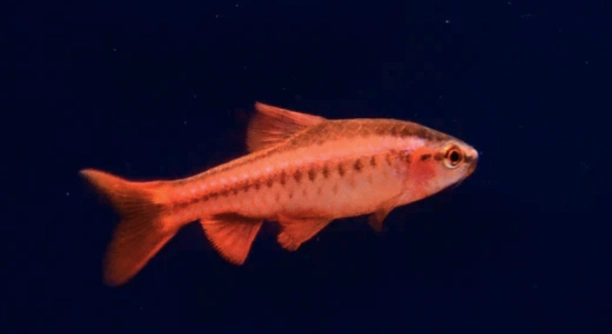
Have you ever brought home a Cherry Barb, only to start wondering if its small tank will always be enough for it?
Cherry Barbs do not physically outgrow small tanks, but their health and behavior can decline in cramped environments. Providing enough space supports their natural activity levels, reduces stress, and promotes overall well-being in a home aquarium.
Learning about tank size needs helps you create a more suitable space where your Cherry Barbs can thrive and stay healthy longer.
Understanding Cherry Barb Tank Needs
Cherry Barbs are peaceful, active fish that enjoy swimming around in groups. Even though they are small—growing only up to two inches—they still need plenty of room to move. A tank that is too small can make them stressed, dull their colors, and limit their natural behavior. While one Cherry Barb might survive in a small tank, they are schooling fish and feel safer and happier in groups of five or more. A group this size needs at least a 20-gallon tank to thrive. Without the right space, they may become aggressive or hide too often, which is a sign they’re uncomfortable. Small tanks also get dirty quicker, and this affects the water quality, putting even more pressure on the fish. So while they don’t get physically “too big” for a small tank, the space still matters for their comfort, health, and lifespan.
A single Cherry Barb might fit in a small tank, but this is not ideal long term.
If you want to keep Cherry Barbs healthy and active, it’s important to give them enough space to swim freely and live in a group. This doesn’t just improve their quality of life, but it also makes them more fun to watch. Watching them swim together and show their bright colors is easier when they are comfortable and not stressed. Many people underestimate their space needs because of their small size, but once you understand their habits and natural behaviors, it becomes clear that tank size makes a real difference. A larger tank also makes maintenance easier, with more stable water conditions and fewer issues overall. You don’t need anything fancy—just enough space, a filter, and good care to keep them active and happy in your aquarium.
Signs Your Tank May Be Too Small
If your Cherry Barbs are hiding a lot or fighting, they may not have enough space.
Cherry Barbs that are unhappy in small tanks will often show it. They may become dull in color or stop swimming actively. Some might stay in one corner, act skittish, or chase each other more often. These are signs they don’t feel comfortable. In tanks that are too tight, water quality also drops faster, leading to more frequent sickness. You might notice them gasping near the surface or refusing food. All of this points to stress, and stress can shorten their lifespan. On the other hand, in the right size tank, they will display brighter colors, swim in small schools, and seem relaxed and alert. They’ll explore more, respond to feeding times, and interact with their environment. Upgrading to a bigger tank can quickly change their behavior for the better. Giving them the space they need isn’t just about size—it’s about keeping them well and active.
Choosing the Right Tank Setup
A 20-gallon tank is a good starting point if you’re keeping a small group of Cherry Barbs. It gives them room to swim, interact, and show natural behaviors without feeling crowded or stressed.
When setting up the tank, try to include plants and hiding spots. Cherry Barbs enjoy having areas where they can rest or feel safe. Live or fake plants work well, and smooth decorations are best to avoid fin damage. A gentle filter is also important—strong currents can bother them. Keep the water temperature between 74°F and 80°F, and test it often to make sure it’s stable. A heater helps keep the temperature consistent. Lighting should be soft, not too bright. Tankmates should be peaceful and not too large. With the right environment, your Cherry Barbs will look brighter, swim more, and stay healthier.
Feeding is also part of a good setup. Cherry Barbs eat small flakes, pellets, and frozen or live foods like daphnia or bloodworms. Feeding them a varied diet once or twice a day helps keep them active and colorful. Don’t overfeed—uneaten food dirties the water quickly. Remove leftovers after a few minutes. A clean tank with proper filtration, good water changes, and regular feeding all work together to support a healthy life for your fish. Having the right setup from the beginning can help prevent stress, sickness, and behavior problems later on. It’s all about creating a stable space where your Cherry Barbs can live well and show their best colors.
Common Mistakes with Small Tanks
One of the biggest mistakes is thinking that small fish need very little space. Cherry Barbs might be tiny, but they need room to swim in groups. A tank that’s too small can lead to more cleaning, stressed fish, and health problems.
Another mistake is overstocking the tank. Even if your tank looks like it has space, adding too many fish can overwhelm the filter and reduce oxygen levels. Poor water quality happens fast in small tanks, especially when waste builds up. Skipping water tests or changing water too rarely is also risky—this leads to ammonia spikes that harm fish. Decorations that are sharp or take up too much space can make the tank harder to navigate. And placing the tank in direct sunlight can cause temperature swings and algae growth. These issues might not seem big at first, but they can cause long-term damage if not fixed early.
How Tank Size Affects Behavior
Cherry Barbs in cramped tanks often act shy or aggressive. They may hide, chase others, or lose their bright colors. These are signs they aren’t comfortable, and it can lead to long-term stress or even sickness if not addressed quickly.
In a spacious tank, their behavior improves. They swim in groups, explore more, and show better color. They also become less nervous around people and other tankmates. The extra space makes it easier for them to find food and avoid unwanted interactions, keeping their daily routine calm and natural.
When to Upgrade Your Tank
If your Cherry Barbs are growing or you’re adding more fish, it’s a good time to upgrade. You should also upgrade if cleaning becomes too frequent, or if fish show signs of stress like hiding or darting. Moving to a larger tank helps balance water quality and makes maintenance easier. It also creates a healthier environment overall. You don’t need to go too big right away—a 20- to 30-gallon tank works well for a small group. Try to plan ahead, so your fish can grow into their space without needing another upgrade too soon.
Final Thoughts on Small Tanks
Small tanks may seem easier, but they often lead to more problems. Giving your Cherry Barbs enough space is better for their health, behavior, and overall care.
FAQ
How big of a tank do Cherry Barbs need?
Cherry Barbs need a minimum of a 20-gallon tank for a small group of about 5 fish. While they’re small, they are active and benefit from enough space to swim around and interact. A 20-gallon tank gives them room to feel comfortable and reduces the risk of stress. If you plan to add more fish or create a more elaborate setup, a larger tank may be necessary. For every additional fish, consider increasing the tank size by 2-5 gallons to ensure enough space for everyone to live comfortably.
Can Cherry Barbs live in a 10-gallon tank?
Cherry Barbs can live in a 10-gallon tank, but it’s not ideal for a group. While a single Cherry Barb can survive in such a tank, they’re schooling fish and should ideally be kept in groups of five or more. A 10-gallon tank is too small to comfortably house multiple Cherry Barbs. If you do keep them in a 10-gallon tank, it should be temporary, and they may need to be upgraded to a larger tank once they start showing signs of stress or discomfort, such as hiding or aggression.
What tank mates can I keep with Cherry Barbs?
Cherry Barbs are peaceful and do well with other small, non-aggressive fish. Good tank mates include Corydoras catfish, tetras, rasboras, and guppies. Avoid keeping them with aggressive or very large fish, as this can stress them out. Also, avoid fish with long fins that might get nipped, as Cherry Barbs can sometimes be nippy when cramped. In general, peaceful community tanks with other similar-sized fish will create a harmonious environment for Cherry Barbs to thrive in.
Do Cherry Barbs need a filter?
Yes, Cherry Barbs absolutely need a filter to keep their water clean. While they don’t produce an enormous amount of waste, a filter helps maintain good water quality, which is essential for their health. The filter removes waste and uneaten food, and it also helps keep the water’s oxygen levels stable. Cherry Barbs prefer a gentle current, so opt for a filter that won’t create a strong flow that could stress them out. Regular water changes, in addition to the filter, are important to keep the water fresh and free of toxins.
What is the ideal temperature for Cherry Barbs?
The ideal water temperature for Cherry Barbs is between 74°F and 80°F (23°C to 27°C). Keeping the water temperature in this range helps them stay active and healthy. Temperatures outside this range can cause stress or make them more prone to illness. A reliable aquarium heater can help maintain a stable temperature, especially if the room temperature fluctuates. Always check the water temperature regularly to make sure it stays within the proper range.
How often should I change the water in a tank with Cherry Barbs?
For a tank with Cherry Barbs, it’s recommended to change 25% to 30% of the water every 1-2 weeks. Regular water changes help maintain water quality and remove waste that the filter may miss. If you have a smaller tank or more fish, you may need to change the water more frequently. Keeping an eye on water parameters like ammonia, nitrites, and nitrates will help you decide if more frequent changes are necessary. The cleaner the water, the healthier your Cherry Barbs will be.
Can Cherry Barbs be kept with plants?
Yes, Cherry Barbs do well with plants in their tank. They enjoy having plants to swim around, rest near, or hide behind. Live plants also help keep the water oxygenated and offer natural filtration. Some good plant options include java fern, anubias, and amazon sword. Cherry Barbs will appreciate a mix of floating and rooted plants. Just be sure to avoid any plants with sharp edges that might injure their fins. Having plants also creates a more natural environment, which can reduce stress and promote better health.
Do Cherry Barbs breed easily?
Cherry Barbs can breed in home aquariums, though it’s not always easy. To breed them successfully, you’ll need to create specific conditions, like slightly cooler water and more frequent feedings of live food. The male Cherry Barbs will display their brightest colors to attract females, and once they’ve paired off, the female will lay eggs among plants or in a breeding box. After the eggs are laid, remove the adults, as they might eat the eggs. Baby Cherry Barbs, or fry, should be fed infusoria or baby brine shrimp until they’re large enough to eat regular fish food.
What do Cherry Barbs eat?
Cherry Barbs are omnivores and eat a variety of foods. They do well with high-quality flake or pellet food that provides all the necessary nutrients. They also enjoy live and frozen foods, like daphnia, bloodworms, and brine shrimp. Offering a varied diet keeps them healthy and vibrant. Be sure not to overfeed them, as leftover food can quickly pollute the tank. Feed them small portions 1-2 times a day, and remove any uneaten food after a few minutes.
Can Cherry Barbs live in cold water?
Cherry Barbs are tropical fish and prefer warmer water temperatures between 74°F and 80°F (23°C to 27°C). They do not do well in cold water and may become stressed or ill if the temperature drops too low. Cold water can also make them more susceptible to diseases. If you want to keep Cherry Barbs in a cold-water tank, it’s better to choose a different species that can handle lower temperatures. For healthy Cherry Barbs, maintaining a stable tropical water temperature is key.
When it comes to Cherry Barbs, tank size is important for their health and overall well-being. While they are small fish, they are active swimmers that enjoy being part of a group. A cramped tank can stress them out, making them more prone to illness and behavior issues like hiding or aggression. Keeping them in a spacious environment, with enough room to swim and explore, allows them to thrive. A 20-gallon tank is usually the minimum size needed for a group of 5 or more Cherry Barbs. This provides enough space for them to display natural behaviors, interact with each other, and stay healthy.
Choosing the right tank setup also plays a key role in their comfort. With Cherry Barbs, simple things like adding live plants, smooth decorations, and a gentle filter can create a better environment for them. The plants give them hiding spots, and a filter helps maintain water quality, both of which are essential for their health. Keep in mind that proper tank care includes maintaining water temperature between 74°F and 80°F, avoiding temperature fluctuations, and regularly changing the water. All of these things, along with the right tank size, will help you keep your Cherry Barbs happy and active for a long time.
If you notice any signs of stress, like dull colors, hiding, or fighting, it may be time to reassess your tank size or setup. These fish rely on a balanced environment where they can swim freely and feel secure. Tankmates are also an important consideration—peaceful fish that won’t overcrowd or harm the Cherry Barbs are ideal. By understanding their needs and providing the right conditions, you can avoid problems and create a healthy, vibrant tank. Proper care goes a long way in ensuring that Cherry Barbs live long, healthy lives, and provide enjoyment in your aquarium.

Hello,
If you enjoy the content that we create, please consider saying a "Thank You!" by leaving a tip.
Every little bit helps us continue crafting quality advice that supports the health, happiness, and well-being of pets around the world, for pets of all shapes, sizes, and species.
We really appreciate the kindness and support that you show us!