
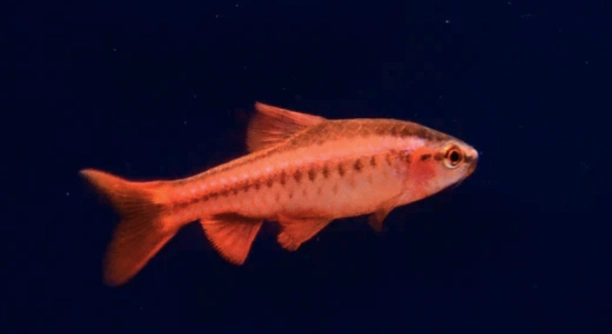
Are your cherry barbs looking bored or spending too much time hiding? Enrichment can help them stay active, healthy, and engaged.
Simple enrichment ideas for cherry barbs include adding live plants, rearranging tank decorations, offering varied foods, using floating toys, and providing gentle water movement. These techniques support natural behaviors and improve overall well-being.
Each method shared below is easy to implement and helps create a more stimulating, enjoyable environment for your cherry barbs.
Add Live Plants for Exploration
Live plants give cherry barbs more than just a nice-looking tank. They create natural hiding spots and encourage exploration. Plants like Java fern, Anubias, and hornwort are good choices. These provide coverage without needing much care. Cherry barbs often swim through leaves or rest among stems, which keeps them engaged. Live plants also help with water quality by reducing nitrates and providing oxygen. They can reduce stress, especially when cherry barbs feel threatened or are new to their environment. A well-planted tank supports both their physical and mental activity while giving the space a natural look that suits their needs.
Choose hardy plants that don’t need special lighting. Attach them to driftwood or rocks for a more natural layout and easy maintenance.
Live plants also create microhabitats for small invertebrates. Cherry barbs may nip at these as a food source, which adds to their natural behavior. This helps prevent boredom in the tank.
Rearrange Tank Decorations
Changing the layout of the tank occasionally keeps your cherry barbs interested. Moving decorations around provides new areas to explore and encourages natural curiosity.
You don’t need new décor every time. Simply shifting rocks, caves, or plants gives them a new environment. This resets territories and helps reduce aggression. When their surroundings change, cherry barbs investigate these updates with energy. It gives them a break from repetition. You can even rotate decorations to avoid clutter and keep things interesting. Just make sure each setup still includes hiding areas and open space for swimming. Too much change can stress them, so moderate rearrangement works best. Rearranging also helps with tank maintenance by uncovering hidden debris. It encourages your cherry barbs to stay active, explore different areas, and remain more responsive to their environment. Regular updates to their tank setup are a simple way to offer ongoing enrichment without adding new items.
Offer Varied Foods
Cherry barbs enjoy a mix of foods, and switching up their diet keeps them active and stimulated. Alternate between flakes, frozen foods, and live options like daphnia or bloodworms to maintain interest and support overall health.
Rotating foods not only provides mental stimulation but also covers a wider range of nutrients. Cherry barbs tend to be more energetic when presented with something new. Try introducing new food types slowly to avoid digestive upset. Frozen brine shrimp or microworms can be offered a few times per week. Dry pellets or flakes can still be the base of their diet, but adding variation encourages natural foraging. You can also use feeding rings or floaters to make the feeding process more engaging. Offering a variety of textures and sizes also triggers their hunting instincts and helps prevent boredom.
Adding natural plant matter such as blanched spinach or zucchini can offer added fiber. Though not a daily need, occasional greens mimic the natural environment and provide additional nutrition. Be sure to remove any uneaten vegetables within 24 hours to maintain water quality. Keep a simple rotation schedule to ensure balance. This change in diet not only supports physical health but also promotes mental engagement during feeding time.
Use Floating Toys or Decorations
Floating items can be simple but effective enrichment tools. Soft plastic rings, floating logs, or even repurposed air-filled decorations give cherry barbs something new to inspect and swim around without cluttering the tank’s base.
Choose objects that won’t trap fish or break down in water. Lightweight floating toys stay on the surface, attracting cherry barbs to new areas of the tank. These fish often swim mid-to-top level, so surface items naturally grab their attention. Movement from water flow makes the objects shift, encouraging interactive behavior. Avoid sharp edges and stick to non-toxic materials. Items like floating breeding logs, small ping pong balls, or floating plant islands can all work well. Introduce one item at a time and watch how they react. If a toy seems to cause stress, remove it and try something smaller or softer. The goal is to stimulate activity, not overwhelm the fish. Rotate the objects weekly to keep the setup fresh.
Provide Gentle Water Movement
Gentle water flow keeps cherry barbs active and mimics their natural habitat. Use a low-output filter or add a small circulation pump to create light currents without overwhelming them. Movement helps with oxygenation and encourages swimming through new flow patterns.
Adjust flow direction occasionally to change the tank dynamics. Cherry barbs will often swim into the current, which helps them stay fit. Just avoid strong water movement, as it may cause stress or make it hard for them to rest.
Create Visual Barriers
Visual barriers break up the tank into sections and reduce stress from constant visibility. Use rocks, plants, or decorations to make soft separations. This gives cherry barbs space to retreat and feel safe. It also supports natural behavior like territory guarding without aggression.
Use a Light Timer
A timer gives cherry barbs a steady light cycle, helping regulate activity. Consistent light and dark periods reduce stress and keep them more active during the day.
FAQ
What type of plants should I add for cherry barbs?
Cherry barbs benefit from a variety of plants. Hardy plants like Java fern, Anubias, and Amazon sword are easy to care for and provide natural hiding spots. Floating plants such as hornwort also help create a more stimulating environment. These plants offer shelter and can also improve water quality by absorbing excess nutrients.
How often should I rearrange the tank?
Rearranging the tank every few weeks can keep cherry barbs interested. A small change in layout encourages exploration and helps reset their territory. However, don’t make drastic changes too often, as this may stress them. Moderate alterations like shifting decorations or adding new plants are enough to keep things fresh.
Can cherry barbs live with other fish?
Yes, cherry barbs are peaceful and do well with other community fish. They prefer peaceful tank mates like tetras, guppies, and small catfish. Avoid aggressive fish that might stress them out. Also, make sure all tank mates have similar care needs, such as water temperature and pH.
How do I provide enrichment without overcrowding the tank?
Enrichment can be achieved with minimal additions. Simple changes like adding plants, rearranging décor, or introducing floating toys can provide mental stimulation without overcrowding. Stick to small, lightweight items that don’t take up much space. Make sure your tank’s filtration and water flow can handle any changes.
Do cherry barbs need special lighting?
Cherry barbs do well with moderate lighting. They don’t need specialized lights but prefer a light cycle that mimics natural day and night patterns. A standard aquarium light with a timer will ensure they get enough light without stressing them out. Keep the lights on for 10-12 hours a day and off for the rest of the time.
How do I prevent stress in my cherry barbs?
Stress in cherry barbs can be caused by poor water quality, overcrowding, or aggressive tank mates. To prevent stress, ensure the water is clean and within the ideal parameters for temperature, pH, and hardness. Provide enough space for each fish and avoid sudden changes in the tank environment. Ensure peaceful tank mates to avoid aggression.
What is the best food for cherry barbs?
Cherry barbs eat a variety of foods, including flakes, pellets, and live or frozen foods like daphnia, brine shrimp, and bloodworms. A balanced diet that includes both plant and protein sources is ideal. You can also supplement their diet with occasional greens like spinach or zucchini. Variety will keep them interested and healthy.
Do cherry barbs like to hide?
Yes, cherry barbs enjoy having places to hide. Providing plants, rocks, or caves gives them areas to retreat to when they feel threatened or need rest. They are not overly shy but appreciate the option to hide when needed. This also helps reduce stress and supports natural behaviors.
How can I encourage breeding in cherry barbs?
To encourage breeding, keep a ratio of one male to two or three females. Offer a well-planted tank with plenty of hiding spots. Keep the water temperature slightly higher (around 78°F to 80°F) and ensure the water is clean. You can also add a separate breeding tank with gentle water flow to give the pair a quiet, stress-free space to breed.
How do I care for baby cherry barbs?
Once the eggs hatch, the baby cherry barbs will need very fine food, such as infusoria or liquid fry food, for the first few days. After that, you can switch to newly hatched brine shrimp or crushed flakes. Keep the water clean, and ensure they have plenty of hiding spaces to avoid stress. Keep the tank at a steady temperature and ensure the fry are not exposed to large fish that may eat them.
What tank size is best for cherry barbs?
A 20-gallon tank is ideal for a small group of cherry barbs. A larger tank allows for more enrichment opportunities, but they can do well in a smaller tank as long as the water quality is maintained. Provide plenty of swimming space and hiding areas. Avoid overcrowding, as it can lead to stress and aggression.
Can cherry barbs survive in colder temperatures?
Cherry barbs prefer warmer water, typically between 72°F and 78°F. They can tolerate cooler temperatures for short periods but won’t thrive in cold water. If you live in a cooler climate, use a reliable aquarium heater to maintain a consistent temperature. This will ensure they stay active and healthy.
Final Thoughts
Caring for cherry barbs can be a rewarding experience. These fish are active, peaceful, and relatively easy to care for, making them a great addition to many freshwater aquariums. However, like all pets, they do require attention to their environment and well-being. Ensuring that the water conditions are stable, providing the right food, and offering enrichment will help keep them healthy and content. Small adjustments like adding plants, creating hiding spots, and providing gentle water movement can go a long way in improving their quality of life.
Their peaceful nature allows them to thrive in community tanks. Cherry barbs are not aggressive and can coexist with a variety of tank mates, as long as their companions share similar water requirements. The key to maintaining harmony in the tank is to avoid overcrowding and ensure that the fish have enough space to swim freely. A balanced tank with proper filtration and regular water changes will prevent many common problems that can arise from poor water quality.
While they are low-maintenance compared to some other species, it’s important to continue learning about their needs and preferences. This includes understanding their behavior, monitoring their health, and making small adjustments to their environment to keep them engaged. Regular observation will help you spot any issues early, allowing you to take action before they become bigger problems. With these simple steps, your cherry barbs can live long, healthy lives and bring vibrant color and movement to your tank.

Hello,
If you enjoy the content that we create, please consider saying a "Thank You!" by leaving a tip.
Every little bit helps us continue crafting quality advice that supports the health, happiness, and well-being of pets around the world, for pets of all shapes, sizes, and species.
We really appreciate the kindness and support that you show us!