
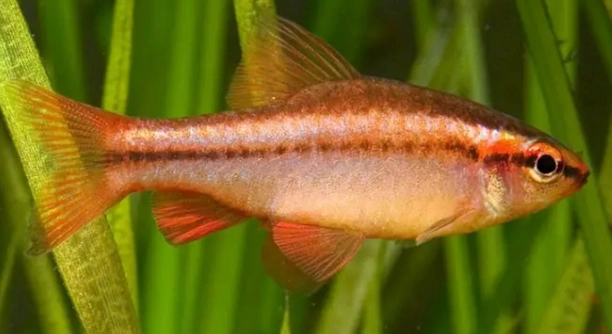
Have you ever set up a tank for cherry barbs and wondered if they might do better with some company around them?
Cherry barbs benefit from the presence of tank mates, especially when kept in small schools. These social fish are more active, display better coloration, and exhibit less stress when housed with compatible companions in a well-maintained aquarium.
Social behavior, environmental enrichment, and tank dynamics all play a role in how well cherry barbs adapt and thrive in their aquatic space.
Why Cherry Barbs Prefer Company
Cherry barbs are naturally social fish that feel safer and more relaxed when surrounded by others of their kind. In the wild, they move in groups, which helps reduce anxiety and boosts their activity levels. When kept alone or in very small numbers, they may become withdrawn or hide often. Their behavior noticeably changes when they have the comfort of a small school, usually around six or more. The presence of others encourages brighter coloration and more confident swimming. These signs indicate that group living meets their basic social needs and improves their quality of life. Including peaceful species in the tank can also add stimulation without causing stress. It’s best to choose fish that are calm and won’t compete for space or food. Maintaining this kind of balance helps support a healthy environment and lets cherry barbs display their natural behavior more freely.
Keeping cherry barbs in groups supports their emotional well-being. They thrive on interaction and security.
Be sure to monitor for signs of stress like faded colors or erratic swimming. If these occur, consider increasing the group size or reviewing the tank conditions. Social fish need consistent support to stay happy and active.
Choosing the Right Tank Mates
Cherry barbs are peaceful and do best with other calm, non-aggressive fish. Avoid large or fin-nipping species.
When selecting tank mates, consider size, behavior, and environmental needs. Fish that share similar water temperature and pH preferences are ideal. Good options include harlequin rasboras, Corydoras catfish, and small tetras. These species are active but non-threatening, and they don’t compete for space aggressively. Avoid pairing cherry barbs with species known for territorial behavior or nipping, like tiger barbs or bettas, as this can lead to stress or injury. Another important factor is tank size. Overcrowding can create tension and lead to water quality issues. Aim for at least a 20-gallon tank when housing multiple species, giving each group enough space to establish their territory. Use plants, driftwood, or decor to create visual barriers and hiding spots. This helps reduce conflict and allows each fish to retreat when needed. A calm, well-arranged tank environment makes all the difference in how your cherry barbs interact and thrive.
Maintaining a Balanced Environment
A stable environment helps cherry barbs stay active and stress-free. Clean water, proper filtration, and regular maintenance all play a part. Test water parameters weekly and perform partial water changes to keep conditions consistent and safe.
Cherry barbs thrive in water temperatures between 74°F and 79°F, with a pH range of 6.0 to 7.5. Use a reliable heater and thermometer to maintain steady conditions. Sudden changes in water temperature or chemistry can cause stress and illness. Include live plants and gentle filtration to mimic their natural habitat. These features give them hiding spaces and encourage natural behavior. Regularly check for uneaten food, waste buildup, and signs of algae, as these can affect water quality. Keep lighting moderate and consistent, and avoid strong currents. A balanced tank environment reduces stress, boosts immunity, and supports their overall health.
Overfeeding and overcrowding can disrupt the balance quickly. Feed small portions twice daily, just enough for them to eat in two minutes. Uneaten food should be removed to prevent water pollution. Avoid combining too many species or adding too many fish at once. Sudden changes in population can stress cherry barbs and affect their behavior. A slow, thoughtful approach works best for tank stability.
Signs of Stress and How to Help
Stress in cherry barbs can show through faded colors, hiding, aggression, or loss of appetite. Watch their behavior closely and respond quickly to changes.
Start by checking your water parameters and confirming everything is within the ideal range. If conditions are off, address them gradually to avoid further stress. Add hiding spots with plants or decorations to help them feel more secure. If aggression is an issue, observe which fish are involved and consider separating them or rearranging the tank layout to break up territories. Also, check the group size. If your cherry barbs are alone or too few, consider adding more to form a proper school. Social interaction is important for their comfort. Limit loud noise or sudden light changes near the tank, as these can also be stress triggers. Addressing stress quickly helps protect their immune system and prevents long-term health problems.
Common Mistakes to Avoid
Keeping cherry barbs in too small a group often leads to stress and dull coloration. They feel safer and more active when surrounded by others of their kind. Aim for a group of at least six to support their social needs.
Avoid pairing them with aggressive or overly active fish. Stress from poor tank mate choices can lead to hiding, poor appetite, and illness. Always research compatibility before adding new species to the tank.
Best Tank Setup for Cherry Barbs
A 20-gallon tank is a good starting point for a small group of cherry barbs. Use a heater to maintain a stable temperature between 74°F and 79°F, and include a gentle filter to avoid strong currents. Add live plants, smooth gravel, and decorations to create hiding spaces and enrich their environment. These additions help reduce stress and encourage exploration. Provide moderate lighting and keep the tank away from high-traffic or noisy areas. Avoid sudden changes in light or water conditions. A peaceful, stable setup lets cherry barbs show their natural behavior and remain active and healthy.
Feeding Cherry Barbs
Cherry barbs enjoy a varied diet of flakes, pellets, and live or frozen foods. Rotate their meals to support good health.
FAQ
How many cherry barbs should be kept together?
Cherry barbs are social fish and should always be kept in groups. A minimum of six is recommended, but more is better if your tank size allows. A larger group helps reduce stress and aggression, especially among males. It also allows them to form a natural pecking order and engage in more relaxed schooling behavior. When kept in small numbers, cherry barbs can become shy, hide often, and display duller colors. In contrast, a properly sized group encourages active swimming, brighter coloration, and overall healthier behavior. Always plan your tank size based on the number of fish you intend to keep.
Can cherry barbs live with other fish?
Yes, cherry barbs can live with other peaceful community fish. They do well with tetras, rasboras, cory catfish, and other small, non-aggressive species. Avoid placing them with fin-nippers or large, territorial fish. Cherry barbs are active but gentle, and they don’t bother tank mates when conditions are calm. Introducing tank mates that share similar needs in terms of temperature, pH, and water hardness can lead to a peaceful and balanced tank. Always observe new fish closely for signs of stress or aggression and be ready to make changes if necessary.
Do cherry barbs need live plants?
Live plants are not strictly required, but they are highly recommended. Cherry barbs feel more secure in planted tanks, and the plants provide hiding spots, reduce stress, and help maintain water quality. Live plants also create a more natural environment and encourage natural behaviors like exploring and darting between leaves. Popular choices include Java fern, Anubias, and Amazon swords. These plants are low-maintenance and thrive in the same conditions cherry barbs prefer. In addition, plants can help buffer changes in water quality and absorb excess nutrients, making tank maintenance easier.
How often should cherry barbs be fed?
Feed cherry barbs once or twice a day with only as much food as they can eat in two minutes. Overfeeding leads to poor water quality and health problems. Use a mix of high-quality flakes or micro pellets, supplemented with live or frozen foods like daphnia or bloodworms. This variety supports digestion, enhances coloration, and keeps their diet balanced. Feeding in small amounts also prevents uneaten food from settling at the bottom and causing ammonia spikes. Keep feeding times consistent and avoid giving treats too often to maintain their appetite and tank cleanliness.
Can cherry barbs breed in a home tank?
Yes, cherry barbs can breed in a home aquarium with the right conditions. Set up a separate breeding tank with fine-leaved plants or a spawning mop to catch eggs. Use a slightly warmer temperature around 78°F and feed them protein-rich foods like live brine shrimp beforehand. The female will scatter eggs, and the male will fertilize them. Remove the adults right after spawning, as they may eat the eggs. The eggs will hatch in about two days, and fry will become free-swimming within a few days. Feed the fry infusoria or crushed flakes until they grow larger.
Are cherry barbs aggressive?
Cherry barbs are peaceful by nature, but males can become mildly territorial, especially during breeding. This behavior usually involves chasing but rarely leads to injury. Keeping a balanced male-to-female ratio and maintaining a group of at least six helps reduce aggression. More females than males often result in a calmer group dynamic. Providing enough space, plants, and decorations for hiding and resting areas also helps lower tension. If aggressive behavior increases suddenly, check for signs of stress, overcrowding, or changes in water quality. Addressing the root cause quickly keeps the group peaceful and healthy.
How long do cherry barbs live?
With proper care, cherry barbs typically live for four to six years in a home aquarium. Clean water, a stable environment, and a balanced diet are key to reaching their full lifespan. Avoiding overcrowding and stress also contributes to long-term health. Regular maintenance and careful monitoring can catch problems early, helping them live longer. While they are hardy fish, poor conditions or inconsistent care can shorten their life expectancy. Keeping them in a stress-free, enriched tank encourages vibrant color, steady behavior, and longer life. Treat them well, and they will reward you with years of activity and beauty.
Final Thoughts
Cherry barbs are peaceful and colorful fish that thrive when their basic needs are met. Keeping them in small groups of at least six helps reduce stress and encourages natural behavior. A community tank with other gentle species, like tetras or cory catfish, allows them to swim freely without fear. Adding plants, hiding spaces, and open swimming areas supports both their physical and mental health. While they are generally hardy, they still rely on stable water parameters, good food, and low-stress conditions to stay healthy and active over time. A calm and balanced setup will allow them to show their best colors and behavior.
Although cherry barbs do not require constant attention, they still benefit from consistent care. Simple routines, like feeding them once or twice daily, checking water levels weekly, and doing partial water changes, go a long way. These small efforts help prevent common problems like poor water quality, aggression, or illness. When changes in behavior or appearance are noticed, responding quickly can help keep the whole tank in good shape. Whether it’s addressing poor water, adding a few more plants, or adjusting their food, each action has an impact. Consistent attention keeps things steady, which cherry barbs need to feel secure.
Choosing to keep cherry barbs can be rewarding. They are active without being aggressive and tend to adjust well to calm community setups. Their colors become richer when they are happy and healthy, and they often display playful group dynamics. Whether you’re new to fishkeeping or looking for a peaceful addition to your current tank, cherry barbs are a good choice. With the right care, they will live for several years and bring color and movement to your aquarium. A little planning, patience, and regular care go a long way in keeping them thriving. Creating a tank that fits their needs helps ensure they stay calm, colorful, and active every day.

Hello,
If you enjoy the content that we create, please consider saying a "Thank You!" by leaving a tip.
Every little bit helps us continue crafting quality advice that supports the health, happiness, and well-being of pets around the world, for pets of all shapes, sizes, and species.
We really appreciate the kindness and support that you show us!