
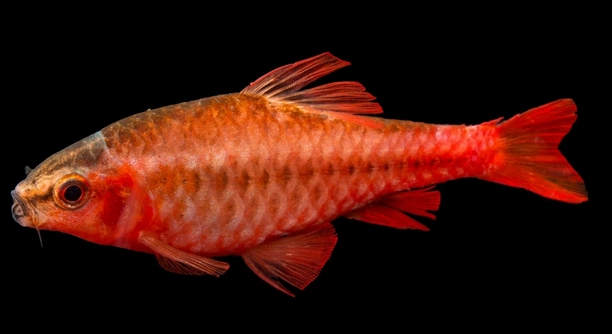
Cherry Barbs are popular aquarium fish known for their peaceful nature and vibrant colors. If you keep them in a tank, you may wonder if they can be territorial or if they get along with other fish.
Cherry Barbs can indeed show territorial behavior, especially when kept in smaller spaces. Male Cherry Barbs are more likely to exhibit aggression or defend areas within the tank, particularly during breeding periods.
Understanding their behavior and how to manage tank conditions will help keep your Cherry Barbs comfortable. Let’s look at how their environment affects their temperament and interactions with other fish.
Understanding Territorial Behavior in Cherry Barbs
Cherry Barbs are typically peaceful fish, but they can show signs of territoriality, especially when they feel their space is threatened. Males are more likely to display territorial behavior, particularly when there’s competition for mates or when they’re in smaller tanks. These fish will often establish boundaries, staking out areas they consider their own. This behavior can be more pronounced during breeding times, where males become more aggressive in defending their space. In tanks that are too small or have limited hiding places, territorial disputes can increase. Therefore, it’s important to provide enough space and hiding spots to minimize these tensions.
A well-sized tank can help reduce territorial issues. The more space your Cherry Barbs have, the less likely they are to feel the need to defend specific areas aggressively.
Adding plants or decorations to your aquarium can also provide hiding spots and areas for your fish to claim. This creates more room for each fish to carve out its own space and reduces conflicts between them. It’s essential to keep in mind that while Cherry Barbs are not naturally aggressive, they can still display territorial behavior when not given enough room or resources.
How to Minimize Territorial Conflicts
Providing ample space and enriching the environment can minimize territorial behavior in Cherry Barbs. A tank size of at least 20 gallons is recommended for a small group. Adding plants or decorations also helps. When Cherry Barbs feel secure in their environment, they are less likely to engage in aggressive behavior.
To keep Cherry Barbs calm and reduce territorial disputes, it’s important to set up your tank thoughtfully. A larger tank gives them room to swim freely without feeling crowded. Adding plenty of plants, rocks, or driftwood helps create separate territories for each fish. This gives them the space they need to feel safe and reduces competition. It’s also a good idea to add Cherry Barbs in small groups of at least six to avoid pairing off, which can lead to aggression. With proper care and the right setup, your Cherry Barbs can thrive in a peaceful tank environment where territorial behavior is kept to a minimum.
Tank Size and Territorial Behavior
Tank size plays a crucial role in reducing territorial behavior among Cherry Barbs. A larger tank allows more room for each fish to establish its own space, minimizing the chances of conflicts. A tank size of at least 20 gallons is ideal for a small group of Cherry Barbs.
When Cherry Barbs are kept in tanks that are too small, they may become stressed and exhibit more territorial behavior. In confined spaces, they will likely feel the need to protect specific areas, especially males during breeding. The more room they have to swim, the less inclined they are to act aggressively. Adding extra plants or decorations in a spacious tank allows each fish to carve out a territory, reducing competition. It’s also beneficial to avoid overcrowding. A few extra fish in a small tank can increase stress and territorial disputes, leading to an unhealthy tank environment.
The Importance of Hiding Spots
Hiding spots in an aquarium can help Cherry Barbs feel more secure and reduce territorial disputes. Adding plants, rocks, or decorations creates spaces where fish can escape from one another, lowering aggression. Without these hiding spots, fish may feel constantly threatened.
In a tank without hiding spots, Cherry Barbs may be more inclined to defend areas they consider safe. By introducing decorations such as rocks, driftwood, or dense plants, the fish can establish their own territories without directly competing for space. Hiding spots also help reduce stress, which is a key factor in promoting peaceful behavior. The more a Cherry Barb feels secure in its environment, the less likely it is to display territorial aggression. A well-decorated tank also improves the overall aesthetic, creating a balanced environment for both fish and their owners.
Male vs. Female Territorial Behavior
Male Cherry Barbs are more likely to exhibit territorial behavior than females, especially when they are competing for mates. During the breeding season, males will often defend their space more aggressively, sometimes even chasing other males away. Females are generally calmer and less territorial.
Males will become especially protective of areas they deem suitable for breeding. This behavior can cause disputes with other males, particularly if the tank is too small or overcrowded. Females, on the other hand, are less involved in territorial conflicts, as they are more focused on breeding and less on defending space.
Group Size and Social Dynamics
A group of at least six Cherry Barbs is recommended to reduce aggressive behavior. When kept in larger groups, the social dynamics become more balanced, and any territorial disputes are spread out among the fish. This helps reduce stress and aggression.
Keeping Cherry Barbs in small groups can cause males to focus more on defending specific areas, which can lead to increased aggression. A larger group helps prevent any one fish from becoming too dominant. Additionally, a bigger group encourages more natural behavior, as fish can interact with each other without resorting to territorial fights. The peaceful nature of Cherry Barbs will shine when they feel secure in a properly balanced social setting.
Signs of Territorial Disputes
Signs of territorial disputes in Cherry Barbs include chasing, fin nipping, and aggressive posturing, particularly among males. Fish may display bright colors or expanded fins to assert dominance. These behaviors are often more noticeable during breeding or in confined spaces.
When territorial disputes occur, Cherry Barbs may exhibit stress through these signs, which can affect their health. In some cases, fish might even stop eating or hide in corners to avoid conflict. These behaviors are your clue that the tank setup may need adjustments, such as adding more space or hiding spots to reduce aggression.
FAQ
Do Cherry Barbs need a lot of space?
Yes, Cherry Barbs do need a fair amount of space to thrive. A tank of at least 20 gallons is recommended for a small group of these fish. If the tank is too small, they may feel cramped and exhibit territorial behavior, leading to stress and aggression. The more space they have, the more relaxed they will be.
Can Cherry Barbs live with other fish?
Cherry Barbs are generally peaceful and can live with other non-aggressive fish. They do well in community tanks with species that are calm and do not invade their space. However, they may show territorial behavior if there are other similar species or if the tank is overcrowded.
Are Cherry Barbs territorial during breeding?
Yes, males become more territorial during breeding. They may defend their chosen breeding area aggressively, especially if there are other males present. This behavior is natural and a part of their instinct to protect a mate and territory. Providing extra space and hiding spots can help reduce conflicts during this time.
How many Cherry Barbs should be kept together?
Cherry Barbs should ideally be kept in groups of at least six. Keeping a larger group helps to disperse any aggressive behavior and encourages natural schooling. When kept in small numbers, males may become more territorial, leading to conflicts. A larger group helps to keep the peace.
What is the best tank setup for Cherry Barbs?
A well-planted tank with plenty of hiding spots is ideal for Cherry Barbs. Plants, rocks, and decorations provide the structure they need to feel secure and reduce territorial disputes. It’s also important to maintain good water conditions, with a stable temperature and clean water, to keep the fish healthy.
How do I know if my Cherry Barbs are stressed?
Stressed Cherry Barbs may show signs such as hiding, loss of appetite, or reduced activity. They might also display darker colors or may act more aggressively than usual. If these signs occur, it could be due to overcrowding, poor water quality, or the presence of aggressive tankmates.
Do Cherry Barbs prefer a specific water temperature?
Cherry Barbs prefer warm water, typically between 72°F to 78°F (22°C to 26°C). Maintaining a consistent temperature is important for their health. Extreme fluctuations in temperature can lead to stress and health issues. A good aquarium heater can help keep the temperature stable.
Can Cherry Barbs live in a tank with other species of barbs?
Cherry Barbs can live with other species of barbs, but care should be taken when choosing tankmates. Some types of barbs can be more aggressive or territorial, which could lead to conflicts. It’s best to ensure that all species in the tank are compatible in temperament and size.
Do Cherry Barbs need a filter in their tank?
Yes, a filter is necessary for Cherry Barbs to maintain clean and oxygenated water. They produce waste, and a good filter helps keep the tank environment healthy. Be sure to choose a filter that is not too strong, as Cherry Barbs prefer calm water without strong currents.
How often should I feed my Cherry Barbs?
Cherry Barbs should be fed once or twice a day with high-quality flake or pellet food, along with occasional live or frozen foods like brine shrimp or daphnia. It’s important not to overfeed them, as uneaten food can pollute the water and affect their health.
Are Cherry Barbs easy to care for?
Yes, Cherry Barbs are relatively easy to care for, making them a good choice for beginner aquarists. They do well in a well-maintained aquarium with stable water conditions. With proper care, they can live for several years. However, they still require attention to their environment, including water quality and tankmates.
Final Thoughts
Cherry Barbs are a popular choice for aquarium hobbyists due to their peaceful nature and bright, attractive colors. While they are generally easy to care for, it’s important to consider their territorial behavior, especially in smaller tanks. Males, in particular, can show more aggressive tendencies when it comes to defending their space or competing for mates. However, this behavior can be minimized with a spacious tank, proper decorations, and the right tankmates. Ensuring that your Cherry Barbs have enough room to swim and a place to call their own can make a significant difference in their temperament.
Providing a balanced environment for Cherry Barbs means paying attention to several factors. A tank of at least 20 gallons is ideal for a small group of these fish. Adding plants, rocks, and driftwood not only improves the aesthetic of the tank but also helps reduce territorial disputes by giving the fish more hiding spots and places to establish their territories. It’s also important to avoid overcrowding, as this can lead to stress, which might trigger more aggressive behavior. Keeping a larger group of at least six Cherry Barbs can also help distribute any territorial tendencies, as it prevents any one fish from becoming too dominant.
Ultimately, Cherry Barbs can thrive in a well-maintained tank with the right setup and care. Their territorial behavior is a natural part of their instincts, but it can be managed by providing a suitable environment and tank conditions. By understanding their behavior and meeting their needs, you can create a peaceful aquarium where your Cherry Barbs can live happily and interact with each other in a calm and stress-free way. They are a rewarding addition to any community tank when given the proper care and attention.

Hello,
If you enjoy the content that we create, please consider saying a "Thank You!" by leaving a tip.
Every little bit helps us continue crafting quality advice that supports the health, happiness, and well-being of pets around the world, for pets of all shapes, sizes, and species.
We really appreciate the kindness and support that you show us!