
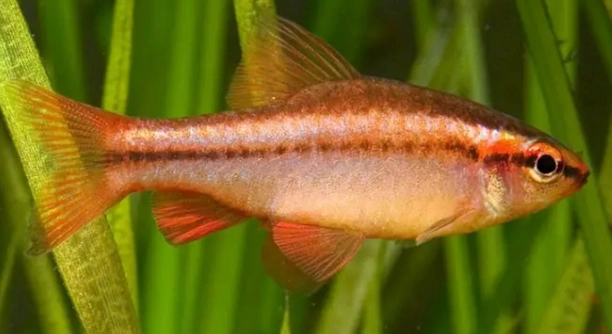
Do your cherry barbs seem stressed or act strangely even though their tank appears fine and you’ve followed all the basic care tips?
Cherry barbs can be shocked instantly by sudden changes in water parameters, aggressive tankmates, loud vibrations, or improper handling. Even small environmental shifts can cause immediate stress, leading to hiding, illness, or sudden death.
Recognizing these causes early helps prevent unnecessary harm and ensures a safer space for your fish to thrive in the long term.
Sudden Water Temperature Swings
Cherry barbs are sensitive to rapid temperature changes. If the water shifts too quickly, even by a few degrees, it can trigger shock. Heaters that malfunction, or drastic water changes using cold tap water, can cause this. It’s important to always match the new water temperature as closely as possible to the tank’s current conditions. Using a reliable heater with a thermostat helps keep things stable. Also, during cleaning or topping off, test the temperature of the replacement water before adding it. Cherry barbs thrive in stable environments, and temperature swings are one of the fastest ways to stress them out.
Even if your tank looks clean and your barbs seem active, sudden dips or spikes in temperature can impact their health almost immediately.
A thermometer is your best friend here. Keep one in the tank and check it daily. Don’t rely on just touching the water—it’s not accurate enough to protect your fish.
Poor Water Quality
Even slight imbalances in ammonia, nitrite, or nitrate can have serious effects on cherry barbs.
Cherry barbs rely on clean, balanced water to stay healthy. Poor water quality can result from overfeeding, infrequent water changes, or a tank that is overstocked. When waste builds up, ammonia and nitrites spike, making it hard for your fish to breathe. Stress from poor water conditions can weaken their immune system and make them more prone to illness. It’s not always visible—your tank may appear clear, but levels can still be harmful. Testing your water weekly is key. Look for a test kit that covers pH, ammonia, nitrite, and nitrate. Keeping up with partial water changes, removing uneaten food, and checking your filter regularly are small steps that prevent big problems. Once water quality goes down, cherry barbs react fast. They may lose color, stop eating, or stay hidden. These are all signs to act quickly before shock becomes fatal.
Aggressive Tankmates
Cherry barbs are peaceful and don’t handle aggression well. Fast or territorial fish can chase or nip at them, causing panic and stress. Constant harassment makes them hide, stop eating, or become ill. They do best with other calm species that won’t compete or provoke them.
A tank with aggressive fish can quickly become unsafe for cherry barbs. Even occasional bullying can have a lasting impact. Cherry barbs may not fight back—they often just try to escape or stay out of sight. Stress builds up over time and weakens their resistance to disease. Choosing peaceful tankmates like rasboras, small tetras, or corydoras makes a big difference. Avoid housing them with barbs known for aggression, such as tiger barbs. Watch for signs like torn fins or hiding in corners, especially after adding new fish. If issues start, consider moving the aggressive fish or creating more hiding spaces.
When placing cherry barbs in a community tank, size and behavior of tankmates matter. Aggressive or very active fish can make them feel unsafe, even if there’s no visible damage. The stress caused by fast movement or rough behavior is often overlooked. Cherry barbs do best in calm groups where they can swim freely and interact without fear.
Sudden Light Changes
Turning lights on or off too suddenly can scare cherry barbs. They may dart around the tank, bump into objects, or hide for hours. A gradual change in lighting helps avoid these reactions and keeps them calm.
Cherry barbs are easily startled by abrupt lighting shifts. In the wild, light changes gradually with sunrise and sunset. When kept in tanks, sudden brightness can feel like danger. They might react by fleeing quickly, which can lead to injuries if they hit hard surfaces. To avoid this, use a dim room light before turning on the tank light or invest in a light with a gradual sunrise/sunset feature. Consistent lighting schedules also help reduce stress. Turning lights on or off at random times can confuse their internal rhythm. Keeping things steady lets them feel secure. Timers are a good tool to maintain this routine without needing to do it manually every day.
Improper Handling During Maintenance
Netting cherry barbs roughly or chasing them around the tank can scare them badly. Fast movements, loud noises, or sudden grabs can lead to injury or stress. Always move slowly and gently when cleaning or relocating fish.
Avoid unnecessary contact during tank maintenance. Stress from handling can affect their behavior for days.
Loud Vibrations or Sounds
Cherry barbs are sensitive to vibrations. Loud music, tapping on the glass, or nearby machinery can startle them. They may dart, hide, or show signs of stress. Keeping their tank in a quiet spot helps them feel safe and calm.
Incorrect Water Parameters
Water that’s too hard, too soft, or has the wrong pH can stress cherry barbs. They prefer slightly acidic to neutral water, with gentle flow. Using a good test kit helps keep levels steady. If changes are needed, make them slowly. Sudden shifts in pH or hardness can shock them quickly.
FAQ
How can I tell if my cherry barb is in shock?
Signs of shock in cherry barbs can appear quickly. You might see them swimming erratically, gasping near the surface, hiding constantly, or lying at the bottom without moving much. Their colors might fade, and they may stop eating. In severe cases, they might even float oddly or twitch. These are all red flags that something is wrong in their environment. Always check your water parameters first, then look at recent changes—new tankmates, loud sounds, sudden temperature shifts, or poor lighting habits could be the cause. Acting fast can often prevent long-term damage or death.
What’s the best way to prevent shock during water changes?
The most important step is to match the temperature of the new water to the current tank temperature. Use a thermometer and check both before adding anything. Also, don’t change too much water at once—try to replace only 25–30% at a time. Add the new water slowly, either with a siphon or cup, so your cherry barbs can adjust gradually. Always treat tap water with a conditioner to remove chlorine and chloramine. Skipping this step can be deadly. Regular, smaller water changes are better than big, infrequent ones. Consistency and gentleness go a long way.
Can sudden changes in lighting really cause lasting stress?
Yes, they can. Cherry barbs are prey animals, so bright light turning on without warning can feel like danger. They may panic, dart around, and even hurt themselves by hitting the tank walls or decorations. A sudden lights-off moment can have the same effect. It’s not just a short scare—it can affect their appetite, color, and behavior for hours. Over time, repeated stress lowers their immunity. A timer or light with a slow ramp-up/ramp-down feature is ideal. If you don’t have one, turn on the room lights first to help ease the transition.
Is it okay to keep cherry barbs with other types of barbs?
It depends on the species. Some barbs, like tiger barbs, are known to be aggressive or nippy. These behaviors don’t mix well with cherry barbs, which are peaceful and shy. Constant chasing or fin-nipping can lead to chronic stress, injuries, or death. If you want to mix them with other barbs, stick to calm ones like gold barbs or smaller species with gentle temperaments. Always observe new combinations closely for the first few days. If the cherry barbs start hiding, lose color, or act stressed, it’s best to separate them quickly.
What water parameters are best for cherry barbs?
Cherry barbs thrive in slightly acidic to neutral water, ideally with a pH between 6.5 and 7.5. The water should be soft to moderately hard, and the temperature should stay between 74°F and 80°F (23°C to 27°C). They prefer low to moderate flow and a well-planted tank. Sudden changes in pH or temperature can shock them, so test your water regularly and make any changes gradually. Consistency is key to keeping them calm and healthy. A stable environment is more important than chasing perfect numbers.
Can tank location affect cherry barb stress levels?
Yes, very much so. Tanks placed in high-traffic areas, near speakers, or close to doors that open and close frequently can create a stressful environment. Cherry barbs do better in quieter spots where movement and noise are minimal. Constant vibrations, sudden shadows, or loud sounds from TVs and music systems can keep them in a constant state of alertness. Over time, this leads to hiding, poor appetite, and even health problems. Choose a calm location for their tank, away from regular human activity and noise sources. This helps them feel safe and act naturally.
Final Thoughts
Keeping cherry barbs healthy starts with understanding what can stress or shock them. These small fish are more sensitive than they may seem. Sudden changes in water conditions, lighting, or tank setup can affect them quickly. They rely on a stable environment with gentle handling, consistent water parameters, and peaceful tankmates. Many of the things that stress cherry barbs are easy to miss at first—like vibrations, loud sounds, or minor temperature changes—but even these small shifts can have a big impact. Being aware of how fragile they are helps you create a space where they can thrive, not just survive.
It’s not just about keeping them alive; it’s about helping them feel secure. When cherry barbs are comfortable, they become more active, show brighter colors, and interact with other fish more freely. A peaceful tank allows their personality to come through. That’s why simple habits—testing the water weekly, using a heater and thermometer, doing gentle water changes, and avoiding rough handling—are so important. These steps might seem basic, but they make all the difference. Over time, you’ll notice how your barbs behave differently when their environment stays stable. They will swim more confidently, eat regularly, and show less fear when you approach the tank.
Taking care of cherry barbs doesn’t have to be complicated. You don’t need fancy equipment or special treatments—just attention to detail and a calm setup. Give them clean water, compatible tankmates, and a quiet space to live. Watch for any sudden changes in behavior, and respond quickly if something seems off. Small actions, like turning on the room light before the tank light or avoiding loud noise near the aquarium, can prevent shock. In return, your cherry barbs will reward you with lively swimming, peaceful schooling, and vibrant color. A calm tank leads to healthy fish, and healthy fish are a lot more fun to care for. Keeping things simple and consistent is the best way to protect them from stress.

Hello,
If you enjoy the content that we create, please consider saying a "Thank You!" by leaving a tip.
Every little bit helps us continue crafting quality advice that supports the health, happiness, and well-being of pets around the world, for pets of all shapes, sizes, and species.
We really appreciate the kindness and support that you show us!