
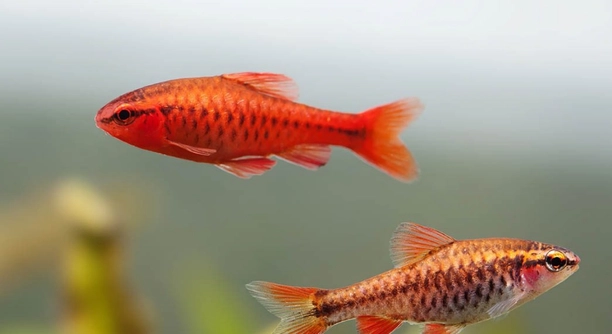
Is your cherry barb looking unusually round or swollen lately, making you wonder if something is wrong with your fish? This kind of bloating can be concerning, especially when it seems to happen suddenly or without clear cause.
The most common reasons cherry barbs appear bloated include overfeeding, constipation, swim bladder issues, dropsy, internal parasites, or reproductive swelling. Identifying the exact cause early is important to ensure proper treatment and prevent further complications.
There are several signs and subtle differences that can help you figure out what’s going on with your fish. Let’s take a closer look at these common causes and what steps you can take next.
Overfeeding and Constipation
Overfeeding is one of the most common causes of bloating in cherry barbs. These small fish have tiny stomachs, and even a little extra food can overwhelm their digestive system. When uneaten food settles in the tank, it also leads to poor water quality, which can make matters worse. Constipation follows closely behind, often caused by a diet lacking fiber or variation. Dry foods like flakes and pellets, when not soaked beforehand, can expand in their stomachs and make them uncomfortable. Signs to watch for include a swollen belly, reduced activity, and an inability to pass waste. If left untreated, constipation can lead to more serious internal complications. To help your fish, reduce feedings to once per day or every other day and include blanched peas in their diet. Monitor their behavior for improvement and keep the tank water clean to support healthy digestion during this time.
Blanched peas are a gentle solution that can help flush out the digestive tract. Remove the skin and offer a small portion.
Consistency in feeding routines, limiting portion sizes, and introducing fresh vegetables can reduce the risk of bloating. Cherry barbs thrive with variety, so alternating their food will support better digestion and long-term health.
Dropsy and Internal Infections
Dropsy is a serious condition that often appears with bloating, raised scales, and lethargy. It’s caused by a bacterial infection that leads to fluid buildup in the body.
Dropsy affects the internal organs and is often fatal if not treated quickly. It’s more than simple bloating—it’s a sign that the fish’s kidneys or liver are struggling to function. This condition is usually triggered by poor water conditions, stress, or an already weakened immune system. You might notice that your cherry barb has scales that stick out like a pine cone and seems less active than usual. Isolating the fish is important, along with improving water quality and starting antibacterial treatment immediately. Aquarium salt baths and antibiotics such as Kanamycin can be helpful when administered early. It’s important to monitor tank mates as well, since underlying conditions like bacterial infections can spread. Regular tank maintenance, along with careful observation, can reduce the risk of this kind of infection.
Swim Bladder Disorder
Swim bladder disorder affects a fish’s buoyancy and often causes them to float oddly, tilt sideways, or struggle to swim. Bloating is a common sign, and overfeeding or rapid gulping of air during feeding can worsen it.
This condition makes it difficult for your cherry barb to maintain balance. They may float near the surface, sink to the bottom, or flip onto their side while trying to swim. Swim bladder disorder is not always permanent, especially when it’s related to diet or sudden changes in water temperature. Try fasting the fish for 24 to 48 hours, then feed a small amount of a fiber-rich food like skinned peas. Keep the water temperature stable, ideally between 74–78°F, to avoid additional stress. If the issue doesn’t improve, consider isolating the fish for closer monitoring and providing an antibacterial treatment if signs of infection appear.
Treatment should be gentle and consistent. Avoid handling the fish too much, and maintain quiet surroundings to reduce stress. It helps to feed smaller portions and use sinking pellets to keep them from gulping air. Clean water and stable parameters also support healing and help prevent future swim bladder problems in your cherry barb.
Reproductive Swelling
Female cherry barbs sometimes appear bloated when they are carrying eggs. This is a natural process, but it can be mistaken for a health issue if the swelling becomes significant or lasts too long.
If the swelling is smooth and symmetrical, and the fish is active with a healthy appetite, it’s likely related to reproduction. A gravid female will often show increased roundness in the belly area and might become more colorful. During breeding, males may also chase females more frequently. If no spawning occurs, however, the female may retain eggs, which can cause prolonged swelling and eventually lead to health issues. Provide plenty of live plants or spawning mops to encourage natural egg-laying. Maintaining good water quality, proper temperature, and offering high-protein foods can stimulate spawning and help relieve the swelling. If the fish remains swollen for more than a week, monitor closely for other signs of illness.
Internal Parasites
Internal parasites can cause visible bloating along with weight loss and stringy, white feces. Affected cherry barbs may also become lethargic and show a lack of interest in food despite their swollen appearance.
Treating internal parasites usually involves using medicated food or water treatments. Look for products containing praziquantel or metronidazole.
Tumors or Organ Failure
In some cases, bloating may result from internal tumors or organ failure. These causes are more difficult to treat and often appear in older fish. The swelling is usually uneven, and the fish may become less active or isolate itself from others. Unlike dietary or reproductive swelling, tumors do not respond to fasting or changes in diet. If you suspect an internal growth, monitor the fish’s quality of life and overall behavior. Unfortunately, there is little that can be done aside from providing a stress-free environment. Euthanasia may be considered if the fish is in visible distress and no recovery is possible.
Poor Water Conditions
Dirty water causes stress, weakens the immune system, and makes your cherry barb more vulnerable to infections and bloating. Perform regular water changes and monitor ammonia, nitrite, and nitrate levels to prevent complications.
FAQ
How can I tell if the bloating is from overfeeding or something more serious?
If your cherry barb is still active and eating well, the bloating might just be from overfeeding or constipation. Overfeeding often leads to mild swelling and sluggish behavior. When the swelling is severe, uneven, or paired with signs like clamped fins, discoloration, pineconing scales, or floating issues, it could indicate something more serious like dropsy, parasites, or organ problems. Pay close attention to waste appearance—long, white, or stringy feces can point to internal parasites. If fasting or dietary adjustments don’t help after a couple of days, it’s best to begin treatment or consult an aquatic vet.
What is the safest way to treat mild constipation in cherry barbs?
The simplest and safest treatment is to fast the fish for 24 to 48 hours. After that, feed a small portion of skinned, blanched peas. These peas work as a natural laxative and help clear the digestive system. Make sure the food is soft and easy to swallow. Avoid feeding flakes or dry pellets until the swelling goes down. Keep the tank clean and the temperature stable during this time. If the fish does not pass waste or improve within three days, it may need a stronger treatment or diagnosis.
Can bloating be caused by poor water quality even if I feed correctly?
Yes, poor water quality is a major stressor and can lead to bloating, infections, and organ stress. Ammonia, nitrite, and nitrate spikes affect internal systems and digestion. Even if you feed a perfect diet, toxins in the water can make it hard for your cherry barb to stay healthy. Make sure your filter is working properly, perform regular water changes, and test the water weekly. Stress from dirty conditions often weakens the immune system, making the fish more likely to develop issues like dropsy or parasitic infections.
What should I feed my cherry barb to help prevent bloating?
A balanced diet with variety helps the most. Rotate between high-quality flakes, sinking pellets, frozen foods like daphnia or brine shrimp, and vegetables such as skinned peas or zucchini slices. Avoid overfeeding—offer just enough food that they can finish in two minutes. Feeding once or twice a day in small amounts is better than one large meal. Make sure the food sinks slowly to reduce the chance of air gulping, which can trigger swim bladder problems. Soaking dry food beforehand also helps prevent it from expanding in the stomach.
Is it normal for female cherry barbs to look rounder than males?
Yes, females naturally have rounder bellies, especially when they are carrying eggs. This kind of swelling is even on both sides and usually doesn’t affect their swimming or appetite. If the fish is acting normal, eating well, and has a symmetrical roundness, it’s likely reproductive. This swelling can last several days until they release eggs, usually triggered by a change in water temperature or the presence of a male. If the swelling lasts more than a week and the fish becomes less active or shows other symptoms, it may be something more serious.
How do I know if my cherry barb has dropsy?
Dropsy usually includes bloating with raised, pinecone-like scales. The fish may appear puffed up with its scales sticking out, especially near the belly and sides. Other signs include lethargy, reduced appetite, and sometimes reddened or pale areas near the gills. Dropsy is often caused by internal infections and fluid buildup. This condition can progress quickly and needs immediate attention. Isolate the fish, raise the water temperature slightly, and begin antibacterial treatment. Dropsy can be hard to treat, so early intervention is important. Good water quality and reduced stress help prevent it.
Can bloating be contagious to other fish?
The bloating itself isn’t contagious, but the cause might be. Internal parasites, bacteria, or poor water conditions can affect all fish in the tank. If one fish shows signs of illness, it’s best to monitor the others closely. Quarantine the sick fish if possible, and clean the tank thoroughly. Keep up with water testing and avoid feeding leftover food. Some issues, like dropsy or parasites, can spread if not caught early. Treat the whole tank if symptoms begin to show in more than one fish.
When should I consider euthanasia for a bloated cherry barb?
If the fish is no longer eating, cannot swim upright, and shows signs of suffering such as extreme bloating, pineconing, and unresponsiveness, it may be time to consider humane euthanasia. Use clove oil diluted in water as a painless method. It’s never an easy decision, but sometimes it’s the kindest option when all treatments fail and the fish is clearly in distress. Always try less invasive treatments first, and take steps to prevent future illness through diet, water care, and early observation.
Final Thoughts
Keeping cherry barbs healthy starts with simple, consistent care. Bloating can look alarming, but not all swelling means something serious. Sometimes it’s just a result of overfeeding, egg-carrying, or mild digestive issues. These are often easy to fix with small changes in feeding habits or a short fast. However, bloating can also be a sign of more serious problems like internal infections or poor water quality. Observing your fish daily and taking quick action when something seems off can make a big difference in how quickly they recover. A bloated cherry barb is not always sick, but it’s a good reason to stop and take a closer look at your tank and care routine.
Clean water, the right food, and a calm environment help your fish stay well. Checking the water regularly, feeding a balanced diet in the right amounts, and keeping the tank peaceful can prevent many common problems. It doesn’t take long for waste or leftover food to affect water quality, which can lead to bloating and illness. Be mindful of tank mates, too. Avoid aggressive fish that cause stress or outcompete cherry barbs for food. Keep the tank at a stable temperature, and do partial water changes weekly to remove harmful buildup. These small habits form the foundation of long-term health and help prevent bloating from becoming a repeated issue.
Even with the best care, problems can still happen. That’s why it helps to know the signs and act quickly. Watching for changes in how your cherry barb swims, eats, or behaves is key. Treating issues early usually leads to better outcomes. If your fish looks bloated and doesn’t improve after a fast or a change in food, it may be time to look into treatments or ask for expert advice. Not every case of bloating needs medicine, but serious or long-lasting swelling shouldn’t be ignored. With attention, care, and a bit of patience, most cherry barbs recover and stay active, colorful, and comfortable in their tank. Consistency is the most important part of keeping them healthy.

Hello,
If you enjoy the content that we create, please consider saying a "Thank You!" by leaving a tip.
Every little bit helps us continue crafting quality advice that supports the health, happiness, and well-being of pets around the world, for pets of all shapes, sizes, and species.
We really appreciate the kindness and support that you show us!