
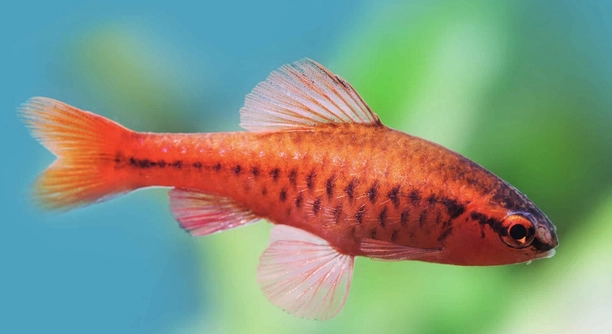
Cherry barbs are a popular choice for freshwater aquariums. These small, colorful fish have specific needs when it comes to their living environment. Understanding whether they prefer a busy or quiet tank is important for their well-being.
Cherry barbs generally thrive in moderately active tanks. While they can adapt to both calm and busy environments, they prefer a balanced setting. A tank with gentle water movement and some interaction allows them to feel secure while still being active.
The right tank conditions help ensure cherry barbs remain healthy and content. Keep reading to explore what works best for their environment and how you can create the ideal setting for them.
Understanding Cherry Barb Tank Preferences
Cherry barbs are known for their peaceful nature, making them a great addition to a community tank. When deciding whether they prefer a busy or quiet tank, it’s important to focus on their behavior. In a busy tank, they tend to stay closer to the middle or top of the water, where there is a bit more activity. This allows them to feel comfortable while still engaging with their surroundings.
However, if the tank is too hectic with aggressive tank mates or fast-moving water, cherry barbs can become stressed and may hide more often. A calm environment allows them to relax, but too little movement may lead them to become sluggish.
A balanced aquarium setup, with gentle water flow and a mix of plants and décor, tends to work best for cherry barbs. It provides the perfect environment where they feel secure but still engaged with their tank mates. Their playful and curious nature thrives when they have room to explore and interact.
Ideal Tank Setup for Cherry Barbs
For cherry barbs, a tank with gentle filtration and plenty of plants works best. Adding some hiding spots like rocks or driftwood allows them to feel secure, yet still participate in social interactions.
The water temperature should stay between 74°F to 80°F, with a pH level around 6.5 to 7.5 for optimal comfort. A calm environment ensures that cherry barbs can interact with their tank mates while avoiding stress.
A well-maintained, moderately active tank can promote the health and happiness of cherry barbs. The key is ensuring a good balance of water flow, temperature, and tank mates.
Tank Mates for Cherry Barbs
Cherry barbs do well in community tanks, especially when paired with peaceful species. They get along with other small fish like rasboras, tetras, and danios. Avoid aggressive or overly large fish that could intimidate them.
In a tank with active, peaceful species, cherry barbs feel more secure. They interact well with fish that don’t compete for space or food. The presence of similar-sized or calm fish allows cherry barbs to explore and socialize without feeling threatened. Choose tank mates carefully to keep the environment stress-free.
When selecting tank mates, be mindful of the size and temperament of other species. Cherry barbs can be outcompeted for food by larger, more dominant fish. It’s essential to keep them in a peaceful community where they can thrive and avoid stress. A well-balanced tank environment helps them flourish.
The Role of Tank Size for Cherry Barbs
The size of the tank matters when it comes to cherry barbs. They do best in tanks that are at least 20 gallons, which provides enough space for swimming and exploration. A larger tank also helps maintain water quality, reducing stress.
In smaller tanks, cherry barbs can become territorial, especially if there are too many fish. A larger tank allows them to spread out, reducing any potential aggression and giving them room to establish territories. It also ensures that there’s enough space for plants and decorations, creating a comfortable environment.
A 20-gallon tank or larger is ideal to keep cherry barbs healthy and active. Proper filtration, space for swimming, and plant coverage will keep your cherry barbs happy and less stressed.
Water Conditions for Cherry Barbs
Cherry barbs prefer slightly acidic to neutral water conditions. Maintaining the right pH, around 6.5 to 7.5, ensures they stay healthy. Stable water parameters are crucial to prevent stress.
They also need a temperature range between 74°F to 80°F. Fluctuations in temperature can lead to stress and illness. Regular water changes are essential for keeping the water quality high.
In addition to pH and temperature, ensure proper filtration to maintain clean water. Clean, well-filtered water contributes to cherry barbs’ overall health. A stable environment promotes their natural behavior and reduces the likelihood of disease.
Feeding Cherry Barbs
Cherry barbs are omnivorous and enjoy a variety of foods. A balanced diet consisting of high-quality flakes, pellets, and occasional live or frozen foods like brine shrimp keeps them active and healthy.
Feeding them twice a day, offering small portions to avoid overfeeding, ensures they stay in good shape. Varied food helps them receive all necessary nutrients. A diet rich in protein will support their growth and vibrant coloration.
Make sure the food you offer is appropriate for their size. Cherry barbs are small and can struggle with larger food particles. Feeding them smaller, manageable portions keeps them happy.
Lighting for Cherry Barbs
Cherry barbs thrive in moderate lighting. They enjoy a natural light cycle, which can be simulated with a simple aquarium light. Too much light can cause algae growth and stress the fish.
Set the light to be on for about 8-10 hours a day to mimic natural daylight hours. This promotes a healthy environment for both plants and fish. It also helps maintain the right temperature and encourages the fish to follow a regular routine.
Proper lighting is essential to create a balanced, stress-free environment. Keep the lighting consistent to avoid disrupting their day-night cycle.
FAQ
Do cherry barbs prefer a busy or quiet tank?
Cherry barbs thrive in a moderately active environment. They can adapt to both calm and slightly busy tanks, as long as there is gentle water movement. Too much chaos or fast-moving fish can stress them out, while a completely quiet tank may make them sluggish. A balance of moderate activity is ideal for their comfort.
How many cherry barbs should be kept together?
Cherry barbs are social fish and do best in groups. Ideally, keep at least six together to ensure they feel secure and less stressed. A larger group helps them establish a natural social hierarchy and promotes healthier behavior. Keeping them in small numbers can lead to more skittish, anxious fish.
Can cherry barbs live with other species?
Yes, cherry barbs are peaceful and can live with many other species. They do well with small, non-aggressive fish like tetras, rasboras, and danios. Avoid keeping them with larger or overly aggressive fish, as this can cause stress. A peaceful community tank is the best environment for them.
What is the best tank size for cherry barbs?
A tank size of at least 20 gallons is recommended for cherry barbs. This gives them enough space to swim, explore, and establish territories. Smaller tanks can lead to stress, especially if the fish are kept in large groups or with other active species. A larger tank allows for better water quality management and provides more room for decorations and plants.
What type of water conditions do cherry barbs need?
Cherry barbs prefer slightly acidic to neutral water with a pH range of 6.5 to 7.5. They also thrive in temperatures between 74°F and 80°F. Stable water conditions are essential for their health. Regular water changes and a good filtration system will help maintain these parameters and reduce stress on the fish.
What should I feed cherry barbs?
Cherry barbs are omnivores, so they enjoy a variety of foods. A balanced diet of high-quality flakes or pellets, supplemented with occasional live or frozen foods like brine shrimp or daphnia, will keep them healthy. Feed them small portions twice a day to avoid overfeeding. They will appreciate a mix of protein and plant matter for a complete diet.
How often should I feed cherry barbs?
Feed your cherry barbs two small meals a day. They should only eat as much food as they can consume in a few minutes. Overfeeding can lead to poor water quality and health issues. It’s best to offer a variety of foods throughout the week to ensure they get a balanced diet.
Can cherry barbs live in a tank with live plants?
Yes, cherry barbs love planted tanks. They enjoy swimming through the plants and feel more secure when they have hiding spots. Plants also help maintain water quality by absorbing excess nutrients. Choose soft, non-toxic plants like Java Fern or Anubias that won’t harm the fish if nibbled on.
Do cherry barbs need a filter?
A filter is essential for cherry barbs. They thrive in clean, well-filtered water. A gentle filter is best, as strong currents can stress them out. Regular maintenance of the filter and water changes will help maintain a healthy environment and prevent the buildup of toxins that could harm your fish.
How can I tell if my cherry barb is stressed?
Stressed cherry barbs may display signs like hiding more than usual, loss of color, erratic swimming, or a lack of appetite. They might also appear skittish or more easily startled by other fish. If you notice any of these signs, check their environment for stress factors like poor water quality, incompatible tank mates, or too much tank activity.
How long do cherry barbs live?
Cherry barbs typically live for about 3 to 5 years with proper care. A healthy environment, good water quality, and a balanced diet can help them reach their full lifespan. Regular maintenance and monitoring of their tank conditions will ensure they live a long, healthy life.
Do cherry barbs breed easily in a tank?
Cherry barbs can breed in an aquarium, but it may require some effort. They prefer slightly acidic to neutral water with temperatures around 78°F. Providing a separate breeding area with soft plants or spawning mats can help. After spawning, the parents should be removed to prevent them from eating the eggs. The fry will hatch within a few days and should be fed fine foods like infusoria or liquid fry food until they grow large enough for regular food.
Are cherry barbs aggressive?
Cherry barbs are not aggressive fish. They are peaceful and social, making them great tank mates for other non-aggressive species. They may establish a social hierarchy within their group, but they do not exhibit territorial behavior or aggression towards other fish. However, they may become shy or stressed in the presence of aggressive tank mates.
Do cherry barbs need a light cycle?
Yes, cherry barbs benefit from a regular light cycle. A consistent day and night cycle is essential for their overall well-being. Keep the lights on for 8 to 10 hours a day to mimic natural daylight. This helps maintain their natural rhythms and ensures a healthy tank environment. Too much light can lead to algae growth, so it’s important to balance light exposure.
Final Thoughts
Cherry barbs are great fish for both beginners and experienced aquarium enthusiasts. They are peaceful, adaptable, and enjoy a well-maintained environment. While they are not very demanding, their tank conditions need to be carefully managed to keep them healthy and happy. By providing the right water parameters, tank mates, and food, you can ensure they thrive in your aquarium.
It’s important to remember that cherry barbs are social creatures. They do best in groups of at least six, which helps them feel secure and comfortable. Keeping them with other peaceful fish species will also create a harmonious community tank. As long as their water conditions are stable, and their needs are met, they will display their vibrant colors and active behaviors, adding beauty and life to your tank.
In summary, cherry barbs are a wonderful addition to most aquariums, especially those with moderate activity and peaceful tank mates. They thrive in clean, stable environments with adequate space and gentle filtration. With proper care and attention, these colorful fish can live for several years, becoming a joyful part of your aquarium.

Hello,
If you enjoy the content that we create, please consider saying a "Thank You!" by leaving a tip.
Every little bit helps us continue crafting quality advice that supports the health, happiness, and well-being of pets around the world, for pets of all shapes, sizes, and species.
We really appreciate the kindness and support that you show us!