
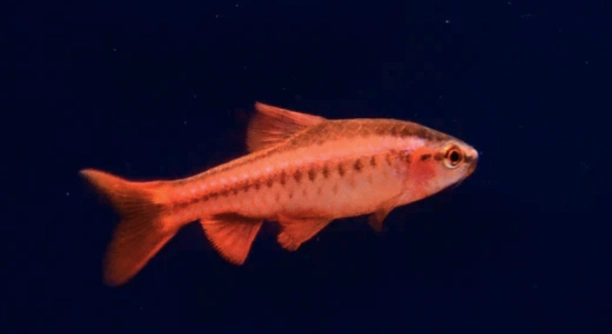
Cherry barbs are a popular freshwater fish for hobbyists, known for their lively nature and vibrant colors. Breeding these fish requires careful attention to their environment, including choosing the right plants for their habitat.
The best plants for cherry barb breeding provide natural cover, improve water quality, and encourage the fish to spawn. Plants like Java moss, Amazon sword, and hornwort are ideal for creating the right conditions for breeding.
Choosing the right plants can make a significant difference in the breeding success of cherry barbs. These plants not only help create a healthy environment but also ensure the fish feel comfortable and secure.
Java Moss: The Ideal Breeding Plant
Java moss is an excellent choice for cherry barb breeding because it provides dense cover and offers a natural breeding ground. This plant is easy to maintain and thrives in low light conditions, making it perfect for creating a secure environment for your fish. Cherry barbs tend to spawn within the moss, as the dense strands provide hiding spots for eggs and fry. It’s also an adaptable plant, growing in a variety of water conditions, which makes it a great fit for most freshwater setups. Java moss can be attached to rocks or driftwood, adding a natural aesthetic to the tank.
Java moss helps reduce stress for cherry barbs. Its dense structure mimics the fish’s natural habitat, making them feel more at ease during breeding. This plant is also known for absorbing excess nutrients from the water, which can improve water quality and help keep your aquarium cleaner.
When using Java moss for breeding, ensure it’s placed in a low-flow area. This will prevent the eggs from being swept away while still providing a place for fry to hide once they hatch. Keeping the moss well-maintained will also prevent it from becoming too tangled or dirty, ensuring it remains an effective breeding ground.
Amazon Sword: A Perfect Environment for Spawning
Amazon sword plants offer large leaves that create excellent cover for cherry barbs. These plants can grow quite tall, allowing fish to swim freely while still feeling protected in the tank.
Amazon swords help to maintain stable water parameters, which is crucial for cherry barbs during breeding. Their extensive root systems also help maintain a healthy substrate by absorbing excess nutrients and preventing algae growth. These factors are beneficial in promoting successful spawning, as cherry barbs need stable water conditions to reproduce. With their wide leaves, Amazon swords also provide additional hiding spots for eggs and fry.
Adding Amazon swords to your tank can make a noticeable difference in the behavior and health of your cherry barbs. They naturally provide a protective environment where the fish can feel secure and focus on breeding. The plant’s roots also help stabilize the tank’s ecosystem, providing long-term benefits for your fish.
Hornwort: The Floating Plant for Fry Protection
Hornwort is a floating plant that works well for cherry barb breeding because it provides cover without being rooted. Its long, feathery stems give fish a safe place to hide, and the structure is perfect for eggs and fry to settle into. Hornwort also grows quickly, which helps maintain water quality.
Hornwort’s ability to float freely in the water means it’s a great option for tanks with varying water conditions. It provides excellent cover for spawning and can be used to create shaded areas in the tank, reducing stress on the fish. The plant also helps absorb excess nutrients, preventing algae buildup.
Since it’s a floating plant, Hornwort doesn’t require special substrate, making it ideal for tanks where you want minimal fuss. It grows fast, so if you have an active breeding tank, it can provide constant cover and maintain water quality over time. Keeping it trimmed ensures it doesn’t block too much light from other plants in the tank.
Anubias: Low Maintenance and Safe for Fry
Anubias plants are hardy and easy to care for, making them a great choice for cherry barb breeders. These plants don’t require much light and can be attached to rocks or driftwood, allowing them to thrive in any aquarium.
Anubias plants are known for their thick, sturdy leaves that provide excellent hiding spots for both eggs and fry. The slow growth of Anubias means you won’t have to constantly trim it, which is a major plus when managing a breeding tank. Additionally, Anubias doesn’t require a lot of maintenance, so it’s a plant that works well in a low-maintenance setup.
Its hardy nature makes it perfect for keeping in tanks where conditions may fluctuate slightly. Anubias can handle lower light levels, moderate water temperatures, and a variety of water conditions, which makes it ideal for a beginner breeder. It will also thrive in tanks with cherry barbs, offering both cover and comfort for the fish during breeding.
Vallisneria: The Natural Spawning Site
Vallisneria is a great addition to any cherry barb breeding tank. Its long, ribbon-like leaves create a natural environment for the fish to spawn and provide excellent hiding spots for eggs and fry. This plant grows quickly, improving water quality and providing plenty of cover.
Vallisneria’s growth pattern allows it to spread across the tank, giving the fish ample space to swim while still feeling safe. It’s also a very low-maintenance plant, thriving in various water conditions and lighting levels. Vallisneria’s ability to adapt makes it an excellent choice for a breeding setup.
Cryptocoryne: Perfect for Stable Environments
Cryptocoryne plants are known for their resilience in stable aquarium environments. These plants grow slowly but provide excellent long-term coverage for both adult fish and fry, which is perfect for breeding setups.
Cryptocoryne plants have sturdy leaves that create natural shelters for eggs and baby fish. They are also very adaptable and can thrive in both low and medium-light aquariums. The slow growth means they won’t overcrowd the tank, making them ideal for smaller setups where space is at a premium.
Water Wisteria: Ideal for Tank Coverage
Water wisteria grows quickly and provides excellent tank coverage, which can be useful for cherry barb breeding. It also helps with water quality by absorbing excess nutrients.
FAQ
What plants are best for cherry barb breeding?
The best plants for cherry barb breeding include Java moss, Amazon sword, hornwort, Anubias, Vallisneria, and Cryptocoryne. These plants offer both cover for spawning and fry protection. They also help maintain water quality by absorbing excess nutrients and creating a natural habitat. Java moss and hornwort, for example, are great for creating a safe space where eggs and fry can develop without being disturbed.
Can I use artificial plants for breeding cherry barbs?
While artificial plants can be used in a cherry barb tank, live plants are always a better choice for breeding. Live plants help create a healthier environment by filtering water and providing natural hiding spots for eggs and fry. They also release oxygen and absorb carbon dioxide, benefiting both the fish and plants. Artificial plants may not provide the same level of protection or water quality improvement.
How do I set up the tank for cherry barb breeding?
To set up a breeding tank for cherry barbs, first, choose a 20-gallon tank or larger with stable water parameters. Ensure the temperature stays between 75°F and 80°F, and maintain a pH level of around 6.5 to 7.5. Add plants like Java moss and Amazon sword to provide hiding spots. Make sure to include some floating plants like hornwort for additional coverage. Set up a sponge filter to provide gentle water flow, preventing eggs and fry from being swept away.
How long does it take for cherry barbs to breed?
Cherry barbs are relatively easy to breed. After the fish are conditioned by a well-balanced diet, breeding can occur within a few days. The female will lay her eggs on plants, and the male will fertilize them. It usually takes around 24 to 48 hours for the eggs to hatch. However, depending on water temperature, it can take up to a week for the fry to emerge.
How do I know if my cherry barbs are ready to breed?
Cherry barbs typically become ready to breed when they reach 6 to 8 months of age. The male will display brighter colors and a more intense red hue, signaling his readiness to breed. The female will appear rounder as her eggs mature. Once the males begin chasing the females and displaying, it’s a clear indication that breeding is imminent.
Should I separate the male and female cherry barbs for breeding?
It’s not necessary to separate the male and female cherry barbs for breeding. In fact, the presence of both sexes together often encourages the breeding process. However, you may want to add a separate breeding box or a breeding net to protect the eggs and fry once they are laid. After fertilization, remove the adults to prevent them from eating the eggs or the newly hatched fry.
How can I protect the fry after they hatch?
After the eggs hatch, the fry are small and vulnerable. To protect them, remove adult cherry barbs from the tank once the spawning is complete. You can use plants like Java moss or hornwort to provide hiding spots for the fry. Keeping the water clean and free from debris is essential for their survival. A gentle sponge filter can help maintain water quality without disturbing the fry. You may also consider using a separate fry tank to help them grow without interference from adult fish.
What should I feed cherry barb fry?
Cherry barb fry can be fed infusoria or powdered fry food during the first few days after hatching. As they grow, you can begin offering them finely crushed fish flakes, baby brine shrimp, and micro worms. It’s essential to feed small amounts multiple times a day to keep the fry well-nourished and encourage healthy growth. As they mature, you can gradually increase the size of the food.
Can cherry barbs breed with other fish?
Cherry barbs typically do not breed with other fish species, as they are specific to their kind. However, it is possible for them to interact with other species in a community tank. Be mindful of tankmates, as aggressive fish might disturb the cherry barbs or eat their eggs and fry. Species like tetras, corydoras, and peaceful gouramis are good tankmates for cherry barbs during breeding.
Do cherry barbs need a specific light cycle for breeding?
While cherry barbs don’t require a specific light cycle for breeding, a consistent light-dark cycle can help trigger their reproductive behavior. Aim for around 10 to 12 hours of light per day. Providing natural light or gentle aquarium lights will encourage a more natural breeding response and help regulate their biological rhythms.
How can I tell if cherry barb eggs have been fertilized?
Fertilized cherry barb eggs will usually appear white or slightly cloudy. If the eggs remain clear or turn white, it likely means they haven’t been fertilized. The fertilized eggs will gradually change color as the embryos develop. After 24 to 48 hours, the eggs should hatch into fry. During this time, it’s important to maintain stable water conditions to ensure successful hatching.
Do I need to add extra filtration during breeding?
Extra filtration is not necessary during cherry barb breeding, but it is essential to have gentle filtration to avoid disturbing the eggs and fry. A sponge filter is ideal, as it provides both filtration and aeration without creating strong water currents. Strong filters can easily suck in the delicate eggs or fry, which can lead to loss.
Final Thoughts
Breeding cherry barbs can be a rewarding experience for aquarium hobbyists. With the right setup and a few simple precautions, you can encourage these beautiful fish to spawn and successfully raise their fry. Choosing the right plants for your tank is crucial to creating a safe and comfortable environment for both adult fish and their young. Plants like Java moss, Amazon sword, and hornwort provide the necessary cover and water quality improvements that support successful breeding. These plants help reduce stress, give the fish a natural place to hide, and provide protection for eggs and fry.
Cherry barbs are not difficult to breed once you understand their needs. By maintaining stable water conditions and providing a well-planted tank, you can encourage your cherry barbs to spawn. Remember to ensure the water temperature stays between 75°F and 80°F and keep the pH level within a range that is comfortable for the fish. Additionally, providing a balanced diet and removing adult fish after they have spawned will help protect the eggs and fry from being eaten. Keeping the tank clean and maintaining the proper light cycle will also promote a healthy breeding environment.
The key to successful cherry barb breeding is patience and attention to detail. As with any fish breeding project, it’s important to monitor the water conditions and make adjustments as needed. Providing a variety of plants and hiding spots will create a more natural environment, helping to reduce stress for the fish. Whether you’re new to breeding or an experienced hobbyist, following these simple guidelines will increase your chances of success and allow you to enjoy watching your cherry barbs grow from eggs to fully-formed fish.

Hello,
If you enjoy the content that we create, please consider saying a "Thank You!" by leaving a tip.
Every little bit helps us continue crafting quality advice that supports the health, happiness, and well-being of pets around the world, for pets of all shapes, sizes, and species.
We really appreciate the kindness and support that you show us!