
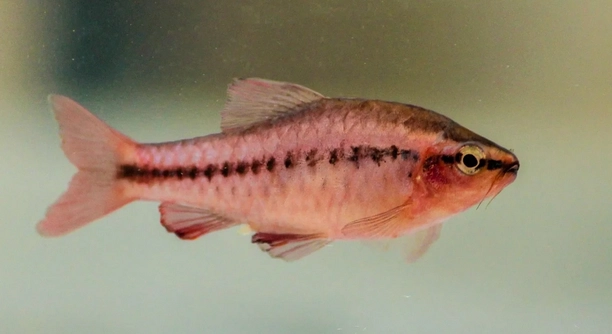
Are your cherry barbs often scattered around the tank, lacking the lively energy seen in well-balanced community setups with active schooling behavior?
Keeping cherry barbs in a proper school enhances their overall behavior, reduces stress, and promotes natural interactions. A well-sized group improves social dynamics, encourages vivid coloration, and helps maintain a healthier aquarium environment.
Understanding these benefits can help you create a more harmonious tank and support your cherry barbs’ long-term well-being.
Encourages Natural Behavior
Cherry barbs feel more secure and act more naturally when kept in groups of six or more. In a small school, they display brighter colors, active swimming patterns, and consistent foraging behavior. Their interactions become more balanced, reducing aggressive or anxious tendencies. This setup mimics their natural habitat, where they live among plants and fellow barbs in slow-moving waters. Housing them alone or in pairs can lead to stress, dull coloring, or hiding. In contrast, a school allows them to establish a peaceful social structure, increasing their confidence and overall activity levels. These benefits are especially noticeable in a planted tank, where the fish have places to explore and interact. When cherry barbs thrive together, it creates a more engaging tank to observe and maintain. Watching them dart through plants or follow one another across the aquarium can be both calming and rewarding for anyone who keeps them.
A school gives cherry barbs a chance to express behaviors that would otherwise stay hidden in smaller groups.
Keeping cherry barbs in a school also reduces the chances of nipping or bullying. While they are generally peaceful, isolated individuals may display more territorial actions. With more companions, their energy shifts toward swimming in sync and exploring the tank instead of chasing others. This calmer behavior benefits any other tankmates and keeps stress levels low. You’re more likely to see playful schooling patterns and group movement that reflect a healthy, balanced environment. Their vibrant red and orange colors become more vivid too, making the aquarium more visually appealing. Group life not only supports their mental and physical health but also makes daily observation more enjoyable.
Reduces Stress and Aggression
A proper group size helps reduce anxiety in cherry barbs. Fish kept alone or in small numbers are more likely to stay hidden.
Cherry barbs in a school form a subtle hierarchy that stabilizes over time. This reduces the need for repeated displays of dominance or territory defense. In small or unbalanced groups, these displays may escalate into fin-nipping or other stress-related behaviors. A larger group helps distribute social interactions evenly, making it easier for shy individuals to find their place without being targeted. They also benefit from the calming presence of tankmates, which keeps them feeling secure. The result is a more relaxed aquarium with fewer conflicts and more synchronized swimming. When barbs feel safe, they spend more time exploring and less time hiding. This helps ensure they eat regularly, move freely, and avoid stress-related health issues. It’s easier to support their well-being when they have constant, low-stress social interaction.
Strengthens Immune Health
Cherry barbs kept in a group tend to experience fewer stress-related illnesses. Stable social interaction supports both their behavior and immune function. Less stress means fewer issues like fin rot or other bacterial infections that weaken their condition.
When cherry barbs feel secure in a group, their stress levels drop, allowing their immune systems to function properly. Isolated fish often show signs of poor health over time, from pale coloring to sluggish movement. In contrast, school-kept barbs stay active and maintain healthy appetites. This consistency in behavior supports digestion, energy levels, and natural resistance to disease. A low-stress setup also reduces the chances of injury from chasing or aggression. Fish that feel calm are more likely to rest well and recover quickly if minor injuries occur. Overall, having multiple barbs together helps promote a clean, balanced tank and stronger immune function across the group.
Healthy cherry barbs are more resilient to changes in their environment. Fluctuations in water quality or temperature are less likely to trigger illness when their immune systems are supported by social comfort. Group living also encourages routine behavior like feeding at regular times, which keeps their digestive systems stable. Fish in schools tend to be more responsive to their surroundings and less likely to develop erratic behavior. This makes it easier to spot health problems early. If one barb starts acting unusually, it stands out among the group, giving you a chance to respond before the issue spreads. Stable group behavior supports long-term health in a community tank.
Improves Tank Aesthetics
A school of cherry barbs brings constant motion and color to the aquarium. Their red and orange shades stand out beautifully, especially when they move together. Watching them swim in sync adds visual balance to planted setups.
Cherry barbs in groups add a sense of rhythm to your tank. Instead of darting alone or hiding, they swim as a unit, creating movement that makes the tank feel more alive. They interact with their environment, dart through openings, and often follow each other around ornaments and plants. Their body shape and reflective scales catch the light, especially when they’re healthy and well-fed. A group of active, colorful fish becomes a focal point that complements tank layout and decorations. Balanced activity reduces empty-looking spots and gives a more natural sense of flow across the tank. Schools help complete the scene in ways a single fish cannot.
Enhances Social Structure
Cherry barbs rely on group interaction to develop a stable social order. In a school, each fish finds its place, which reduces tension and builds predictable routines. This balance supports their natural rhythm and daily activity.
With more barbs present, no single fish is overwhelmed or isolated. This shared attention prevents dominance issues and allows for peaceful group dynamics.
Encourages Active Swimming
A school gives cherry barbs the confidence to explore every part of the tank. They are naturally active swimmers but often hesitate when alone or in small numbers. When surrounded by others, they move with ease and display their full range of movement. You’ll notice more group chases, playful loops, and synchronized direction changes. These behaviors aren’t just engaging to watch—they’re also signs of comfort and security. Cherry barbs enjoy darting between plants, swimming in open water, and pausing together near calm spots. Their constant activity helps with oxygen flow, encourages appetite, and contributes to a livelier, more balanced aquarium setup.
Supports Peaceful Community Living
Cherry barbs are less likely to cause conflict in a community tank when kept in a school. Their energy stays focused on each other, not on harassing other species.
FAQ
What is the ideal group size for cherry barbs?
A group of at least six cherry barbs is recommended for optimal health and social behavior. With fewer than six, the barbs may feel more stressed and less secure. Larger groups allow them to interact naturally, reducing anxiety and promoting more vibrant coloring and better overall health. A school size of 8-10 can also provide a better experience for both the fish and the owner, offering a more dynamic and peaceful display.
Can cherry barbs live alone or in pairs?
While cherry barbs can technically survive in pairs or alone, this setup is not ideal. They are social fish and thrive in groups, as being alone or in small numbers can lead to stress, territorial behavior, and poor health. It’s best to keep at least six in a group for their mental well-being and to observe their natural, lively behavior.
Are cherry barbs compatible with other species in a community tank?
Yes, cherry barbs are generally peaceful and get along well with many other species in a community tank. They are small and non-aggressive, which makes them a good fit for tanks with other calm fish. However, it’s important to avoid keeping them with overly aggressive or much larger fish, as they could become stressed or even injured. Cherry barbs do best with other peaceful species such as tetras, guppies, and small catfish.
What should I feed cherry barbs?
Cherry barbs are omnivores and will eat a variety of foods, including high-quality flakes, pellets, and live or frozen foods like brine shrimp, daphnia, or bloodworms. A varied diet will help them maintain vibrant colors and good health. Be sure to feed them small amounts multiple times a day to prevent overfeeding, which can lead to water quality issues.
How often should I feed cherry barbs?
Feed cherry barbs once or twice a day, offering only as much food as they can consume in a few minutes. Overfeeding can cause water quality problems and health issues. It’s important to remove any uneaten food after feeding to avoid contamination. They are fast eaters, so don’t be surprised if they finish their meals quickly.
What water conditions do cherry barbs prefer?
Cherry barbs prefer slightly acidic to neutral water with a pH range of 6.5 to 7.5. They thrive in temperatures between 72°F and 80°F (22°C to 27°C). Good water quality is essential for their well-being, so regular water changes and proper filtration are necessary. Keep the water clean and stable to avoid stressing the fish.
Do cherry barbs require a filter?
Yes, a filter is essential for keeping the water clean and providing proper oxygenation. Cherry barbs are sensitive to poor water quality, so having a filter ensures that toxins like ammonia and nitrites are removed, and the water remains safe for the fish. Regular water changes in addition to a good filtration system will help maintain optimal conditions for your barbs.
What are some signs of stress in cherry barbs?
Signs of stress in cherry barbs include pale or faded colors, erratic swimming, hiding frequently, or decreased appetite. Stress can be caused by factors such as poor water quality, overcrowding, aggression from tankmates, or a lack of hiding places. If you notice any of these signs, check the tank’s water parameters, reduce tankmate aggression, or increase the number of barbs in the group.
How do cherry barbs reproduce?
Cherry barbs are egg layers and will breed in the right conditions. To encourage breeding, provide a well-planted tank with plenty of hiding spots. Spawning usually occurs early in the morning, and the eggs are laid on plants or the substrate. After spawning, the adults should be removed to prevent them from eating the eggs. The eggs will hatch in 2-3 days, and the fry will need small foods like infusoria or baby brine shrimp.
Can cherry barbs breed in a community tank?
Breeding cherry barbs in a community tank can be tricky, as the eggs may be eaten by other tankmates. If you’re hoping to breed them, it’s better to have a separate breeding tank or at least remove the adults after they lay eggs. However, if the tank is large enough with plenty of hiding places, successful breeding may occur, but the fry’s survival rate will be lower in a busy community tank.
Are cherry barbs hard to care for?
Cherry barbs are relatively easy to care for, especially if their water conditions are maintained correctly. They are hardy fish, making them suitable for beginners. Regular water changes, proper filtration, and a balanced diet are key to their long-term health. They do best when kept in a school and with peaceful tankmates. As long as you meet their basic needs, they should thrive.
Can cherry barbs tolerate low light?
Cherry barbs do well in low to moderate light conditions. However, like most fish, they do better in tanks with natural light or low-intensity aquarium lighting. Too much light can encourage algae growth and stress out your fish. Moderate lighting promotes healthy plant growth and creates a natural environment for the barbs, allowing them to display their best colors.
Do cherry barbs need plants in their tank?
While cherry barbs don’t require plants in their tank, having them makes the environment more suitable and enriching. Plants provide hiding spots, create a more natural setting, and help maintain stable water conditions. Cherry barbs love swimming through plants, so including a mix of floating and rooted plants will improve their overall well-being and give them more places to explore.
What is the lifespan of cherry barbs?
Cherry barbs typically live for about 3 to 5 years, although they can live longer with excellent care. To ensure they reach their full lifespan, provide a stable environment with good water quality, a varied diet, and a peaceful community tank. Stress, poor water conditions, and neglect can shorten their lifespan.
Can cherry barbs live in saltwater?
Cherry barbs are freshwater fish and should not be kept in saltwater tanks. Saltwater will harm them, leading to stress, illness, and potentially death. Ensure their environment mimics their natural freshwater habitat, with suitable pH, temperature, and water hardness for them to thrive. Keep them in a well-maintained freshwater tank for optimal health.
Final Thoughts
Cherry barbs are a great choice for anyone looking to add vibrant, peaceful fish to a community tank. They thrive in groups and, when cared for properly, are hardy and easy to maintain. With their active swimming habits and bright coloration, they can bring life to any aquarium. These small, peaceful fish don’t demand much in terms of tank conditions but do better in stable environments where their basic needs are met. They prefer slightly acidic to neutral water and a temperature range of 72°F to 80°F, with regular water changes to keep their environment healthy.
The social nature of cherry barbs makes them ideal for community tanks, as they tend to coexist well with many other species. They are non-aggressive and enjoy being in schools, which also helps them display more natural behaviors. While they may not do well alone or in pairs, when kept in schools, they are active, colorful, and engaging. In a peaceful, well-maintained tank, these barbs will live happily for several years, making them a long-lasting addition to your aquarium setup. Whether you’re a beginner or an experienced fish keeper, cherry barbs are a reliable choice for adding color and movement to your tank.
If you’re considering cherry barbs for your tank, it’s important to provide a suitable environment that meets their needs. A larger group, balanced water parameters, and a varied diet are key factors to ensuring their health and happiness. Cherry barbs do best in planted tanks with plenty of hiding spaces and room to swim freely. Regular care and attention to their needs will allow them to thrive and show their full potential. With the right setup, cherry barbs can be a beautiful and peaceful addition to any aquarium.

Hello,
If you enjoy the content that we create, please consider saying a "Thank You!" by leaving a tip.
Every little bit helps us continue crafting quality advice that supports the health, happiness, and well-being of pets around the world, for pets of all shapes, sizes, and species.
We really appreciate the kindness and support that you show us!