
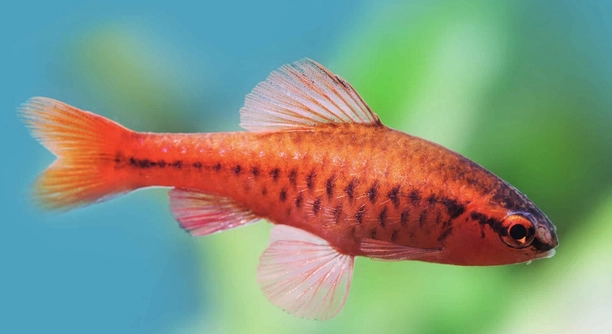
Cherry Barbs are popular aquarium fish that can thrive in a variety of setups. However, when kept in overfiltered tanks, they face several challenges that may affect their health and overall well-being.
Overfiltered tanks create excessive water movement, which can stress Cherry Barbs. They prefer calm waters, and high filtration can interfere with their ability to swim comfortably, potentially leading to exhaustion and health problems.
Understanding these issues can help you adjust your aquarium setup to ensure Cherry Barbs stay healthy and stress-free. Keep reading to learn more about how overfiltered tanks affect them.
Excessive Water Movement
Cherry Barbs prefer calm water environments, which makes overfiltered tanks a problem for them. Overfiltration causes water to flow too fast, creating strong currents that can make swimming difficult. When the water moves too quickly, Cherry Barbs can become stressed and tire more easily. They may struggle to find calm spots, which can lead to exhaustion over time. In the wild, they swim in slow-moving streams or still waters, so they are not naturally adapted to handle strong currents.
Even though overfiltered tanks provide cleaner water, the rapid flow can overpower a Cherry Barb’s ability to maintain its normal activity levels. Keeping their environment balanced with moderate filtration can significantly improve their overall health and happiness.
Maintaining a steady flow with less aggressive filtration will give Cherry Barbs a chance to enjoy their habitat. Instead of fighting strong currents, they will feel more at ease and able to explore and interact with their environment.
Oxygen Levels and Water Quality
The balance of oxygen in a tank is crucial for all fish, including Cherry Barbs. In overfiltered tanks, while filtration helps with water cleanliness, it can also lead to oxygen fluctuations. When the flow is too high, oxygen can become concentrated in certain areas, leaving others with lower levels.
This creates an unstable environment that may affect Cherry Barbs’ ability to breathe properly. A well-maintained aquarium with proper filtration and aeration is essential to keeping oxygen levels consistent. Fish like Cherry Barbs rely on stable oxygen levels to support their basic functions, such as swimming and feeding. If they are unable to breathe well, they will likely show signs of distress, including rapid gill movement or swimming erratically.
Keeping the tank’s filtration system balanced to ensure proper oxygen flow can prevent these issues. Adding plants and airstones can help distribute oxygen evenly, providing an optimal environment for Cherry Barbs.
Stress from Constant Motion
Cherry Barbs are sensitive to stress, and overfiltered tanks make them more vulnerable. Constant strong currents can wear them down over time. They may find it difficult to find peaceful spots, leaving them exhausted and anxious. This stress can suppress their immune system, making them more prone to disease.
In nature, Cherry Barbs swim in calm waters where they can move freely without resistance. They rely on stable environments to feel safe and healthy. When forced into strong currents, they might become more aggressive or hide to avoid constant movement. This can disrupt their behavior and social interactions.
Stress caused by overfiltration can also lead to a decrease in appetite, making it harder for them to stay nourished. This can result in poor growth or weakened fish over time. A calmer tank environment will help reduce these risks and provide a better life for your Cherry Barbs.
Inconsistent Water Parameters
Overfiltered tanks can cause fluctuating water parameters, which is not ideal for Cherry Barbs. When the filtration system is too powerful, it can lead to rapid changes in water temperature, pH, or hardness. These inconsistencies can stress out the fish, making them more vulnerable to illness.
Cherry Barbs do best in stable conditions. Rapid shifts in water quality can have a negative impact on their health. If you notice frequent swings in temperature or pH, this can be an indication that the filtration system is too strong. These sudden changes cause unnecessary stress, leaving Cherry Barbs unable to adjust quickly.
To avoid this, it’s essential to monitor your tank regularly and adjust the filtration system to ensure it is not creating harmful fluctuations. Adding plants or decorations can help create areas of calm where the fish can escape the stronger water flow.
Difficulty Finding Resting Spots
Cherry Barbs need quiet places to rest and feel safe. In tanks with strong filtration, it becomes harder for them to find calm areas. Constant water movement can leave them searching for somewhere peaceful to rest, which can lead to tired, stressed fish.
Without these resting spots, they are more likely to swim aimlessly or hide to avoid the currents. This lack of relaxation can negatively affect their overall well-being and disrupt their normal behaviors. Providing areas of calm in the tank helps give them space to recover from the strain of constant motion.
Limited Feeding Opportunities
In tanks with high water movement, Cherry Barbs may also struggle to feed properly. The strong currents can cause food to be swept away quickly, making it harder for the fish to catch it. This can lead to underfeeding, affecting their growth and health.
Overfiltered tanks, while good for water quality, can unintentionally disrupt feeding habits. Cherry Barbs prefer to search for food slowly and methodically, but constant movement limits this. Using a feeding ring or distributing food in calmer areas can ensure that they get their fair share without the struggle.
Difficulty with Socializing
Cherry Barbs are social fish that thrive in groups. However, excessive water movement can disrupt their social interactions. When the current is too strong, it might push them apart or prevent them from interacting as they normally would. This isolation can cause additional stress.
FAQ
What is the ideal water flow for Cherry Barbs?
Cherry Barbs thrive in slow to moderate water flow. They prefer calm, still waters similar to their natural habitat, where they can swim easily without being pushed around. Strong currents can cause stress, making it hard for them to rest or swim comfortably. A gentle filtration system that doesn’t cause turbulence in the tank will work best. Aim for a flow that keeps the water clean without disturbing the fish’s comfort.
Can Cherry Barbs live in tanks with overpowered filters?
While it is technically possible, it’s not ideal. Overpowered filters create high water movement, which is stressful for Cherry Barbs. They are better suited to peaceful environments. If the tank’s filtration system is too strong, consider using a sponge filter or adjusting the filter’s flow rate to suit their needs.
How can I tell if the filtration is too strong for my Cherry Barbs?
If your Cherry Barbs are constantly swimming against the current, hiding more than usual, or seem stressed, the water flow is likely too strong. You might notice them struggling to swim, losing interest in food, or becoming more aggressive toward other tank mates. Another indicator is if the fish are often pushed around by the water or seem exhausted.
What happens if the water flow is too strong for Cherry Barbs?
When the water flow is too strong, Cherry Barbs will struggle to swim, find resting spots, and socialize. It can lead to exhaustion, poor health, and stress-related illnesses. Chronic stress can weaken their immune system, leaving them vulnerable to infections. They might also lose interest in feeding, affecting their growth and overall vitality.
Should I remove the filter entirely to reduce water movement?
Removing the filter entirely is not recommended, as it will lead to poor water quality, which can be harmful to your fish. However, you can switch to a gentler filtration system like a sponge filter, which provides filtration without creating excessive water movement. Regular maintenance of your filter will also help keep the water clean without compromising the fish’s comfort.
Can I add decorations to slow the current for my Cherry Barbs?
Yes, adding decorations like plants, rocks, or driftwood can help slow the water movement. These items create natural barriers that break up the current, giving the Cherry Barbs areas of calm. Just make sure the decorations are placed strategically to offer shelter and resting spots without overcrowding the tank.
How do I adjust the water flow in my tank?
Many filters have adjustable flow rates. If your filter is too strong, try reducing the flow to a level that is more comfortable for your Cherry Barbs. You can also place a sponge or pre-filter over the intake to soften the current. If your filter isn’t adjustable, consider switching to one that offers a gentler flow.
What are the signs of stress in Cherry Barbs?
Signs of stress include erratic swimming, hiding more than usual, loss of appetite, or aggression toward tank mates. You may also notice that they are not schooling or engaging with other fish as they normally would. Excessive gill movement and faded colors are also common signs of stress.
Can overfiltered tanks affect Cherry Barbs’ immune system?
Yes, stress from overfiltered tanks can weaken a Cherry Barb’s immune system. Chronic stress prevents them from being able to fight off infections and diseases effectively. A stressed fish is more prone to illness, so it’s essential to maintain a calm, balanced environment to keep their immune system strong.
Do Cherry Barbs need a specific type of filter?
Cherry Barbs don’t require a specific filter, but a gentle filtration system is best. A sponge filter or a filter with an adjustable flow rate will work well, as it doesn’t create strong currents. Filters that cause turbulence or disrupt water stability are unsuitable for these sensitive fish.
How often should I clean the filter if I have Cherry Barbs?
Cleaning the filter is essential to maintain water quality. In tanks with Cherry Barbs, you should clean the filter every 2 to 4 weeks, depending on the size of the tank and the bio-load. Be careful not to overclean, as this can disturb the beneficial bacteria. Regular maintenance ensures good water flow without excessive filtration.
Can I add more plants to slow the water movement?
Yes, plants can help slow the water movement and provide a natural environment for Cherry Barbs. Plants create calm spots and offer hiding places, making the fish feel more secure. Fast-growing plants like water wisteria or java moss can also help absorb nutrients and improve water quality.
Final Thoughts
Overfiltered tanks can pose significant challenges for Cherry Barbs. These small fish prefer calm waters, and when the water flow is too strong, it can cause them stress, disrupt their behavior, and make it harder for them to feed and rest. While a good filtration system is essential for keeping the tank clean and healthy, it’s crucial to ensure that the flow doesn’t create an environment that is too turbulent for your fish. Cherry Barbs are naturally found in slow-moving waters, so replicating these conditions in an aquarium is key to their well-being.
To provide a better habitat for Cherry Barbs, consider using a filter that allows for adjustable flow rates or opt for a gentler filtration system, such as a sponge filter. Adding decorations like rocks and plants can also help break up the water flow, creating calm areas where the fish can retreat to rest. Monitoring the water movement regularly and adjusting the flow accordingly will help keep the Cherry Barbs comfortable. A little extra effort in adjusting the tank’s environment can make a big difference in keeping these fish healthy and happy.
Remember, the well-being of your Cherry Barbs depends on more than just water cleanliness. It’s important to balance water quality with the right flow, making sure the fish have the space they need to swim, feed, and socialize without the strain of excessive currents. By being mindful of the filtration system and water movement, you can provide a peaceful, stress-free environment for your Cherry Barbs to thrive in. A properly set up tank ensures that your fish live a long, healthy life, with all their natural behaviors intact.

Hello,
If you enjoy the content that we create, please consider saying a "Thank You!" by leaving a tip.
Every little bit helps us continue crafting quality advice that supports the health, happiness, and well-being of pets around the world, for pets of all shapes, sizes, and species.
We really appreciate the kindness and support that you show us!