
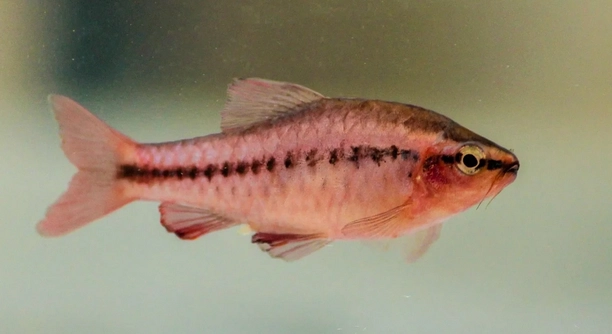
Have you ever watched your cherry barb swimming around and noticed it pecking at the bottom of the tank?
If a cherry barb eats sand, it may face digestive issues such as blockages or impaction, especially if the sand is not fine or smooth. These complications can lead to discomfort, stress, and, in severe cases, death.
Understanding how substrate choice impacts your fish’s health can help you create a safer environment and avoid preventable issues in your aquarium setup.
Why Sand Can Be a Problem for Cherry Barbs
Cherry barbs are curious fish that enjoy picking at their surroundings, especially the bottom of the tank. When kept in an aquarium with sand as the substrate, they may accidentally ingest some of it while foraging. Fine, smooth sand usually passes through their system without causing issues. However, larger or rougher grains can lead to blockages in the digestive tract. This can cause discomfort, constipation, and potentially life-threatening problems. Unlike some bottom-dwelling species, cherry barbs are not equipped to process substrate materials. Their bodies are not adapted to sift through sand safely, making it a risky environment if the substrate is not chosen carefully. Fish keepers often overlook this detail, thinking sand is always a gentle option. But it’s important to match the tank environment to the species. Small mistakes like this can result in stress for your fish or expensive vet visits.
Choosing the right substrate helps prevent unnecessary health concerns for your fish.
Many cherry barb owners don’t notice a problem until the fish begins acting differently. Signs like bloating, odd swimming behavior, or refusal to eat can all point to a blockage. Fish might appear to strain during digestion or spend more time near the surface, avoiding the bottom. These behaviors are easy to miss or mistake for something else, especially in a busy home. If sand is suspected as the cause, it’s best to remove the fish from the tank and consult a vet with aquarium experience. X-rays and tests may be needed to confirm what’s going on internally. Prevention is far easier than treatment in these cases. Switching to a finer, aquarium-safe sand or smooth gravel is a simple way to keep your fish healthy. Adding live plants and decorations can also keep them entertained without risking their health on questionable substrates.
What You Can Do to Keep Your Cherry Barb Safe
Choose a soft, fine-grain sand made for aquariums to reduce risk. Avoid playground or builder’s sand, which can be too rough.
Maintaining a clean tank with safe substrate is one of the easiest ways to protect your cherry barb. While it might be tempting to go for certain aesthetic looks, always prioritize safety over appearance. Watch how your fish interact with the bottom of the tank. If you see them constantly picking at it or showing signs of distress, it may be time to reevaluate your setup. Avoid using large-grain sand or coarse gravel, as these can be hazardous when ingested. Instead, opt for smooth options like polished gravel or well-reviewed aquarium sands designed for tropical fish. Regular water changes and substrate vacuuming also reduce the chance of your fish mistakenly ingesting harmful debris. Providing a balanced diet and enough stimulation through plants and safe decorations can keep them active and less likely to nibble on the substrate. Taking small steps makes a big difference in their comfort.
Signs Your Cherry Barb Might Have Eaten Sand
If your cherry barb has eaten sand, you might notice signs like bloating, sluggish movement, or less interest in food. These symptoms often appear slowly, making them easy to miss if you’re not watching closely.
Behavioral changes are usually the first clue. A cherry barb that was once active may begin hiding or swimming oddly, especially near the top of the tank. You might see it avoiding the bottom altogether or showing signs of strain when trying to eat or pass waste. Sometimes the belly will appear swollen, and the fish may look like it’s struggling to stay upright. These signs don’t always mean it’s a sand blockage, but when paired with a sand-based substrate, it’s worth considering. Observing your fish daily can help catch these early changes, giving you more time to take action before the issue becomes serious.
If you suspect your fish has eaten sand, stop feeding it for a short period and monitor its condition. Isolating the fish in a bare-bottom tank can help you watch its waste more clearly. If things don’t improve in 24–48 hours, reach out to a vet who understands fish. They may recommend imaging to see if anything is stuck. At home, don’t try to force treatment, as this can do more harm. Instead, focus on prevention moving forward—switch the substrate if needed and avoid foods that sink into the sand. The goal is to create a tank setup that keeps your fish safe and reduces the chance of this happening again.
Safe Substrate Alternatives for Cherry Barbs
Switching to a safer substrate can reduce the risk of accidental sand ingestion. Polished gravel, smooth pebbles, or specialized aquarium sand are good options that look natural and are easier for cherry barbs to live with.
Polished gravel is a great choice because it doesn’t break down or stick to food the way rough sand does. Smooth pebbles can also work well, especially if your cherry barbs are kept with other peaceful species. Just make sure the gaps between the pebbles aren’t big enough to trap food or waste. Aquarium sands made for tropical fish are usually fine-grained and safe, but always rinse them before use to remove dust. Some keepers prefer planted tank soil, which also benefits live plants and helps maintain water balance. Whatever you choose, the main goal is to keep your fish from accidentally swallowing sharp or large particles. Substrate isn’t just decoration—it affects your fish’s health more than you might think.
How to Monitor Your Tank More Closely
Watch how your cherry barb behaves after feeding. If it pecks at the substrate often, it may be mistaking debris for food. Keep an eye on its belly for swelling or signs of discomfort during digestion.
Clean your tank regularly. Use a siphon to vacuum the substrate without disturbing your fish too much. Remove leftover food quickly so your barb doesn’t go looking for it in the sand. Consistent upkeep lowers the chances of problems starting in the first place.
When to Remove Sand Altogether
If you’ve had repeated problems or your cherry barb continues to show signs of digestive stress, it might be time to remove the sand completely. Switching to a bare-bottom tank or using a thin layer of smooth gravel can make monitoring easier and lower health risks. Bare-bottom tanks are easy to clean, and you can spot waste and changes in behavior more quickly. While it may change the look of your tank, it gives you peace of mind knowing your fish is in a safer environment. Make changes gradually to reduce stress, and always check water parameters during any transition.
Final Thoughts on Substrate Safety
Substrate choices affect your fish more than most people realize. Paying attention to what’s in your tank helps keep your cherry barbs safe, healthy, and active.
FAQ
Can sand harm cherry barbs even if it’s labeled “aquarium-safe”?
Yes, even aquarium-safe sand can cause issues if it’s not the right type for your fish. Fine, smooth sand is less risky, but it can still lead to problems if your cherry barb ingests too much of it. They’re not bottom feeders, so their digestive systems aren’t designed to pass substrate. Just because sand is labeled safe doesn’t mean it’s suitable for every fish species. It’s always a good idea to observe how your fish behaves with the substrate and make changes if necessary.
What are the best substrate choices for cherry barbs?
Polished gravel, small smooth pebbles, or fine-grain tropical fish sand are some of the better options. These are less likely to be swallowed and are easier to keep clean. Bare-bottom tanks are also an option, especially for those who want to keep things simple and low-risk. Make sure whatever you choose is easy to vacuum and doesn’t trap waste or food. Keeping your tank clean helps reduce health problems caused by substrate ingestion.
How can I tell if my cherry barb is eating sand?
It’s not always obvious. You might notice your barb pecking at the bottom of the tank more than usual. Over time, signs like bloating, constipation, or changes in swimming behavior may appear. The fish might look uncomfortable or stop eating. If your substrate is sand and your fish is showing these signs, it’s possible sand ingestion is the cause. Monitoring your fish daily makes it easier to spot problems early.
Should I switch substrates immediately if I think sand is causing a problem?
Not always immediately, but definitely soon. A sudden change can stress your fish, especially if it affects water chemistry. If your fish is still eating and swimming normally, you can plan the change and do it gradually. Start by removing small amounts of sand during water changes and replace it with the new substrate over time. This helps keep your fish comfortable and avoids shock.
Can cherry barbs recover after eating sand?
Yes, many do—especially if the amount ingested is small and passes on its own. A healthy fish with a strong immune system may recover without intervention. However, if symptoms get worse or last more than a day or two, it’s best to get advice from a vet. Keeping your barb in a stress-free, clean tank can help support recovery.
Is it okay to mix sand with gravel in a cherry barb tank?
It depends on the type. Mixing fine sand with larger gravel can cause the sand to settle under the gravel, making cleaning difficult and trapping waste. If you mix substrates, use similar grain sizes and clean them often. Mixing might work visually, but if it increases the risk of your cherry barb eating something harmful, it’s not worth it.
Do cherry barbs eat sand on purpose?
Not really. Cherry barbs aren’t like bottom-dwellers who sift through substrate for food. They may accidentally pick up sand while looking for bits of food that have sunk. It’s unintentional, but it can still be dangerous. That’s why it’s important to feed them properly and keep the bottom of the tank clean.
How can I keep my cherry barbs from pecking at the substrate?
Give them enough food that floats or sinks slowly, and make sure it’s the right size for their mouths. Cherry barbs enjoy swimming in the middle of the tank, so placing food where they naturally feed helps. You can also distract them with plants and floating food so they don’t go scavenging on the bottom as often.
Is it safe to keep other fish with cherry barbs if I use sand?
That depends on the species. Some fish, like corydoras, are better suited to sandy tanks and won’t have problems with sand. Others, like cherry barbs, might not handle it well. If you want to keep different species together, make sure the setup suits all of them. A tank that works well for one fish could be harmful to another.
How often should I clean sand in a cherry barb tank?
At least once a week during water changes. Use a gravel vacuum or siphon to gently remove waste from the top layer without sucking up too much sand. Stirring the sand lightly can help release trapped gases and debris, but do it carefully to avoid stressing your fish. Regular cleaning keeps the tank safe and reduces the chance of your barb eating leftover particles.
Final Thoughts
Cherry barbs are peaceful and easy-to-care-for fish, but their environment plays a big role in how healthy and happy they stay. One small detail, like the type of sand or gravel in the tank, can have a big impact over time. While sand might seem like a soft and natural choice, it’s not always the best option for every fish. Cherry barbs don’t have the same traits as bottom-dwelling species that are built to handle bits of substrate in their diet. If they pick up sand while searching for food, they may end up with digestion issues that can be serious if not caught early. Choosing the right substrate from the beginning helps prevent stress, illness, and even costly vet visits.
Watching how your fish act around the bottom of the tank can tell you a lot. If they seem to be pecking a lot, acting sluggish, or developing a swollen belly, it could be a sign that something is wrong. Even if you’re using aquarium-safe sand, it doesn’t always mean it’s safe for cherry barbs specifically. Paying attention to details like this makes a big difference. A healthy tank isn’t just about clean water—it’s also about creating an environment that suits the natural behavior of your fish. If something as small as the sand is affecting their well-being, it’s worth adjusting. These little choices help keep your fish active and free from unnecessary discomfort.
Making changes to your setup doesn’t have to be difficult. If your current substrate is causing problems, you can start switching it out slowly. A bare-bottom tank or smooth, polished gravel can be just as attractive, and they are often much easier to clean. There are many safe substrate choices available that still look good and reduce the risk of ingestion. Taking the time to understand what your fish need—and removing anything that could harm them—shows care and attention to detail. Your cherry barbs rely on you to keep their space safe. With regular cleaning, thoughtful feeding habits, and the right substrate, you can create a comfortable tank where your fish stay active and stress-free. Small changes go a long way when it comes to keeping your aquarium healthy.

Hello,
If you enjoy the content that we create, please consider saying a "Thank You!" by leaving a tip.
Every little bit helps us continue crafting quality advice that supports the health, happiness, and well-being of pets around the world, for pets of all shapes, sizes, and species.
We really appreciate the kindness and support that you show us!