
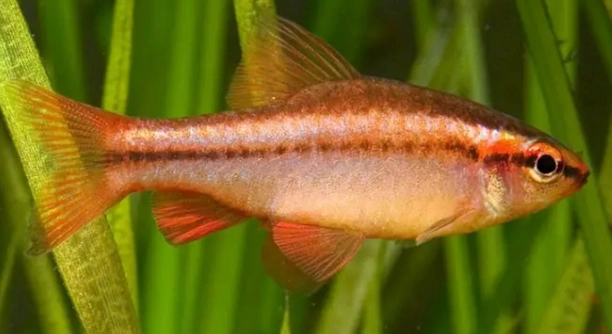
Are your cherry barbs swimming in circles or hanging around looking bored? Keeping them active helps support their health and well-being. With just a few tricks, you can create a fun and engaging space for them.
Cherry barbs benefit from a stimulating environment that includes live plants, interactive feeding strategies, and rotating décor. These features encourage exploration, reduce stress, and promote natural behavior. Activity-based enrichment supports overall health and reduces territorial aggression in community tanks.
These seven tricks will help you build a livelier tank where your cherry barbs stay active, engaged, and visually more vibrant every day.
Add Live Plants for Exploration
Live plants are one of the best ways to keep cherry barbs curious and active. Plants like java fern, anubias, or hornwort provide shelter and allow fish to swim through or hide. These natural elements mimic their native habitat and help reduce stress. Plants also improve water quality by offering extra filtration and oxygenation, which benefits overall health. Rotating plant placements every few weeks encourages your cherry barbs to explore new areas of the tank. Watching them navigate between leaves and stalks can also give you a better idea of how relaxed and active they feel in their space.
Cherry barbs become more active in planted tanks. They dart between leaves and rest near the base, showing comfort and energy.
Choose hardy plants that don’t need too much light or extra care. Trim them regularly to prevent overcrowding, and rinse them before placing them in the tank. This small change supports natural behaviors.
Use Feeding Time as Play
Feeding time can be more than just dropping pellets in the water. With a little effort, you can turn it into a fun and interactive part of your cherry barbs’ day.
Try scattering food in different areas of the tank instead of placing it in one spot. Use floating foods or sinking pellets to encourage a variety of movement. This keeps the fish active as they search and compete gently, mimicking foraging in the wild. You can also introduce feeding rings or slow-release feeders to stretch out their feeding time and encourage more interaction with their environment. Varying the type of food — like flakes, micro-pellets, or even frozen brine shrimp — adds novelty. Just be sure to use small portions to avoid overfeeding and water issues. These feeding strategies give your cherry barbs something to look forward to, and you’ll notice increased swimming activity shortly after feeding.
Rearrange Tank Décor Regularly
Moving decorations around helps break up routine and encourages new exploration. Cherry barbs respond well to changes in their space, especially when objects like driftwood, rocks, or caves are shifted or rotated.
When you rearrange tank décor, it creates fresh hiding spots and changes the flow of water and light. This shift helps reduce boredom and supports more movement across the tank. Cherry barbs may re-establish territory or interact with new objects, which keeps their activity levels high. Try rotating items every two weeks and observe how their behavior changes. These small adjustments can also help with aggression, especially if they’re becoming territorial or inactive. Just be sure to make changes slowly and never remove too many objects at once, as this can lead to stress. Keep it simple and steady.
You can even introduce new decorations occasionally — like a small cave or textured ornament. Choose safe materials designed for aquariums, rinse well, and place them in areas that don’t disturb established plants or water flow. Adding one new object at a time works best. Cherry barbs are more likely to engage with new items when their tank already feels balanced and stable. This gives them something new to explore without causing anxiety or discomfort.
Provide a Gentle Current
A low-flow filter or air stone adds movement to the water, making the environment more dynamic. Cherry barbs enjoy swimming against a gentle current, and it encourages natural behaviors.
Adding a gentle current helps your cherry barbs build stamina and stay active. It can also help circulate food and oxygen throughout the tank, improving overall water quality. If your filter feels too strong, angle it toward a wall or use a sponge filter instead. Air stones are another great option, as they create small bubbles and soft currents without disturbing the fish. You’ll notice cherry barbs swimming into the flow and darting around it — a sign they’re stimulated and having fun. Just be sure to avoid strong flows that might stress them. Placing plants or decorations near the output can also help break up the water force while keeping things playful and safe for your fish.
Create Hiding Spots with Variety
Hiding spots give cherry barbs a break from open swimming. Mix materials like smooth stones, clay caves, and stacked decorations to offer different textures and shapes. This variety makes the tank more interesting and keeps them moving between spaces.
Cherry barbs use these spots to rest, feel secure, or avoid brighter lighting. Even in a peaceful tank, they benefit from areas where they can retreat. These small zones help reduce stress and support better health in the long term.
Introduce Tank Mates Strategically
Peaceful tank mates can increase cherry barb activity without causing stress. Choose species like corydoras, harlequin rasboras, or smaller loaches that share similar care needs and don’t compete for space. Active neighbors naturally encourage movement and exploration, giving cherry barbs more reason to swim and engage with their surroundings. Be sure the tank is large enough to accommodate all species comfortably and that feeding times are balanced to avoid food competition. Introduce new fish slowly, watching for any changes in behavior. Done well, tank mates can enrich the environment and support long-term health by keeping your cherry barbs curious and alert.
Use a Background or Wall Cover
Adding a background gives the tank a more enclosed feeling, which helps cherry barbs feel safer. This added comfort can lead to more active swimming and less time spent hiding.
FAQ
How often should I change the layout of the tank?
You can rearrange tank decorations every two to three weeks. This schedule gives cherry barbs time to adjust to their current setup while still offering something new before they get too comfortable or bored. Always change just a few items at a time. Too many changes at once can stress the fish. Move plants, driftwood, or caves slowly and avoid stirring up debris that could cloud the water or affect the filter. After each change, monitor their behavior. If they explore more and show interest, it means the adjustment was positive.
Do cherry barbs really get bored in a simple tank?
Yes, they can become less active in a tank that stays the same for too long. Cherry barbs are curious and social fish. Without enough stimulation, they may start hovering in one area or even show signs of stress. Adding new objects, tank mates, or creating movement in the water can help them stay active and healthy. Even small changes like shifting a plant or adding a gentle current can keep their behavior lively and interesting. Variety makes a noticeable difference.
What types of plants are best for cherry barbs?
Hardy plants like java fern, anubias, hornwort, and water wisteria work well. These plants are easy to care for, provide hiding spots, and don’t require strong lighting or extra CO₂. They give the fish natural places to swim through, rest, and feel protected. Rooted plants also help improve water quality and keep the tank looking clean. Choose plants that grow slowly and don’t overcrowd the space, and trim them regularly to maintain open swimming areas. Avoid sharp-leaved or fast-decaying plants that could cause issues in the tank.
Can feeding routines affect cherry barb behavior?
Definitely. Changing how and where you feed them can encourage movement and reduce boredom. Scatter food in multiple places, or use floating and sinking varieties to get them to explore different tank levels. You can also introduce treats like frozen daphnia or bloodworms a few times a week. Feeding rings or slow-release feeders extend feeding time and keep their minds active. Just be careful not to overfeed, as it can harm both the fish and the water quality. Stick to small, varied portions and observe their response after feeding.
Are cherry barbs better in groups or alone?
Cherry barbs do best in groups of at least five to six. They are schooling fish and feel safer and more relaxed when surrounded by their own kind. A larger group reduces stress and supports more natural behavior. In smaller numbers, they can become shy, withdrawn, or even aggressive toward tank mates. Keeping them in a group also encourages synchronized swimming, playful chasing, and interaction. Try to maintain an even male-to-female ratio to prevent competition or stress among them.
How do I know if they’re entertained?
Signs that cherry barbs are entertained include frequent swimming, exploring different parts of the tank, and interacting with plants or decorations. If they’re actively moving through new spaces, swimming near gentle currents, or showing interest during feeding, those are all good indicators. On the other hand, if they’re hiding often, staying still, or only swimming in short bursts, they might be under-stimulated. Watch their behavior after you change something in the tank. If their activity increases and they explore new areas, the change likely worked well.
Can too many decorations stress them out?
Yes, over-decorating can take away their open swimming space and make the tank feel crowded. Cherry barbs need balance — enough places to hide and rest, but also room to swim freely. Try to leave a large open area in the middle of the tank while placing most décor around the edges. This setup gives them structure and safety without making the space feel closed in. Too many objects can also block light or disrupt water flow, so keep things simple and spaced out.
Do they like bright lights or dim lighting?
Cherry barbs prefer moderate to low lighting. Bright lights can make them nervous and push them to hide more often. Dimmer lighting, especially with plants or floating decorations to break it up, helps them feel secure. If you want to increase their activity, try using a timer to create a consistent light schedule — usually around 8 hours a day. Avoid sudden changes in light, as that can startle them. Soft lighting makes the tank feel calmer and helps highlight their natural colors better.
Final Thoughts
Keeping cherry barbs entertained is not difficult, but it does take some attention. These small fish are active and social, and they enjoy having things to explore in their tank. Simple tricks like rearranging decorations, offering live or frozen food, or adding gentle water movement can help a lot. Changing things once in a while keeps them from becoming bored or stressed. With a few small efforts, you can create a space where your cherry barbs stay healthy and active.
Adding new items or making small layout changes every few weeks can give them something new to interact with. It also helps break their routine in a positive way. Cherry barbs also like swimming in groups, so keeping them in schools of five or more supports their natural behavior. Floating plants, hiding spots, and open areas to swim are all useful. Every small detail, from water flow to lighting, can influence how comfortable and curious they feel in their space.
When you pay attention to how your cherry barbs act, you can easily spot what makes them happier. Watching them explore and swim more often is a good sign that your changes are working. Keeping their environment fresh and varied will not only help prevent boredom, but also promote better health. While these fish are hardy and easy to care for, their well-being depends on a stable yet stimulating tank setup. With a little care, your cherry barbs can stay active, relaxed, and enjoyable to watch every day.

Hello,
If you enjoy the content that we create, please consider saying a "Thank You!" by leaving a tip.
Every little bit helps us continue crafting quality advice that supports the health, happiness, and well-being of pets around the world, for pets of all shapes, sizes, and species.
We really appreciate the kindness and support that you show us!