
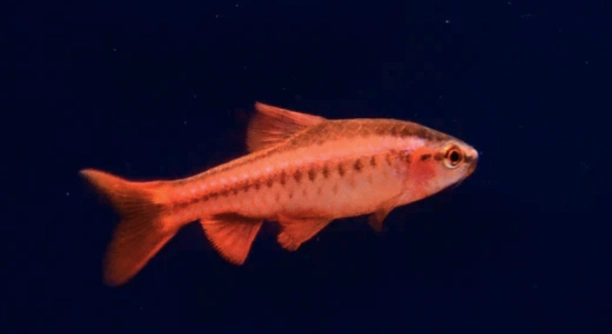
Is your cherry barb tank starting to look a little off, with dull colors or sluggish swimming behavior among your fish? These signs might be telling you it’s time for a change.
Several behavioral and environmental indicators can reveal when a cherry barb tank is no longer suitable. Overcrowding, inconsistent water parameters, and lack of stimulation are common issues that signal the need for an upgrade to support fish health and wellbeing.
Recognizing these signs early can help prevent stress-related problems and keep your cherry barbs thriving in a well-maintained setup.
Cloudy Water and Foul Odors
A cloudy tank or a persistent bad smell is a clear indicator that something isn’t right. These signs usually point to poor filtration or an overloaded bioload. Cherry barbs are hardy, but prolonged exposure to unstable water conditions weakens their immune system. A tank that can’t maintain clarity or neutral odor even after regular maintenance likely isn’t large enough or properly equipped. This creates stress for the fish and may also lead to algae overgrowth or a spike in ammonia levels. If your tank’s water conditions are constantly off despite your efforts, it might be time to consider a larger setup with improved filtration. An upgrade gives your fish more space, more stable parameters, and reduces the frequency of cleaning needed to maintain balance. A bigger tank also allows for better plant growth, which helps naturally regulate the water and improves the overall environment for your cherry barbs.
Look at how often you need to clean the tank just to keep things manageable. That alone says a lot.
Cloudy water isn’t just a visual issue—it points to an imbalance. A small tank with too many fish, excess food waste, or inefficient filtration can’t support clean water for long. Even regular water changes won’t solve the underlying issue. Upgrading gives you more room to spread out waste, use a more powerful filter, and grow aquatic plants that help maintain better balance. With a larger tank, you also gain better control over the nitrogen cycle, which leads to improved water clarity and a healthier home for your cherry barbs. Cleaner water reduces fish stress and supports brighter colors and more active behavior.
Aggression Among Cherry Barbs
Aggression is not typical for cherry barbs, especially if they’re kept in the right numbers and environment.
If you notice frequent chasing, fin nipping, or territorial behavior, this may signal that your tank is too small. Cherry barbs thrive in groups, and a tight space can cause them to feel crowded, leading to stress and behavioral issues. Inadequate space also makes it harder for fish to establish their own areas to swim and hide, increasing competition. When you increase the tank size, you provide more swimming room and reduce stress triggers. A longer tank with more horizontal space can make a big difference, allowing natural schooling behavior to return. You’ll also have space for more plants and decorations, which provide hiding spots and break up sight lines. This lowers the chances of aggressive interactions. A larger tank not only improves behavior but also helps maintain water quality more consistently, as waste is diluted more effectively.
Limited Swimming Space
If your cherry barbs seem to hover in one area or constantly bump into decorations, it may be a sign of cramped conditions. Limited swimming space restricts their natural behavior and can cause frustration or lethargy over time.
Cherry barbs are active swimmers that enjoy open areas, especially when kept in groups. A small tank can force them into tight corners or cause them to compete for space, which often leads to stress. Inadequate room also affects their ability to maintain a proper social structure. They may swim less or appear jittery, especially if there’s too much decoration cluttering the space. Even plants, while beneficial, can become an obstacle in smaller tanks if overdone. Giving them more open room with a larger tank encourages natural movement, improves their social behavior, and helps prevent health issues caused by inactivity or constant low-level stress.
A larger tank doesn’t just mean more gallons—it means your cherry barbs can establish better swimming routes and interact more naturally. With proper layout planning, you can design areas with open water and dense plants that support both activity and rest. This balance creates a more dynamic space that supports mental stimulation. The result is more vibrant, responsive fish. You’ll see their best color and energy return as they use the space the way they’re meant to. Watching them dart through plants or calmly explore the tank floor becomes more rewarding when they aren’t limited by space.
Poor Growth and Pale Colors
When cherry barbs appear pale or fail to grow at a healthy rate, the tank size may be playing a role. These physical changes are often tied to long-term environmental stress.
Growth and coloration in cherry barbs depend on consistent water quality, proper space, and reduced competition. In a small, crowded tank, fish are more likely to face water instability, leading to nutrient deficiencies and stress that stunts growth. Pale color is often a sign of discomfort. When fish lack space, they expend more energy coping with stress rather than developing their full color and size. Expanding their environment allows for better water conditions and proper oxygenation, supporting healthy development.
Increased tank size leads to more stable parameters and less crowding. You can provide better filtration, varied diets, and live plants that help regulate water chemistry. A spacious tank encourages natural foraging and activity, which are important for metabolism and color development. With a calmer, cleaner environment, cherry barbs use their energy toward growth rather than reacting to stress. Over time, their color deepens and their size reflects proper development. You’ll start noticing more interaction, brighter reds, and an overall improvement in health—all signs your fish feel safe and supported in their upgraded space.
Constantly Chasing Tank Mates
If your cherry barbs are always chasing each other or bothering other tank mates, space might be the issue. Confined environments limit natural schooling and increase tension, especially in tanks that don’t support proper group dynamics.
This behavior usually settles once the tank is upgraded. More room allows for natural schooling and reduces stress.
Difficulty Maintaining Stable Water Parameters
Smaller tanks are harder to keep stable. Temperature, pH, ammonia, and nitrite levels can shift quickly, creating an unstable environment for cherry barbs. These fluctuations lead to stress, illness, or even death over time. A larger tank buffers against sudden changes, helping maintain balanced conditions longer between water changes. With more water volume, toxins are diluted, and waste buildup happens slower. This gives the filtration system more time to work efficiently. Stable water means healthier fish, better behavior, and fewer health problems. Cherry barbs are more active, display richer colors, and show fewer signs of distress when the tank environment remains consistent and supportive.
Minimal Hiding Areas
Without enough space, there’s often not enough room for proper hiding spots. Cherry barbs rely on plants or decorations to rest or escape stress. In tight tanks, that security disappears, and they stay alert, which can wear them down.
FAQ
How often should I upgrade my cherry barb tank?
The frequency of upgrading your cherry barb tank depends on how well you maintain it. If your fish are showing signs of stress or overcrowding, it’s a good time to consider an upgrade. If you notice poor water quality, aggression, or stunted growth, a larger tank will help. Regularly assess the tank’s space, water conditions, and behavior to determine if it’s time for a change. In general, every few years or when your fish outgrow their space, upgrading ensures long-term health.
What size tank is ideal for cherry barbs?
For a group of cherry barbs, a 20-gallon tank is the minimum recommended size. This gives them enough room to swim comfortably, maintain social structures, and thrive in stable water conditions. If you plan to keep more than six or add other species, consider going up to a 30-gallon or larger tank. A bigger tank reduces the chance of overcrowding and supports better water quality management.
Can I keep other fish with cherry barbs in a small tank?
It’s possible to keep other species with cherry barbs in a small tank, but the space limitations will make it harder for all fish to thrive. Overcrowding leads to stress, aggression, and poor water quality. If you want to add more fish, consider upgrading to a larger tank to ensure every species has enough space. Always research compatibility between cherry barbs and potential tankmates to avoid conflicts.
Are cherry barbs sensitive to water changes?
Cherry barbs are relatively hardy, but they do require stable water conditions. Sudden changes in water parameters, such as temperature or pH, can stress them out. When upgrading to a larger tank, make sure to gradually acclimate your fish to any changes in water conditions. Regular water changes are essential, but always avoid drastic shifts.
How do I ensure my cherry barbs stay healthy in a larger tank?
To keep cherry barbs healthy in a larger tank, focus on maintaining stable water conditions. Regular water changes, proper filtration, and monitoring water parameters (temperature, pH, ammonia, and nitrate levels) are crucial. Additionally, provide plenty of plants, hiding spots, and space for swimming. A well-balanced diet and minimal stress will support their well-being.
Do cherry barbs need a lot of decorations or plants in the tank?
While cherry barbs appreciate plants and decorations, they don’t need excessive amounts. They require space to swim freely, but having some plants and decorations helps them feel secure and encourages natural behavior. You can create hiding spots and break up sightlines with plants, rocks, or driftwood. However, avoid overcrowding the tank with decorations that reduce swimming space.
Can cherry barbs live with other peaceful species?
Yes, cherry barbs are peaceful and can live with other calm species, such as tetras, gouramis, or rasboras. However, it’s important not to overcrowd the tank, as this can lead to stress and aggression. When choosing tankmates, consider their size, temperament, and swimming habits to avoid conflicts. Make sure everyone has enough space to thrive.
What should I do if my cherry barbs are not breeding?
If your cherry barbs aren’t breeding, check the water conditions, tank size, and the ratio of males to females. Cherry barbs prefer to be in a group with more females than males, as this reduces stress. Ensure the tank is large enough, with clean water and a varied diet. Try adjusting the temperature slightly to mimic their natural breeding conditions. Also, consider adding live plants or a breeding area where they can lay eggs.
Do cherry barbs need a specific water temperature?
Cherry barbs do best in water temperatures between 72-78°F (22-26°C). Keeping the water within this range ensures they stay healthy, active, and stress-free. Too hot or too cold water can cause them to become lethargic, more susceptible to diseases, and less active overall. Regularly monitor the water temperature, especially when making changes to the tank.
How can I tell if my cherry barbs are stressed?
Stressed cherry barbs may display behaviors such as hiding, reduced activity, loss of color, or aggression. They might also stop eating or swim erratically. If you notice these signs, check the water conditions, tank size, and potential overcrowding. Stress can also be caused by incompatible tankmates or lack of hiding spots. Keeping the environment stable and peaceful is key to reducing stress.
Is it better to upgrade my tank before adding more fish?
Yes, it’s better to upgrade the tank first. Adding more fish to a cramped tank without upgrading it can lead to overcrowding, poor water quality, and stressed fish. When upgrading, take into account the size of the new tank and ensure it’s equipped with proper filtration and enough space for all fish. Adding new fish after the upgrade ensures that everyone has room to thrive.
How do I care for cherry barbs during the winter?
During winter, cherry barbs need stable temperatures. If the room temperature fluctuates, consider using a heater to maintain the ideal range of 72-78°F (22-26°C). Keep the tank away from drafts or direct heat sources, as this can cause temperature instability. Also, ensure the water quality is consistent by performing regular water changes.
What are some common mistakes to avoid when keeping cherry barbs?
Common mistakes include overfeeding, overcrowding, and neglecting water quality. Overfeeding can lead to excess waste, which deteriorates water quality and causes health issues. Overcrowding can cause stress and aggression. It’s also crucial to maintain a balanced diet and avoid sharp objects or rough surfaces in the tank that could injure the fish.
How long do cherry barbs live?
Cherry barbs can live for around 3 to 5 years when kept in ideal conditions. Proper tank maintenance, stable water parameters, and a healthy diet contribute to their longevity. Keeping their environment stress-free and spacious supports a long, healthy life for your fish.
Can I use tap water for my cherry barbs?
Tap water can be used, but it’s important to check its quality. Make sure it’s free from harmful chemicals like chlorine or chloramine. You may need a water conditioner to neutralize these elements. Additionally, monitor the water’s pH, hardness, and temperature to ensure it’s suitable for cherry barbs.
Final Thoughts
Upgrading your cherry barb tank is a step toward creating a healthier and more stable environment for your fish. A larger tank reduces the risks of overcrowding, poor water quality, and stress. It also allows cherry barbs to display their natural behavior, swim freely, and maintain social groups. Properly managing tank space, filtration, and water conditions will help prevent many common issues associated with small tanks. When upgrading, remember that more space means a more stable and comfortable environment for your fish, which contributes to their overall well-being.
By providing a larger tank with proper hiding spots, plants, and decorations, you ensure that your cherry barbs can rest and feel secure. A tank with enough room to move and explore encourages natural behaviors like schooling, which keeps your fish healthy. Stress is one of the biggest factors that affect fish health. When stress is reduced, cherry barbs are more likely to thrive, show vibrant colors, and breed successfully. It’s important to choose a tank size based on the number of fish and the species you plan to keep together. A larger tank helps create a balanced and peaceful aquatic environment for all tank mates.
Taking care of your cherry barbs means more than just providing them with space; it also involves maintaining stable water conditions. Monitoring temperature, pH, ammonia levels, and filtration systems is crucial to their survival. A larger tank makes this easier to achieve by providing more room for waste dilution and better filtration efficiency. Proper care, along with regular water changes and the right tank size, will support the long-term health of your fish. Remember, the investment in an upgraded tank will pay off in the form of healthier, more active, and more beautiful cherry barbs.

Hello,
If you enjoy the content that we create, please consider saying a "Thank You!" by leaving a tip.
Every little bit helps us continue crafting quality advice that supports the health, happiness, and well-being of pets around the world, for pets of all shapes, sizes, and species.
We really appreciate the kindness and support that you show us!